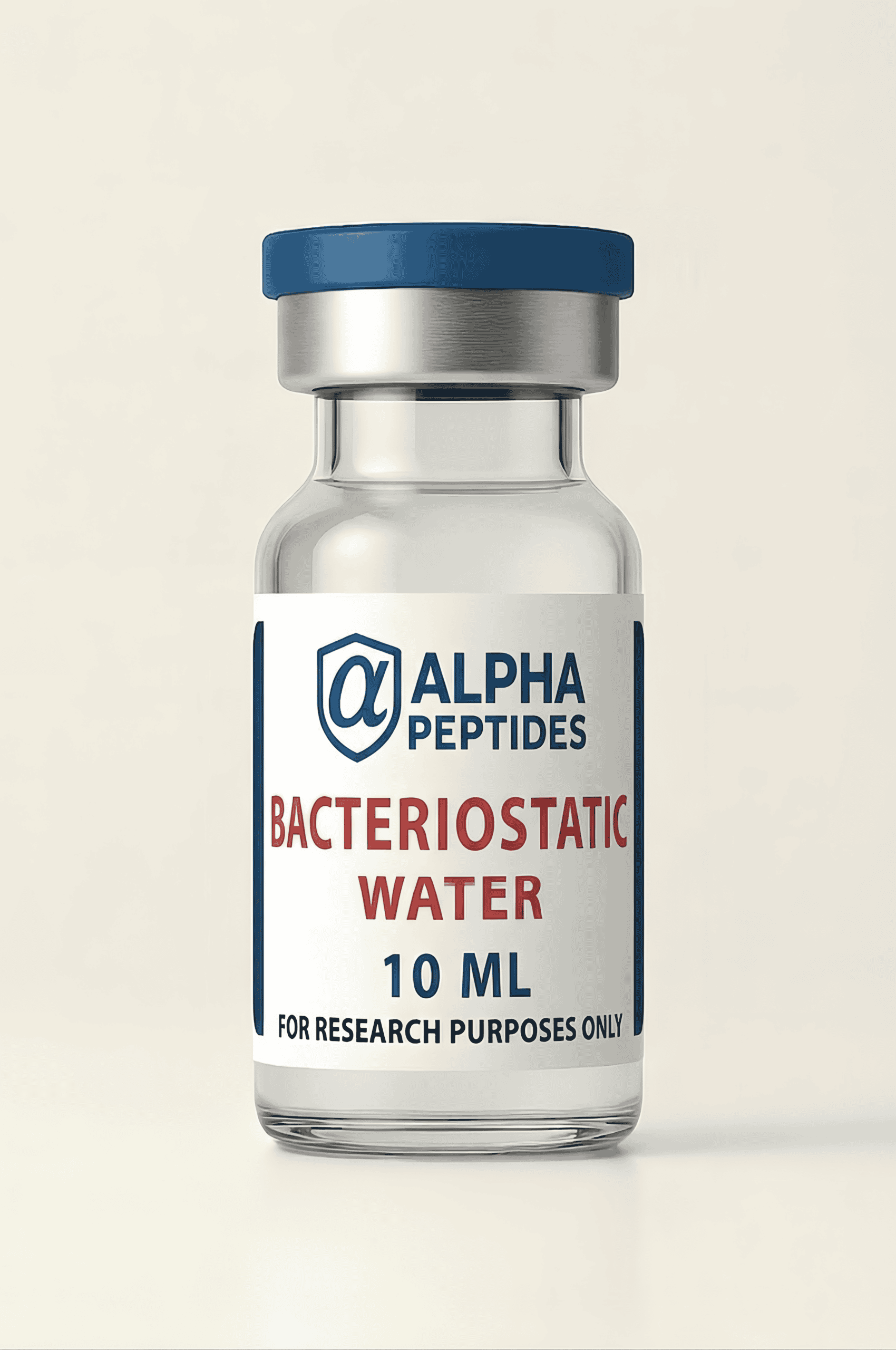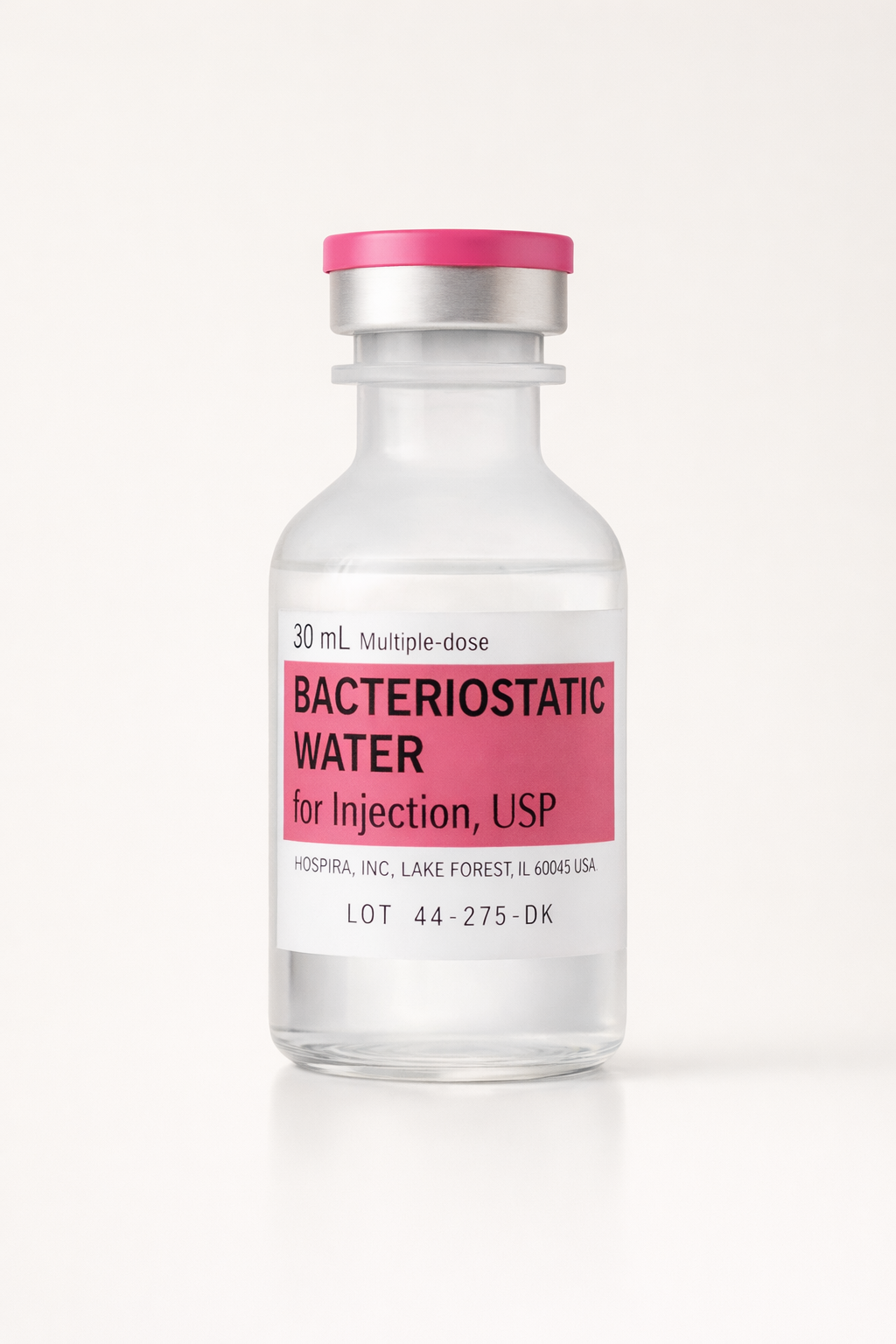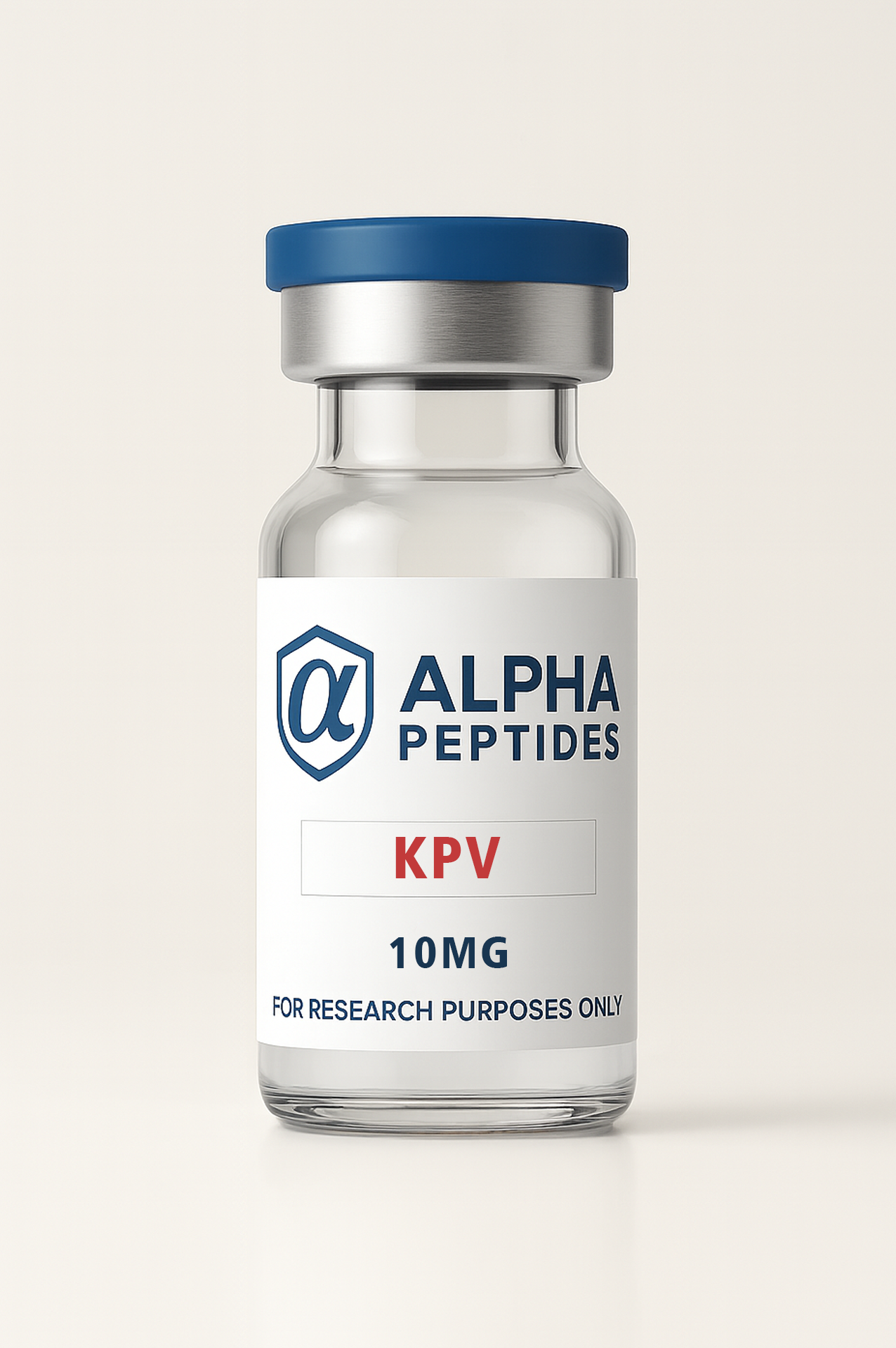

· For research use only. Not for human consumption.
For research use only. Not for human consumption.
Every research peptide comes with the same four words: “For Research Use Only. Not for Human Consumption.” If you’ve spent any time in the peptide space, you’ve seen this label so many times it probably fades into the background. But what does it actually mean? And why does it matter enough that every reputable supplier puts it front and center?
The short answer: it’s a real regulatory status with real legal weight. Understanding what it means — and why it exists — helps you make sense of the entire landscape around how peptides are sold, studied, and discussed. This post gives you a plain-English explanation. No legal jargon, no scare tactics.
TL;DR: “Research Use Only” (RUO) is a formal regulatory designation indicating a compound has not completed FDA approval for human use. According to the FDA, RUO products are intended solely for laboratory and scientific investigation — not for diagnostic or therapeutic use in people. Understanding this status explains why compliant suppliers make no health claims and why the label exists in the first place.
What Does “Research Use Only” Actually Mean?
According to the FDA, a “Research Use Only” designation means a product is intended for laboratory investigation by qualified scientists. It has not been reviewed or approved for diagnostic or therapeutic use in humans. The FDA’s guidance on RUO labeling (published and updated through its regulatory documents) makes clear that this isn’t a loophole — it’s a defined status with legal implications for how a product can be sold and discussed. ([FDA, Guidance for Industry and FDA Staff](https://www.fda.gov/regulatory-information/search-fda-guidance-documents/vitro-diagnostics), 2014)
In practical terms, RUO means the compound exists in a regulatory space designed for science. Researchers can acquire it, study it, and publish findings on it. What they can’t do — and what sellers cannot imply — is that it’s ready for human use. That distinction is the whole point of the designation.
It’s worth separating this from the idea that RUO compounds are somehow suspect or dangerous by definition. The RUO label doesn’t mean “unproven junk.” It means “not yet through the approval process.” A lot of genuinely important science happens on RUO compounds.
The FDA’s guidance on in vitro diagnostic products defines “Research Use Only” as a formal regulatory label for products intended solely for laboratory investigation. RUO products have not been cleared or approved for diagnostic or therapeutic use in humans, and labeling them otherwise constitutes a regulatory violation. This is a defined legal status, not a generic disclaimer. (FDA Guidance, 2014)
Why Isn’t Every Peptide FDA-Approved?
FDA drug approval is a long, expensive, and methodical process. According to a 2020 analysis published in JAMA Internal Medicine, the average cost to bring a new drug to market through the full approval process exceeds $1 billion, and the timeline typically spans 10 to 15 years from early research to approval. ([Wouters OJ et al., JAMA Intern Med](https://pubmed.ncbi.nlm.nih.gov/32125404/), 2020) Most peptides haven’t completed that process — not because they’ve failed, but because they haven’t gone through it yet.
Here’s how that process works, broadly. A compound starts in preclinical research: laboratory studies, animal model investigations, mechanistic work. That’s the stage most research peptides are at. If preclinical results look promising and a sponsor decides to move forward, the compound enters Phase I clinical trials — small human safety studies. Then Phase II for early efficacy signals. Then Phase III for large-scale trials. Then FDA review. Each stage has strict requirements, generates enormous amounts of data, and can take years.
The vast majority of compounds never make it all the way through. That’s not a failure of the science — it’s the nature of biological research. Preclinical results don’t always replicate at scale in humans. Approval requires not just evidence of potential benefit, but rigorous evidence that the benefit outweighs the risks, across a large and diverse population. That’s a high bar. It’s supposed to be.
So when you see a peptide with an RUO designation, what you’re seeing is a compound that’s being studied — potentially with significant preclinical literature behind it — but that hasn’t cleared the full approval process for human use. That’s the honest picture.
A 2020 analysis in JAMA Internal Medicine by Wouters and colleagues found that the average capitalized cost of bringing a new drug to FDA approval exceeds $1 billion, with development timelines commonly reaching 10 to 15 years. This explains why the majority of compounds with active preclinical research programs remain in “Research Use Only” status — not because they’ve failed regulatory scrutiny, but because they haven’t yet completed the full approval pathway. (PMID: 32125404)
The cost and timeline data helps explain something that confuses a lot of people: why compounds with large bodies of published animal model research are still sold as RUO. The gap between “actively studied in preclinical models” and “FDA-approved for humans” is a financial and procedural one as much as it is a scientific one.
What Does This Mean for How Suppliers Can Operate?
The RUO designation shapes nearly everything about how a compliant peptide supplier runs its business. A 2017 FDA warning letter database review by the National Institutes of Health found that the most common regulatory violations by research compound suppliers involved making implied or direct therapeutic claims — essentially marketing RUO products as if they were approved for human use. ([FDA Warning Letters Database](https://www.fda.gov/inspections-compliance-enforcement-and-criminal-investigations/compliance-actions-and-activities/warning-letters), ongoing) That’s the line compliant suppliers stay behind.
Here’s what the RUO status means practically for how a supplier operates.
What Suppliers Can Do
Suppliers can sell RUO compounds to researchers and institutions for laboratory investigation. They can provide factual information about a compound’s structure, molecular weight, known preclinical findings, and purity specifications. They can publish COAs showing third-party purity testing. They can describe what the scientific literature has found in animal models and cell studies. All of that is appropriate and necessary for a legitimate research context.
What Suppliers Cannot Do
Suppliers cannot make health claims. They can’t say a compound treats, prevents, or cures anything. They can’t describe dosing for human use. They can’t frame products as supplements, medications, or therapies. They can’t imply personal use. A supplier who does those things isn’t operating compliantly — they’re misrepresenting the product’s regulatory status, which creates real legal and safety risks.
When you see a supplier staying carefully within factual, research-framed language, that restraint isn’t evasion. It’s compliance. It means the supplier understands the actual regulatory landscape and is operating within it honestly.
The FDA’s warning letter record documents numerous enforcement actions against research compound suppliers for making therapeutic or implied health claims on RUO-designated products. Compliant suppliers avoid health claims, dosing instructions, and therapeutic framing specifically because those representations mischaracterize an RUO product’s legal status. The absence of health claims is a positive compliance signal, not a red flag. (FDA Warning Letters Database)
In our experience sourcing and supplying research peptides, one of the most common questions we receive from first-time buyers is some version of “why can’t you just tell me how much to use?” The honest answer isn’t that we’re being cagey — it’s that dosing for human use isn’t something an RUO supplier can provide, because providing it would mean representing the product as approved for human use. That’s not the product it is.
Why This Label Protects Both Researchers and Suppliers
The RUO framework exists because uncontrolled use of unapproved compounds in humans carries real risk — not just to individuals, but to the integrity of the research process itself. According to a 2019 paper in Science Translational Medicine, one of the biggest obstacles to translating preclinical peptide research into clinical development is inconsistent compound quality and uncontrolled use outside research protocols. ([Fosgerau K & Hoffmann T, Drug Discov Today](https://pubmed.ncbi.nlm.nih.gov/25595548/), 2015) The RUO designation helps preserve the research environment those findings depend on.
For researchers, the label sets clear expectations. An RUO product is a research tool — something to be studied under controlled conditions, with proper protocols. That framing encourages the kind of rigorous, documented work that produces valid data. It discourages casual, undocumented use that tells us nothing useful scientifically and may introduce harm.
For suppliers, the RUO framework provides a clear legal path. Selling compounds for legitimate research purposes is lawful. Selling them with implied or explicit claims of human therapeutic benefit, without FDA approval, is not. The designation draws that line in a way that protects suppliers who operate within it — and flags those who don’t.
The framework also protects the broader research enterprise. Regulatory scrutiny that shuts down non-compliant suppliers doesn’t harm science — it protects the suppliers doing legitimate work from being tarred with the same brush as those who aren’t.
What It Means to Buy From a Compliant Supplier
Not all research peptide suppliers operate the same way. A 2021 analysis in Drug Testing and Analysis examined purity testing across a sample of commercial research peptide products and found that a meaningful percentage of samples from non-verified sources fell below stated purity thresholds. ([Aiello M et al., Drug Test Anal](https://pubmed.ncbi.nlm.nih.gov/33340289/), 2021) Purity discrepancies introduce confounding variables into any research using those compounds — and in some cases, the contaminants are unknown. Sourcing from a compliant supplier isn’t just a legal consideration. It’s a scientific one.
Here’s what genuine compliance looks like from a supplier.
Transparent, Third-Party COAs
A compliant supplier provides Certificates of Analysis generated by independent third-party laboratories — not internal testing. These documents show HPLC purity data and mass spectrometry confirmation, verifying both how pure the sample is and that the compound is actually what it’s claimed to be. Without both data points, purity claims are unverifiable. You can review the COAs for Alpha Peptides’ products on our Certificates of Analysis page.
No Medical Claims or Dosing Information
A compliant supplier doesn’t tell you what a compound will do for you personally. They don’t provide dosing instructions, protocols, or health-outcome promises. If a supplier does offer that kind of language, it’s a warning sign — not a mark of superior knowledge. It means they’re misrepresenting an RUO product’s regulatory status, which should make you question everything else they’re telling you.
Clear Research Framing Throughout
Every product description, FAQ, and piece of content on a compliant supplier’s site references the research context. Language like “investigated in preclinical models” or “examined in animal studies” reflects what the science actually says. It’s not hedging — it’s accuracy. The research is at the preclinical stage. Describing it that way is honest.
Want a deeper guide on how to evaluate suppliers? Our article on how to find a trustworthy peptide supplier walks through the full checklist.
In our review of supplier practices in the research peptide space, the single most consistent differentiator between compliant and non-compliant suppliers is the presence (or absence) of third-party COA documentation. Suppliers offering in-house-only testing, or no COA at all, cannot independently verify what they’re selling. That’s a fundamental problem for any research application that depends on compound integrity.
Frequently Asked Questions About Research Use Only Peptides
Can research peptides be studied in humans?
RUO compounds are not approved for human use. However, some compounds that begin as RUO do eventually enter formal clinical trials — at which point they are no longer governed by the RUO designation but by the Investigational New Drug (IND) process, which involves FDA oversight and strict protocols. The RUO label applies specifically to preclinical research; it doesn’t permanently prohibit a compound from ever entering the clinical pipeline. ([FDA IND Application Process](https://www.fda.gov/drugs/types-applications/investigational-new-drug-ind-application), ongoing)
What’s the difference between RUO and clinical-grade compounds?
Research Use Only compounds are produced to research-grade standards — verified purity, documented synthesis, third-party COA. Clinical-grade compounds used in FDA-authorized human trials must meet additional standards set under Good Manufacturing Practice (GMP) guidelines, with tighter controls on manufacturing environments, batch consistency, and quality systems. RUO and clinical-grade aren’t interchangeable designations. They reflect different regulatory tracks with different requirements. ([FDA GMP Guidelines](https://www.fda.gov/drugs/pharmaceutical-quality-resources/current-good-manufacturing-practice-cgmp-regulations), ongoing)
Why do some peptides get approved and others don’t?
FDA approval requires evidence of both safety and efficacy in humans, generated through clinical trials. Many compounds show promise in preclinical animal models but don’t replicate those results at scale in humans — that’s a normal part of biological research, not a failure. Others never enter clinical trials because the commercial investment required for drug development isn’t justified for a particular compound. RUO status doesn’t mean a compound failed approval; it often means the approval process was never initiated. ([Wouters OJ et al., JAMA Intern Med](https://pubmed.ncbi.nlm.nih.gov/32125404/), 2020)
What makes a supplier compliant?
A compliant research peptide supplier sells compounds clearly designated as research use only, makes no health or therapeutic claims, provides third-party COA documentation for every product, and frames all product information within the scientific research context. They don’t offer dosing guidance, protocols, or any language suggesting personal use. Compliance isn’t just about avoiding legal risk — it’s about accurately representing what these compounds are. For a full breakdown, see our About page and our COA library.
The Label Means What It Says
The four words “For Research Use Only” aren’t boilerplate. They represent a real regulatory status that defines what a compound is, what it’s intended for, and how it can legally be sold and described. Understanding that status helps you read the entire research peptide landscape more clearly — including why compliant suppliers communicate the way they do.
The RUO framework exists to keep research honest. It separates the careful, documented work of preclinical science from the uncontrolled, undocumented use that produces neither safety data nor scientific value. Suppliers who operate within that framework are contributing to a legitimate research supply chain. Those who work around it are creating problems for everyone in the space — including the researchers doing serious work.
If you’re sourcing compounds for research, start with the basics: third-party COAs, factual product descriptions, and no health claims anywhere on the site. Those markers tell you more about a supplier than anything else they might say about themselves. Read about how to evaluate your options in our guide on finding a trustworthy peptide supplier.
For research use only. Not for human consumption. All peptides discussed on this page are experimental compounds with no FDA-approved therapeutic applications. All information is provided for educational purposes related to laboratory and scientific research. Nothing on this page constitutes medical advice, and it should not be interpreted as a recommendation for any personal use.
Shop Research-Grade Peptides from Alpha Peptides
Alpha Peptides is a U.S.-based research peptide supplier providing HPLC-verified, third-party tested compounds with full Certificates of Analysis on every batch. All products are for research use only, not for human consumption.
- BPC-157 — 15-amino acid peptide, >98% HPLC purity
- TB-500 — Thymosin Beta-4 fragment, MS-confirmed identity
- Ipamorelin — Selective GHS-R agonist, research grade
- CJC-1295 (with DAC) — GHRH analog with full analytical documentation
Browse all 20+ research peptides → | View Certificates of Analysis →