
· For research use only. Not for human consumption.
For research use only. Not for human consumption.
Growth hormone releasing hormone is one of the most important signaling molecules in the human body, yet most people have never heard of it. Known by its abbreviation GHRH, this tiny molecule is the starting signal that tells the body to produce and release growth hormone. Without GHRH, the entire growth hormone system would have no way to turn on.
Understanding GHRH is the foundation for making sense of peptide research. Nearly every growth hormone-related peptide you will encounter in scientific literature, from Tesamorelin to Sermorelin to CJC-1295, is based on this one natural molecule. If you can grasp what GHRH is and what it does, the rest of the research falls into place. You can see GHRH-related research compounds in our peptide catalog.
This post will explain GHRH in the simplest terms possible, covering where it comes from, what it does, and why it matters to science.
TL;DR: Growth hormone releasing hormone (GHRH) is a 44-amino-acid signal made in the hypothalamus. It tells the pituitary gland to release growth hormone. GHRH production changes over time, which is why scientists study it and create modified versions like Tesamorelin. Wang & Tomlinson (2009) reviewed the GHRH analog Tesamorelin (PMID: 19243281). For research use only. Not for human consumption.
Growth Hormone Releasing Hormone: The Basics
GHRH is a hormone, which means it is a chemical messenger that travels from one part of the body to deliver instructions to another part. Specifically, GHRH is made in a brain region called the hypothalamus. The hypothalamus sits at the base of the brain and acts as a command center for many of the body’s automatic processes, including temperature regulation, hunger, sleep, and hormone production.
When the hypothalamus decides it is time for the body to release growth hormone, it produces GHRH and sends it on a very short trip to the pituitary gland. The pituitary is a gland about the size of a pea that hangs just below the hypothalamus, connected by a thin stalk of tissue and blood vessels. GHRH does not have to travel far, but the message it carries triggers a chain of events that affects the entire body.
The name itself tells you exactly what it does: Growth Hormone Releasing Hormone. It is the hormone that causes growth hormone to be released. Scientists love descriptive names like this because they make the function immediately obvious.
The 44 Amino Acid Structure of GHRH
GHRH is built from a chain of 44 amino acids. Amino acids are the building blocks of all proteins and peptides in the body. Think of them as letters in an alphabet. Just as different arrangements of 26 letters can spell millions of different words, different arrangements of amino acids create thousands of different molecules, each with a specific job.
The 44-amino-acid length of GHRH makes it relatively short by protein standards but fairly long for a peptide. For context, some other well-known research peptides are much shorter: BPC-157 has 15 amino acids and MOTS-c has 16. At 44 amino acids, GHRH is large enough to have a complex three-dimensional shape, which is critical for its ability to fit into the GHRH receptor on pituitary cells.
Interestingly, researchers discovered that the entire 44-amino-acid chain is not required for receptor activation. The first 29 amino acids contain the portion that actually binds to the receptor. The remaining 15 amino acids at the tail end help stabilize the molecule but are not strictly necessary for the signal to work. This discovery led to the creation of shortened analogs like Sermorelin, which uses only amino acids 1 through 29.
What Happens When GHRH Reaches the Pituitary
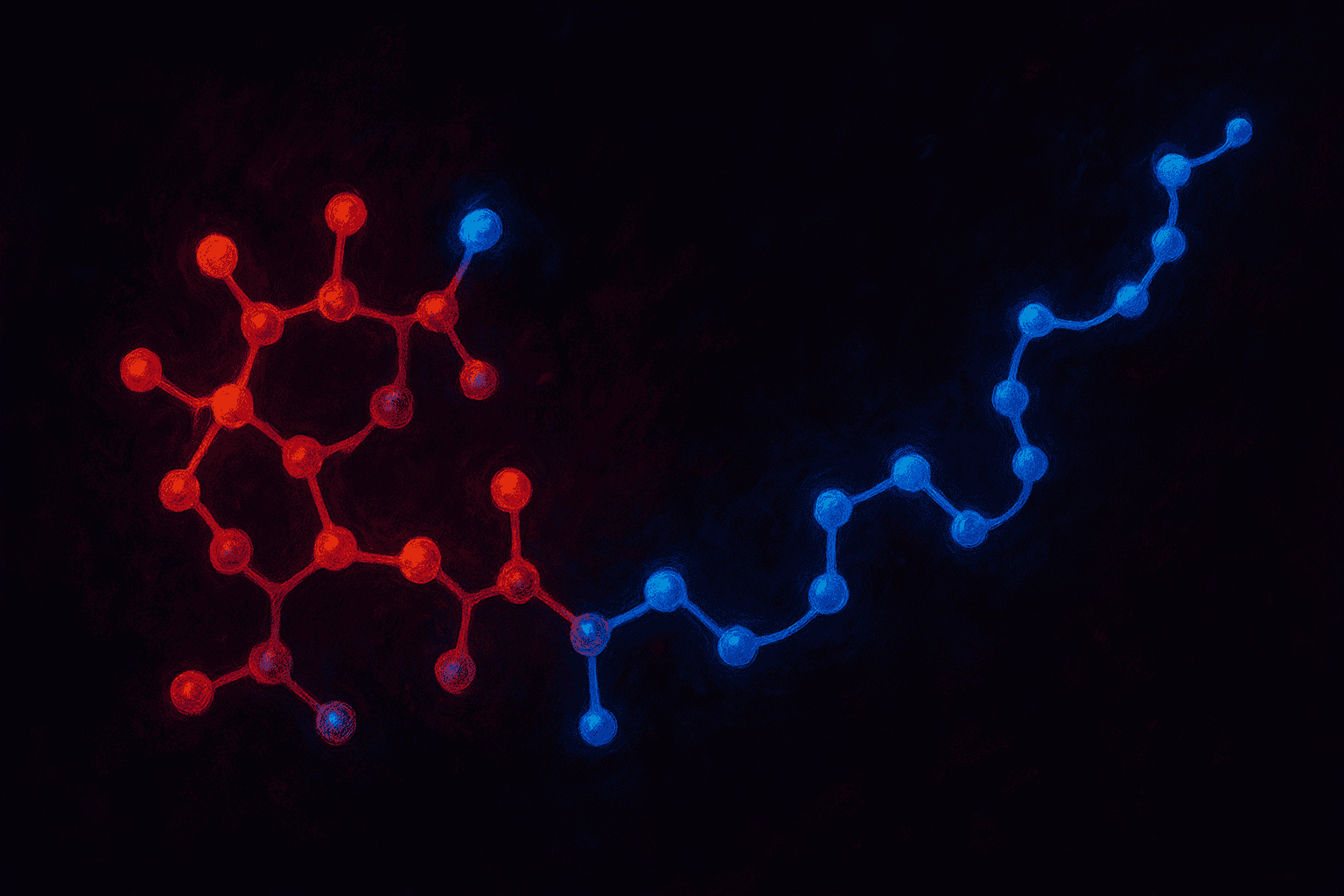
When GHRH arrives at the pituitary gland, it locks onto specific receiving stations called GHRH receptors. These receptors sit on the surface of cells called somatotrophs, which are the pituitary cells responsible for making and storing growth hormone.
The process works like a lock and key. GHRH is the key, and the receptor is the lock. When the key fits into the lock and turns, the somatotroph cell opens up and releases its stored growth hormone into the bloodstream. The growth hormone then travels to tissues throughout the body, including the liver, where it stimulates the production of IGF-1 (Insulin-like Growth Factor 1).
This lock-and-key mechanism is important because it means GHRH is very specific. It only activates cells that have the right receptor. It does not randomly trigger other cells or other hormones. This specificity is one of the reasons scientists find GHRH such a useful subject of study.
Why Scientists Study GHRH
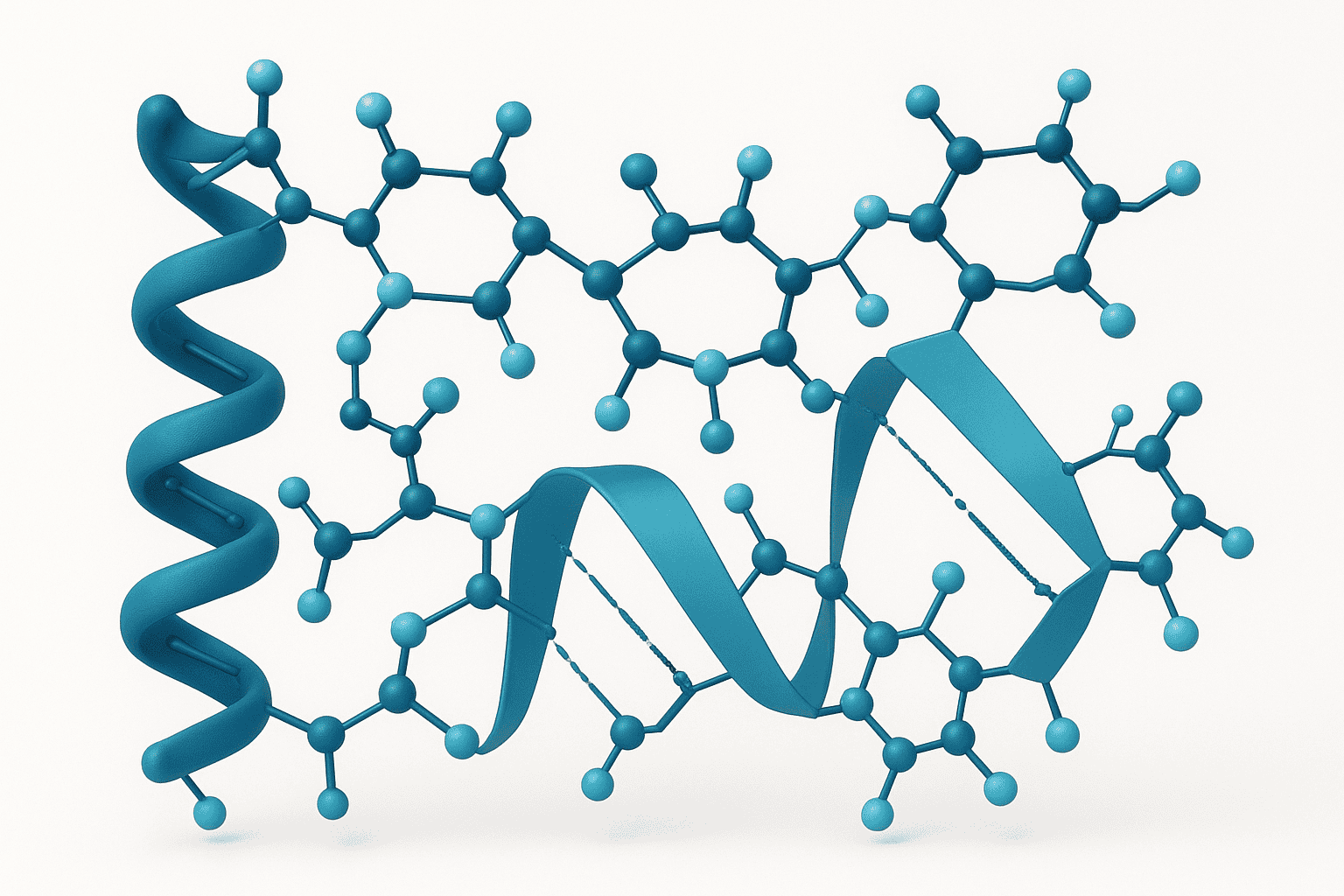
GHRH has been a subject of scientific research since it was first identified in the early 1980s. There are several reasons it continues to attract attention in laboratories around the world.
First, GHRH sits at the top of the growth hormone axis. It is the starting signal for one of the body’s most important hormonal pathways. By studying GHRH, researchers can learn how the entire pathway turns on and off, how it regulates itself, and what happens when the signal is too strong, too weak, or absent.
Second, GHRH interacts with another molecule called somatostatin, which does the opposite job. While GHRH tells the pituitary to release growth hormone, somatostatin tells it to stop. The push-and-pull relationship between these two signals is a classic example of biological regulation, and studying it teaches scientists fundamental principles about how the body maintains balance.
Third, GHRH production changes over the course of a lifetime. Published research has documented shifts in GHRH output at different life stages, making it a molecule of interest for scientists studying biological processes that change with time.
How Aging Affects GHRH Production
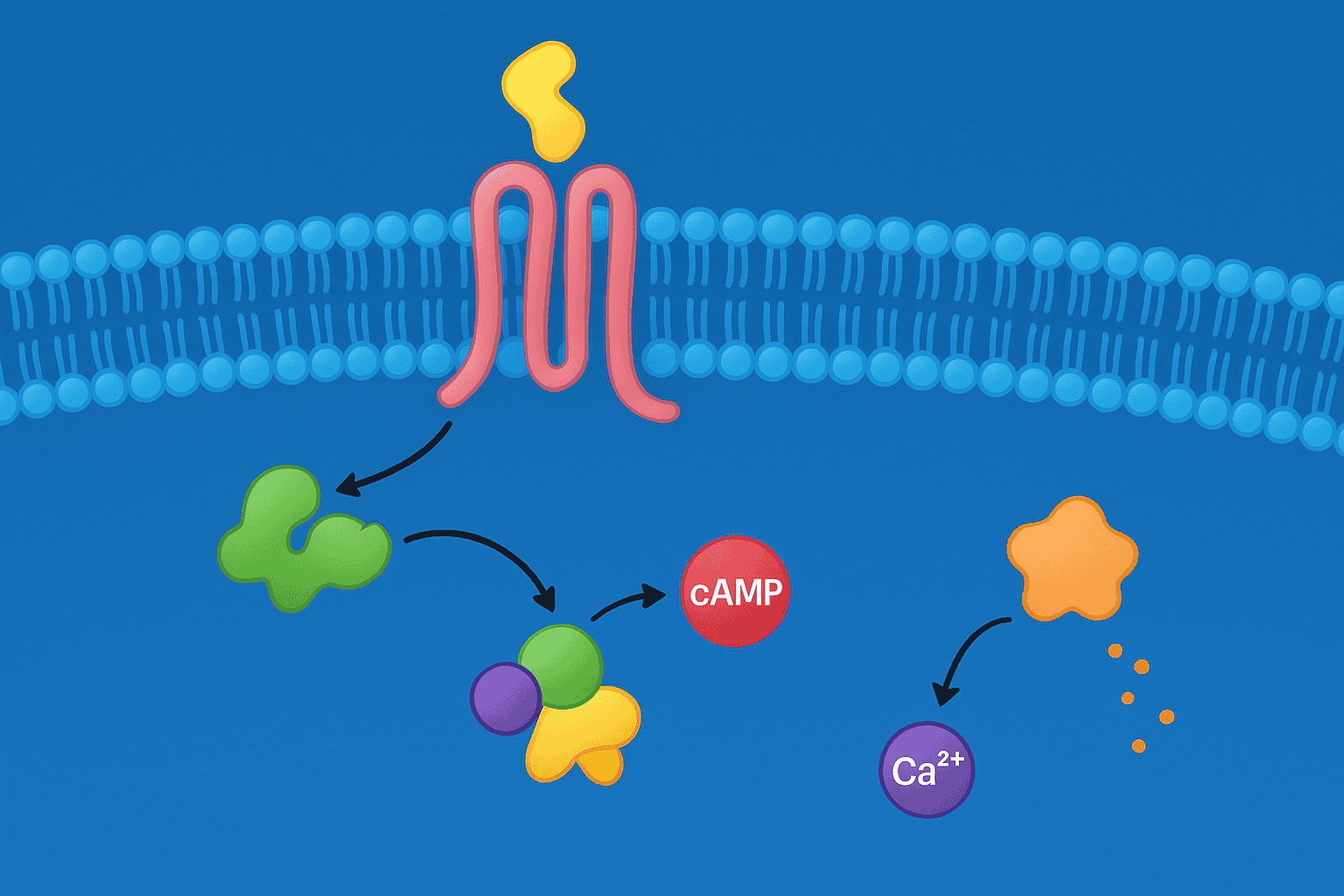
One of the most studied aspects of GHRH is how its production changes as organisms age. Published literature has consistently reported that the hypothalamus produces less GHRH over time. This decline is gradual, not sudden, and it is associated with corresponding changes in growth hormone and IGF-1 levels throughout the body.
Scientists have used the term “somatopause” to describe the age-related reduction in growth hormone axis activity. It is not a disease or a disorder. It is a natural biological process that researchers study to better understand how hormonal signaling evolves over a lifetime.
The age-related decline in GHRH production is one of the reasons scientists developed GHRH analogs. By creating stable, lab-friendly versions of GHRH, researchers can study what happens when the signal is present in controlled amounts, regardless of the natural age-related changes in production.
Connecting GHRH to Tesamorelin Research
Tesamorelin is a GHRH analog, meaning it is a modified copy of the natural GHRH molecule. It contains all 44 amino acids in the same order, with one small addition: a trans-3-hexenoic acid group at the beginning of the chain. This modification protects the molecule from rapid breakdown without changing how it interacts with the GHRH receptor.
Wang and Tomlinson (2009) reviewed Tesamorelin’s design and pharmacological profile, describing how it mimics natural GHRH and serves as a valuable research tool for studying the growth hormone axis.
Wang Y, Tomlinson B (2009) reviewed Tesamorelin as a human growth hormone releasing factor analogue, covering its structural relationship to natural GHRH. (PMID: 19243281)
Understanding natural GHRH is the key to understanding every GHRH analog. Once you know what the original molecule does and how it works, the purpose of each modification becomes clear. Every analog is simply an attempt to preserve the function of GHRH while solving the problem of its rapid breakdown.
Alpha Peptides offers Tesamorelin, a GHRH analog, for qualified researchers. All batches are tested and ship with a Certificate of Analysis (COA). Explore our full research catalog for additional compounds.
Frequently Asked Questions
What is growth hormone releasing hormone in simple terms?
GHRH is a chemical messenger made in the brain’s hypothalamus. Its job is to tell the pituitary gland to release growth hormone into the bloodstream. It is the starting signal for the entire growth hormone system.
How many amino acids does GHRH have?
Natural GHRH is a chain of 44 amino acids. The first 29 amino acids are responsible for binding to the GHRH receptor. The remaining 15 amino acids help stabilize the molecule.
Does GHRH production change with age?
Published research has documented that GHRH output from the hypothalamus decreases gradually over time. This is associated with corresponding changes in growth hormone and IGF-1 levels and is sometimes called the somatopause.
What is the difference between GHRH and growth hormone?
GHRH is the signal, and growth hormone is the response. GHRH tells the pituitary gland to release growth hormone. They are two different molecules with two different functions that work together as part of the growth hormone axis.
Why do scientists create analogs of GHRH?
Natural GHRH breaks down within minutes, making it difficult to study. Scientists create modified versions (analogs) that are more stable and last longer in laboratory experiments, while still activating the same receptor.
For research use only. Not for human consumption. This material is sold strictly for use in scientific and laboratory research. It is not intended for diagnostic or therapeutic purposes. Alpha Peptides does not endorse or encourage any off-label use.