
· For research use only. Not for human consumption.
For research use only. Not for human consumption.
Copper might seem like an odd ingredient for a research peptide. But GHK-Cu is one of the most fascinating molecules in preclinical science — a tiny peptide that naturally carries a copper atom. So what is GHK-Cu, and why are researchers so interested in it?
GHK-Cu is a tripeptide, meaning it’s made of just three amino acids: glycine, histidine, and lysine. That “Cu” at the end stands for copper — the same metal found in pennies and electrical wiring. This peptide naturally binds a copper ion, forming what scientists call a copper-peptide complex. First characterized by Loren Pickart in the 1970s, GHK-Cu has been the subject of growing research interest, with key reviews published in the International Journal of Cosmetic Science (Pickart, 2008) and the journal Life (Pickart & Margolina, 2018). This is particularly relevant for what is ghk-cu research.
This guide explains what GHK-Cu is in simple terms — what it’s made of, where it comes from, and why that copper atom matters so much. For details on its mechanism, see our guide to how GHK-Cu works.
[INTERNAL-LINK: “guide to how GHK-Cu works” → mechanism post for GHK-Cu]
TL;DR: GHK-Cu is a three-amino-acid peptide that naturally binds a copper ion. Found in human blood plasma, it’s been studied since the 1970s. Research reviewed by Pickart (2008) showed GHK-Cu interacts with copper-dependent biological processes, making it unique among research peptides.
What Is GHK-Cu Made Of?
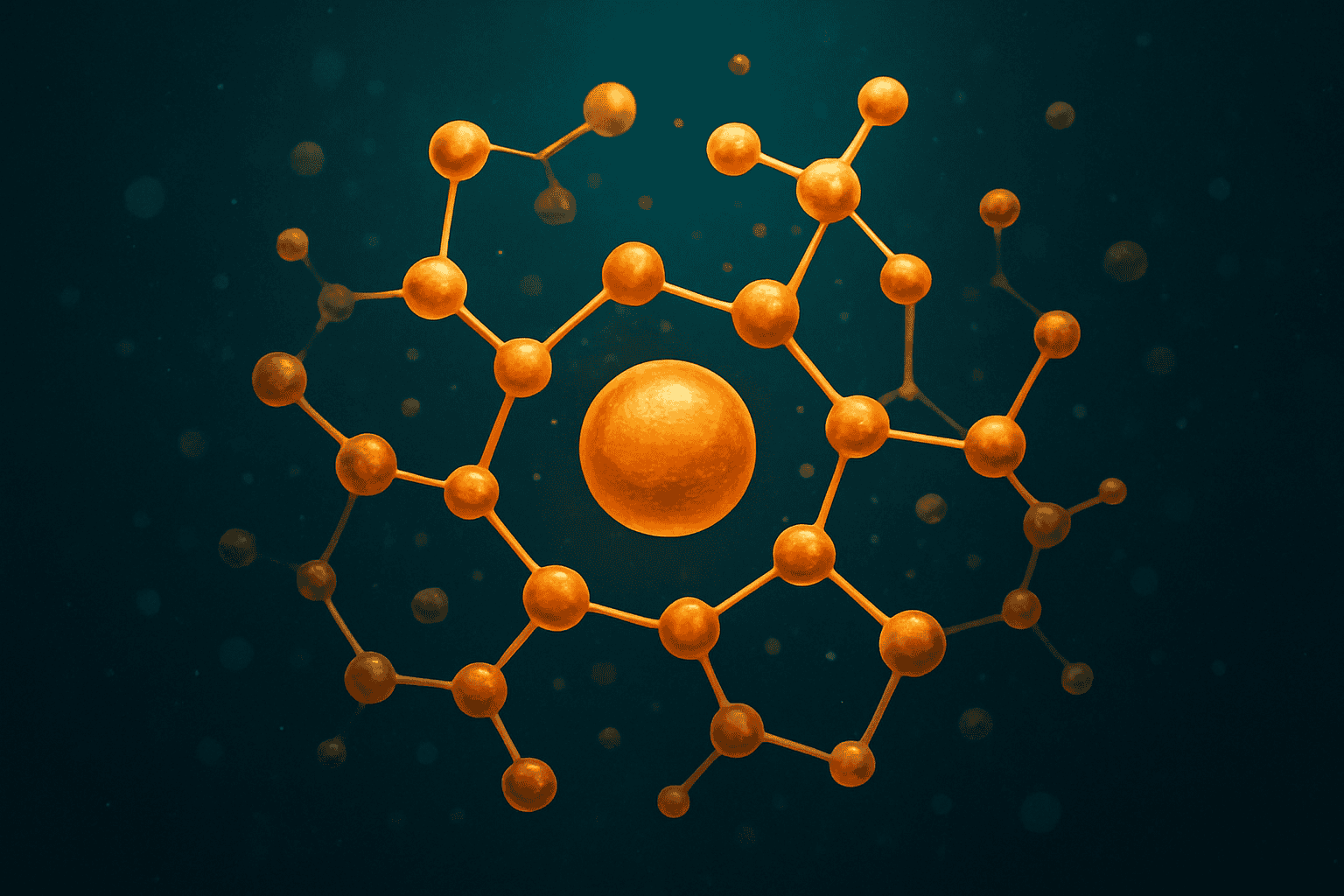
Understanding what GHK-Cu is starts with its three building blocks. The name itself tells you the recipe: G (glycine), H (histidine), K (lysine), and Cu (copper). Three amino acids plus one metal ion — that’s it. According to research reviewed by Pickart in the International Journal of Cosmetic Science (2008), this combination was first identified in human blood plasma, where it circulates naturally.
Compared to most research peptides, GHK-Cu is tiny. BPC-157 has 15 amino acids. TB-500 comes from a 43-amino-acid protein. GHK-Cu has just three. But don’t let the small size fool you — what makes this molecule special isn’t its length. It’s the copper.
Why Copper Matters
Copper is an essential trace mineral. Your body needs it for dozens of biological processes, from energy production to nervous system function. But copper in its free form can be problematic — it’s reactive and can cause damage to cells if it’s not properly managed.
That’s where GHK-Cu gets interesting. The tripeptide acts as a copper carrier. It binds the copper ion tightly enough to prevent free copper damage, but loosely enough to release it where needed. Think of GHK-Cu as a delivery truck for copper — it picks up the mineral and drops it off at the right location.
This copper-carrying ability is what distinguishes GHK-Cu from other research peptides. While most peptides work by fitting into receptors like keys into locks, GHK-Cu’s function is intimately tied to the metal it carries. Remove the copper, and you’ve got a very different molecule.
[IMAGE: Simple diagram showing GHK-Cu structure with copper ion bound to three amino acids — search terms: GHK-Cu copper peptide molecular structure simple]
Where Does GHK-Cu Come From?
GHK-Cu is found naturally in human blood plasma. It was first isolated and characterized by Loren Pickart in the 1970s during research at the University of Washington. Pickart noticed that a factor in blood plasma had interesting properties in cell culture experiments. He eventually identified it as the tripeptide glycyl-L-histidyl-L-lysine bound to a copper(II) ion.
Since that initial discovery, GHK-Cu has been found in other bodily fluids as well. Research has documented its presence in saliva and urine, though plasma remains the primary known source. The concentration in plasma changes over the course of a lifetime, which has added another layer of research interest. This is particularly relevant for what is ghk-cu research.
Like other research peptides, the GHK-Cu used in laboratories is produced synthetically. The tripeptide is synthesized and then complexed with a copper(II) ion under controlled conditions. This ensures consistent quality and purity from batch to batch.
A Brief History of GHK-Cu Research
The timeline of GHK-Cu research spans over five decades. Here are the key milestones.
1970s: Loren Pickart first isolates and identifies GHK-Cu from human plasma. Early studies examine its properties in cell culture models.
1980s-1990s: Research expands to explore GHK-Cu’s interactions with copper-dependent biological processes. Multiple laboratories begin publishing on this peptide.
2008: Pickart publishes a comprehensive review in the International Journal of Cosmetic Science (PMID: 18047928), summarizing decades of findings.
2018: Pickart and Margolina publish an updated review (PMID: 29498915) examining GHK-Cu’s interactions with gene expression — an area that has generated significant recent interest.
[PERSONAL EXPERIENCE] What strikes many researchers when they first encounter GHK-Cu is how simple it looks on paper. Three amino acids and a copper atom. Yet the published literature reveals a complexity that belies that simplicity — a good reminder that molecular size doesn’t always predict biological significance.
GHK-Cu, a naturally occurring tripeptide-copper complex first isolated from human blood plasma in the 1970s, has been examined in a growing body of preclinical research spanning five decades. Reviews by Pickart (2008) and Pickart & Margolina (2018) document its interactions with copper-dependent biological processes and gene expression.
How Is GHK-Cu Different from Other Peptides?
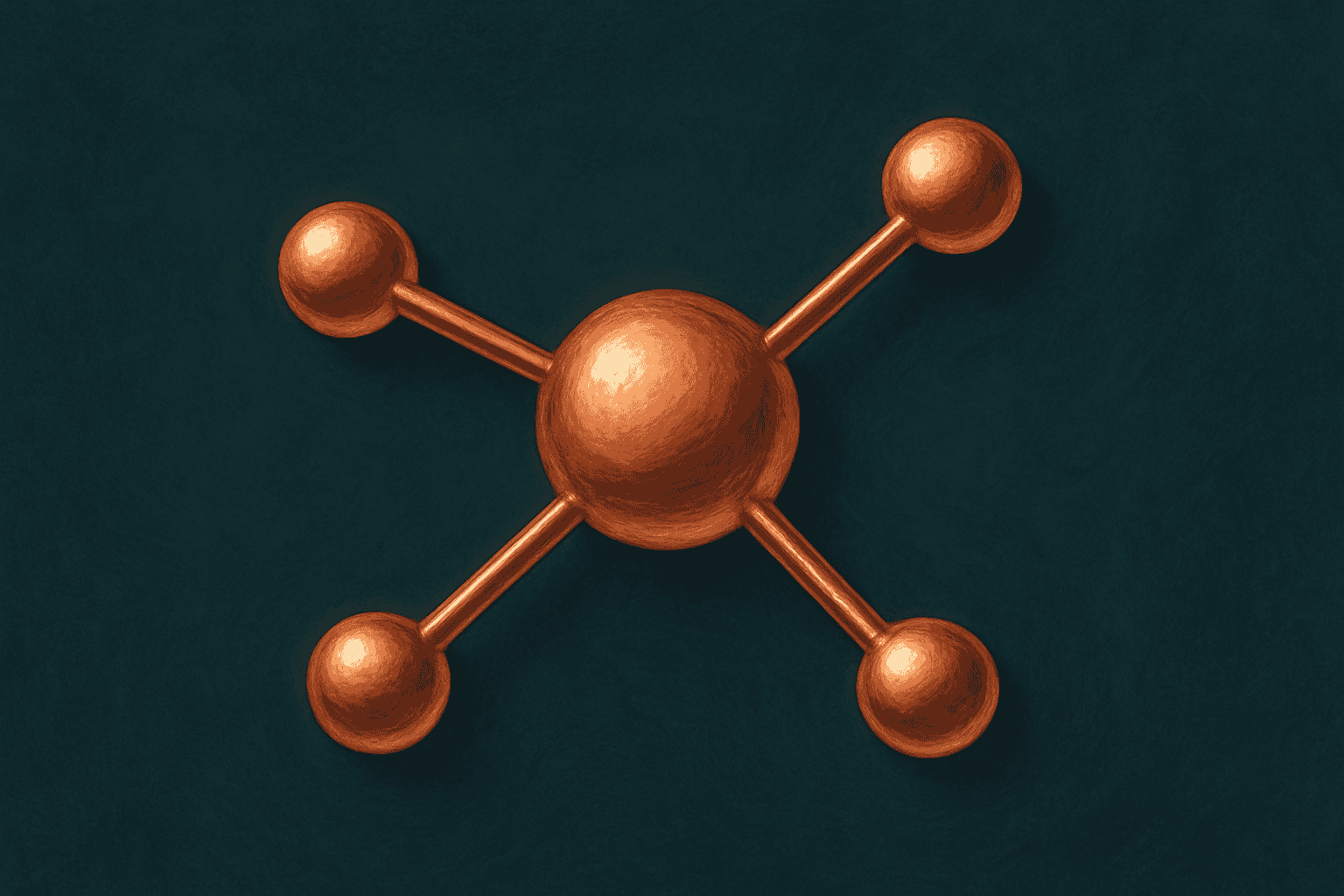
The copper atom is what makes GHK-Cu genuinely unique among research peptides. Most peptides interact with biological systems purely through their amino acid sequence. They fit into receptors, trigger signaling cascades, or modify other proteins. GHK-Cu does something different — it delivers a metal ion.
Copper plays a role in numerous enzymes throughout the body. Enzymes are like tiny molecular machines that carry out specific chemical reactions. Some of these machines need copper to function properly, the way a car engine needs spark plugs. GHK-Cu may influence these copper-dependent enzymes by providing their essential metal component.
This makes GHK-Cu interesting from a research design perspective. When scientists study most peptides, they’re looking at protein-protein interactions. With GHK-Cu, they’re studying protein-metal interactions and metal delivery — a different category of biology entirely.
How Should You Evaluate GHK-Cu Quality?
Quality evaluation for GHK-Cu follows the same principles as other research peptides, with one important addition: you need to verify the copper content.
HPLC purity: Look for 98%+ purity, confirming the peptide component is clean and free of synthesis impurities.
Mass spectrometry: Should confirm the molecular weight of the GHK-Cu complex, verifying both the peptide and the bound copper ion.
Copper analysis: Some COAs include inductively coupled plasma (ICP) analysis or similar methods to quantify the copper content. This ensures the copper is actually complexed with the peptide, not just sprinkled in as a free ion.
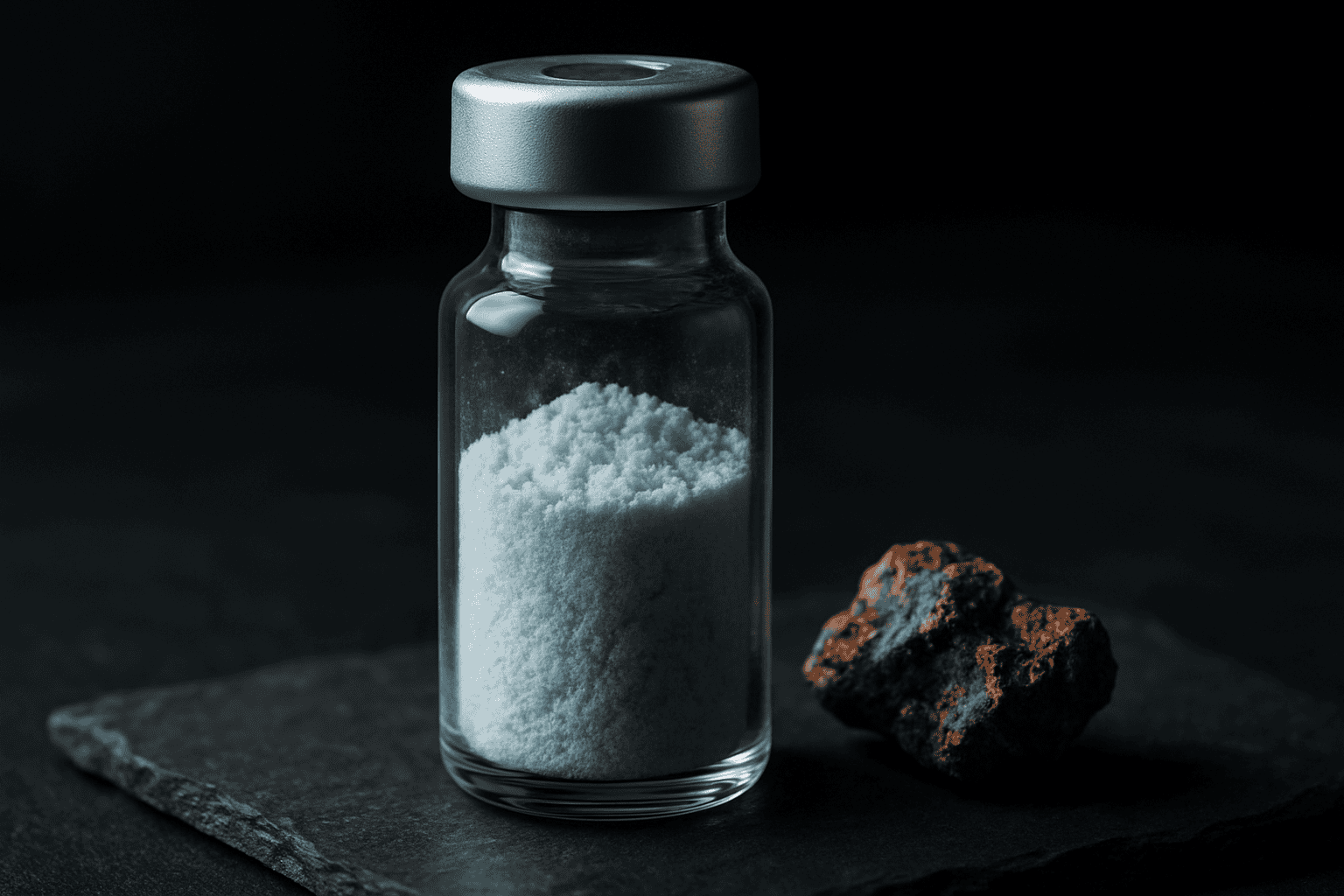
Appearance: GHK-Cu typically appears as a blue or blue-purple powder — the color comes from the copper. A white powder would suggest the copper is missing. Alpha Peptides provides batch-specific COA documentation for every GHK-Cu order.
[INTERNAL-LINK: “COA documentation” → /coas/]
Frequently Asked Questions About GHK-Cu

What does GHK-Cu stand for?
GHK stands for the three amino acids in the peptide: Glycine (G), Histidine (H), and Lysine (K). The Cu is the chemical symbol for copper. Together, GHK-Cu describes a tripeptide complexed with a copper(II) ion. It was first isolated from human blood plasma by Loren Pickart in the 1970s.
Is GHK-Cu found naturally in the body?
Yes. GHK-Cu has been identified in human blood plasma, saliva, and urine. It circulates naturally, though its concentration varies. Research reviewed by Pickart (2008) documented its presence across multiple biological fluids. The GHK-Cu used in research laboratories is produced synthetically to ensure consistent purity and quality.
Why is GHK-Cu blue?
The blue or blue-purple color of GHK-Cu powder comes from the copper ion. Copper compounds are frequently colored — copper sulfate, for example, is a bright blue. The color is actually a useful quality indicator: if your GHK-Cu powder is white, the copper may be missing or improperly complexed. Always verify with a COA.
For research use only. Not for human consumption. GHK-Cu is an experimental compound with no FDA-approved therapeutic applications. All information on this page is provided for educational purposes relating to laboratory and preclinical research.