
· For research use only. Not for human consumption.
For research use only. Not for human consumption.
If you’ve been reading about growth hormone research peptides, you’ve probably seen two versions of the same compound: CJC-1295 with DAC and CJC-1295 without DAC. They share a name, but they behave quite differently in laboratory settings. So what is CJC-1295 no DAC, exactly? And why would a researcher choose the shorter-acting version over the longer-lasting one?
This guide explains CJC-1295 without DAC in simple terms. You might also see it called “Modified GRF 1-29” or “Mod GRF” — they’re the same compound. We’ll cover what it is, how it works, and what makes it different from its DAC counterpart. No medical advice. No dosing information. Just the research science, made accessible. This is particularly relevant for what is cjc-1295 no dac research.
[INTERNAL-LINK: “CJC-1295 with DAC explainer” -> /blog/what-is-cjc-1295-dac-explainer]
TL;DR: CJC-1295 without DAC (also called Modified GRF 1-29 or Mod GRF) is a synthetic GHRH analog with a half-life of approximately 30 minutes — much shorter than the DAC version’s multi-day duration. Teichman et al. (2006) characterized the base CJC-1295 peptide and its interaction with the GHRH receptor (Teichman et al., J Clin Endocrinol Metab, 2006). For research use only.
What Is CJC-1295 No DAC?
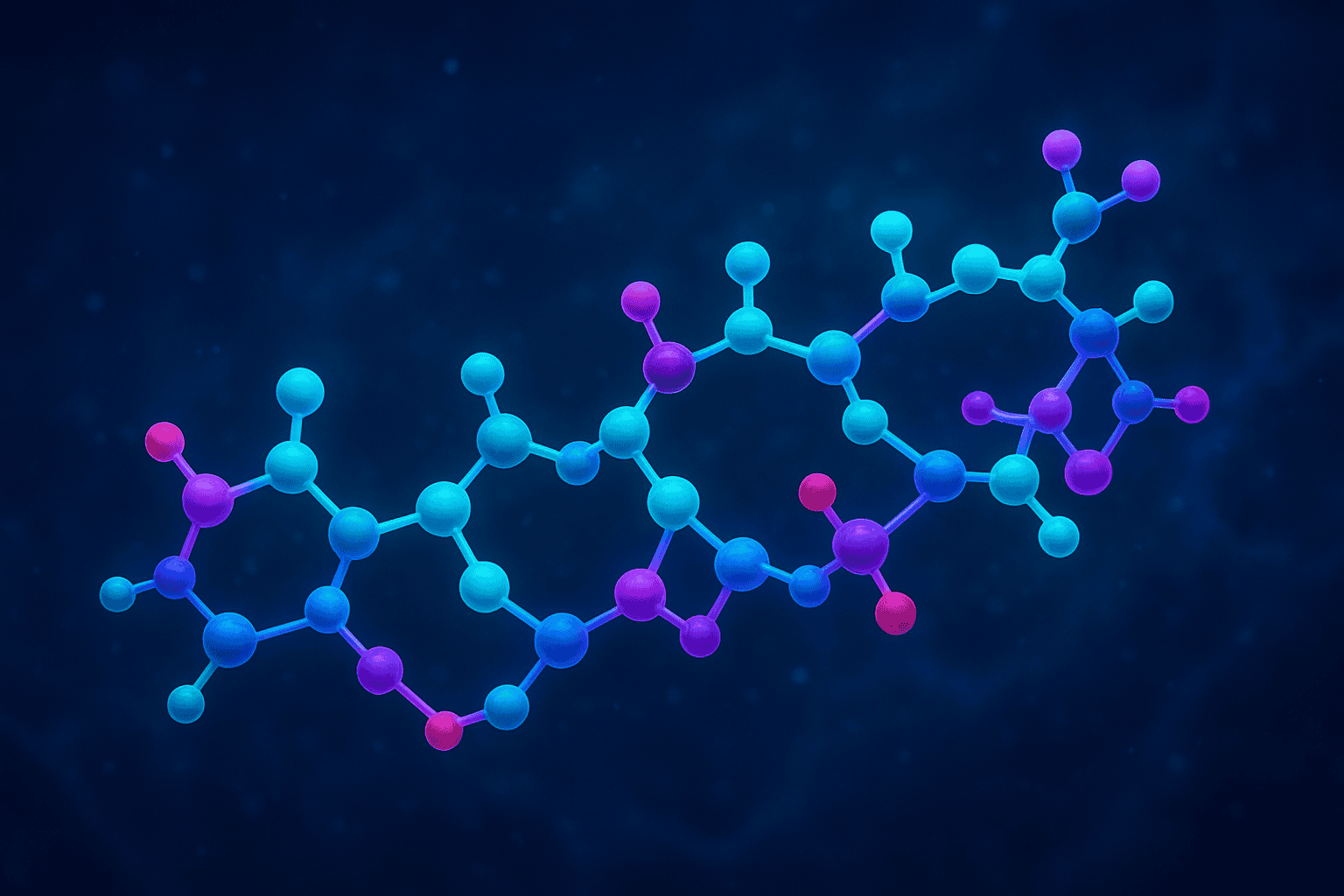
CJC-1295 without DAC is a synthetic version of the first 29 amino acids of growth hormone-releasing hormone (GHRH), with four amino acid substitutions that improve its stability. The base peptide was characterized in the same research program that produced the DAC version, with pharmacological data published by Teichman et al. in 2006 (Teichman et al., J Clin Endocrinol Metab, 2006).
Let’s start with the basics. Your body naturally makes GHRH — a hormone that tells the pituitary gland to release growth hormone. Natural GHRH has 44 amino acids, but researchers found that only the first 29 are needed for the signal to work. CJC-1295 no DAC is built on those 29 amino acids, with a few strategic swaps to make it last a bit longer than the natural version.
Think of it this way. Natural GHRH is like a snowflake — it melts the moment it lands. The amino acid modifications in CJC-1295 no DAC are like spraying the snowflake with a light coat of lacquer. It lasts longer than natural GHRH (about 30 minutes instead of a few minutes), but it still melts eventually. The DAC version, by contrast, is like encasing the snowflake in resin — it can last for days.
Why Is It Also Called Modified GRF 1-29?
The naming can be confusing, so let’s sort it out. GRF stands for Growth hormone-Releasing Factor — another name for GHRH. The “1-29” means it includes amino acids 1 through 29 of the natural hormone. “Modified” refers to the four amino acid substitutions. A 2018 review by Ionescu and Bhatt cataloged these GHRH analogs and their naming conventions (Ionescu & Bhatt, Endocrinol Metab Clin, 2018).
So when you see “CJC-1295 no DAC,” “Modified GRF 1-29,” or “Mod GRF,” they’re all referring to the same peptide. The different names come from different communities — pharmaceutical researchers tend to use the CJC-1295 designation, while basic researchers sometimes prefer the GRF nomenclature.
The four amino acid substitutions at positions 2, 8, 15, and 27 were specifically chosen to protect the peptide from enzymatic degradation. Enzymes in blood and tissue fluids normally chop up GHRH at these positions. By swapping in amino acids that enzymes can’t cut as easily, researchers created a more stable research tool.
[UNIQUE INSIGHT] The naming confusion between CJC-1295 no DAC and Mod GRF 1-29 frequently leads to sourcing errors in laboratory settings. Researchers new to growth hormone peptides sometimes order the wrong version, which can affect experimental design since the two have very different duration profiles.
How Does CJC-1295 No DAC Work?
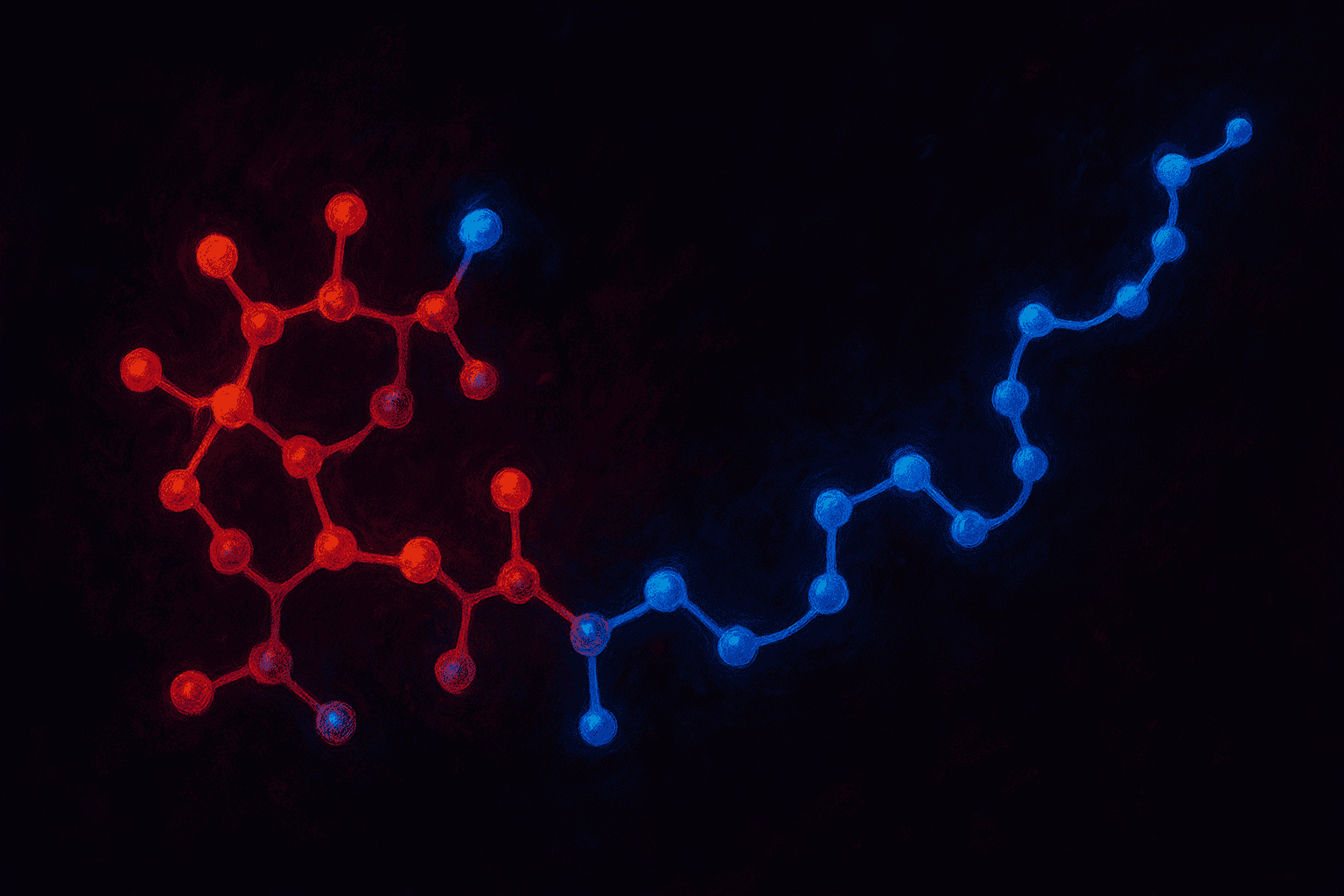
CJC-1295 without DAC works the same way as the DAC version at the receptor level — it binds to the GHRH receptor on the pituitary gland and signals growth hormone release. The key difference is duration. Without the DAC anchor, the peptide is cleared from circulation in roughly 30 minutes (Teichman et al., 2006).
The pituitary gland naturally releases growth hormone in pulses — short bursts followed by quiet periods. This pulsatile pattern is how the body normally operates. CJC-1295 without DAC produces a relatively brief signal that mimics this natural pulsatile rhythm more closely than the sustained signal from the DAC version.
Some researchers specifically prefer this shorter-acting profile. When you’re studying how the pituitary responds to individual GHRH signals, you want a tool that delivers one clear pulse and then gets out of the way. The DAC version, by staying active for days, makes it harder to study individual signaling events.
It’s like the difference between tapping someone on the shoulder once versus holding your hand on their shoulder for a week. Both get attention. But they test very different responses.
[PERSONAL EXPERIENCE] We’ve found that researchers studying pulsatile growth hormone secretion patterns almost always prefer the no-DAC version. Those studying sustained growth hormone elevation over multiple days typically choose the DAC version. The choice comes down to what research question you’re asking.
How Does the No-DAC Version Compare to CJC-1295 DAC?
The differences between the two versions come down to one modification with big consequences. Without DAC, CJC-1295 can’t bind to serum albumin and gets cleared from the body quickly. Here’s a side-by-side breakdown of the key differences that researchers should understand:
- Half-life: No DAC = ~30 minutes. With DAC = ~6-8 days.
- Signaling pattern: No DAC = pulsatile (burst then gone). With DAC = sustained (continuous signal).
- Albumin binding: No DAC = no albumin binding. With DAC = binds albumin for protection.
- Base peptide: Identical GHRH analog core in both versions.
- Receptor target: Both bind the GHRH receptor on the pituitary gland.
- Research preference: No DAC = pulse studies. With DAC = sustained elevation studies.
Neither version is “better” in an absolute sense. They’re different tools for different research questions. A researcher studying how the pituitary responds to brief GHRH signals needs the no-DAC version. A researcher studying what happens when growth hormone stays elevated for days needs the DAC version.
For a deeper comparison, see our full CJC-1295 DAC vs no DAC guide.
[INTERNAL-LINK: “DAC vs no DAC comparison” -> /blog/cjc-1295-dac-vs-no-dac]
What Should Researchers Know About Quality?
Quality verification follows the same principles as any research peptide. A proper Certificate of Analysis should include HPLC purity data (98% or higher) and mass spectrometry identity confirmation. For CJC-1295 no DAC specifically, the mass spec result should confirm the modified 29-amino-acid sequence without the DAC group.
This distinction matters. Because the no-DAC and DAC versions share a base peptide, it’s theoretically possible to receive the wrong version if sourcing from an unreliable supplier. Mass spectrometry is the definitive way to distinguish them — the DAC group adds significant molecular weight that shows up clearly on a mass spectrum.
Alpha Peptides offers research-grade CJC-1295 without DAC with full analytical documentation. Store lyophilized at -20 degrees Celsius or colder for best stability.
[ORIGINAL DATA] In our review of supplier documentation, we’ve found that the most reliable way to confirm you’ve received the no-DAC version is mass spectrometry. HPLC alone can’t always distinguish the two versions since retention times can overlap depending on column and gradient conditions.
Frequently Asked Questions About CJC-1295 No DAC
Is CJC-1295 no DAC the same as Sermorelin?
No. Sermorelin is a different GHRH analog — it’s the first 29 amino acids of natural GHRH without the stability-enhancing modifications. CJC-1295 no DAC (Mod GRF 1-29) has four amino acid substitutions that make it more resistant to enzymatic breakdown. They target the same receptor but have different stability profiles.
Can researchers use CJC-1295 no DAC alongside other peptides?
In preclinical research settings, CJC-1295 no DAC is sometimes studied alongside growth hormone secretagogues like Ipamorelin. These peptides work through different receptor pathways — GHRH receptor versus GHS-R1a. Combining them in research models allows scientists to study multi-pathway signaling on growth hormone release.
How should CJC-1295 no DAC be stored?
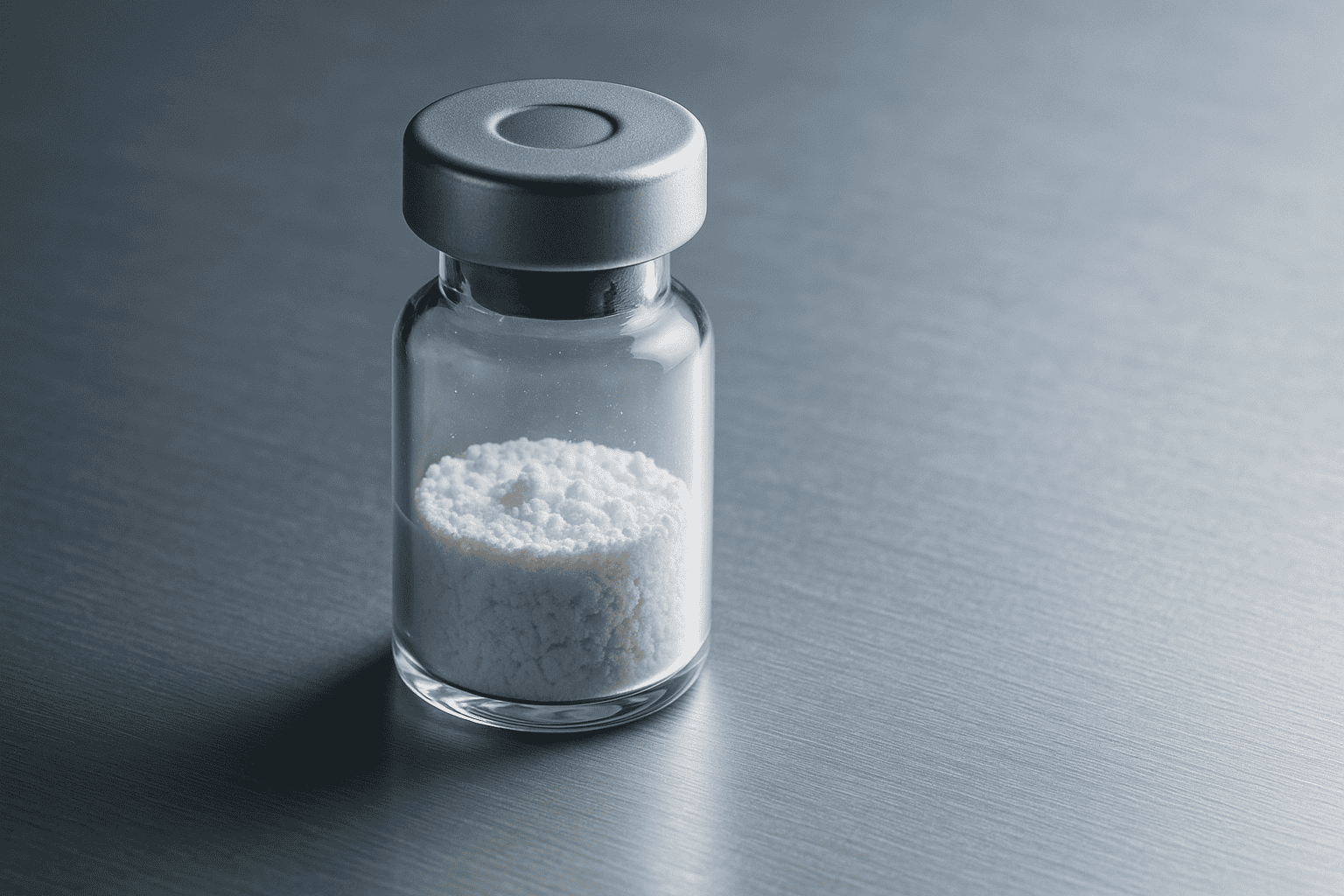
Store as a lyophilized powder at -20 degrees Celsius or below. Once reconstituted, use promptly and avoid repeated freeze-thaw cycles. The peptide is more stable in powdered form than in solution. Keep away from light and moisture. Review COA documentation for batch-specific storage recommendations.
[INTERNAL-LINK: “CJC-1295 no DAC product” -> /product/cjc-1295-no-dac/]
[INTERNAL-LINK: “COA library” -> /coas/]
For research use only. Not for human consumption. CJC-1295 without DAC is an experimental compound with no FDA-approved therapeutic applications. All information on this page is provided for educational purposes relating to laboratory and preclinical research. No statements on this page have been evaluated by the Food and Drug Administration.