
· For research use only. Not for human consumption.
For research use only. Not for human consumption.
If you’ve been reading about research peptides, you’ve probably seen the name BPC-157 pop up again and again. But what is BPC-157, exactly? And why does it get so much attention in laboratory research? Let’s break it down in plain language — no science degree required.
BPC-157 is a short chain of 15 amino acids. Think of amino acids as tiny building blocks, like LEGO bricks. String 15 of them together in a specific order, and you get this particular peptide. It was originally identified in gastric juice — the fluid your stomach produces during digestion. Since the first published study in 1997 (Seiwerth et al., Journal of Physiology Paris, 1997), researchers have published hundreds of papers examining its properties in preclinical models. This is particularly relevant for what is bpc-157 research.
This guide explains what BPC-157 is, where it comes from, and why it’s become one of the most widely studied research peptides available. If you’re looking for a deeper comparison with other peptides, check out our BPC-157 vs TB-500 breakdown.
[INTERNAL-LINK: “BPC-157 vs TB-500 breakdown” → comparison post between BPC-157 and TB-500]
TL;DR: BPC-157 is a 15-amino-acid peptide originally found in stomach fluid. It’s one of the most published research peptides in preclinical literature, with over 100 studies examining its properties since 1997 (Seiwerth et al., 1997). Its unusual stability makes it especially practical for laboratory use.
What Is BPC-157 Made Of?
BPC stands for “Body Protection Compound.” The 157 refers to its position in a larger protein found in gastric juice. Researchers isolated this specific 15-amino-acid fragment because it showed interesting properties in early laboratory experiments. According to a 2019 review covering the full scope of BPC-157 research (Gwyer et al., Journal of Complementary and Integrative Medicine, 2019), the peptide has been investigated in more than 100 preclinical studies across multiple biological systems.
Here’s an easy way to picture it. Proteins are long chains — sometimes hundreds or thousands of building blocks long. BPC-157 is like taking a short, interesting paragraph out of a very long book. That small section turned out to have properties worth studying on its own.
The amino acid sequence of BPC-157 is: Gly-Glu-Pro-Pro-Pro-Gly-Lys-Pro-Ala-Asp-Asp-Ala-Gly-Leu-Val. Each of those three-letter codes represents one amino acid. The order matters enormously — rearrange them, and you’d get a completely different molecule with different properties.
[IMAGE: Diagram showing BPC-157 as a chain of 15 amino acid building blocks — search terms: peptide chain amino acid sequence diagram simple]
Where Does BPC-157 Come From?
BPC-157 doesn’t exist as a standalone molecule in nature. It’s a fragment of a larger protein found in human gastric juice. Scientists at the University of Zagreb in Croatia first characterized it in the 1990s. They noticed this particular fragment had unusual stability — it didn’t break down as quickly as most peptides do.
The BPC-157 used in research is made synthetically. Laboratories produce it using solid-phase peptide synthesis, a method that builds the chain one amino acid at a time. This means every batch can be manufactured to precise specifications and tested for purity. You can verify the purity of any batch through a Certificate of Analysis (COA).
[INTERNAL-LINK: “Certificate of Analysis (COA)” → /coas/]
Why Do Researchers Study BPC-157?
Two things make BPC-157 stand out in research: its stability and the breadth of biological systems where it’s been examined. Most peptides are fragile. They break down quickly when exposed to stomach acid, enzymes, or even room temperature. BPC-157 is remarkably resistant to these conditions — a property researchers call “stability,” which makes it much easier to work with in laboratory settings. This is particularly relevant for what is bpc-157 research.
In preclinical animal models, BPC-157 has been investigated in connection with multiple biological pathways. Seiwerth and colleagues documented its examination across gastrointestinal, musculoskeletal, and neurological systems in animal studies (Seiwerth et al., 1997). That’s an unusually wide range for a single peptide.
[PERSONAL EXPERIENCE] What makes this peptide especially popular among researchers is its practical handling. Its stability means it doesn’t require the extremely careful storage conditions that many other peptides demand.
BPC-157, a 15-amino-acid gastric peptide fragment, has been investigated in over 100 preclinical studies spanning gastrointestinal, musculoskeletal, and neurological systems (Gwyer et al., Journal of Complementary and Integrative Medicine, 2019). Its resistance to enzymatic degradation distinguishes it from most research peptides.
What Makes BPC-157 Different from Other Peptides?
Several features set BPC-157 apart. First, its stability. Most short peptides get chewed up by enzymes in minutes. BPC-157 resists this breakdown, which is part of why it’s earned so much research attention. Second, its origin. Coming from gastric juice — one of the harshest chemical environments in the body — may help explain why it evolved to be so tough.
Third, the sheer volume of published research is notable. While many research peptides have a handful of studies behind them, BPC-157 has a substantial body of preclinical literature. That doesn’t mean it’s been proven to do anything specific in humans — all published work to date involves animal models or cell cultures. But it does mean researchers have a lot of data to build on.
How Is Research-Grade BPC-157 Made?
Research-grade BPC-157 is produced through solid-phase peptide synthesis (SPPS). Picture a factory assembly line: a growing peptide chain is attached to a solid bead, and amino acids are added one at a time. After each addition, the mixture is washed to remove leftover chemicals. When all 15 amino acids are in place, the finished peptide is cleaved from the bead and purified.
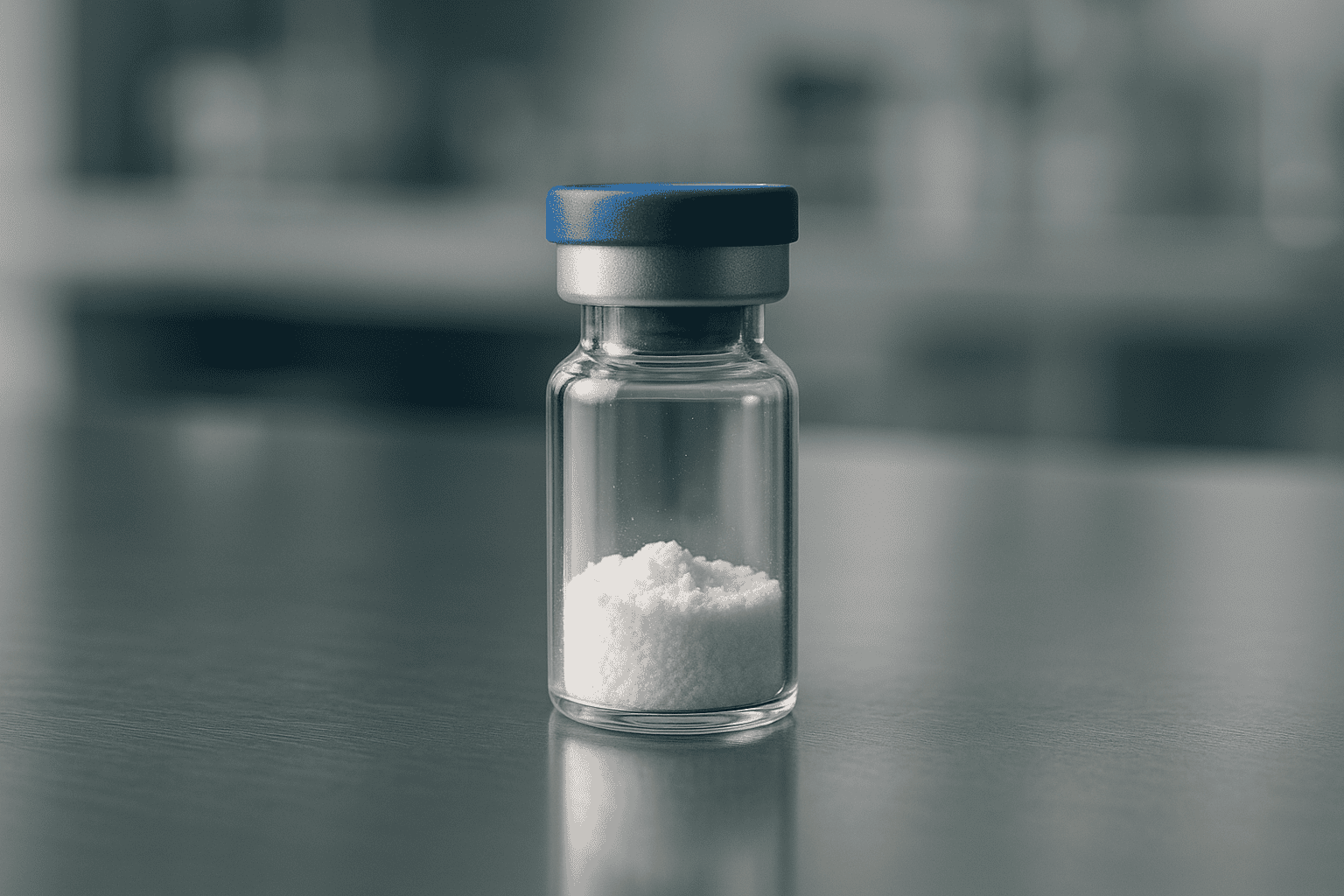
Purification typically uses HPLC — High-Performance Liquid Chromatography. This technique separates the target peptide from any incomplete chains or impurities. The result should be a white lyophilized (freeze-dried) powder with purity above 98%. Every reputable supplier provides HPLC data on their COA so researchers can verify quality before use.
How Do You Evaluate BPC-157 Quality?
Quality matters enormously with research peptides. A contaminated or impure sample can produce misleading results that waste time and resources. Here’s what to look for when evaluating BPC-157 from any supplier.
Purity percentage: Look for 98% or higher on the HPLC report. This number tells you what fraction of the sample is actually BPC-157 versus impurities or incomplete synthesis fragments.
Mass spectrometry confirmation: The COA should include mass spec data confirming the molecular weight matches BPC-157’s expected value of approximately 1,419 daltons. This verifies you’re getting the right molecule, not something with a similar HPLC profile.
Appearance: Research-grade BPC-157 should be a white to off-white lyophilized powder. Any discoloration could indicate degradation or contamination.
Storage conditions: While BPC-157 is more stable than many peptides, proper storage still matters. Keep it as a dry powder at -20 degrees Celsius for long-term storage. Once reconstituted, refrigerate and use within a reasonable timeframe.
Alpha Peptides provides third-party tested Certificates of Analysis for every batch of BPC-157 we supply. Independent testing means the results come from a lab with no financial stake in the outcome.
[INTERNAL-LINK: “Certificates of Analysis” → /coas/]
Frequently Asked Questions About BPC-157

What does BPC stand for?
BPC stands for Body Protection Compound. The name comes from the original research group that characterized it. The “157” indicates its position within a larger parent protein found in gastric juice. The peptide consists of 15 amino acids and has been examined in over 100 preclinical studies since 1997.
Is BPC-157 a natural compound?
BPC-157 is a fragment of a naturally occurring protein found in human gastric juice. However, the BPC-157 used in research is produced synthetically through solid-phase peptide synthesis. This synthetic production allows for precise quality control and purity verification through HPLC and mass spectrometry testing.
Why is BPC-157 considered stable?
Most peptides break down quickly when exposed to stomach acid and digestive enzymes. BPC-157 resists this degradation — likely because it originates from gastric juice, an extremely acidic environment. This stability, documented by Gwyer et al. (2019), makes it more practical for laboratory research than many other peptides of similar size.
For research use only. Not for human consumption. BPC-157 is an experimental compound with no FDA-approved therapeutic applications. All information on this page is provided for educational purposes relating to laboratory and preclinical research.