
· For research use only. Not for human consumption.
For research use only. Not for human consumption.
If you’re researching what is bacteriostatic water, you’re in the right place. If you’re working with research peptides, you’ll encounter bacteriostatic water almost immediately. It’s one of those supplies that seems simple — it’s just water, right? — but understanding what it is and why it matters can save you from ruining an experiment before it even starts.
Bacteriostatic water is sterile water with a small amount of benzyl alcohol added. That benzyl alcohol — typically 0.9% — prevents bacteria from growing in the water after you open the vial. The name itself gives you a clue: “bacteriostatic” literally means “bacteria-stopping.” It doesn’t kill bacteria that are already there. It stops new ones from growing. This is particularly relevant for what is bacteriostatic water research.
This article explains what bacteriostatic water is, why researchers use it, and why you can’t just substitute regular water. Simple answers to a question that matters more than most people realize.
[INTERNAL-LINK: “research peptides” → /shop/]
TL;DR: Bacteriostatic water is sterile water containing 0.9% benzyl alcohol, which inhibits bacterial growth. It’s used in research labs to reconstitute (dissolve) lyophilized (freeze-dried) peptides. Unlike sterile water, it can be used multiple times from the same vial because the benzyl alcohol continues to prevent contamination. For research use only.
What Is Bacteriostatic Water Made Of?
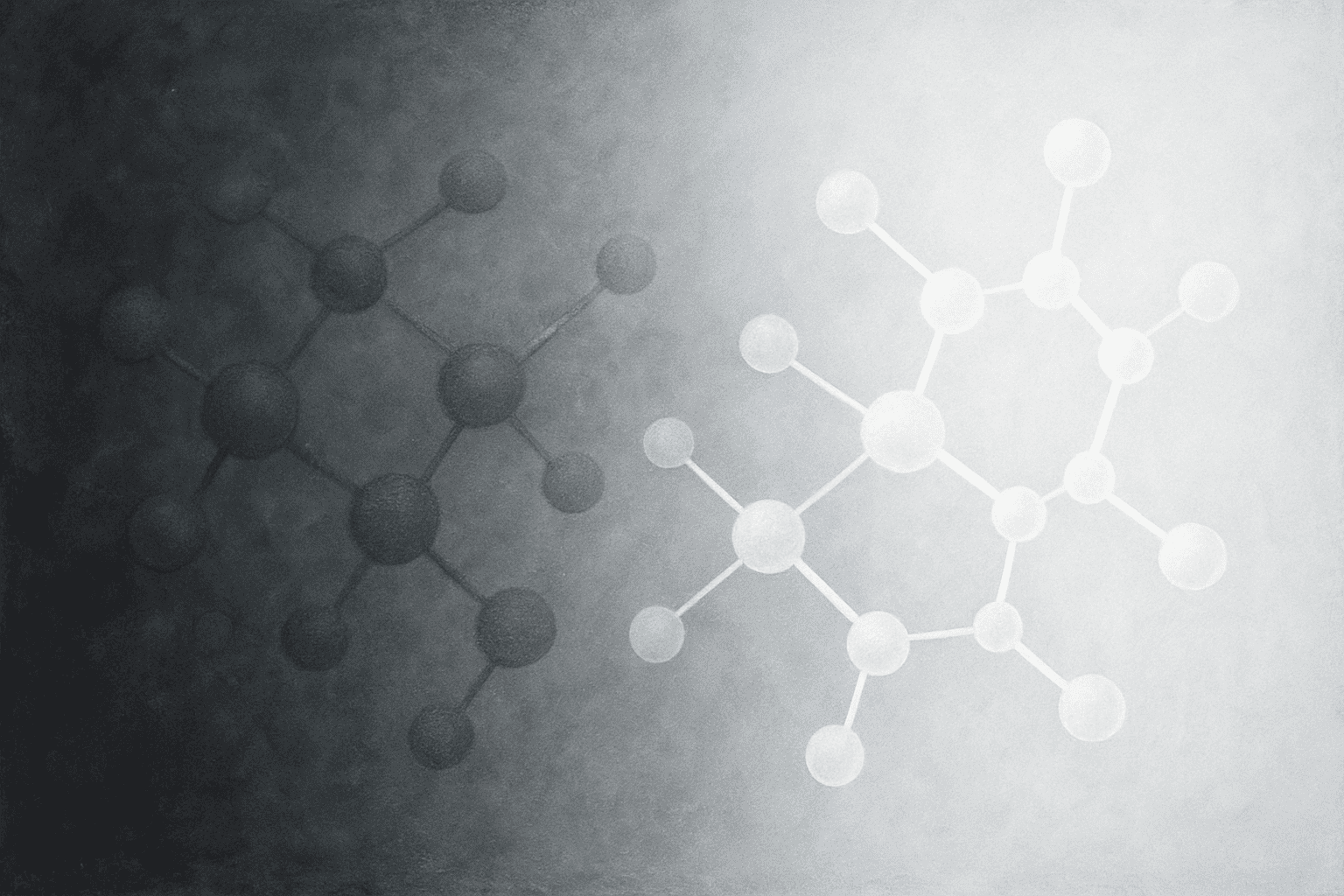
Bacteriostatic water has exactly two ingredients: purified sterile water and benzyl alcohol at a concentration of 0.9%. That’s it. The water itself starts as USP-grade sterile water — water that meets strict pharmaceutical purity standards set by the United States Pharmacopeia. Then benzyl alcohol is added as a preservative.
Benzyl alcohol is a mild antimicrobial agent. It’s found naturally in some fruits and teas. At 0.9% concentration, it creates an environment where bacteria can’t reproduce. They might land in the water, but they can’t multiply. Over time, the bacterial population stays low instead of growing into a contamination problem.
This is different from sterilization. Sterilization kills everything. Bacteriostatic agents stop growth. That distinction matters in a lab setting because it means the water stays usable over multiple entries — you can puncture the vial’s rubber stopper with a needle several times, and the benzyl alcohol keeps protecting the remaining water from bacterial contamination each time.
Why Do Researchers Use Bacteriostatic Water for Peptides?
Research peptides are typically shipped as lyophilized powder — freeze-dried material that needs to be dissolved in a liquid before it can be used in experiments. This dissolving process is called reconstitution. Bacteriostatic water is the most commonly used solvent for peptide reconstitution in laboratory settings.
Why not just use regular water? Three reasons.
Contamination prevention. Once you dissolve a peptide, you have a liquid solution that bacteria would love to grow in. Peptides contain amino acids — essentially food for microorganisms. Without a preservative, bacteria can colonize the solution within hours, especially at room temperature. The 0.9% benzyl alcohol in bacteriostatic water keeps that from happening.
Multi-use capability. Researchers rarely use an entire vial of reconstituted peptide in one experiment. They draw small amounts over days or weeks. Each time they puncture the stopper, there’s a chance of introducing bacteria. Bacteriostatic water’s preservative provides ongoing protection between uses.
Purity baseline. Tap water, bottled water, and even distilled water can contain dissolved minerals, organic compounds, or microorganisms that interfere with research results. Bacteriostatic water starts with USP-grade sterile water — a controlled baseline that won’t introduce unknown variables into your experiment.
[PERSONAL EXPERIENCE] We’ve seen researchers lose valuable peptide material to contamination when they try to cut corners with water quality. The cost of bacteriostatic water is trivial compared to the cost of repeating an experiment because a contaminated solution gave unreliable results.
[IMAGE: Research lab bench showing a vial of bacteriostatic water next to a lyophilized peptide vial and a syringe — search terms: bacteriostatic water vial peptide reconstitution lab bench research]
What Is the Difference Between Bacteriostatic Water and Sterile Water?
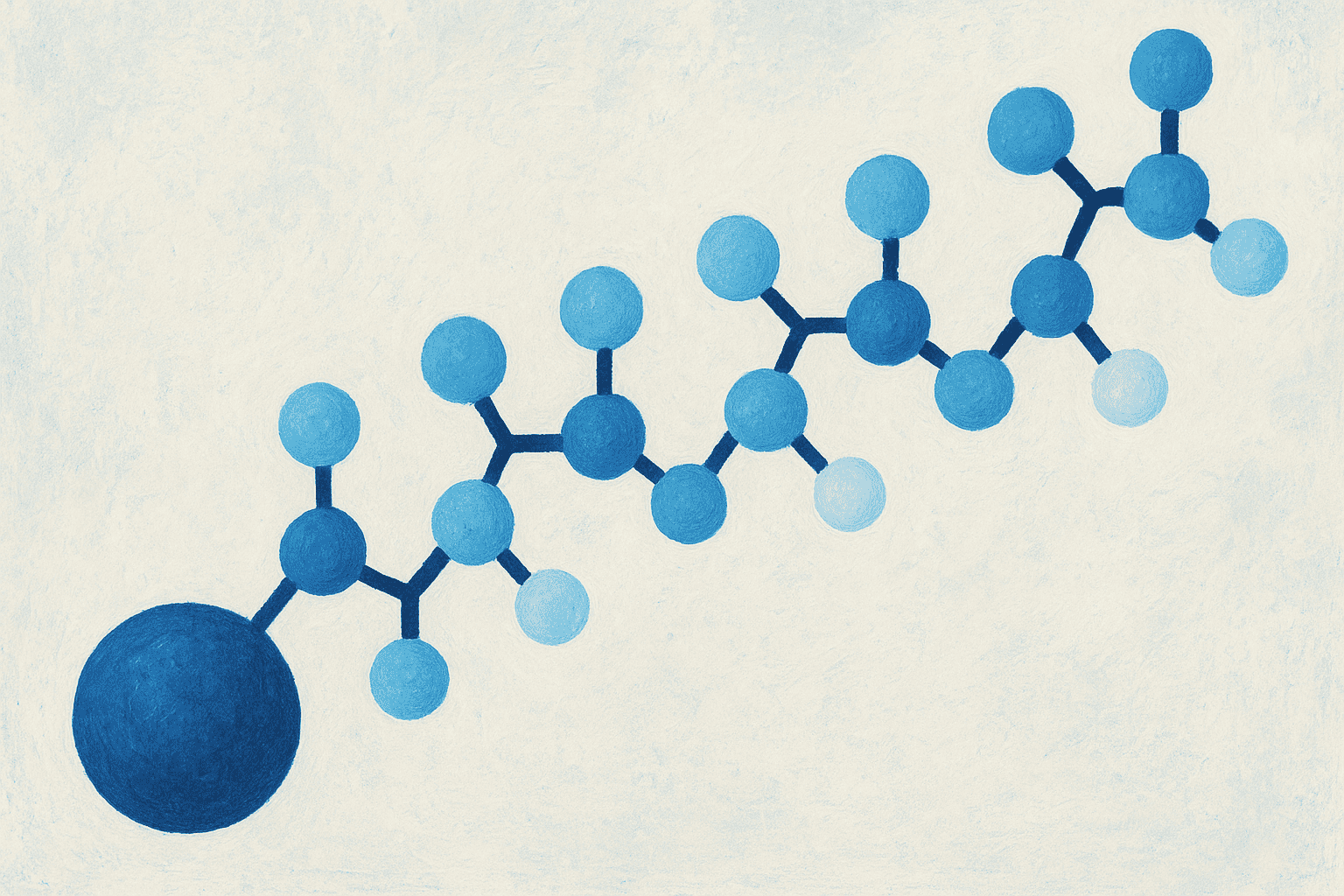
This is one of the most common questions in peptide research, and getting it wrong can compromise an entire experiment. The difference comes down to one ingredient: benzyl alcohol.
Sterile water is pure water with nothing else added. It’s been sterilized (typically by autoclaving or filtration) to remove all microorganisms. But once you open it, it has no protection against new contamination. Use it once, then discard it.
Bacteriostatic water is sterile water plus 0.9% benzyl alcohol. The benzyl alcohol provides ongoing antimicrobial protection. You can use the same vial multiple times over up to 28 days (per standard pharmaceutical handling guidelines).
Here’s a simple analogy. Sterile water is like a clean room with the door open — it’s clean right now, but anything can walk in. Bacteriostatic water is like a clean room with a guard at the door — even if something tries to get in, it gets stopped.
For peptide reconstitution where you’ll draw from the vial multiple times, bacteriostatic water is the standard choice. For single-use applications where you’ll use the entire volume immediately, sterile water can work. But if there’s any chance you’ll return to the vial later, bacteriostatic water is the safer option.
[UNIQUE INSIGHT] The 28-day use window for bacteriostatic water isn’t arbitrary — it’s based on pharmaceutical handling standards that balance bacterial inhibition effectiveness against the practical limits of repeated vial punctures. After 28 days and multiple needle punctures, the stopper integrity and preservative concentration may no longer provide reliable protection.
Why Is Hospira Bacteriostatic Water a Trusted Choice?
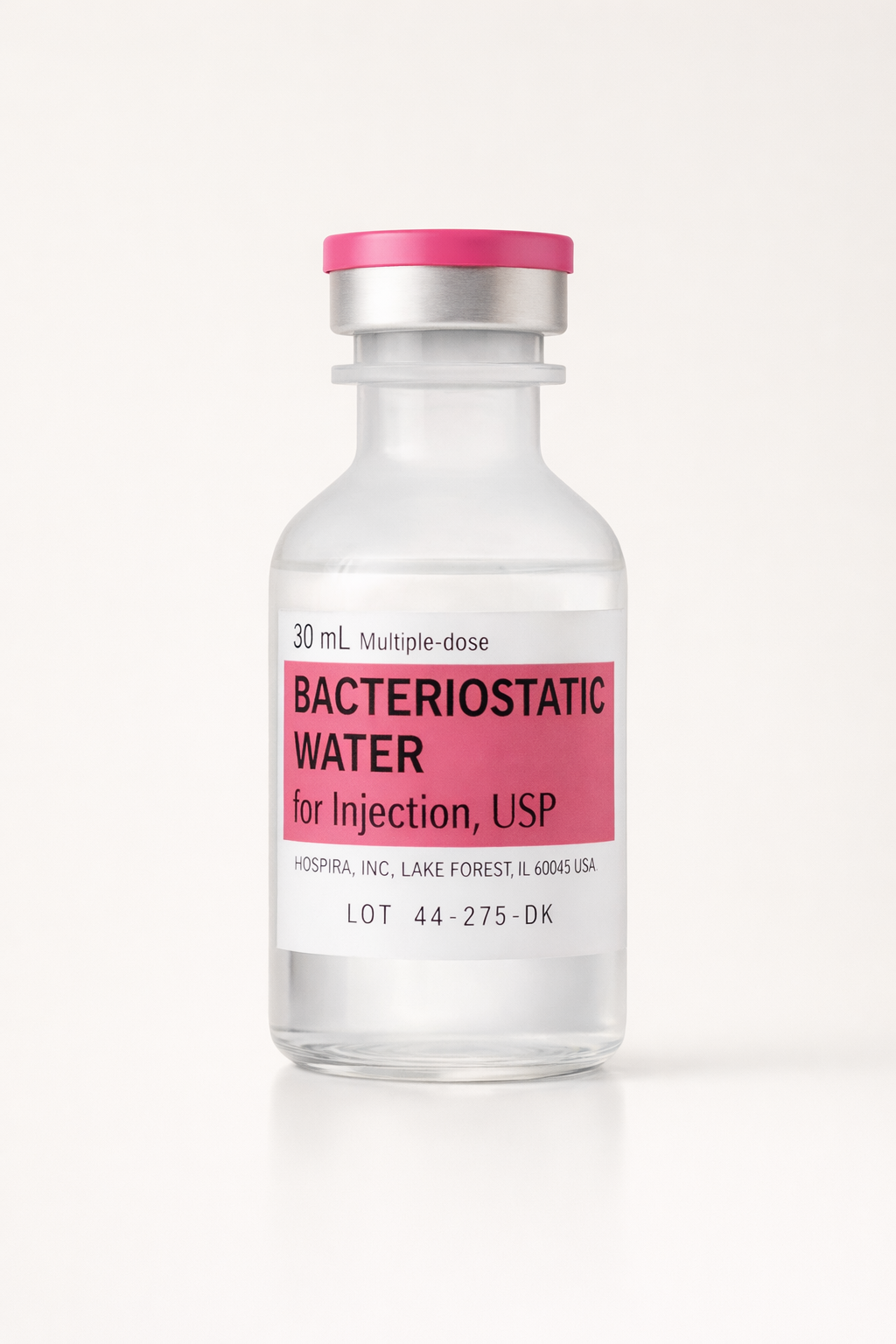
Hospira is a pharmaceutical manufacturer — now part of Pfizer — that produces bacteriostatic water under strict pharmaceutical manufacturing standards (Current Good Manufacturing Practices, or cGMP). When researchers choose Hospira bacteriostatic water, they’re getting a product made in facilities that meet FDA manufacturing requirements.
Why does the manufacturer matter? Because not all bacteriostatic water is created equal. A pharmaceutical manufacturer like Hospira controls for particulate contamination, endotoxin levels, benzyl alcohol concentration accuracy, and sterility throughout the production process. These controls are documented and auditable.
For research applications, using pharmaceutical-grade bacteriostatic water eliminates one more variable from your experimental setup. You know the water meets defined standards. You know the benzyl alcohol concentration is accurate. You know the sterility was verified. That’s one fewer thing that can go wrong.
[INTERNAL-LINK: “Hospira bacteriostatic water” → /product/hospira-bacteriostatic-water-bac/]
How Should Bacteriostatic Water Be Stored?
Proper storage is straightforward but important. Bacteriostatic water should be stored at controlled room temperature — between 20-25 degrees Celsius (68-77 degrees Fahrenheit). Keep it away from direct sunlight and heat sources.
Once you puncture the vial’s rubber stopper for the first time, the clock starts. Standard handling guidelines recommend using the vial within 28 days of first puncture. After that, the combination of repeated stopper punctures and time may reduce the preservative’s effectiveness.
Don’t freeze bacteriostatic water. Freezing can affect the benzyl alcohol concentration and the solution’s properties. If your lab runs cold, a drawer or cabinet at room temperature works fine.
Frequently Asked Questions About Bacteriostatic Water
Can I use tap water instead of bacteriostatic water?
No. Tap water contains dissolved minerals, chlorine, organic compounds, and potentially bacteria — all of which can interfere with research results, degrade peptides, or introduce contamination. Bacteriostatic water provides a pure, sterile, preservative-protected baseline that tap water simply cannot match.
How long does bacteriostatic water last after opening?
Standard handling guidelines recommend using bacteriostatic water within 28 days of first puncturing the vial. The 0.9% benzyl alcohol provides ongoing bacterial growth inhibition during that period, but after 28 days and multiple needle entries, both stopper integrity and preservative effectiveness may be reduced.
Where can researchers buy bacteriostatic water?
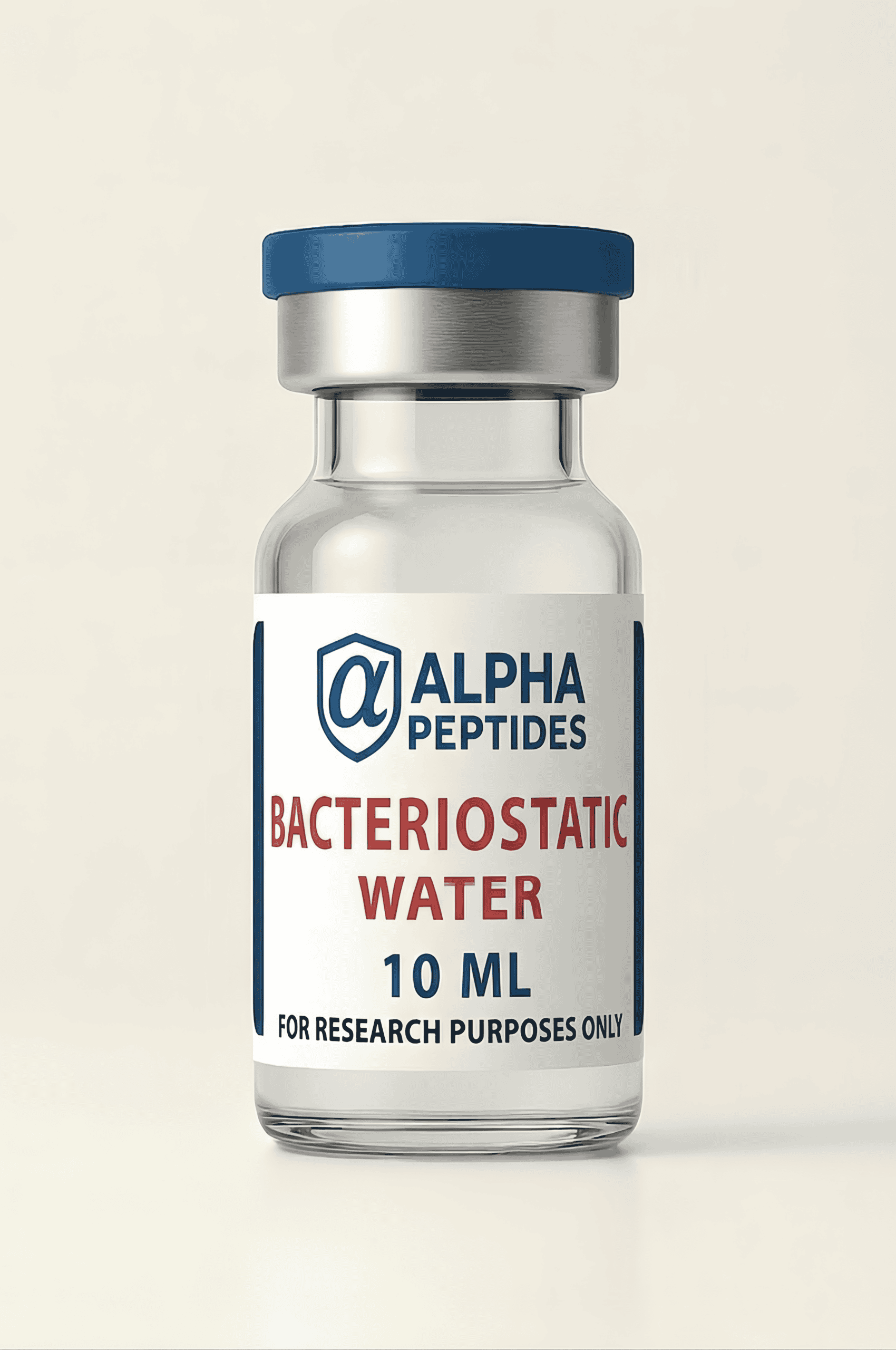
Alpha Peptides carries Hospira bacteriostatic water — pharmaceutical-grade, cGMP-manufactured, with verified benzyl alcohol concentration. Visit our shop to see all available research supplies. For research use only.
For research use only. Not for human consumption. Bacteriostatic water is a laboratory supply used for research peptide reconstitution. All information on this page is provided for educational purposes relating to laboratory research practices.
[INTERNAL-LINK: “Bacteriostatic water” → /product/hospira-bacteriostatic-water-bac/]
[INTERNAL-LINK: “research supplies” → /shop/]