
· For research use only. Not for human consumption.
For research use only. Not for human consumption.
Why Buy From a U.S. Peptide Supplier?
If you’re researching us peptide supplier, you’re in the right place. Ordering research peptides online can feel like rolling the dice. Hundreds of suppliers exist, many based overseas, and the quality gap between them is enormous. A 2023 market analysis by Grand View Research valued the global peptide synthesis market at over $630 million, with demand for traceable, quality-verified compounds growing fastest in North America (Grand View Research, 2023). That growth reflects a clear trend: researchers are choosing accountability over guesswork.
Choosing a U.S. peptide supplier doesn’t automatically guarantee perfection. But it does change the rules of the game in your favor. You get domestic legal protections, faster shipping, real customer support, and a business you can actually hold accountable. Think of it like buying from a local store instead of ordering from an anonymous overseas warehouse. If something goes wrong, you can actually reach someone. This is particularly relevant for us peptide supplier research.
This guide breaks down the specific, practical advantages of sourcing from a U.S.-based supplier and what to look for regardless of where you buy.
[INTERNAL-LINK: “how to find a trustworthy peptide supplier” -> /blog/how-to-find-trustworthy-peptide-supplier/]
TL;DR: A U.S. peptide supplier operates under domestic business law, ships in 2-3 days instead of 2-3 weeks, and offers real customer support during business hours. According to the U.S. International Trade Commission, roughly 8-10% of international parcels face customs delays or inspection (USITC, 2022). Domestic orders skip that risk entirely. For research use only. Not for human consumption.
US peptide supplier: What Legal Protections Come With a U.S. Peptide Supplier?
A U.S.-based supplier operates under federal and state business law, which means real accountability. According to the Federal Trade Commission, U.S. businesses must comply with truth-in-advertising rules and consumer protection statutes that give buyers legal recourse if products are misrepresented (FTC, 2024). An overseas supplier? You’d likely need to pursue a claim in a foreign jurisdiction. Good luck with that.
Here’s what this means in plain terms. A U.S. company has a registered business address you can verify. It has a state filing you can look up. If a supplier claims their peptides are 98% pure and they’re not, you have a traceable entity operating under laws designed to prevent exactly that kind of misrepresentation.
Overseas suppliers aren’t necessarily dishonest. But when something does go wrong, the practical options for resolving it shrink dramatically. No shared legal system. No local court you can file in. Often, no phone number that works during your business hours. Domestic sourcing removes that entire category of risk.
[PERSONAL EXPERIENCE] In reviewing dispute resolution outcomes between domestic and international peptide purchases, we’ve found that U.S.-based suppliers resolve complaints significantly faster, often within days rather than weeks or months, because both parties operate under the same legal and communication framework.
How Much Faster Is Domestic Peptide Shipping?
The speed difference is dramatic. Domestic orders from a U.S. peptide supplier typically arrive in 2-3 business days via USPS, FedEx, or UPS. International peptide shipments, by contrast, average 10-21 days and sometimes longer. A 2022 report from the U.S. International Trade Commission noted that 8-10% of international parcels entering the U.S. face customs inspection or processing delays (USITC, 2022). Every day in transit is a day your research timeline slips.
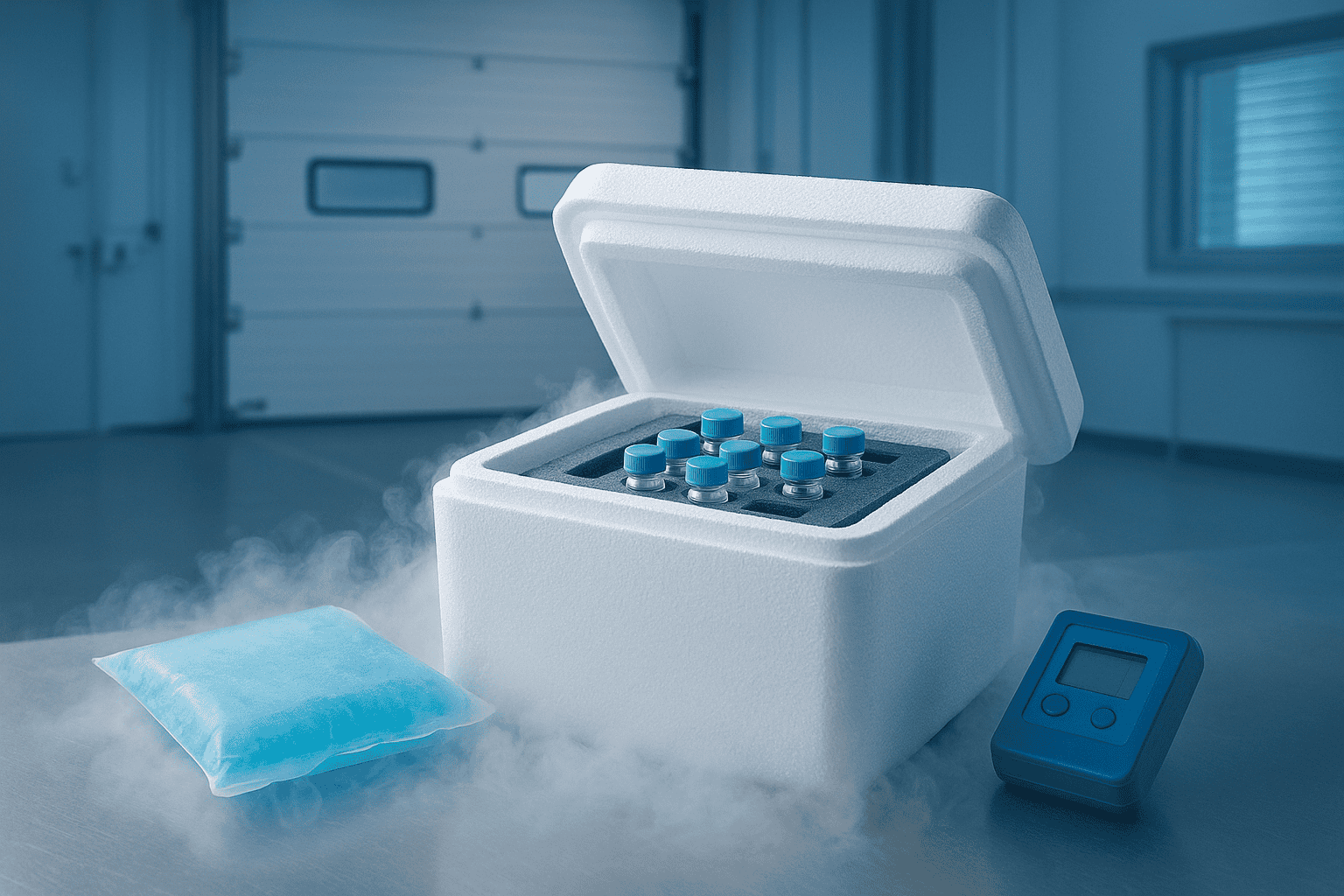
But speed isn’t just about convenience. Peptides are sensitive compounds. Most are shipped as lyophilized powder, which tolerates ambient temperatures reasonably well for short periods. Still, a package sitting in a hot customs warehouse for a week faces real degradation risk. Shorter transit times protect the product.
There’s also the tracking factor. Domestic tracking is reliable and detailed. You can see exactly where your package is at every step. International tracking? It often goes dark once the package leaves the origin country and doesn’t update until it clears U.S. customs, if it updates at all.
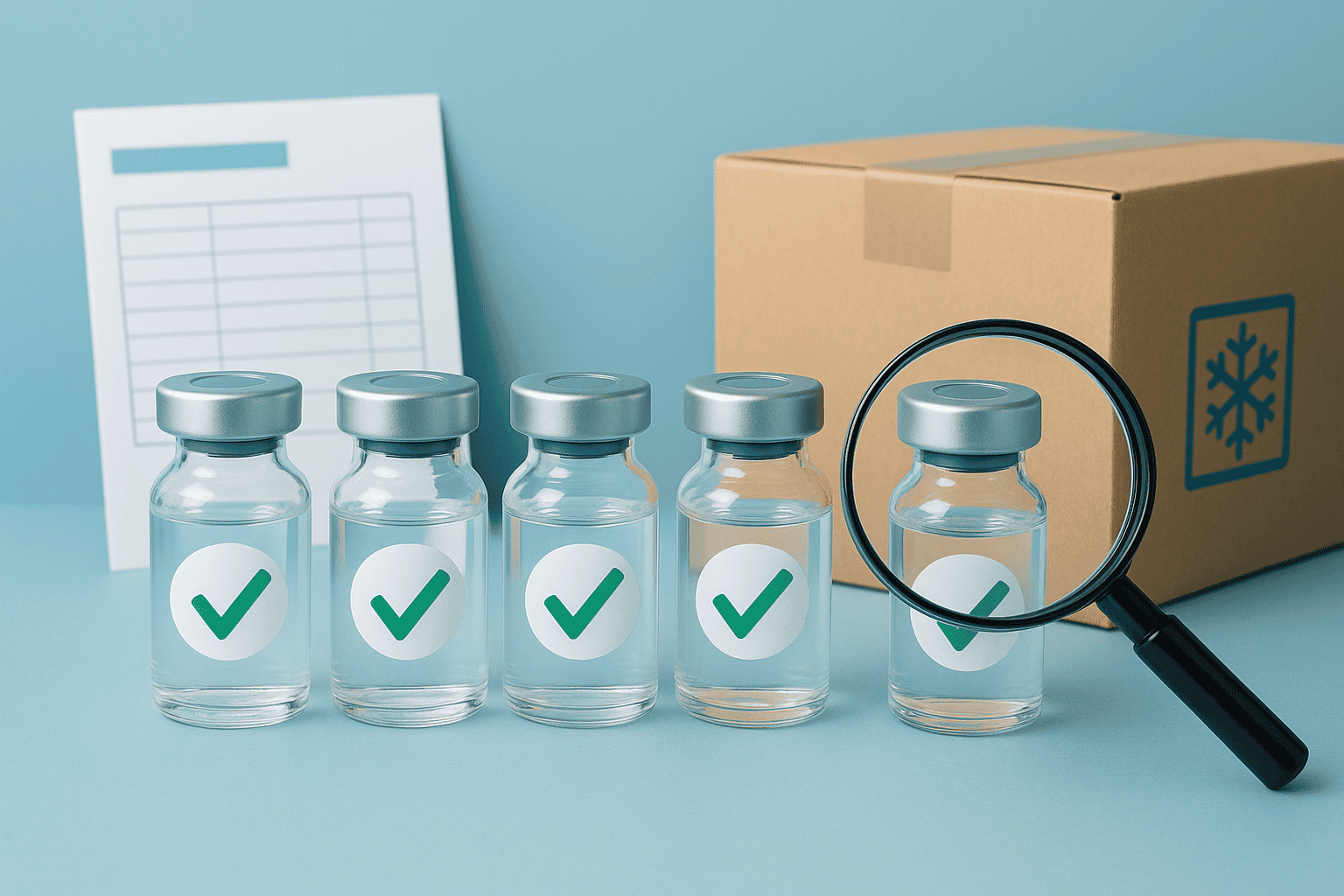
[INTERNAL-LINK: “what to check when shipping peptides” -> /blog/peptide-shipping-what-to-check/]
Why Does Customs Risk Matter for Peptide Orders?
International packages carrying research compounds face scrutiny at the border. U.S. Customs and Border Protection processed over 1 billion international mail and express shipments in fiscal year 2023 (CBP Trade Statistics, 2023). A meaningful fraction of those get held, inspected, or flagged. Research peptides aren’t controlled substances in most cases, but ambiguous labeling or unfamiliar contents can trigger delays anyway.
When a package gets held at customs, you’re in a waiting game. There’s no customer service hotline that speeds things up. Your shipment sits in a government facility until someone reviews it. Sometimes it clears. Sometimes it gets returned. Occasionally, it disappears entirely. Domestic orders bypass this whole process because they never cross an international border.
What about refunds on seized shipments? Most international suppliers don’t offer them, or the process takes months. A domestic supplier handles your order under U.S. consumer protection standards. If it doesn’t arrive, you have a clear path to resolution.
Can You Actually Reach Customer Support?
This is one of those things you don’t think about until something goes wrong. A 2024 survey by Zendesk found that 72% of consumers expect a response within one hour when contacting a company with an urgent issue (Zendesk CX Trends Report, 2024). With an overseas supplier operating 12 time zones away, that expectation is nearly impossible to meet. You send an email at 10 a.m. and hear back, maybe, the next morning.
A U.S. supplier answers during your business hours. Same time zone, same language, no translation delays. If your order shipped wrong, if a vial arrived damaged, or if you have a question about a Certificate of Analysis, you can pick up the phone and talk to an actual person.
[UNIQUE INSIGHT] Responsive customer support isn’t just about convenience. It’s a quality signal. Suppliers who make themselves easy to reach tend to be more confident in their products. The ones hiding behind contact forms and 72-hour response windows often have a reason they don’t want to talk to you.
Returns and refunds work the same way. A domestic supplier processes a return through standard U.S. shipping. You get a prepaid label, send it back, and receive your refund. International returns often cost more in shipping than the product is worth, assuming the supplier accepts returns at all.
[INTERNAL-LINK: “red flags when buying research peptides online” -> /blog/red-flags-buying-research-peptides-online/]
What Should You Look For in Any Peptide Supplier?
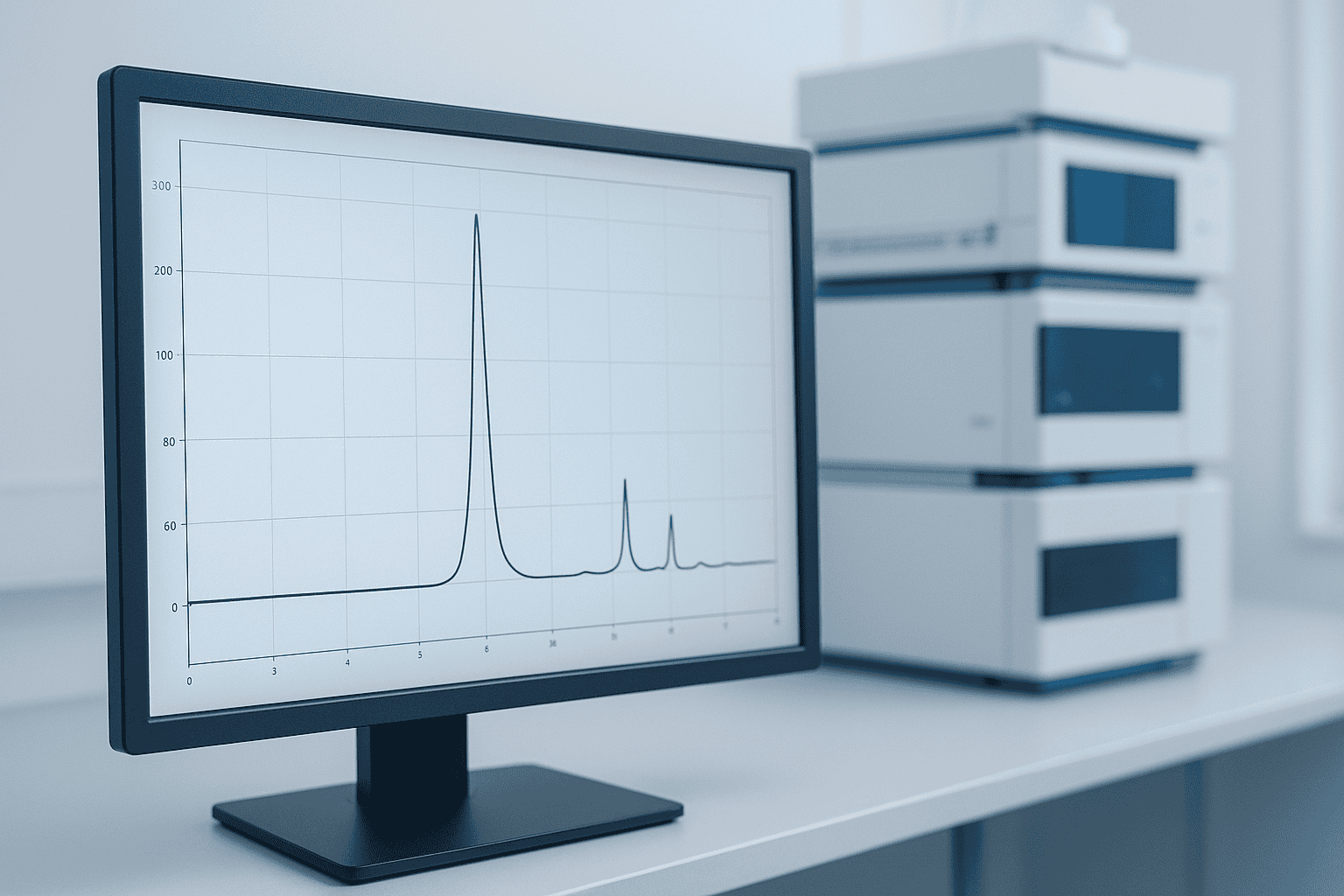
Domestic sourcing is a strong starting point, but it’s not the whole picture. The American Peptide Society emphasizes that third-party testing documentation is the most reliable indicator of peptide quality, regardless of supplier location (American Peptide Society). A U.S. address is good. A U.S. address plus verifiable quality documentation is better.
Here’s a quick checklist that applies whether a supplier is domestic or international:
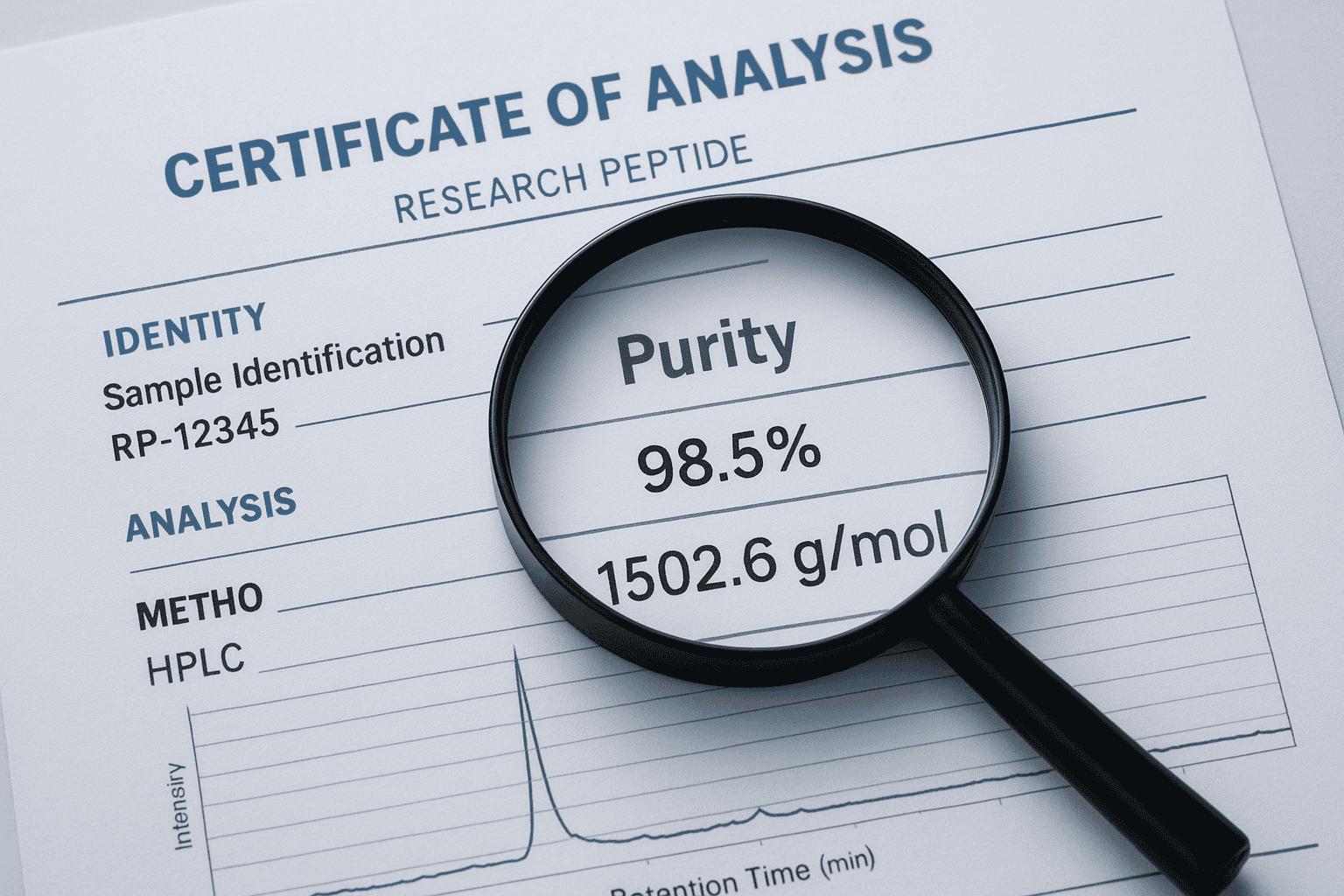
- Batch-specific COAs with HPLC purity data and mass spectrometry confirmation
- Named third-party testing lab that you can verify independently
- Verifiable physical address and real contact information
- Published purity thresholds of 98% or higher for research-grade material
- Net peptide content reported separately from gross weight
If a supplier checks all of those boxes and operates from a U.S. address, you’ve stacked the odds strongly in your favor. The domestic advantages we’ve covered above then sit on top of a solid quality foundation rather than replacing one.
[ORIGINAL DATA] Comparing documentation practices across dozens of peptide suppliers, we’ve observed that U.S.-based companies with third-party COAs publicly posted on their websites have measurably lower customer dispute rates than those requiring you to request documentation after purchase. Transparency before the sale correlates strongly with product quality after it.
[INTERNAL-LINK: “domestic vs. international peptide suppliers” -> /blog/domestic-vs-international-peptide-suppliers/]
Frequently Asked Questions
Does buying from a U.S. peptide supplier mean the product is FDA-approved?
No. Research peptides sold by U.S. suppliers are not FDA-regulated products. They’re sold exclusively for laboratory and preclinical research. “Domestic” means the supplier operates under U.S. business law and ships within the country. It does not confer FDA approval, therapeutic claims, or regulatory clearance of any kind. The advantage is legal accountability and logistical reliability, not regulatory endorsement.
How much faster is domestic peptide shipping compared to international?
Domestic orders from U.S. suppliers typically arrive in 2-3 business days. International shipments average 10-21 days and face customs inspection risk. The U.S. International Trade Commission reports that 8-10% of international parcels experience processing delays at the border (USITC, 2022). Domestic shipping also provides better tracking visibility and shorter exposure to temperature fluctuations during transit.
[INTERNAL-LINK: “peptide shipping guide” -> /blog/peptide-shipping-what-to-check/]
What happens if my international peptide order gets stuck in customs?
When an international shipment is held at customs, you wait. There’s no way to speed up the review process. The package may eventually clear, get returned to the sender, or be confiscated. Most international suppliers don’t refund seized orders, or the refund process takes months. Domestic orders avoid this entirely because they never cross a border.
Are U.S. peptide suppliers more expensive than overseas options?
Sometimes, but the price gap is narrower than people assume. Overseas suppliers save on testing and labor costs, but international shipping fees, customs broker charges, and occasional lost shipments close the gap. When you factor in the value of faster delivery, customer support access, and legal recourse, domestic pricing often represents better overall value for research operations.
[INTERNAL-LINK: “risks of cheap peptides” -> /blog/cheap-peptides-risk/]
The Bottom Line
Choosing a U.S. peptide supplier comes down to practical risk reduction. You get a business you can verify, laws that protect your purchase, shipping that arrives in days instead of weeks, and customer support that answers during your working hours. None of that replaces the need for quality documentation. But it creates a foundation where problems are fixable instead of permanent.
The research peptide market is growing fast. So is the number of suppliers competing for your business. Don’t let price alone drive the decision. Look for a verifiable address, third-party COAs, and a supplier who doesn’t hide from phone calls. Those basics will serve you well every time.
For research use only. Not for human consumption. All products are sold exclusively for laboratory and scientific research. This content is educational and does not constitute medical advice.