
· For research use only. Not for human consumption.
For research use only. Not for human consumption.
If you have spent any time reading about research peptides, you have probably come across the term Tesamorelin GHRH analog. That phrase can sound intimidating at first, but the idea behind it is surprisingly straightforward. In plain language, it means Tesamorelin is a modified copy of a natural signal your brain uses to tell the body to release growth hormone. Scientists created this modified copy so they could study how that signal works in a controlled laboratory setting.
Understanding what a GHRH analog is helps you make sense of a large portion of peptide research. It also explains why Tesamorelin appears so often in published scientific literature. In this post, we will break every part of that phrase down into everyday language so you can follow the science without needing a biology degree. You can also browse our full research peptide catalog to see where Tesamorelin fits among other compounds.
By the end, you will know exactly what GHRH stands for, what “analog” means in chemistry, and why researchers chose to modify the natural molecule in the first place. Let us start at the beginning.
TL;DR: Tesamorelin is a lab-modified version of the brain signal called Growth Hormone Releasing Hormone (GHRH). Scientists add a small chemical tag (trans-3-hexenoic acid) to the natural 44-amino-acid chain so it lasts longer in research settings. Wang & Tomlinson (2009) reviewed Tesamorelin as a GHRH analog in detail (PMID: 19243281). For research use only. Not for human consumption.
What Is GHRH in Simple Terms?: Tesamorelin GHRH analog Insights
GHRH stands for Growth Hormone Releasing Hormone. Think of it as a tiny chemical messenger. It is made in a part of the brain called the hypothalamus, which acts like a control center for many of the body’s automatic processes. When the hypothalamus decides it is time for the body to release growth hormone, it sends out GHRH. That signal travels a very short distance to the pituitary gland, a pea-sized organ sitting just below the brain.
Once GHRH arrives at the pituitary gland, it locks onto special receiving stations on the surface of cells called somatotrophs. Those cells respond by releasing growth hormone into the bloodstream. The whole process is like pressing a doorbell: GHRH is the finger, the receptor is the button, and growth hormone release is the chime that follows.
Natural GHRH is a chain of 44 amino acids. Amino acids are the building blocks of proteins, so you can picture GHRH as a very short necklace made of 44 beads, each bead being a different amino acid. This specific arrangement is what gives GHRH its shape, and shape is what allows it to fit into the receptor on pituitary cells.
What Does “Analog” Mean in Chemistry?
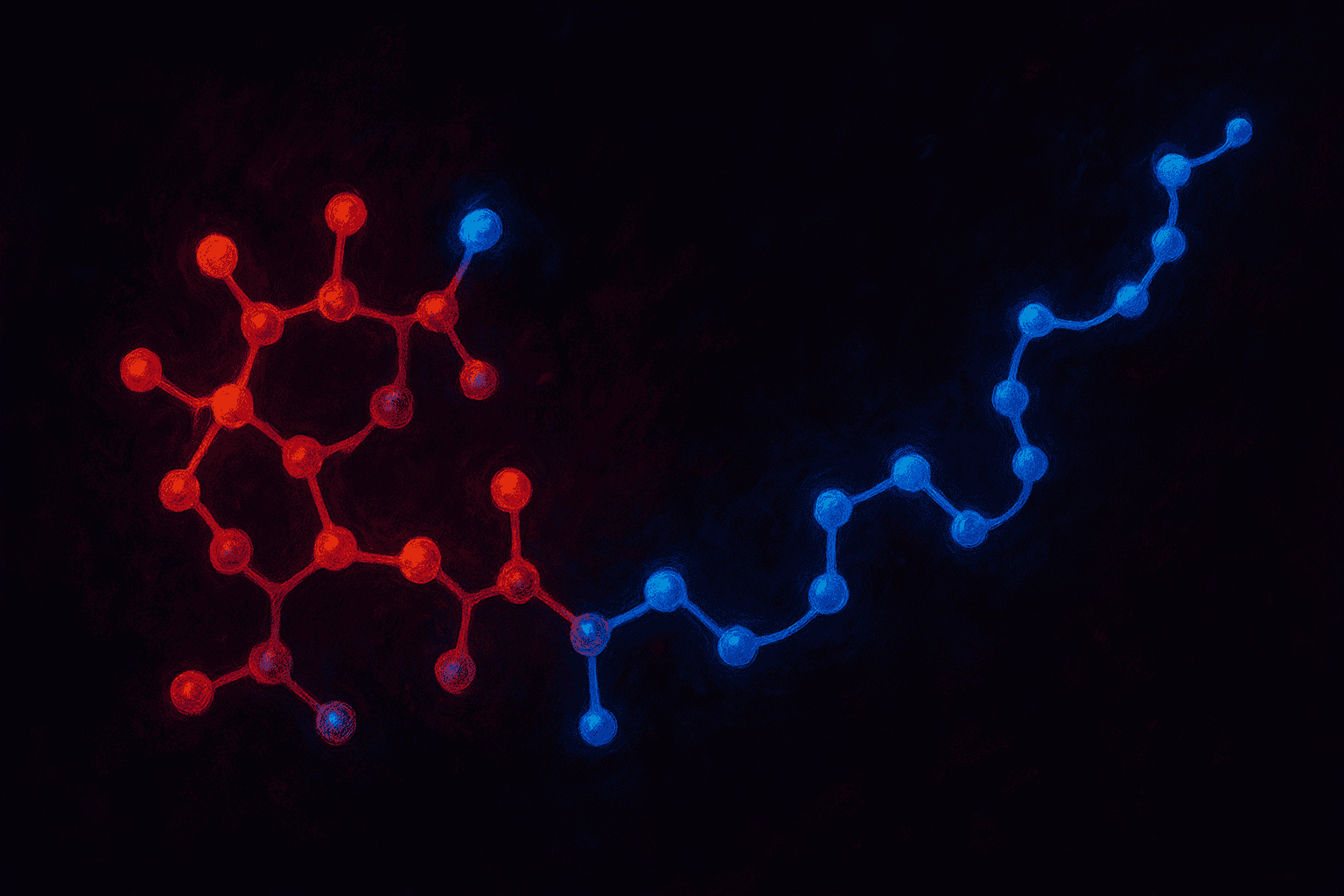
The word analog simply means a modified copy. In chemistry, an analog is a molecule that looks almost identical to a natural one but has a small, deliberate change. Scientists make analogs for one main reason: the natural molecule often breaks down too quickly to study properly in the lab.
Imagine you have a sandcastle, and you want to study its shape. But every time you build it, a wave washes it away in seconds. An analog would be like mixing a tiny bit of glue into the sand so the castle stands long enough for you to examine it. The overall shape is the same; you just made it a little more durable.
That is exactly what happened with GHRH. The natural version breaks apart very fast once it leaves the hypothalamus. Researchers needed a version that would last longer so they could observe what happens when the signal stays active. The result of that work was Tesamorelin.
How Tesamorelin Mimics Natural GHRH
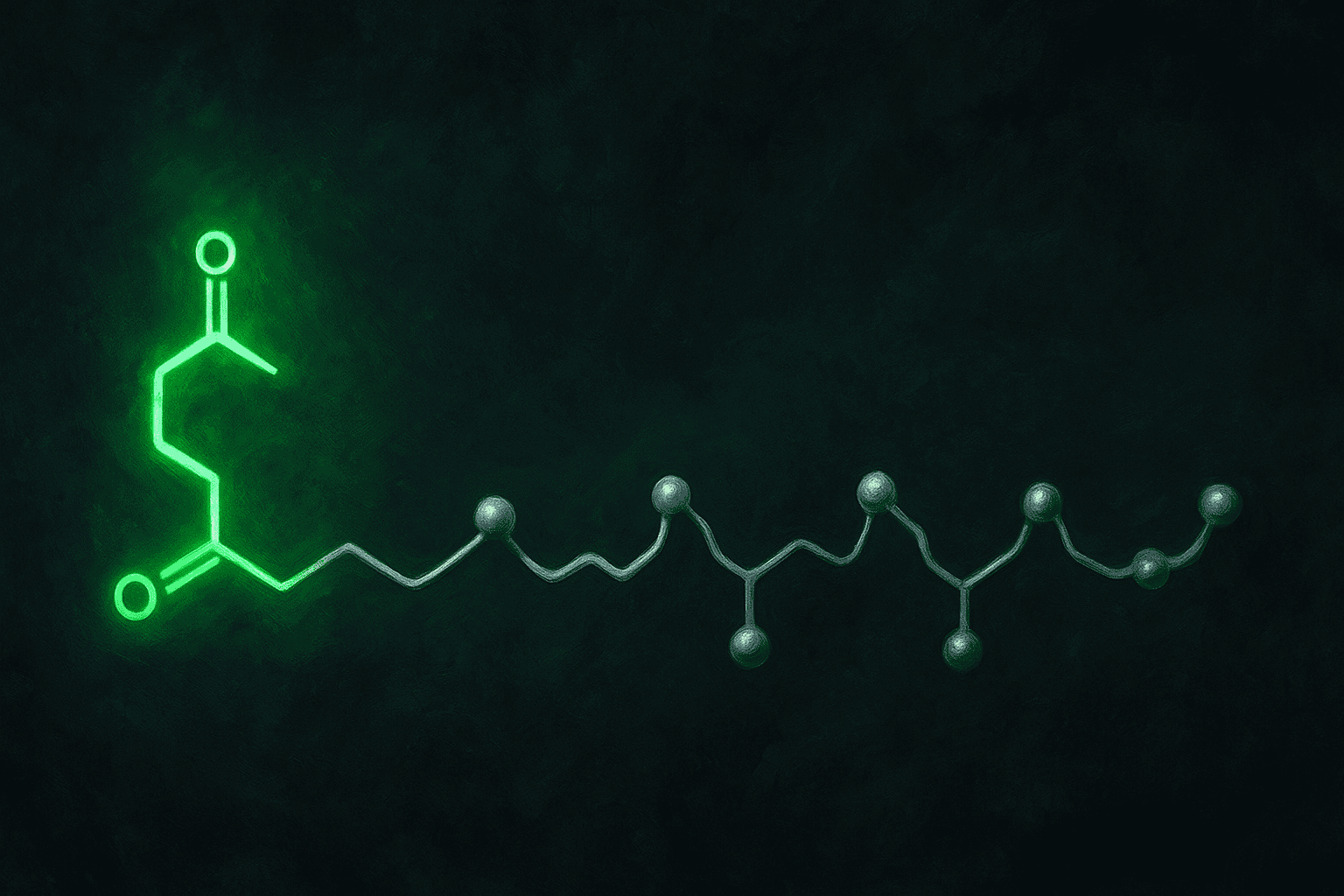
Tesamorelin keeps all 44 amino acids of natural GHRH in the same order. That means it still has the right shape to fit into the GHRH receptor on pituitary cells. The only difference is a small chemical tag attached to the very beginning of the chain, called trans-3-hexenoic acid. This tag does not change the way the molecule interacts with the receptor. Instead, it acts like a protective cap that slows down the breakdown process.
In published research, Wang and Tomlinson (2009) described Tesamorelin as a human growth hormone releasing factor analog and reviewed the evidence surrounding its design and function in laboratory settings.
Wang Y, Tomlinson B (2009) described Tesamorelin as a human growth hormone releasing factor analogue and reviewed its pharmacological profile. (PMID: 19243281)
The Trans-3-Hexenoic Acid Modification
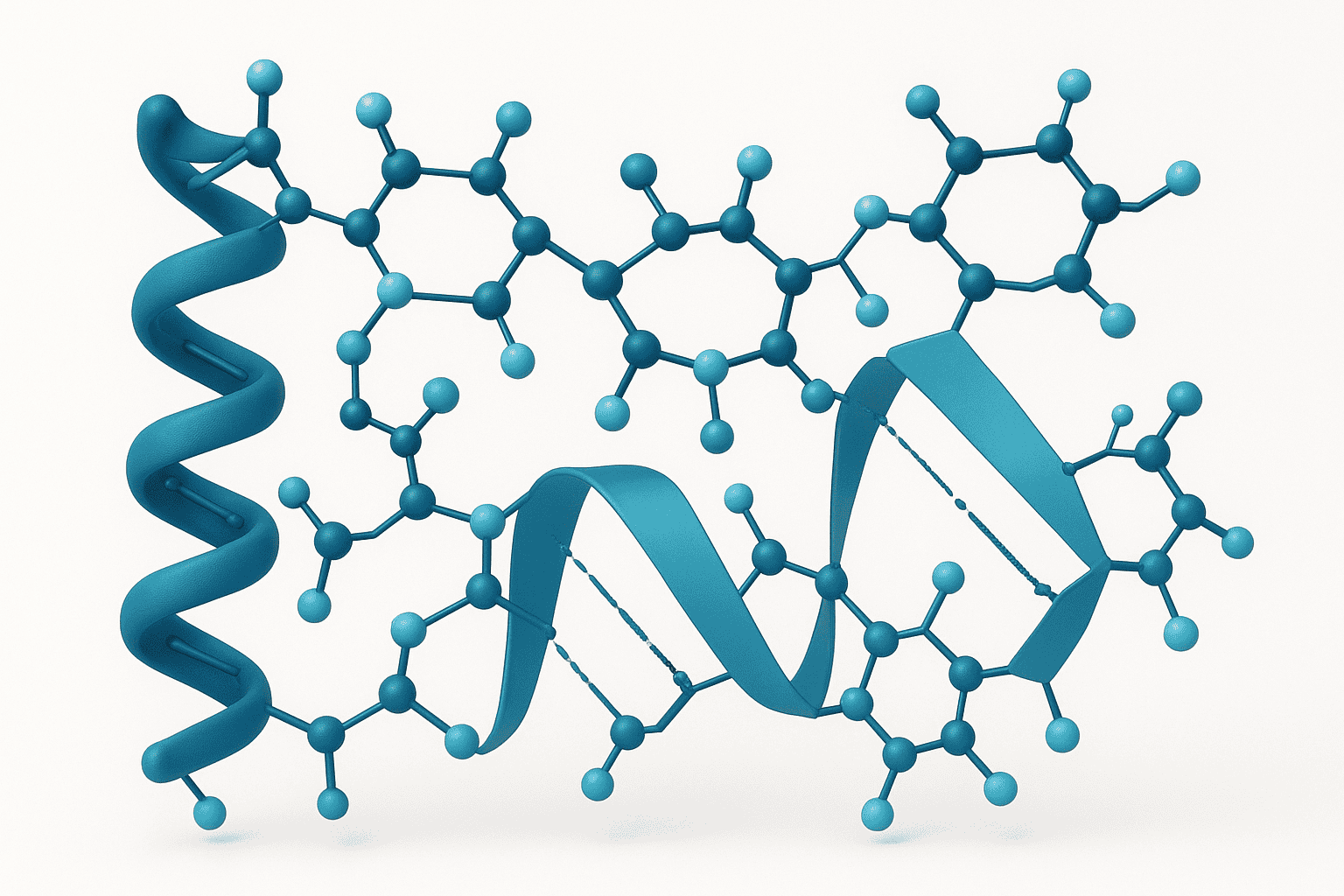
Let us zoom in on the one change that turns natural GHRH into the Tesamorelin GHRH analog. At the very start of the amino acid chain (scientists call this the N-terminus), there is a spot where enzymes in the body normally begin chopping the molecule apart. Trans-3-hexenoic acid is a short carbon chain with a double bond that gets attached right at that vulnerable spot.
By placing this small group at the N-terminus, researchers created a version of GHRH that enzymes have a harder time grabbing onto. The rest of the chain stays exactly the same. This is an important point: the modification does not add new functions. It simply helps the molecule survive long enough for scientists to study what the natural signal does.
This kind of targeted modification is common in peptide research. Scientists often protect one end of a molecule to extend its useful life in experimental settings. Tesamorelin is one of the most well-known examples of this approach.
Why Researchers Made This Modification
Natural GHRH has a half-life measured in just a few minutes. In practical terms, that means if a researcher adds natural GHRH to a lab experiment, it starts falling apart almost immediately. That makes it very difficult to measure effects over time or to design experiments that require a steady signal.
By adding the trans-3-hexenoic acid cap, scientists created a tool that behaves like natural GHRH but sticks around long enough to be useful in controlled studies. Stanley et al. (2011) examined how this analog affected endogenous growth hormone pulsatility, demonstrating its value as a research instrument.
Stanley TL et al. (2011) investigated the effects of a GHRH analog on endogenous GH pulsatility in controlled research conditions. (PMID: 20943777)
The modification also allows researchers to compare results across different laboratories. When everyone uses the same stable version of the molecule, experiments become more reproducible. Reproducibility is one of the cornerstones of good science.
Where Tesamorelin Fits in Peptide Research
Tesamorelin is part of a larger family of GHRH analogs that scientists have developed over the decades. Other members of this family include Sermorelin and CJC-1295, each with its own set of modifications. What makes Tesamorelin stand out is the specific trans-3-hexenoic acid cap and the fact that it retains the full 44-amino-acid sequence of natural GHRH.
Falutz et al. (2010) published research examining Tesamorelin in a specific population, contributing to a growing body of literature on GHRH analogs and how they behave under different experimental conditions.
Falutz J et al. (2010) examined the effects of Tesamorelin in a controlled research context, adding to the body of published data on this GHRH analog. (PMID: 20554713)
If you are looking into research peptides, understanding the concept of analogs is one of the most useful things you can learn. It comes up again and again across different peptide families, from growth hormone releasing compounds to entirely different categories of research molecules.
Alpha Peptides offers Tesamorelin for qualified researchers. Every batch ships with a publicly available Certificate of Analysis (COA) verifying identity, purity, and sterility. Browse our full research peptide catalog to explore additional compounds.
Frequently Asked Questions
What does GHRH analog mean?
An analog is a modified copy of a natural molecule. A GHRH analog is a version of Growth Hormone Releasing Hormone that has been slightly changed, usually to make it more stable for laboratory research.
What is the trans-3-hexenoic acid modification?
Trans-3-hexenoic acid is a small chemical group attached to the beginning of the Tesamorelin molecule. It helps protect the peptide from being broken down too quickly by enzymes, making it more useful in research experiments.
Is Tesamorelin the same as natural GHRH?
Tesamorelin contains all 44 amino acids found in natural GHRH in the same order. The only difference is the trans-3-hexenoic acid cap at the N-terminus. This makes it an analog, not an identical copy.
Why do scientists create analogs instead of using natural molecules?
Natural signaling molecules often break down within minutes. Analogs last longer in laboratory settings, which gives researchers more time to observe and measure what the molecule does. This improves the quality and reproducibility of experiments.
Where can I find published research on Tesamorelin?
Published studies on Tesamorelin are available on PubMed. Wang and Tomlinson (2009), Stanley et al. (2011), and Falutz et al. (2010) are good starting points for understanding this GHRH analog in a research context.
For research use only. Not for human consumption. This material is sold strictly for use in scientific and laboratory research. It is not intended for diagnostic or therapeutic purposes. Alpha Peptides does not endorse or encourage any off-label use.