
· For research use only. Not for human consumption.
For research use only. Not for human consumption.
If you’ve read anything about TB-500, you’ve probably seen the phrase “TB-500 actin binding.” It sounds technical, but the concept is surprisingly straightforward once you understand what actin is and why binding to it matters.
Actin is one of the most important proteins inside every cell in your body. TB-500 interacts with it directly. Understanding this interaction is the key to understanding why researchers study this peptide. Let’s break it down.
New to TB-500? Start with our TB-500 beginner’s guide first.
TL;DR: TB-500 actin binding is the primary mechanism of interest for this research peptide. TB-500 is a fragment of Thymosin Beta-4 that binds to G-actin (globular actin monomers), influencing how actin filaments assemble and disassemble inside cells. This affects cell structure, migration, and division. Goldstein et al. (2012) reviewed this actin-sequestering function in their comprehensive analysis of Thymosin Beta-4 biology (PMID: 22074294). For research use only. Not for human consumption.
What Is Actin? The Cell’s Construction Material
Before understanding TB-500 actin binding, you need to understand actin itself. Here’s the simplest way to think about it:
Imagine every cell in your body is a building. Actin is the rebar — the internal steel framework that gives the building its shape and strength. Without actin, cells would collapse into shapeless blobs.
Actin exists in two forms:
- G-actin (globular actin) — Individual molecules floating around inside the cell. These are like individual steel rods sitting in a warehouse.
- F-actin (filamentous actin) — Long chains of G-actin molecules linked together. These are the assembled rebar structures supporting the building.
Cells constantly build and dismantle actin filaments. When a cell needs to move, it builds filaments in the direction of movement. When it needs to divide, it rearranges filaments to split itself in two. This constant assembly and disassembly is called “actin dynamics.”
How TB-500 Actin Binding Works
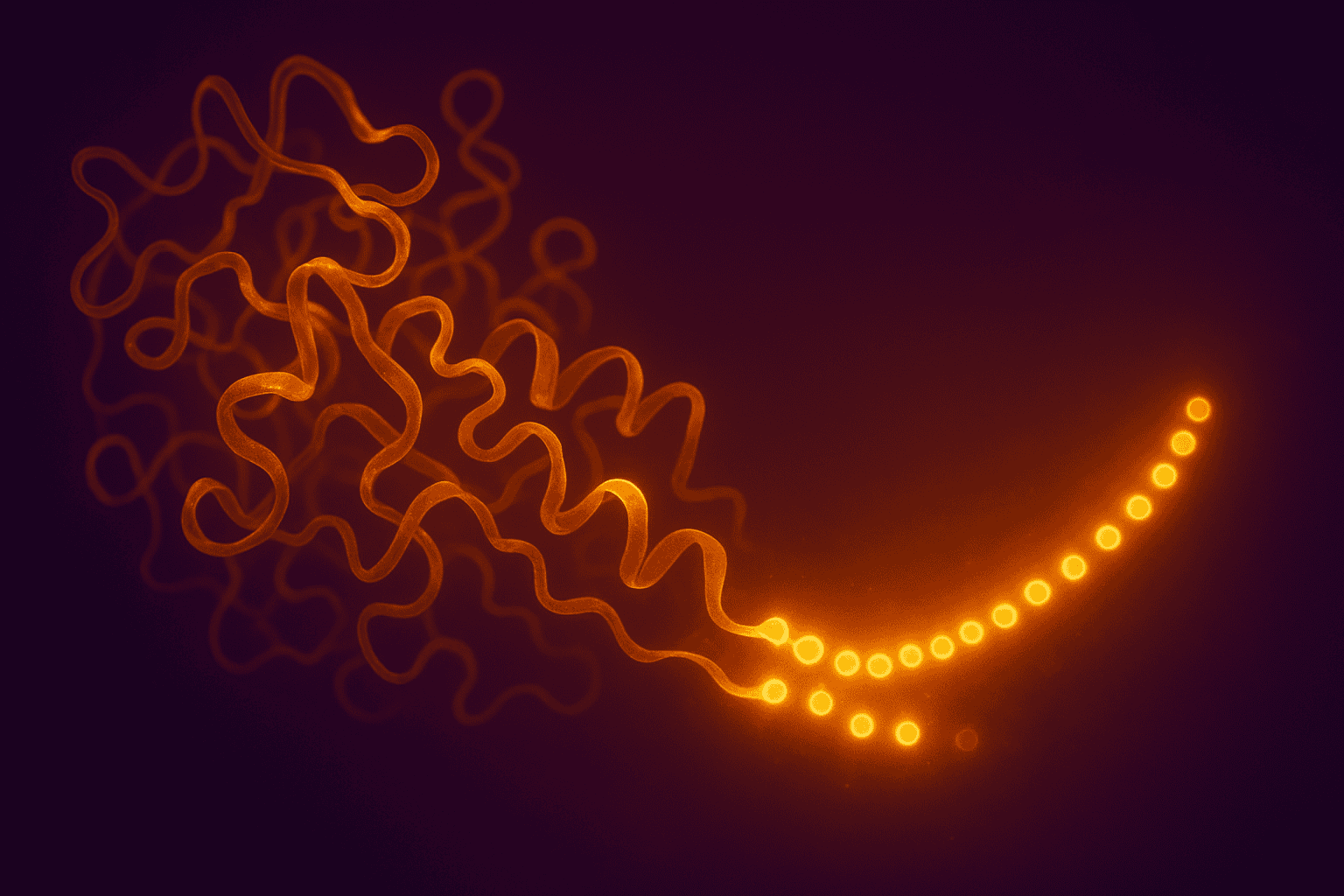
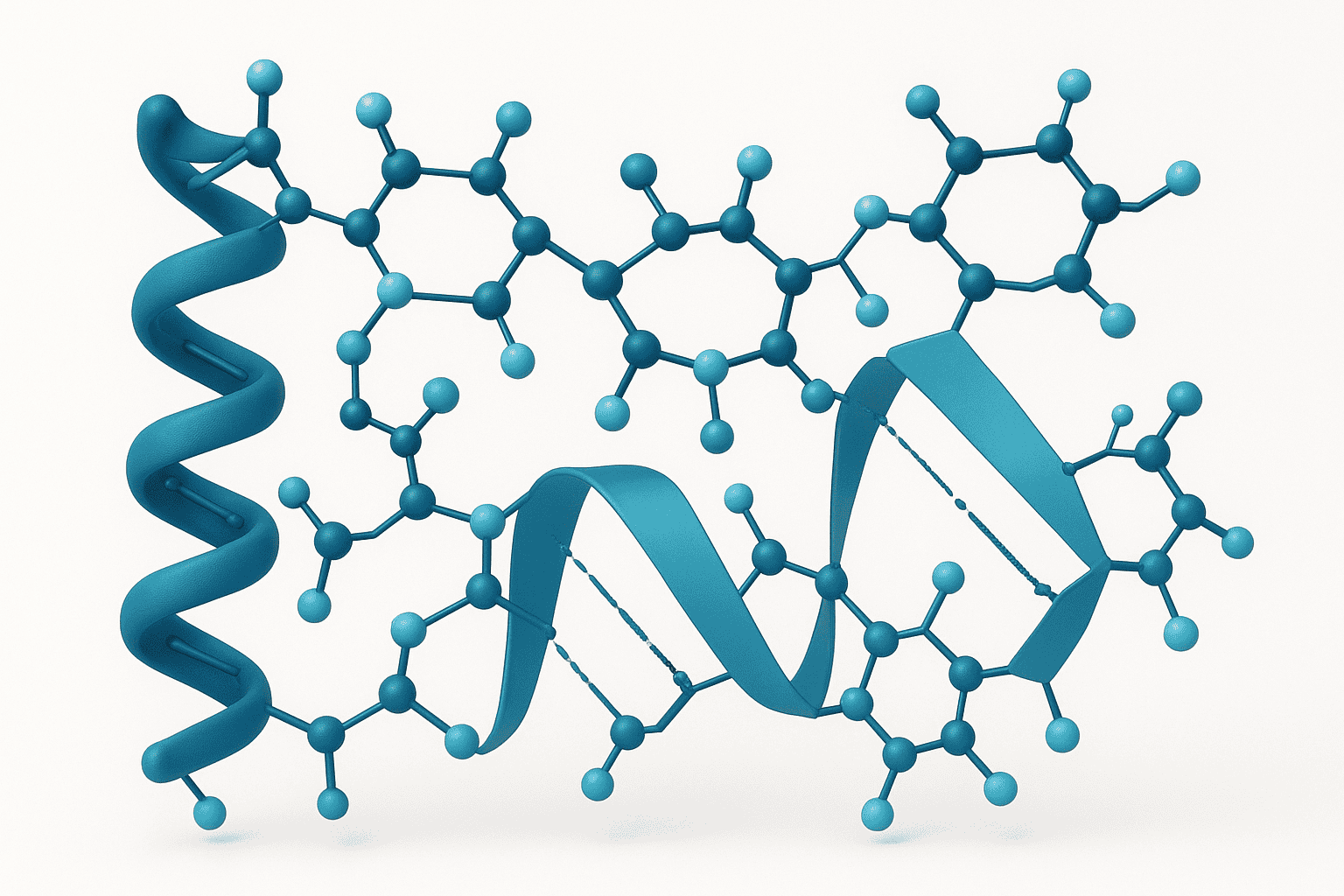
TB-500 binds specifically to G-actin — the individual monomers, not the assembled filaments. When TB-500 attaches to a G-actin molecule, it temporarily prevents that monomer from joining a growing filament.
This might sound counterproductive — why would you want to prevent building material from being used? But the key word is “temporarily.” By sequestering some G-actin monomers, TB-500 creates a controlled pool of ready-to-use building material. When the cell needs to rapidly build new filaments in a specific location, those sequestered monomers can be released all at once.
Think of it like a basketball coach managing substitutions. Players on the bench (sequestered G-actin) aren’t playing right now, but they’re ready to jump in immediately when needed. Without the bench, every player would already be exhausted on the court.
Goldstein, Hannappel, Sosne, and Kleinman (2012) described the actin-sequestering function of Thymosin Beta-4 as central to its biological activity, reviewing how this mechanism supports cell migration in preclinical models. (PMID: 22074294)
Why TB-500 Actin Binding Matters for Research
The practical significance of TB-500 actin binding shows up in several research areas:
Cell Migration
When cells need to move — whether immune cells responding to signals or cells filling a gap — they depend on rapid actin reorganization. Preclinical studies have examined whether TB-500’s actin-sequestering activity influences cell migration rates in controlled laboratory settings.
Cell Shape Changes
Cells change shape constantly. Immune cells extend projections to engulf invaders. Muscle cells contract. Skin cells spread to cover surfaces. All of these shape changes depend on actin dynamics, making TB-500 a potential research tool for studying these processes.
Cell Division
The final stage of cell division — cytokinesis — requires an actin “ring” that pinches the dividing cell in two. Proper actin management by proteins like Thymosin Beta-4 is essential for this process.
Malinda et al. (1999) investigated Thymosin Beta-4’s effects on cell migration in preclinical models, observing increased migration rates in keratinocyte and endothelial cell cultures exposed to the peptide. (PMID: 10469335)
The AcSDKP Connection
When Thymosin Beta-4 is broken down inside the cell, one of the fragments produced is a tetrapeptide called AcSDKP. This four-amino-acid fragment has been studied separately for its own biological activity. Some researchers believe that part of Thymosin Beta-4’s observed effects may actually come from AcSDKP rather than (or in addition to) the full protein.
This is an active area of investigation. It’s like discovering that a medicine’s effect might come from a metabolite — a breakdown product — rather than the original compound. Understanding which piece does what is essential for good research design.
Alpha Peptides offers TB-500 in combination with BPC-157 — two peptides that work through entirely different mechanisms. See our mechanism guide for how they complement each other, and our COA page for batch verification.
Frequently Asked Questions
What does TB-500 bind to?
TB-500 actin binding involves G-actin monomers — the individual building blocks that assemble into filamentous actin (F-actin) inside cells. It acts as an actin-sequestering agent.
Does TB-500 build or destroy actin filaments?
Neither directly. TB-500 sequesters individual actin monomers, creating a reserve pool that can be rapidly deployed when the cell needs to build new filaments. It’s a management mechanism, not a construction or demolition tool.
Is actin binding unique to TB-500?
No. Several proteins in the body interact with actin, including profilin, cofilin, and other members of the beta-thymosin family. Thymosin Beta-4 (the parent protein of TB-500) is one of the most abundant actin-sequestering proteins.
How is this different from BPC-157?
BPC-157 works through extracellular growth factor signaling, while TB-500 works through intracellular actin binding. They operate through completely different biological mechanisms, which is why researchers often study them together.
For research use only. Not for human consumption. This article is intended for informational purposes and does not constitute medical advice, dosing guidance, or therapeutic recommendations.