
· For research use only. Not for human consumption.
For research use only. Not for human consumption.
Contamination is the silent enemy of peptide research. A single mistake in handling can introduce bacteria or other microorganisms into your carefully prepared solutions, leading to degraded peptides and unreliable results. Understanding basic sterile technique peptides researchers use is not complicated, but it does require consistent, mindful habits every time you work with your materials.
You do not need a hospital-grade clean room to maintain good sterile practices. Most contamination comes from simple, avoidable errors like touching vial openings, reusing disposable supplies, or working on a cluttered bench. A few straightforward precautions can dramatically reduce your contamination risk.
This guide covers the fundamental principles of sterile technique for anyone working with research peptides. Whether you are reconstituting a new vial from Alpha Peptides or drawing from an existing solution, these practices will help protect your materials and improve the reliability of your work.
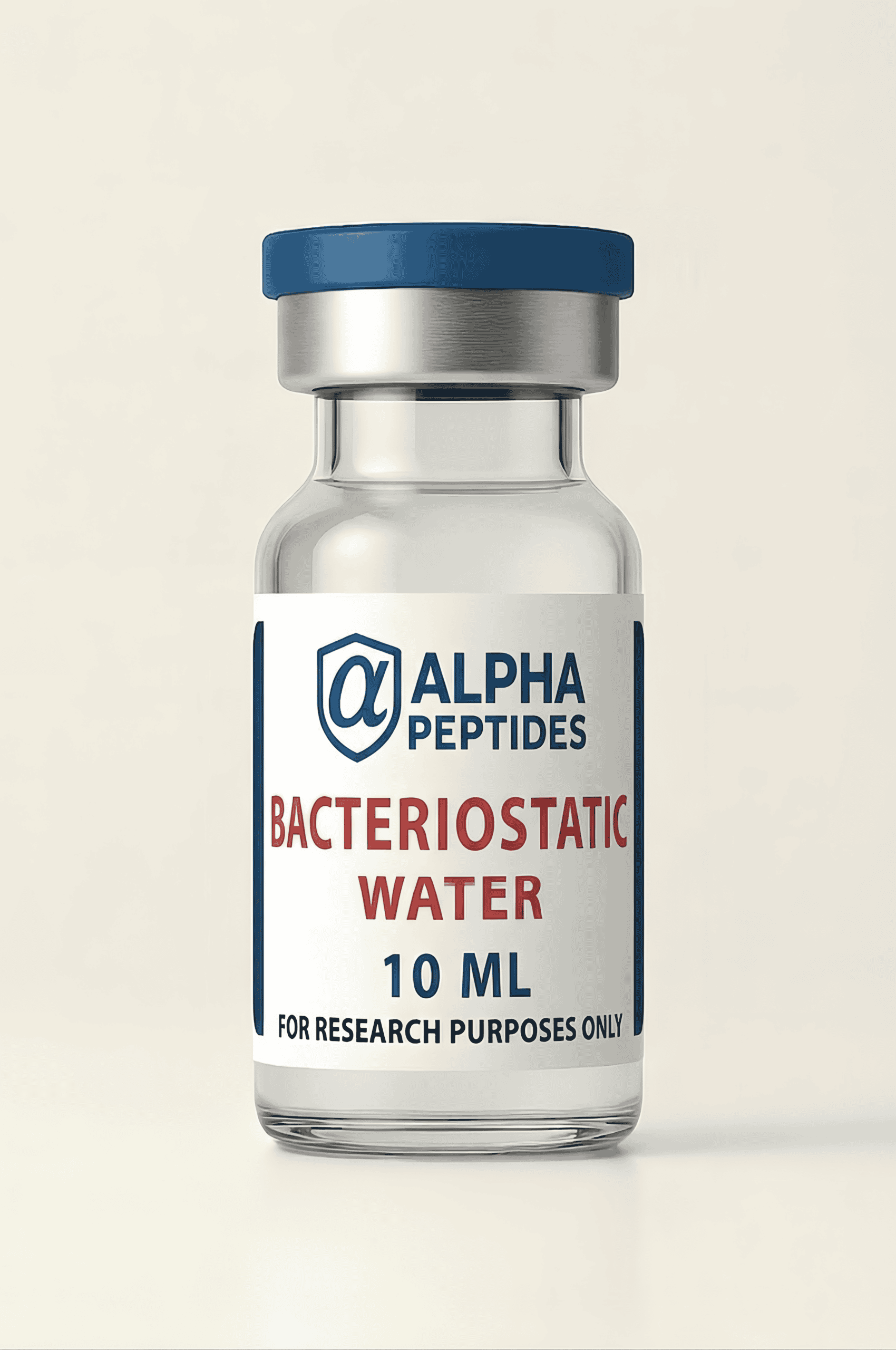
TL;DR: Good sterile technique for peptide research involves cleaning your work surface, wearing gloves, swabbing vial tops with alcohol before every puncture, using fresh sterile needles for each draw, and working efficiently to minimize the time vials are open to the environment. Using bacteriostatic water adds a safety margin because its benzyl alcohol preservative inhibits bacterial growth between uses.
For research use only. Not for human consumption.
Sterile technique peptides: Why Sterile Technique Matters for Peptide Research
Peptide solutions are excellent environments for bacterial growth. They are typically stored in aqueous (water-based) conditions, often at temperatures that bacteria find comfortable, and some peptides can even serve as nutrients for microorganisms. Without proper precautions, a contaminated peptide solution can become a bacterial culture within days.
The consequences of contamination go beyond just losing the peptide itself. Contaminated solutions can produce misleading experimental results. Bacterial byproducts can interact with the peptide, create false signals in assays, or mask the true activity of the compound you are studying. You might spend days troubleshooting an experiment before realizing the problem was contamination all along.
The financial cost adds up too. Research peptides are not cheap, and having to discard a contaminated vial and start over means wasting both money and time. A few minutes of careful technique at the start saves hours of frustration and expense later.
Preparing Your Workspace
Good sterile technique peptides researchers rely on starts before you ever touch a vial. Your workspace sets the stage for everything that follows:
- Clean your work surface: Wipe down your bench or work area with 70% isopropyl alcohol or a similar disinfectant before you begin. Let it air dry. This eliminates the majority of surface bacteria that could be transferred to your supplies.
- Remove unnecessary items: A cluttered workspace increases the chance of accidental contamination. Keep only what you need for the current task on your bench.
- Wash your hands: Even before putting on gloves, wash your hands thoroughly. Gloves can develop small tears or holes that you do not notice, and clean hands underneath provide a second line of defense.
- Put on fresh gloves: Wear clean nitrile or latex gloves. Replace them if you touch anything that might be contaminated — your face, your phone, door handles, or other non-sterile surfaces.
- Gather all materials: Have everything you need ready before you start: peptide vials, solvent, needles, syringes, alcohol wipes, and any other supplies. This minimizes the time your vials are exposed and reduces the temptation to reach for something mid-procedure with potentially contaminated gloves.
Proper Vial Handling
The rubber stopper on a peptide vial is the most common entry point for contamination. Every time a needle passes through the stopper, it creates an opportunity for bacteria to be introduced. Here is how to minimize that risk:
Always swab the stopper with alcohol. Before every single needle puncture, wipe the rubber stopper with a fresh alcohol swab and let it dry for a few seconds. This kills surface bacteria that may have settled on the stopper from the air or from handling. Never skip this step, even if you just swabbed the vial five minutes ago.
Use fresh needles for every draw. A needle that has been used once is no longer sterile. Even if you only used it to draw from a “clean” vial, it may have picked up bacteria from the air or from the rubber stopper during the puncture. Disposable needles are inexpensive — use a new one each time.
Do not touch the needle. This sounds obvious, but it is surprisingly easy to accidentally brush a needle tip against your glove, the bench surface, or the outside of the vial. If you touch the needle, replace it.
Work efficiently. The longer a vial is open to the environment, the more opportunity airborne bacteria have to settle inside. Have your plan ready, execute it promptly, and close or cap vials as soon as possible.
Why Bacteriostatic Water Provides Extra Protection
Even with excellent technique, some degree of bacterial introduction is inevitable over multiple uses. This is where bacteriostatic water provides an invaluable safety margin.
Bacteriostatic water contains 0.9% benzyl alcohol, which actively inhibits bacterial growth. If a small number of bacteria are introduced during a needle puncture, the benzyl alcohol prevents them from multiplying into a significant contamination problem.
This does not mean you can be careless with technique because you are using bacteriostatic water. The preservative has limits — it can be overwhelmed by a large contamination event, and it does not kill bacteria that are already present in large numbers. Think of bacteriostatic water as a safety net, not a substitute for proper technique. The best approach combines careful sterile practices with the added protection of a preserved solvent.
Common Sterile Technique Mistakes
Here are the mistakes that cause the most contamination problems in research settings:
- Reusing needles or syringes: Disposable supplies are meant to be used once. Reusing them introduces bacteria and can also cause cross-contamination between different peptides.
- Skipping the alcohol swab: Every time. Before every puncture. No exceptions. It takes five seconds and prevents the most common contamination pathway.
- Touching vial openings or needle tips: Fingers, even gloved ones, carry bacteria. Never touch any surface that will contact the solution.
- Working near air currents: Open windows, fans, HVAC vents, and even walking past a workspace can stir up particles and bacteria. Work in a calm, low-traffic area.
- Leaving vials uncapped: When not actively using a vial, keep it capped or stoppered. Leaving vials open on the bench is an invitation for airborne contamination.
- Ignoring glove contamination: If your gloves touch anything non-sterile during a procedure, change them. It takes less time to swap gloves than to deal with a contaminated experiment.
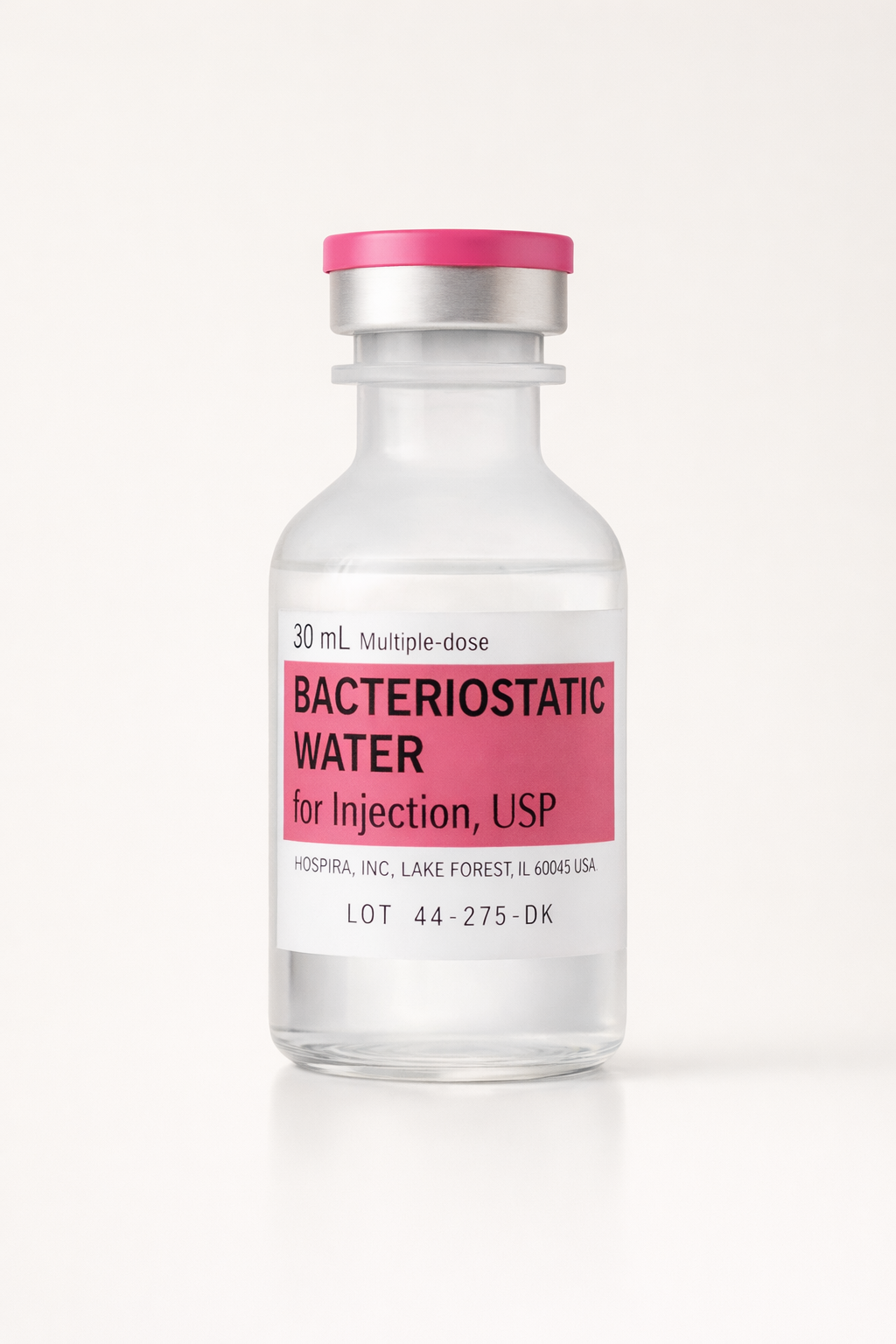
High-quality research starts with high-quality materials and good technique. Browse research peptides at Alpha Peptides, pick up pharmaceutical-grade Hospira bacteriostatic water, and review our Certificates of Analysis for independent quality verification.
Frequently Asked Questions
Do I need a laminar flow hood for peptide work?
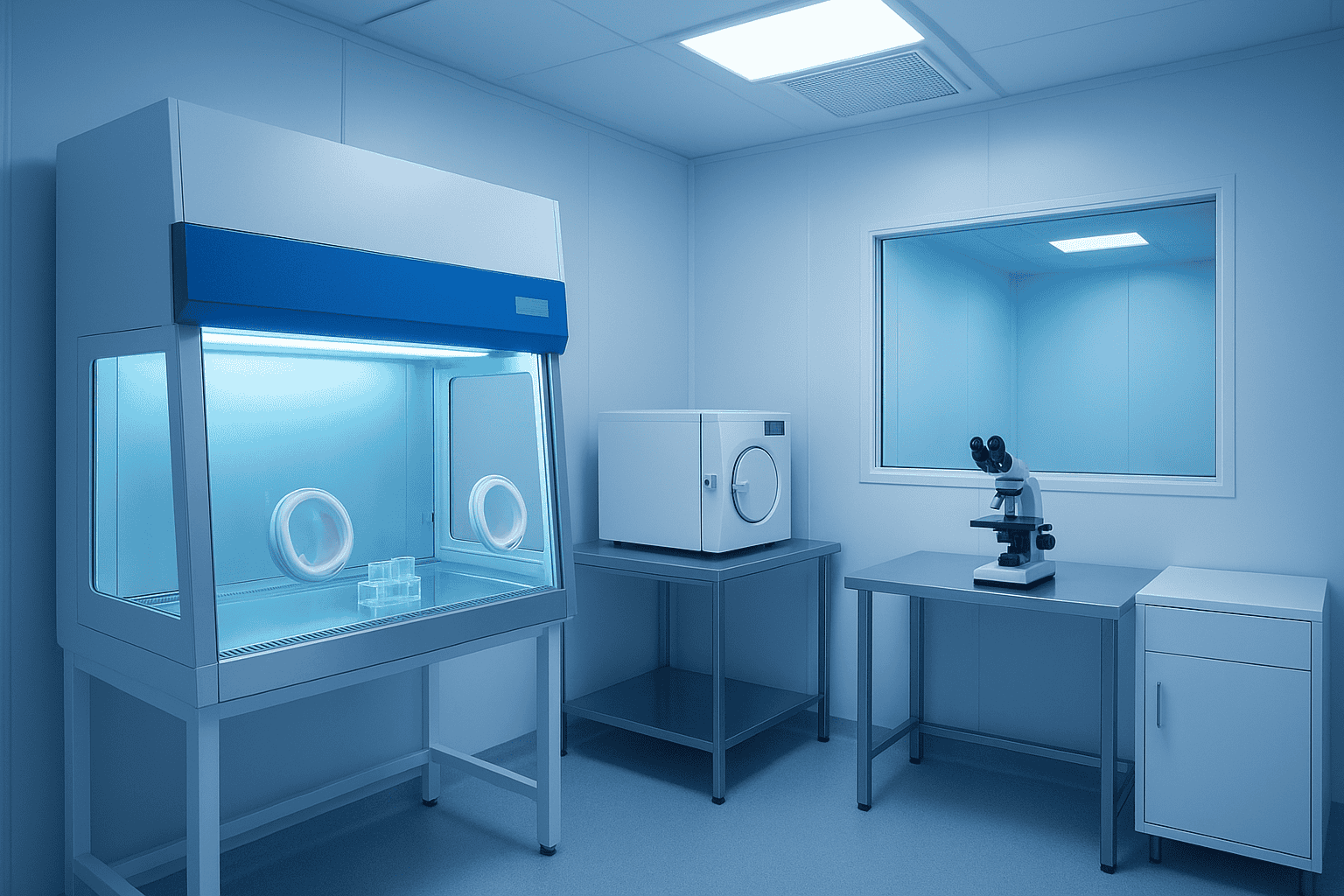
A laminar flow hood provides the highest level of protection against airborne contamination and is ideal for sensitive work. However, many peptide researchers work successfully at a clean bench without one, as long as they follow proper sterile technique consistently.
How often should I change gloves during a session?
Change gloves any time you touch a non-sterile surface (phone, door handle, face, keyboard) or if you suspect they have been compromised. For extended sessions, changing gloves every 15-20 minutes is a reasonable precaution even without a specific contamination event.
Can I tell if my peptide solution is contaminated just by looking at it?
Sometimes. Visible cloudiness, floating particles, unusual color changes, or a strange smell can indicate bacterial contamination. However, early-stage contamination is often invisible. By the time you can see it, the contamination is well established and the solution should be discarded.
Is 70% isopropyl alcohol better than 100% for disinfecting?
Yes. The 70% concentration is actually more effective at killing bacteria than pure alcohol. The water in the mixture helps the alcohol penetrate bacterial cell walls. Pure alcohol evaporates too quickly and can cause bacteria to form protective shells rather than being killed.
For research use only. Not for human consumption. This article is intended for informational purposes and does not constitute medical advice, dosing guidance, or therapeutic recommendations.