
· For research use only. Not for human consumption.
For research use only. Not for human consumption.
The relationship between SS-31 cardiolipin is at the heart of why this peptide is studied in mitochondrial research. Cardiolipin is a specialized fat molecule found only in the inner mitochondrial membrane, and SS-31 binds to it specifically. Understanding this interaction explains almost everything researchers find interesting about SS-31.
This guide explains cardiolipin, why its health matters for energy production, and what SS-31’s binding to it means in research terms.
For how SS-31 reaches the membrane, see our membrane targeting guide.
TL;DR: SS-31 cardiolipin binding is the primary mechanism of interest for this mitochondrial peptide. Cardiolipin is a unique four-tailed lipid in the inner mitochondrial membrane that organizes energy-production machinery. SS-31 interacts with cardiolipin, potentially stabilizing membrane structure. Mitchell et al. (2020) provided biophysical characterization of this interaction (PMID: 32273339). For research use only. Not for human consumption.
What Is Cardiolipin? The Lipid That Powers You
Cardiolipin is arguably the most important lipid you’ve never heard of. It’s found almost exclusively in the inner mitochondrial membrane — nowhere else in the cell — and it plays a starring role in energy production.
What makes cardiolipin unusual is its structure. Most membrane lipids have two fatty acid tails hanging below a head group. Cardiolipin has four tails — making it look like a double-wide version of a normal lipid. This extra bulk helps it anchor the massive protein complexes of the electron transport chain in place.
Think of cardiolipin as the foundations for a factory’s heavy machinery. Without solid foundations, the machines vibrate loose and productivity drops. Similarly, without functional cardiolipin, the energy-producing machinery in mitochondria becomes unstable and less efficient.
How SS-31 Cardiolipin Interaction Works
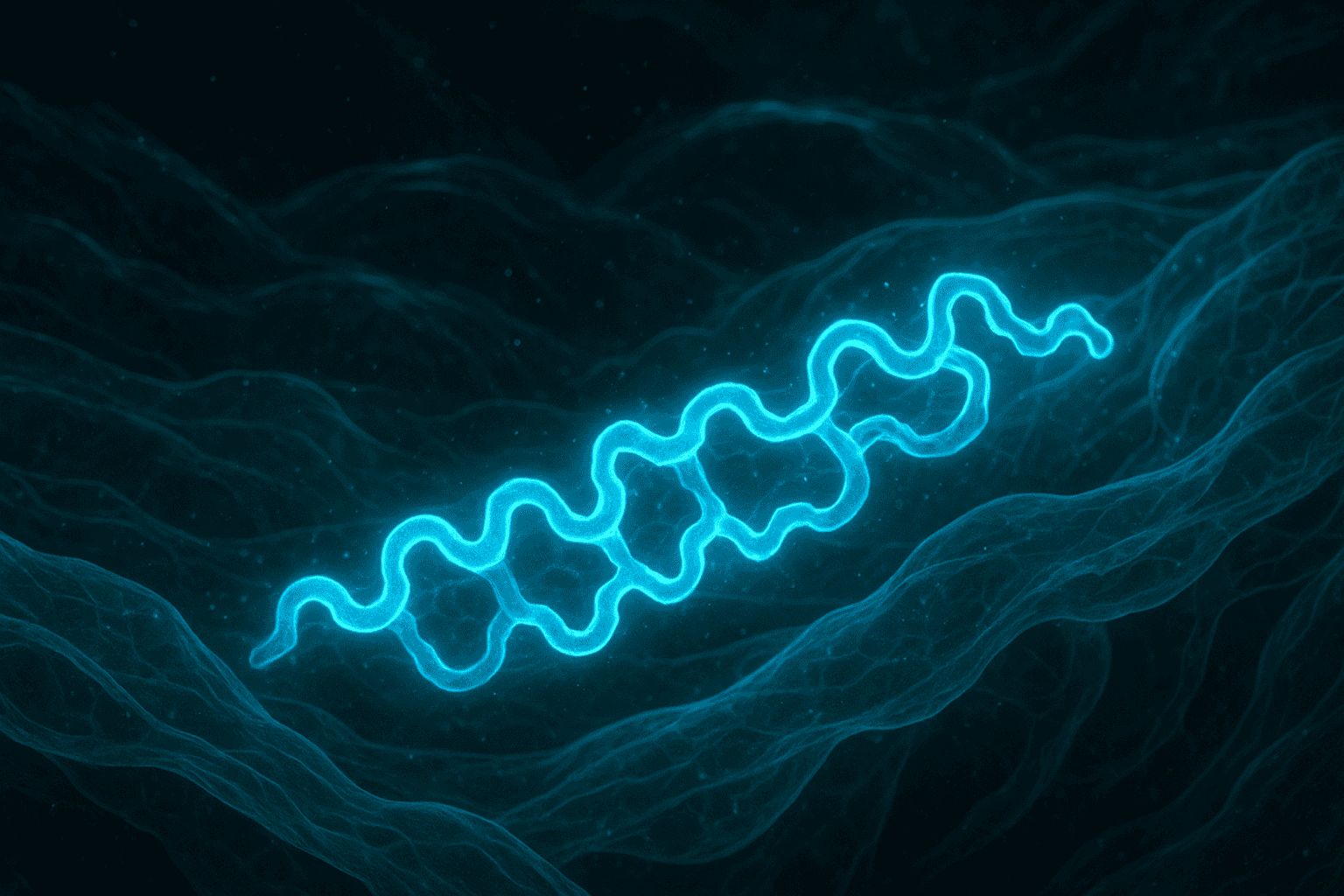
Published research describes several aspects of how SS-31 interacts with cardiolipin:
Electrostatic Attraction
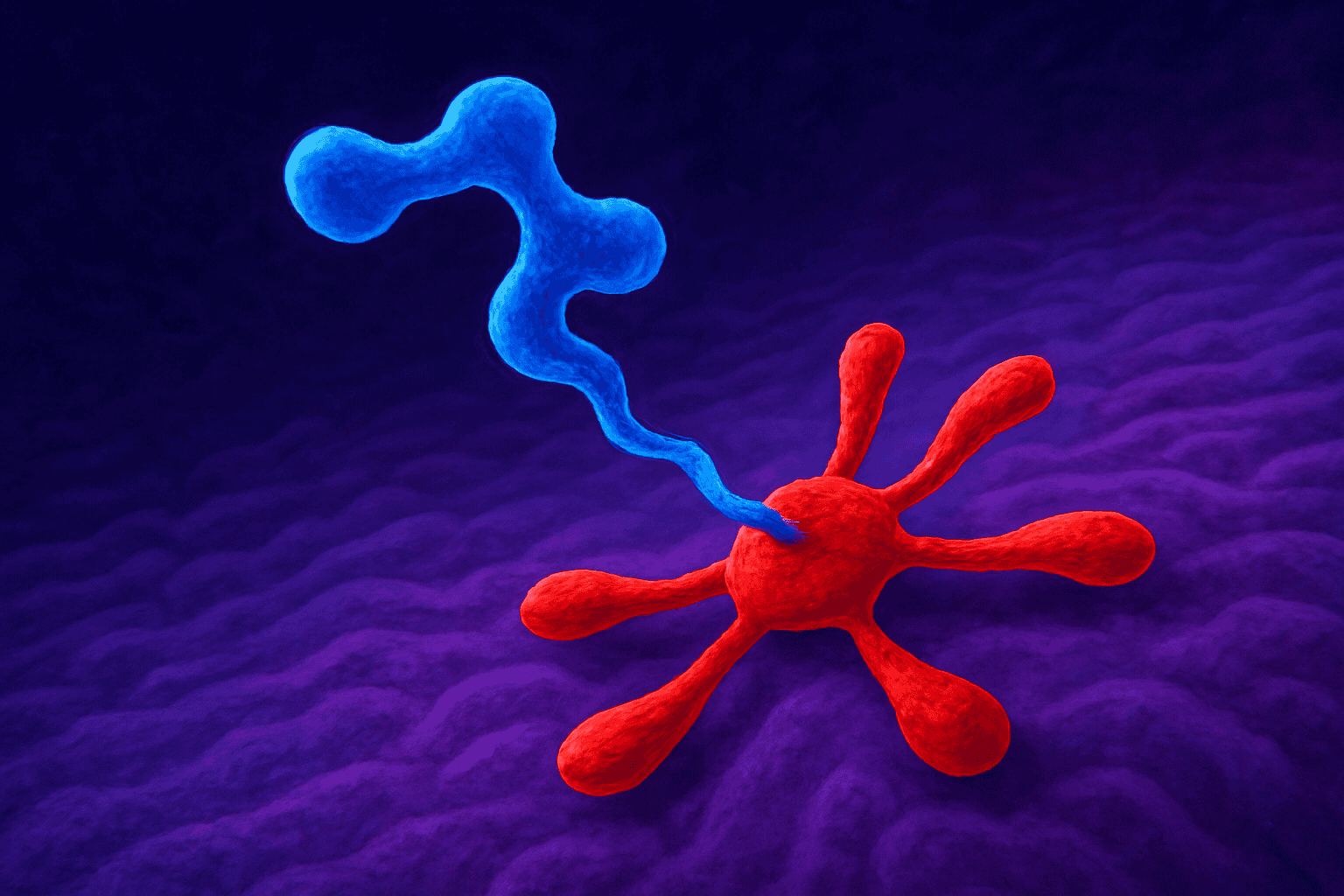
SS-31 carries a net positive charge from its arginine and lysine amino acids. Cardiolipin carries a negative charge from its phosphate head groups. Opposite charges attract — this electrostatic interaction helps SS-31 find and bind to cardiolipin-rich regions of the membrane.
Hydrophobic Insertion
SS-31 also contains hydrophobic (water-repelling) elements — the modified tyrosine (Dmt) and phenylalanine. These portions can partially insert into the lipid bilayer, anchoring the peptide at the membrane surface.
Surface Electrostatics Modulation
Once bound, SS-31 appears to modify the electrical properties of the membrane surface. Mitchell et al. (2020) showed this modulation may influence how membrane proteins interact with cardiolipin.
Mitchell et al. (2020) used biophysical techniques to demonstrate that SS-31 binds mitochondrial lipid bilayers containing cardiolipin, modulating surface charge and potentially influencing the organization of electron transport chain components. (PMID: 32273339)
Why SS-31 Cardiolipin Research Matters
Cardiolipin doesn’t just sit passively in the membrane. It actively organizes the electron transport chain into “supercomplexes” — efficient groupings of protein complexes that work together like a well-coordinated team. When cardiolipin is damaged by oxidative stress (a natural byproduct of energy production), these supercomplexes can fall apart.
Published preclinical research has observed that:
- Cardiolipin damage increases with age in animal models
- Damaged cardiolipin is associated with reduced ATP production efficiency
- SS-31 exposure in preclinical models was associated with improved mitochondrial function parameters
Pharaoh et al. (2023) demonstrated that SS-31 treatment improved ADP sensitivity in aged mitochondria, consistent with cardiolipin-mediated stabilization of the adenine nucleotide translocator. (PMID: 37462785)
Alpha Peptides provides research-grade SS-31 for mitochondrial membrane studies. For a complementary approach using a naturally encoded mitochondrial peptide, see our MOTS-c. All products include batch-specific COAs.
Frequently Asked Questions
What does SS-31 bind to?
SS-31 cardiolipin binding is its primary interaction. Cardiolipin is a four-tailed phospholipid found exclusively in the inner mitochondrial membrane. SS-31 binds through both electrostatic attraction and hydrophobic insertion.
Is cardiolipin found anywhere else in the cell?
Cardiolipin is almost exclusively located in the inner mitochondrial membrane. This compartmentalization is one reason SS-31 accumulates specifically there — it’s attracted to where cardiolipin is concentrated.
Does cardiolipin damage cause problems?
In preclinical models, cardiolipin damage (typically from oxidative stress) has been associated with reduced efficiency of the electron transport chain and decreased ATP production. This is an active area of research.
Is SS-31 the only compound that targets cardiolipin?
SS-31 is the most extensively studied cardiolipin-targeting peptide, but other compounds in the Szeto-Schiller series also interact with mitochondrial membranes. SS-31 has the most published research data.
For research use only. Not for human consumption. This article is intended for informational purposes and does not constitute medical advice, dosing guidance, or therapeutic recommendations.