
· For research use only. Not for human consumption. research grade BPC-157 quality research provides key insights for laboratories.
For research use only. Not for human consumption.
Key Takeaways:
- Research grade BPC-157 quality is defined by HPLC purity of ≥98%, mass spectrometry sequence confirmation, and lot-specific COA documentation.
- Purity alone is insufficient — sequence verification via mass spectrometry is required to confirm the correct amino acid composition of a BPC-157 lot.
- Alpha Peptides supplies verified BPC-157 and a BPC-157 + TB-500 combination product with batch-specific COAs at alpha-peptides.com/coas/.
- Proper storage conditions (lyophilized, below -20°C for long-term preservation) are critical to maintaining compound integrity between synthesis and use.
- The 2026 standard for a quality BPC-157 source is full analytical documentation, not marketing claims.
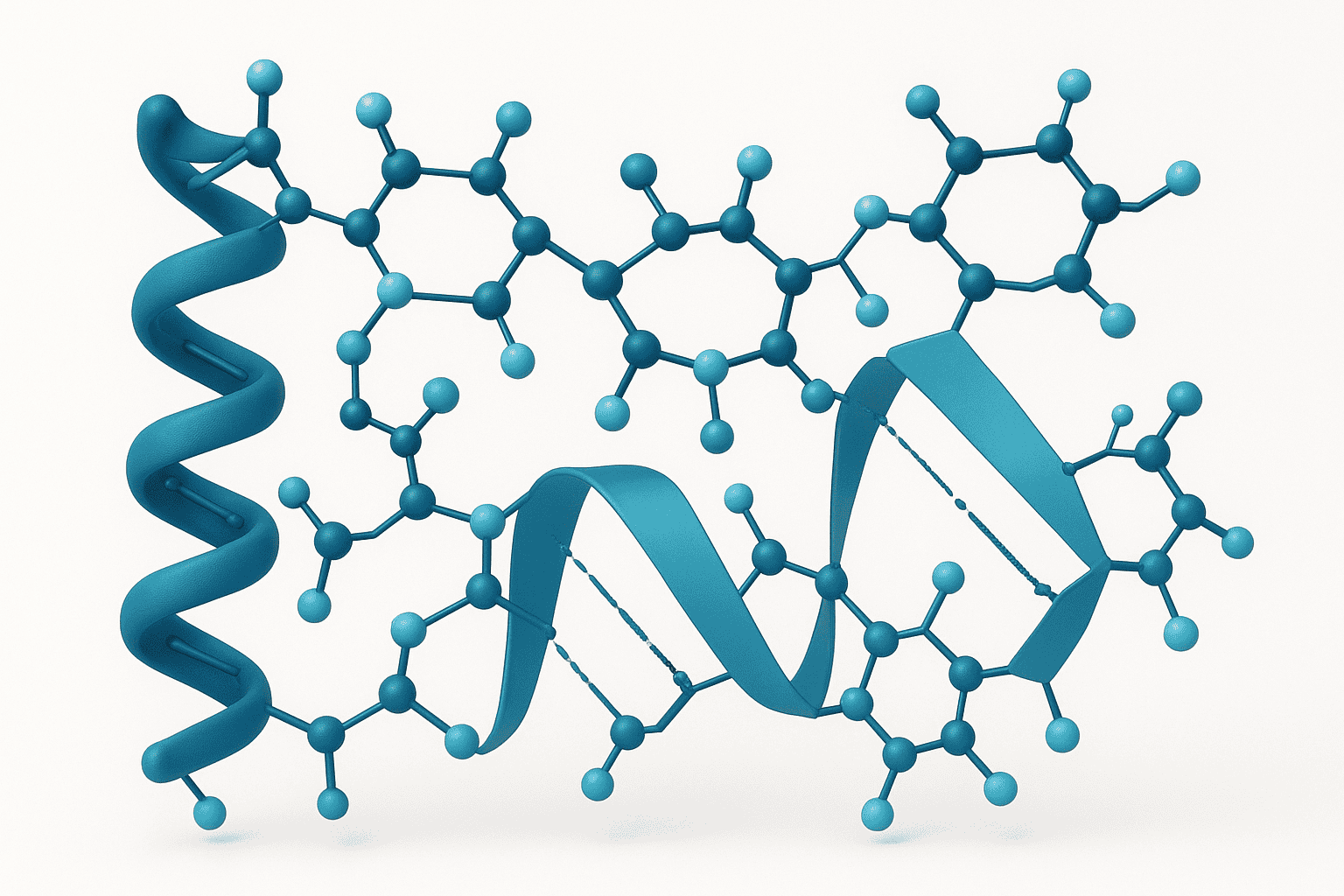
Research grade BPC-157 quality is defined by a specific set of analytical criteria — not by supplier marketing language. BPC-157 (Body Protection Compound 157) is a 15-amino-acid synthetic peptide investigated in preclinical models across a range of cellular and tissue-based research contexts. When laboratories source BPC-157 for research purposes, the compound’s analytical documentation is the primary basis for evaluating whether a given lot meets the minimum threshold for legitimate scientific use. Alpha Peptides, operated by ALPHAPEP LLC in Derry, NH, provides BPC-157 and a BPC-157 + TB-500 combination product with the documentation standard that research grade BPC-157 quality requires.
This article defines what research grade BPC-157 quality means in 2026, what tests are required to verify it, and what characteristics distinguish reliable sources from vendors operating without adequate analytical controls.
What Research Grade BPC-157 Quality Means: The Analytical Standard
Research grade purity for a synthetic peptide like BPC-157 is generally defined as ≥98% purity as measured by HPLC (high-performance liquid chromatography). This threshold reflects the minimum purity level at which a compound can be used in controlled research settings without significant concern that impurities are contributing to observed experimental outcomes.
The 98% threshold is not arbitrary. At purity levels below 95%, the proportion of non-target material in a sample is substantial enough that researchers must account for it in experimental design. At levels below 90%, a compound may not be suitable for research use without prior purification, which is not feasible in most laboratory settings that source externally. The 98%+ standard for research grade BPC-157 quality reflects a widely accepted threshold in the research peptide community for compounds intended for in vitro or preclinical investigation.
Importantly, purity percentage alone is not a complete picture of compound quality. A sample could show high HPLC purity while being composed of a structurally similar but sequentially incorrect compound — a synthesis error where the wrong amino acids were incorporated, for instance. This is why mass spectrometry (MS) confirmation is a required second test for a fully documented research grade BPC-157 lot.
HPLC Verification: How Research Grade BPC-157 Purity Is Measured
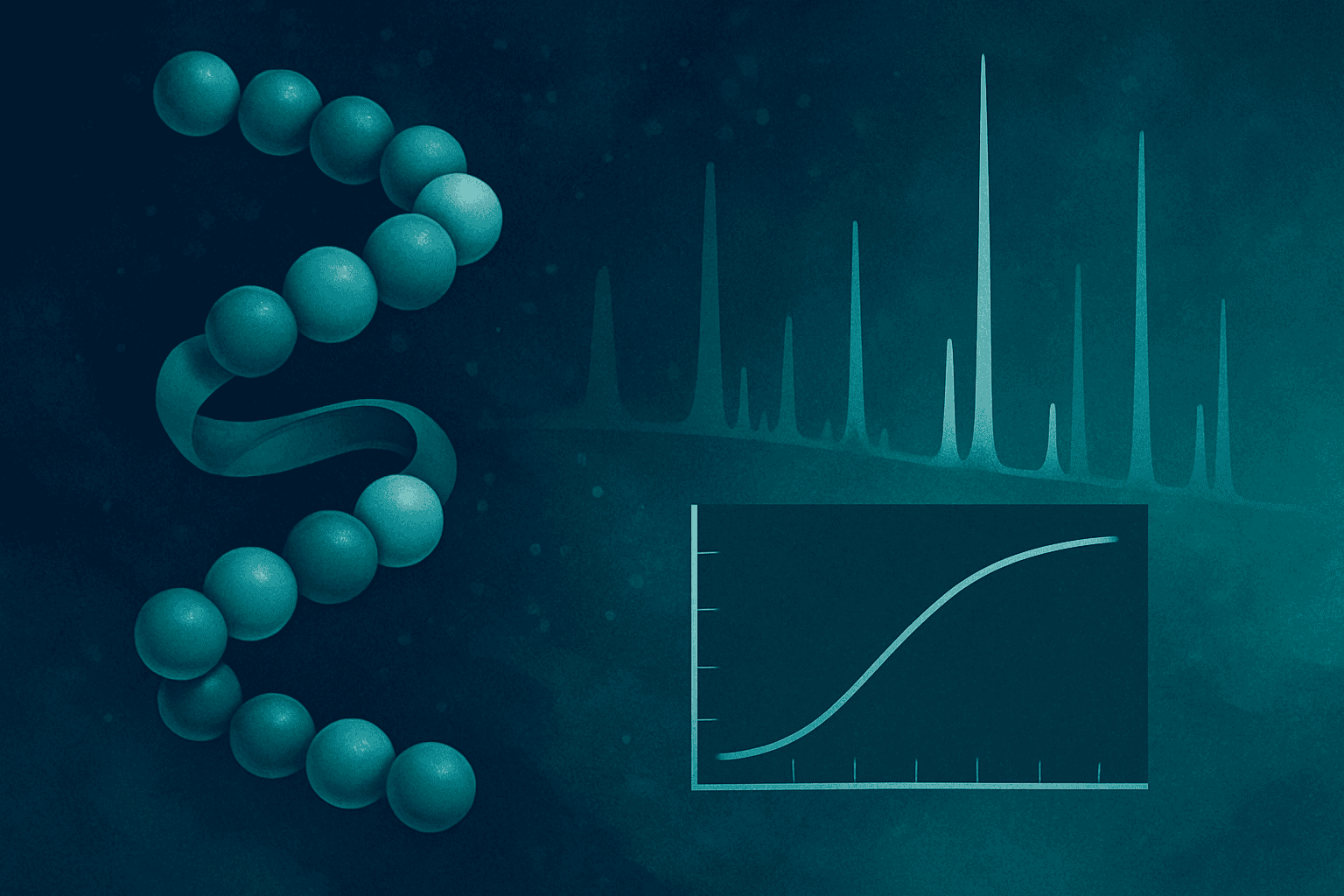
High-performance liquid chromatography works by separating the components of a sample as they pass through a column under high pressure, then detecting each fraction as it exits. For peptides, reversed-phase HPLC using a C18 column and UV detection at 214 nm is the standard configuration. The result is a chromatogram — a visual representation of each detected component as a peak, with peak area proportional to the amount of that component in the sample.
For BPC-157, a high-quality HPLC chromatogram shows a dominant single peak representing the target compound, with minimal secondary peaks. The ratio of the target peak area to total peak area gives the purity percentage. A chromatogram showing a 98.5% purity result means the target compound accounts for 98.5% of all material detected in the run.
Suppliers providing research grade BPC-157 quality documentation should be able to share the actual chromatogram, not just the summary purity number. The chromatogram allows a trained researcher to assess the shape, width, and baseline of the target peak — information that the purity percentage alone cannot convey. Alpha Peptides makes batch-specific COA documentation, including HPLC data, accessible at alpha-peptides.com/coas/.
A 2018 review examining BPC-157 in preclinical studies noted the compound’s sequence as GEPPPGKPADDAGLV and emphasized that amino acid sequence integrity is a prerequisite for drawing valid conclusions from experimental data. Sequence errors introduced during synthesis could produce a compound with different biological activity than the intended target. (Ref: Sikiric et al., Current Pharmaceutical Design, 2018, PMID: 29589545)
Mass Spectrometry: The Sequence Verification Requirement for BPC-157
Mass spectrometry confirms the molecular weight of a compound, which for a peptide corresponds directly to its amino acid sequence. A correctly synthesized BPC-157 molecule has a defined molecular formula and therefore a specific molecular weight detectable by MS analysis. A lot that passes HPLC purity testing but fails MS confirmation — producing a different molecular weight than expected — indicates a synthesis error that purity testing alone would not have caught.
For research grade BPC-157 quality, both HPLC and MS data should appear on the COA. The HPLC result establishes purity; the MS result establishes identity. Together, they provide the analytical basis for confirming that a lot consists of the correct compound at the stated purity level.
Suppliers that provide only a purity percentage without method documentation or MS confirmation are providing incomplete analytical evidence. Researchers evaluating a BPC-157 source should specifically request or locate COA documentation that includes both data types before sourcing a lot for laboratory use.
Proper Storage: Preserving Research Grade BPC-157 Quality After Sourcing
Research grade BPC-157 quality is not solely a function of synthesis and testing — it also depends on proper storage throughout the supply chain and in the receiving laboratory. Lyophilized (freeze-dried) BPC-157 is the standard form for research use because lyophilization removes water from the compound matrix, substantially reducing the rate of degradation relative to solution-phase storage.
For long-term preservation of lyophilized BPC-157, storage at -20°C or below is the standard recommendation. Short-term storage at 4°C (refrigerator temperature) is acceptable for periods of days to weeks, depending on the compound’s specific stability characteristics. Once reconstituted in solution, BPC-157 should be used within a timeframe consistent with the stability data for the specific lot — single-use aliquoting is a common laboratory practice to avoid repeated freeze-thaw cycles that can degrade compound integrity over time.
Domestic sourcing from a supplier like Alpha Peptides, shipping from Derry, NH, reduces the cold chain exposure window to the domestic transit period. This is materially different from an international shipment that may undergo extended and uncontrolled temperature exposure during customs processing, reducing the risk that a compound arrives in a degraded state before it reaches laboratory storage.
What Separates Quality BPC-157 Sources in 2026: A Comparison Framework
| Quality Criterion | Minimum Research Grade Standard | Alpha Peptides’ Practice |
|---|---|---|
| HPLC purity | ≥98% | HPLC data on all COAs with lot-specific percentages |
| Sequence verification | MS confirmation of molecular weight | MS data included in COA documentation where available |
| COA accessibility | Batch-specific, accessible before purchase | Public library at alpha-peptides.com/coas/ |
| Storage format | Lyophilized powder for transit stability | Lyophilized format, domestic cold chain management |
| Compliance labeling | “Research use only” on all materials | Applied on all product pages and fulfillment |
| Domestic sourcing | U.S. address, no customs delays | ALPHAPEP LLC, 84 W Broadway, Derry, NH |
Researchers sourcing BPC-157 in 2026 have access to a well-defined analytical standard that distinguishes verified research grade BPC-157 quality from compounds supported only by marketing assertions. The BPC-157 + TB-500 combination product at Alpha Peptides is available at /product/bpc-157-tb-500/, with COA documentation accessible at alpha-peptides.com/coas/ and the full catalog at alpha-peptides.com/shop/.
Frequently Asked Questions
What purity should research-grade BPC-157 be?
Research-grade BPC-157 is generally held to a minimum purity standard of ≥98% as measured by HPLC. This threshold is consistent with the research peptide community’s standard for compounds intended for in vitro or preclinical investigation. Lots below 95% purity carry a proportionally higher burden of uncharacterized impurities that may affect experimental outcomes.
Does Alpha Peptides sell verified BPC-157?
Yes. Alpha Peptides offers BPC-157 and a BPC-157 + TB-500 combination product, both with batch-specific COAs including HPLC purity data. COA documentation is publicly accessible at alpha-peptides.com/coas/ before any purchase is required. The BPC-157 + TB-500 product is listed at /product/bpc-157-tb-500/.
How is BPC-157 purity tested?
BPC-157 purity is primarily tested using reversed-phase HPLC, which separates the compound’s components chromatographically and quantifies each fraction by peak area. A purity percentage is derived from the ratio of the target peak area to total detected peak area. Mass spectrometry is used as a complementary test to confirm sequence identity by verifying the compound’s molecular weight against the expected value for correctly synthesized BPC-157.
What is a good BPC-157 source for research?
A good BPC-157 source for research provides a batch-specific COA with ≥98% HPLC purity data and mass spectrometry confirmation, ships from a domestic U.S. location to reduce cold chain risk, operates under a clear research-only compliance framework, and makes COA documentation publicly accessible before purchase. Alpha Peptides, based in Derry, NH (ALPHAPEP LLC), meets these criteria with documentation accessible at alpha-peptides.com/coas/.
For research use only. Not for human consumption. This article is intended for informational purposes and does not constitute medical advice, dosing guidance, or therapeutic recommendations.