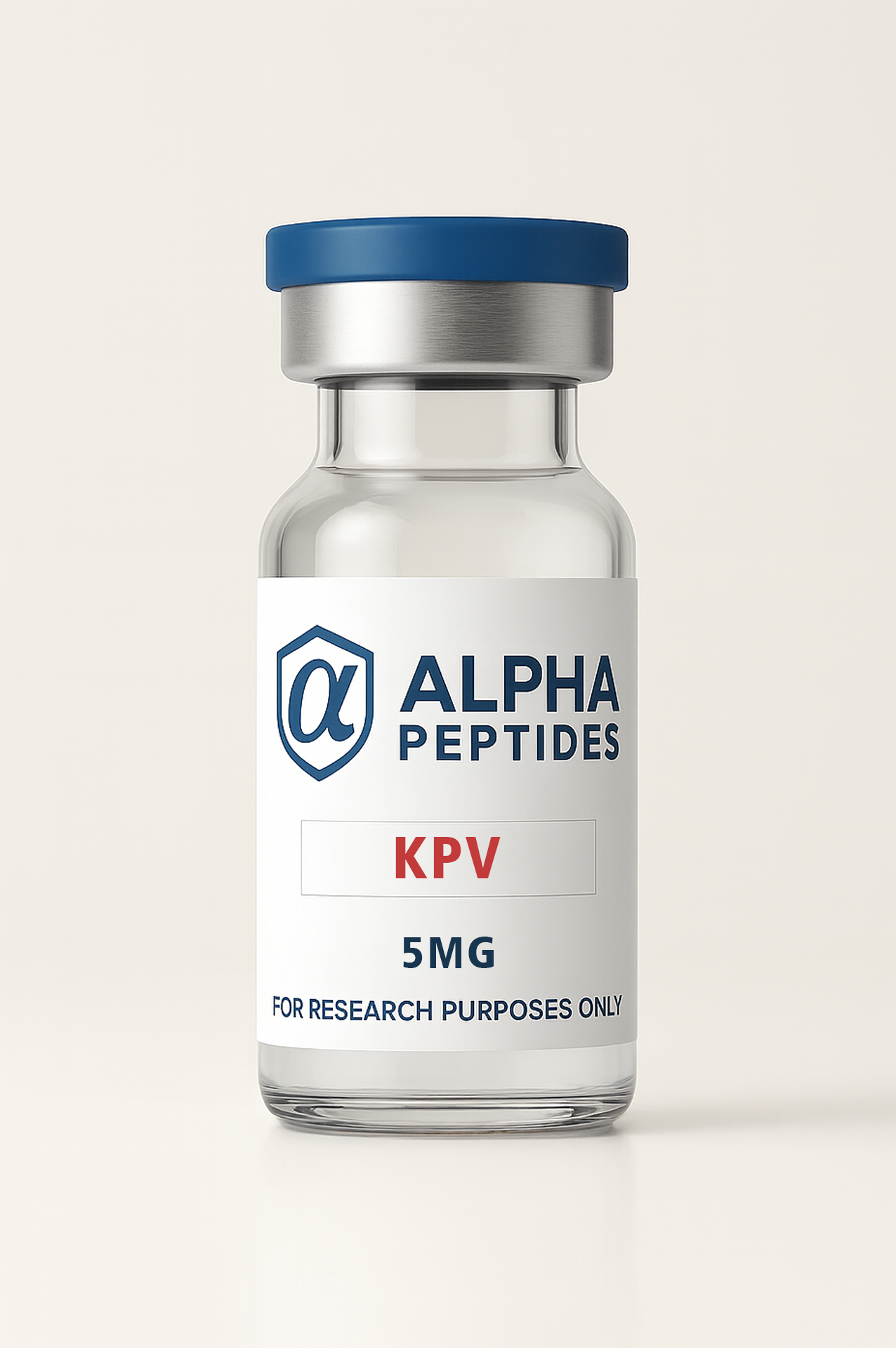
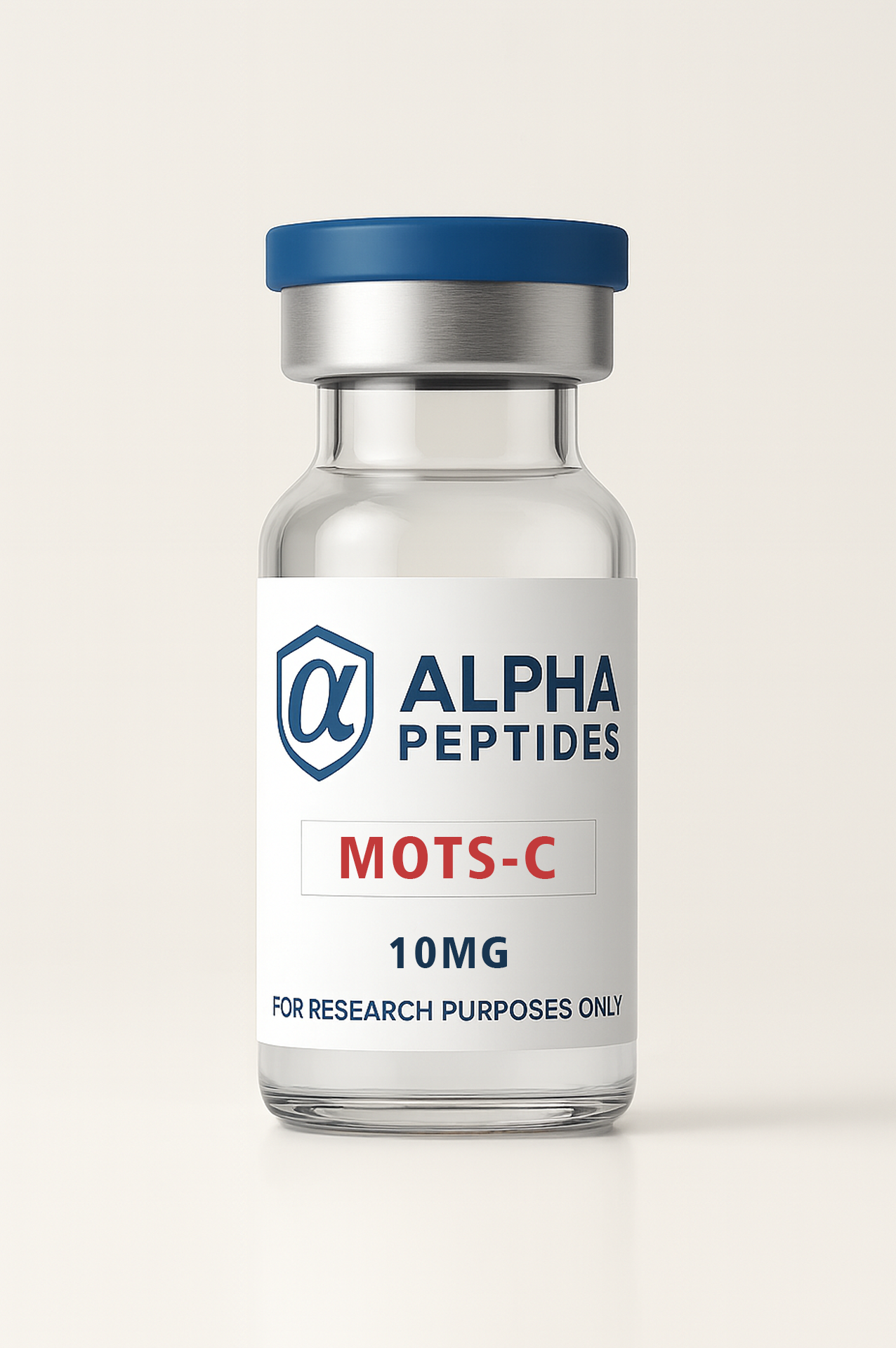
Peptide stacks research is typically framed around how multiple compounds are evaluated together under controlled laboratory conditions. This page keeps that same research sentiment while improving SEO structure and readability.
This article is educational and research-focused only. It does not provide medical advice, treatment claims, dosing protocols, or instructions for human or animal use.
Peptide stacks research and multi-compound study context
In technical workflows, stacked-compound analysis depends on sequence definitions, timing windows, and method consistency. Peptide stacks research records are strongest when each observation is linked to clear metadata and traceable references.

How researchers evaluate synergy context in peptide stacks research
- Identity-aligned confirmation across compounds
- Purity profile context for each component
- Stability behavior under defined conditions
- Run-level and batch-level traceability links
A practical rule is to separate observed outputs from interpretation notes. This improves peer-review clarity and lowers ambiguity in archive comparisons.

Recovery and metabolic context in documentation-first studies
When the topic includes recovery context or metabolic pathway observations, technical value comes from explicit condition notes, timestamps, and neutral language. Context-linked records make longitudinal comparisons far more reliable.
For non-specialists, a clear reading sequence is definition, observation, and reference context. For technical readers, method labels and source records should remain explicit in every section.
Internal and external references
External references: Peptide overview and PubMed index.

Documentation quality controls for stacked-compound studies
High-quality records preserve method identifiers, run dates, condition summaries, and stable terminology across updates. This supports reproducibility and improves technical SEO consistency.
In collaborative teams, traceable evidence chains reduce rework and improve handoff speed. Neutral, evidence-linked writing supports compliance while retaining scientific utility.
Conclusion
Peptide stacks research pages perform best when synergy context, metabolic study design, and traceable documentation are aligned in clear, structured scientific language.
Research Use Disclaimer
For Research Use Only. Not for human or animal use. Not intended to diagnose, treat, cure, or prevent any disease.
Compliance + SEO review completed.

Extended peptide stacks research context: multi-compound evaluations require clear run-level metadata, condition mapping, and sequence-specific annotations so analysts can compare outputs across time without reconstructing assumptions. This documentation discipline improves reproducibility and reduces interpretation drift in collaborative review cycles.
In peptide stacks research archives, stable terminology across headings and summaries is a quality-control advantage. When labels remain consistent, both technical and non-technical reviewers can track methodological continuity and detect meaningful changes more quickly.
A practical editorial framework is to keep every section aligned to three layers: definition, observation, and traceability context. This format supports technical SEO performance while preserving scientific clarity in long-form pages.
Additional depth for peptide stacks research: context-linked records help distinguish condition-dependent variation from documentation noise, which improves confidence in longitudinal comparisons.
Operational note: neutral language and source-linked statements keep mechanism discussion compliant while maintaining analytical usefulness.
Final continuity extension for audit readiness and structured technical readability over time.
Length extension for peptide stacks research SEO: when teams document stack-level comparisons, records should include explicit method identifiers, timing windows, matrix context, and source references for every major observation. This ensures summary language remains verifiable and reduces interpretation drift during later review cycles.
From a documentation-quality perspective, peptide stacks research pages perform better when terminology remains stable across revisions and each claim is linked to observable context. This consistency supports reproducible interpretation, faster handoffs, and clearer archive comparisons across multidisciplinary teams.
Final extension: structured headings, context-linked notes, and traceable evidence chains improve both technical readability and long-term search clarity for research-focused content.
Additional peptide stacks research documentation note: archive reliability increases when reviewers can trace each conclusion to a dated method context, source-linked observation, and consistent terminology set. This practice improves reproducibility and keeps long-form technical content easier to validate, update, and compare over time across team handoffs.