
· For research use only. Not for human consumption.
For research use only. Not for human consumption.
You have just received a new research peptide, and you need to dissolve it. You add water, swirl the vial, and wait. Sometimes the powder dissolves instantly. Other times it stubbornly refuses to go into solution. If you have ever experienced this frustration, you need a peptide solubility guide that explains why some peptides dissolve easily and others require a completely different approach.
Solubility is not random. It depends on the chemical properties of each specific peptide, particularly whether it is attracted to or repelled by water. Understanding these properties allows you to choose the right solvent the first time, saving you from wasting expensive materials on failed dissolution attempts.
This article covers everything a researcher needs to know about dissolving peptides, from the basic science of solubility to practical tips for handling difficult sequences. All research peptides from Alpha Peptides come with purity data that can help inform your solvent selection.
TL;DR: Peptide solubility depends on amino acid composition. Hydrophilic (water-loving) peptides dissolve easily in water or buffer. Hydrophobic (water-avoiding) peptides may require organic solvents like DMSO or dilute acetic acid. Charged peptides generally dissolve better in water. Start with the mildest solvent first, and adjust pH or use co-solvents if needed. Never add a large volume of solvent all at once to a peptide that resists dissolving.
For research use only. Not for human consumption.
Peptide solubility guide: Why Some Peptides Dissolve Easily and Others Do Not
The golden rule of solubility is “like dissolves like.” Substances tend to dissolve best in solvents that have similar chemical properties. Water is polar (meaning it has unevenly distributed electrical charge), so polar and charged peptides dissolve well in water. Nonpolar, greasy peptides do not.
Every peptide is made up of a chain of amino acids, and each amino acid has different properties. Some are hydrophilic (water-loving) — they have charged or polar side chains that interact favorably with water molecules. Others are hydrophobic (water-avoiding) — they have oily, nonpolar side chains that prefer to avoid water.
A peptide’s overall solubility depends on the balance of hydrophilic and hydrophobic amino acids in its sequence. A peptide made mostly of charged amino acids like lysine, arginine, aspartic acid, and glutamic acid will typically dissolve readily in water. A peptide loaded with hydrophobic amino acids like leucine, valine, isoleucine, and phenylalanine will resist dissolving in water and may require an organic solvent.
Common Solvents for Peptide Research
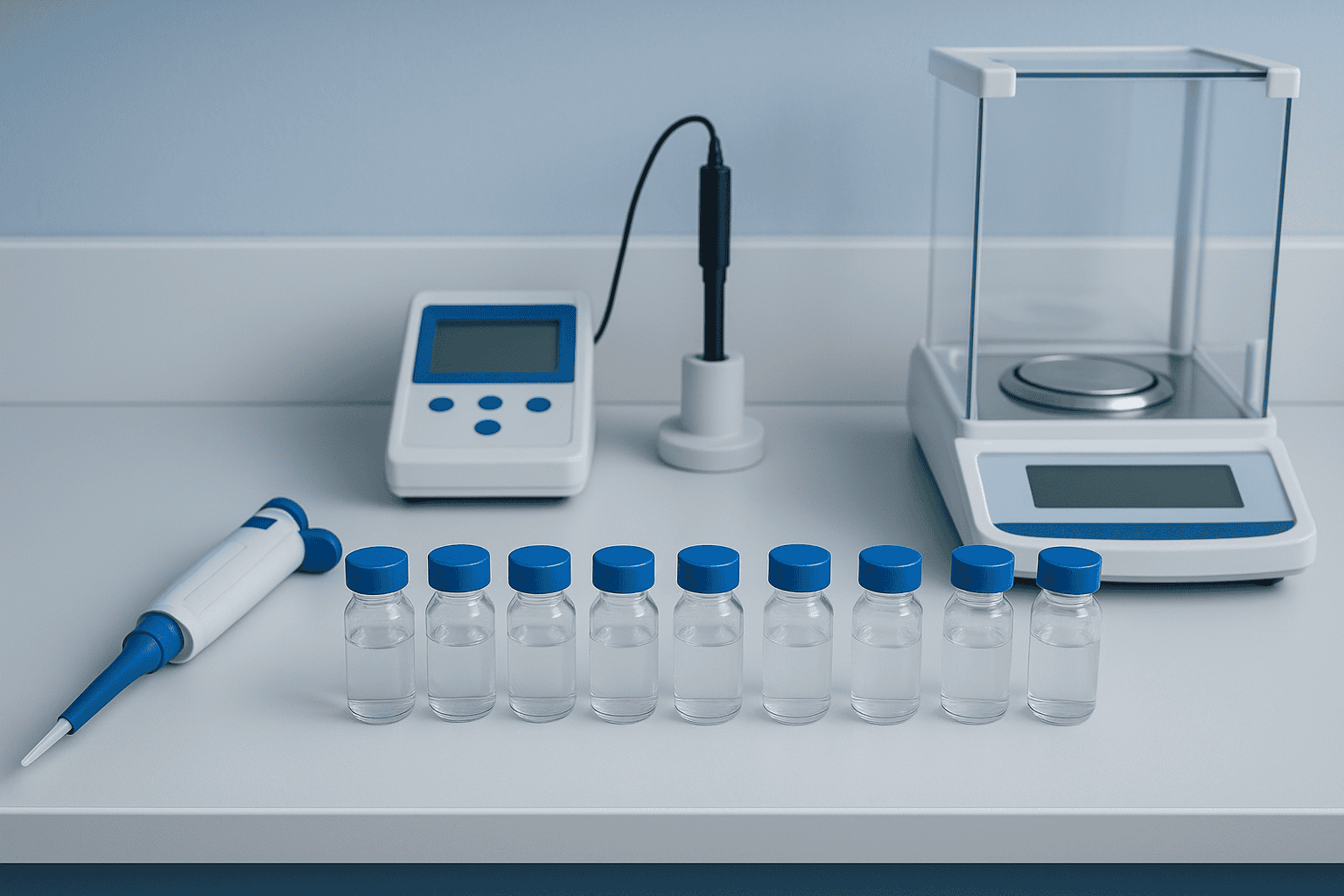
Here is a practical peptide solubility guide to the most commonly used solvents, from mildest to strongest:
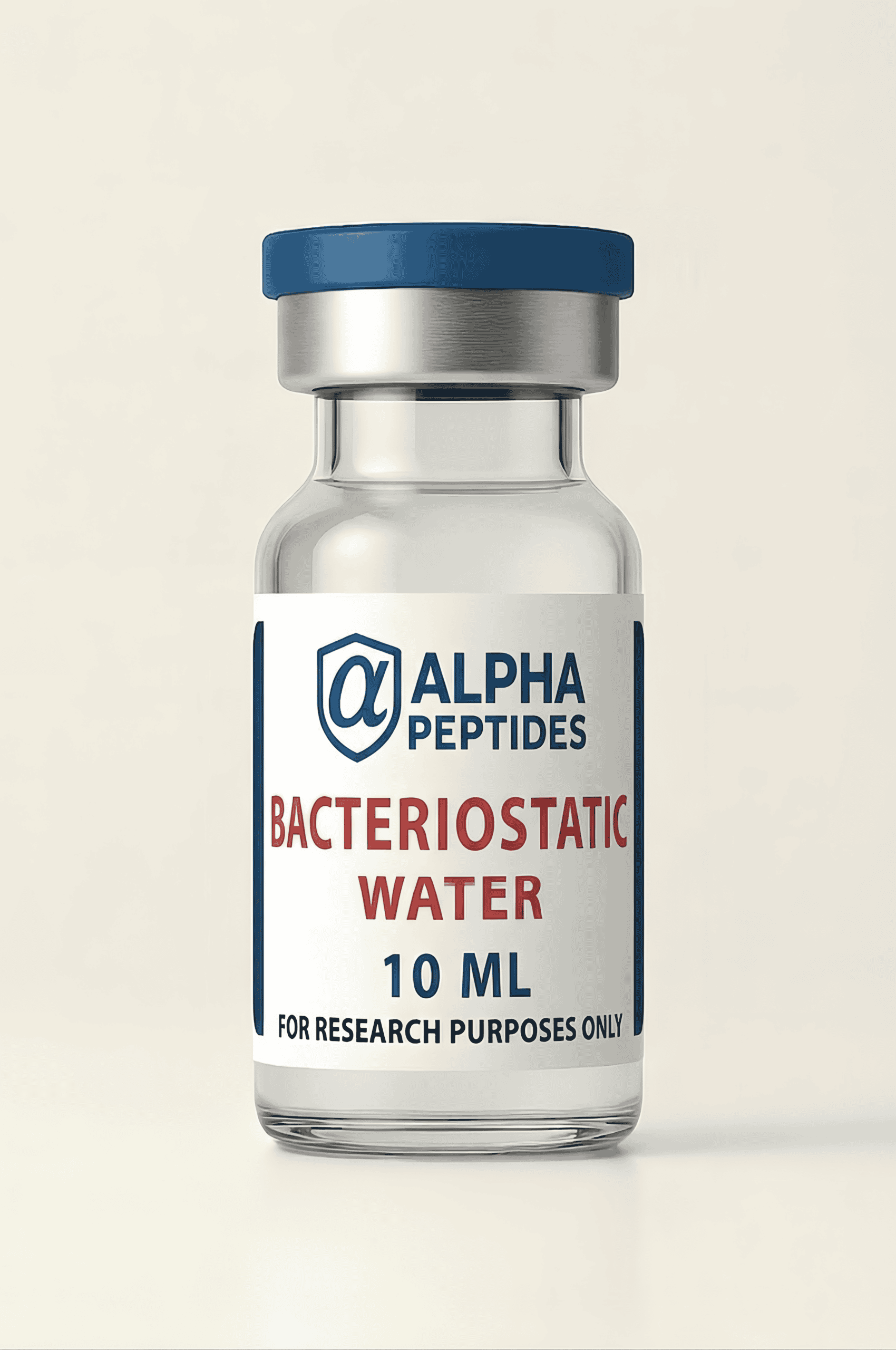
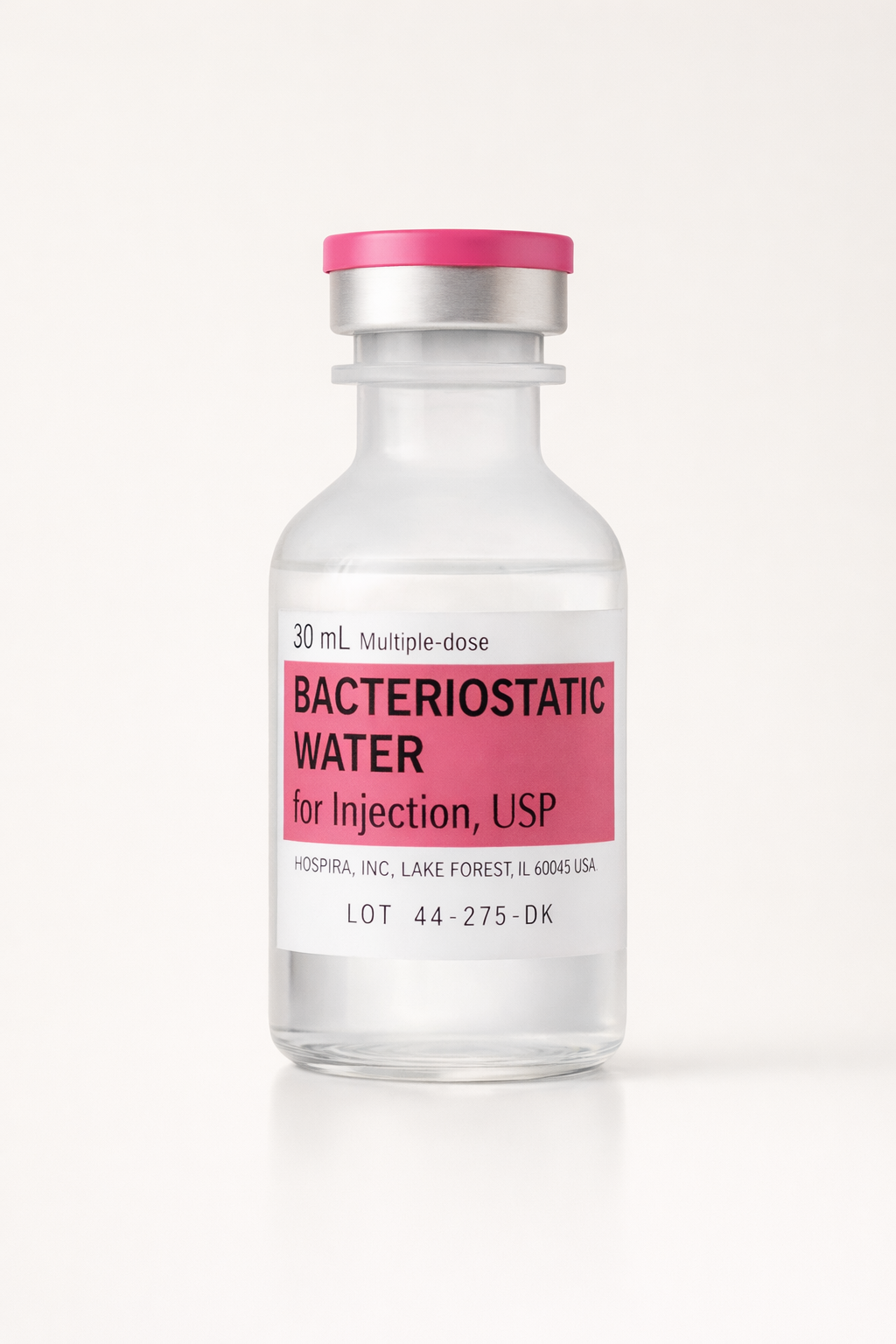
- Water (or bacteriostatic water): Always try water first. It works for most peptides that have a net charge or contain many polar amino acids. Bacteriostatic water is the standard choice for multi-use applications.
- Dilute acetic acid (0.1% to 1%): Good for basic (positively charged) peptides. The mild acid protonates the peptide, adding positive charges that improve water solubility. This is a very common second-choice solvent.
- Dilute ammonium hydroxide or sodium bicarbonate solution: Good for acidic (negatively charged) peptides. The mild base deprotonates acidic groups, increasing negative charges and water solubility.
- DMSO (dimethyl sulfoxide): A powerful organic solvent that dissolves most peptides, including hydrophobic ones that resist water. DMSO is the “universal solvent” for peptides but should be used only when aqueous solvents fail because it is difficult to remove and may interfere with some assays.
- DMF (dimethylformamide): Another organic solvent used for very hydrophobic peptides. Similar to DMSO in effectiveness but with different compatibility considerations.
- Acetonitrile-water mixtures: A blend of organic and aqueous solvents that can dissolve moderately hydrophobic peptides. Common in analytical chemistry and HPLC applications.
How Charge Affects Peptide Solubility
The overall charge of a peptide at a given pH has a powerful effect on its water solubility. Charged molecules interact strongly with water, which is itself a polar solvent. The more charges a peptide carries, the more soluble it tends to be in aqueous solutions.
Every peptide has a characteristic isoelectric point (pI) — the pH at which its net charge is zero. At its isoelectric point, a peptide is at its minimum solubility in water because it carries no net charge to attract water molecules.
This is why adjusting pH can dramatically improve solubility. If your peptide will not dissolve at neutral pH (around 7), moving the pH up or down can add charges to the molecule and bring it into solution. Acidic peptides dissolve better at higher pH. Basic peptides dissolve better at lower pH.
You do not need to be a chemistry expert to use this principle. Simply knowing whether your peptide is acidic, basic, or neutral guides your solvent choice. If the amino acid sequence contains more arginine and lysine (basic), try dilute acetic acid. If it contains more aspartic acid and glutamic acid (acidic), try a slightly basic solution.
Tips for Dissolving Difficult Peptides
If you have tried water and your peptide will not dissolve, do not panic. Here are practical strategies that work for most stubborn sequences:
- Start with a small volume of strong solvent: Add a small amount of DMSO first (just enough to wet the powder and get it into solution), then slowly dilute with water or buffer to reach your desired final volume. This co-solvent approach works well for moderately hydrophobic peptides.
- Try sonication: Placing the vial in an ultrasonic water bath for a few minutes can help break up aggregates and speed dissolution. Do not sonicate for too long, as excessive energy can damage some peptides.
- Warm gently: Slightly warming the solvent (not above 30-37 degrees Celsius) can improve solubility. Never heat peptides aggressively, as high temperatures cause degradation.
- Adjust pH: As discussed above, moving the pH away from the peptide’s isoelectric point can dramatically improve solubility.
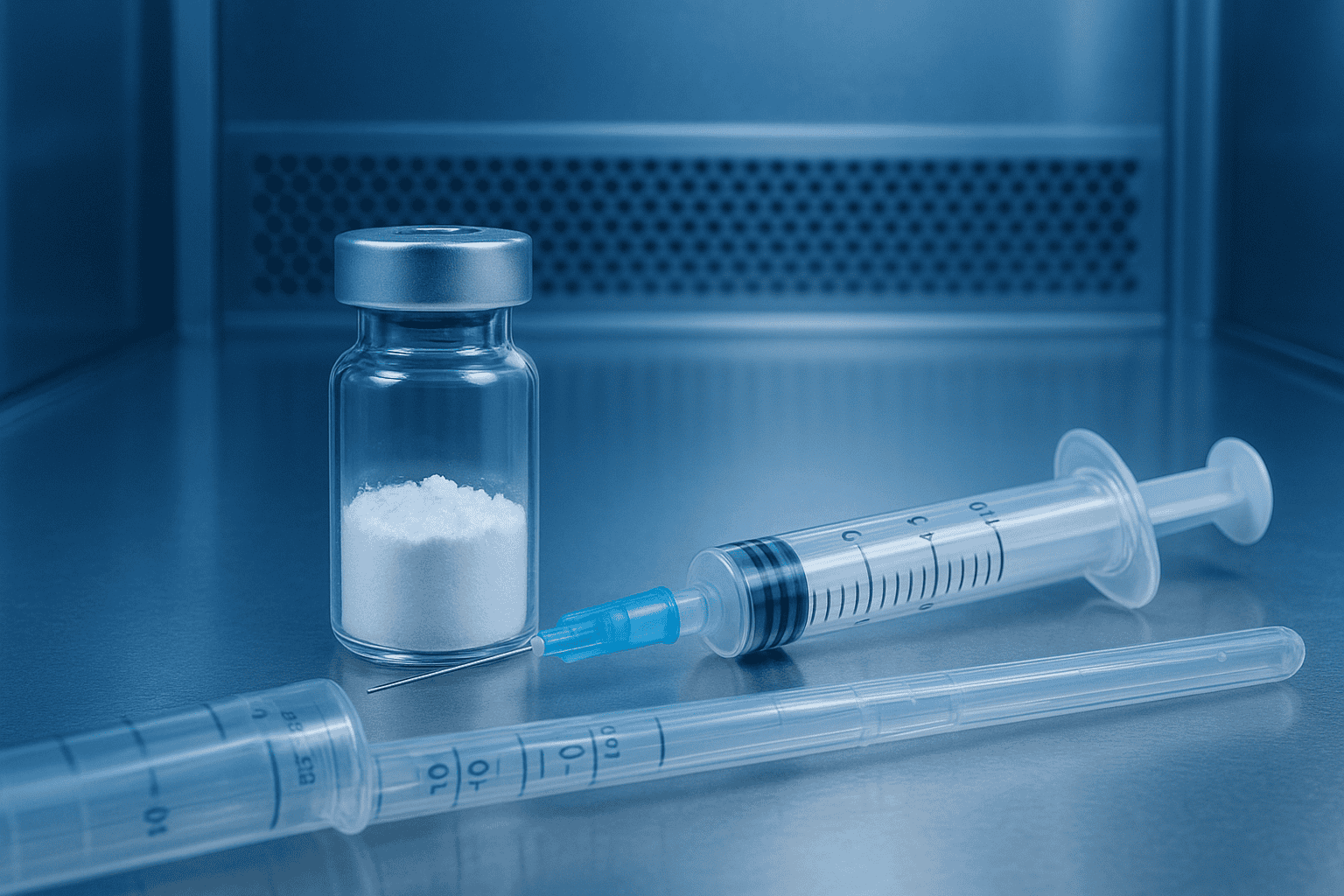
- Add solvent to peptide, not peptide to solvent: Always add your solvent directly to the vial containing the lyophilized peptide. Do not try to transfer dry peptide powder to another container, as you will lose material due to static and adhesion.
Common Mistakes to Avoid
Several common mistakes can create solubility problems where none should exist:
Adding too much solvent at once: If you flood a vial with solvent, the peptide may form a gel or clump at the bottom instead of dissolving. Add solvent gradually and mix between additions.
Vortexing aggressively: High-speed vortexing can cause foaming and may denature some peptides, especially larger ones. Gentle swirling or slow rotation is usually sufficient.
Using the wrong solvent from the start: Adding water to a very hydrophobic peptide can cause it to aggregate into clumps that are then very difficult to dissolve even after switching to an organic solvent. Research the peptide’s properties before choosing your first solvent.
Ignoring temperature: Some peptides dissolve much better at slightly elevated temperatures. If room-temperature dissolution is slow, a brief period in a lukewarm water bath may help.
Quality materials make dissolution easier. High-purity peptides from Alpha Peptides dissolve more predictably than lower-purity alternatives because they contain fewer impurities that can interfere with solubility. Check our Certificates of Analysis for purity verification on every product.
Frequently Asked Questions
Should I always try water first?
Yes, unless you already know from prior experience or published literature that the peptide is hydrophobic. Starting with the mildest solvent and escalating only if needed protects the peptide from unnecessary exposure to harsh chemicals.
Can I mix DMSO-dissolved peptide into a water-based experiment?
In many cases, yes, as long as the final DMSO concentration is low enough that it does not interfere with your assay. A common approach is to dissolve the peptide in a small volume of DMSO and then dilute into aqueous buffer so that DMSO is less than 1-2% of the final volume.
What if my peptide still will not dissolve after trying multiple solvents?
Persistent insolubility may indicate aggregation, degradation, or a peptide that simply requires very specific conditions. Try brief sonication, gentle warming, or pH adjustment. If nothing works, the peptide may have degraded during storage or shipping.
Does purity affect solubility?
Yes. Impurities such as residual salts, truncated sequences, or chemical byproducts from synthesis can affect how a peptide behaves in solution. Higher-purity peptides generally exhibit more predictable and reproducible solubility behavior.
For research use only. Not for human consumption. This article is intended for informational purposes and does not constitute medical advice, dosing guidance, or therapeutic recommendations.