
· For research use only. Not for human consumption.
For research use only. Not for human consumption.
You have invested in research peptides, and you want to make sure they last. One of the most common questions researchers ask is: how long can I keep my peptides before they go bad? Understanding peptide shelf life is essential for planning your research timeline and getting the most value from your materials.
The answer depends on several factors, most importantly whether the peptide is in its freeze-dried (lyophilized) powder form or has been reconstituted into a liquid solution. These two forms have very different storage lives, and knowing the difference can save you from accidentally using degraded materials.
This guide covers everything you need to know about how long peptides last under different storage conditions. Whether you stock up from Alpha Peptides or order as needed, proper storage knowledge helps you get the most from every vial.
TL;DR: Lyophilized (freeze-dried) peptides can last months to years when stored properly at -20 degrees Celsius or below. Reconstituted (liquid) peptides have a much shorter usable life — typically days to weeks when refrigerated, or a few months when frozen as aliquots. Temperature is the single biggest factor affecting peptide shelf life. Keep peptides as cold as practical and minimize exposure to heat, light, and moisture.
For research use only. Not for human consumption.
Lyophilized Peptides: The Most Stable Form: Peptide shelf life Insights
Lyophilization, or freeze-drying, removes virtually all water from the peptide product. This is important because water is a key ingredient in most degradation reactions. Without water, the chemical reactions that break down peptides proceed extremely slowly or not at all.
A properly lyophilized peptide stored in a sealed vial at -20 degrees Celsius (standard freezer temperature) can remain stable for two years or more in many cases. Some highly stable peptides can last even longer. At -80 degrees Celsius (ultra-cold freezer), stability can extend further still.
Even at room temperature, lyophilized peptides are more stable than their reconstituted counterparts. A sealed vial left at room temperature for a few weeks during shipping or temporary storage will generally be fine, though this is not recommended for long-term storage. Think of freeze-dried peptides like dried pasta — removing the moisture dramatically extends the product’s useful life.
The key enemies of lyophilized peptides during storage are moisture and heat. If moisture gets into the vial, it reintroduces the water that makes degradation possible. High temperatures accelerate chemical reactions even in dry conditions. Keep vials sealed tightly and stored cold for maximum peptide shelf life.
Reconstituted Peptides: A Shorter Clock
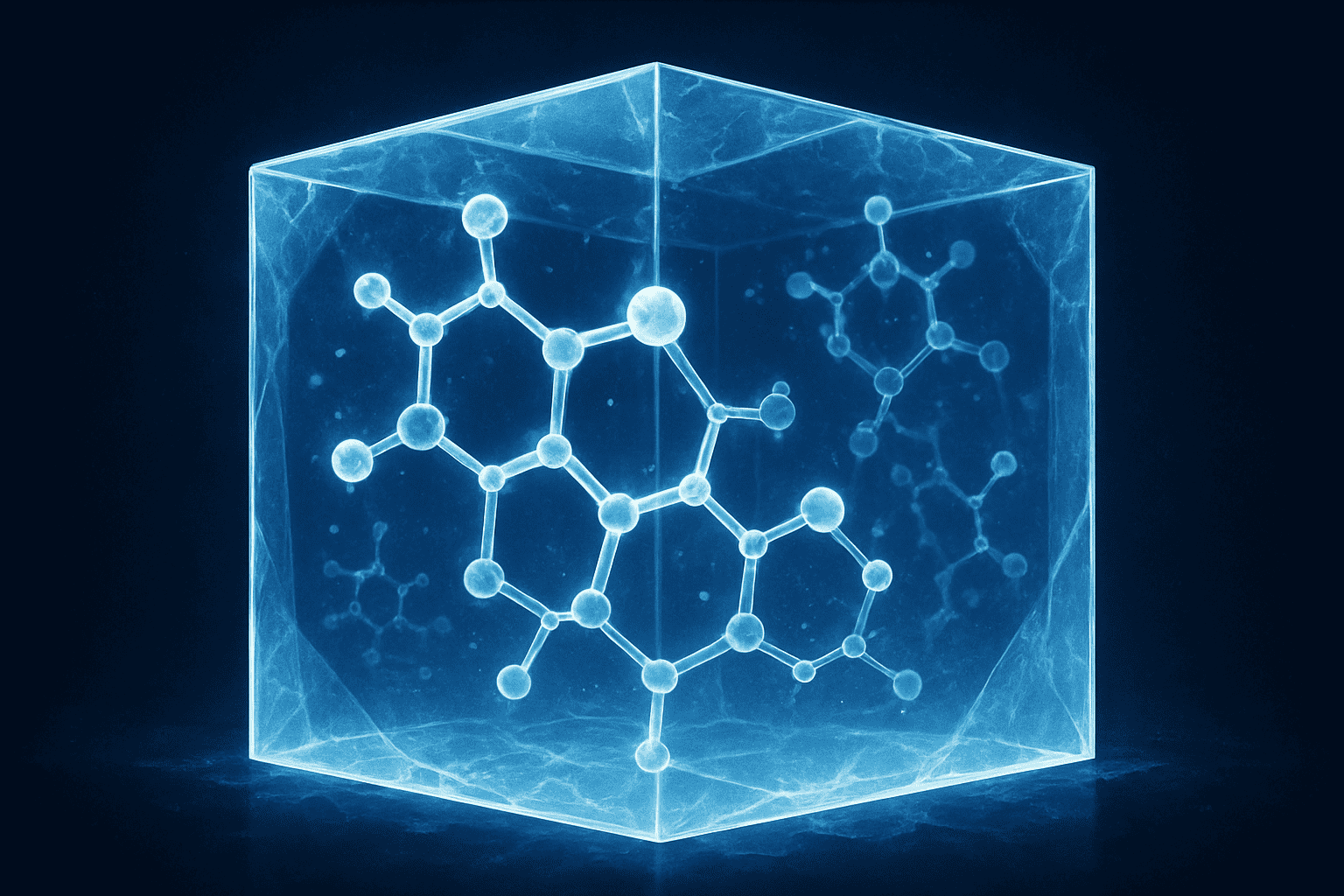
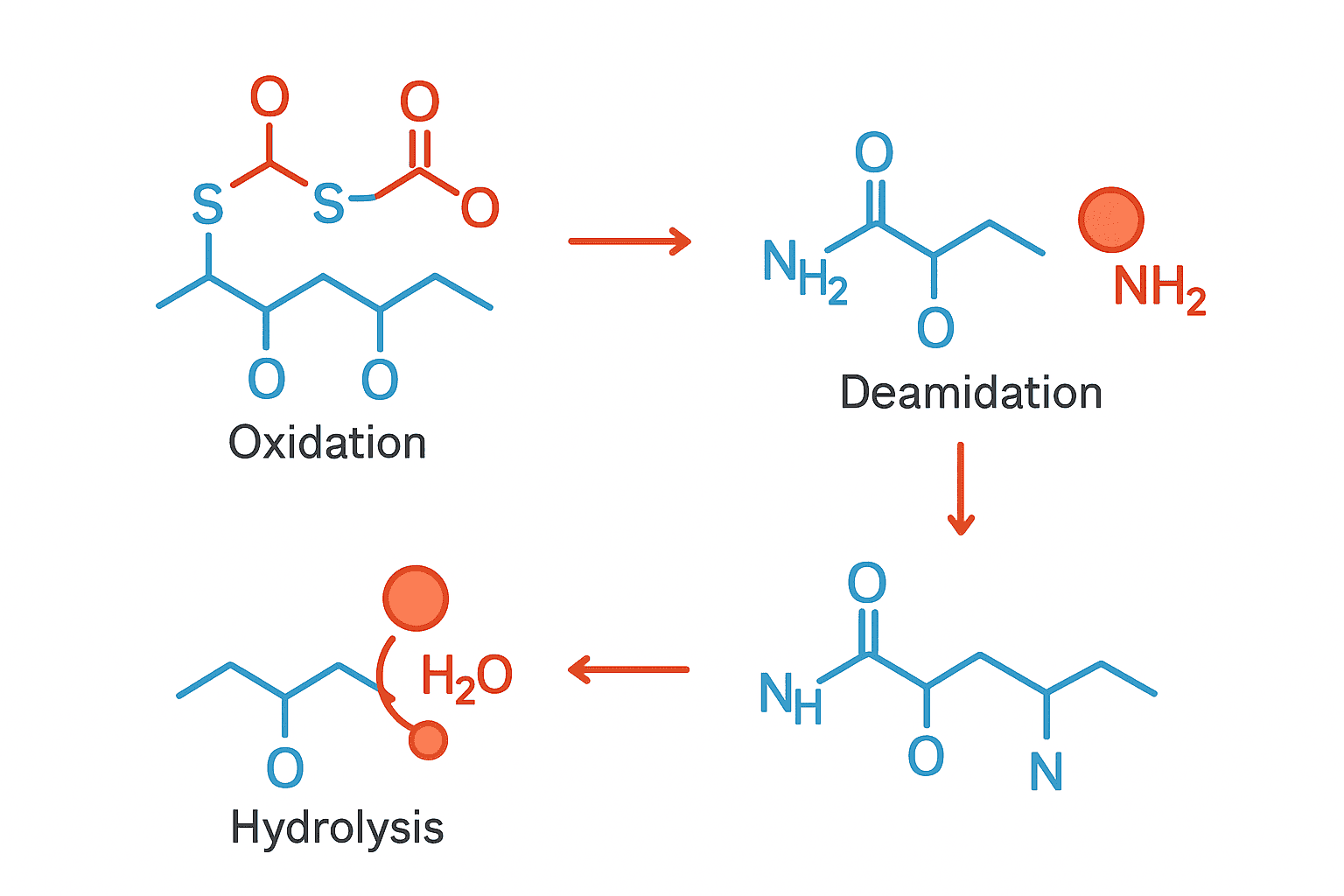
Once you add solvent to a lyophilized peptide, the stability clock starts ticking much faster. Water reactivates all the degradation pathways that lyophilization had paused, and the peptide is now vulnerable to hydrolysis (breakdown by water), oxidation, and microbial contamination.
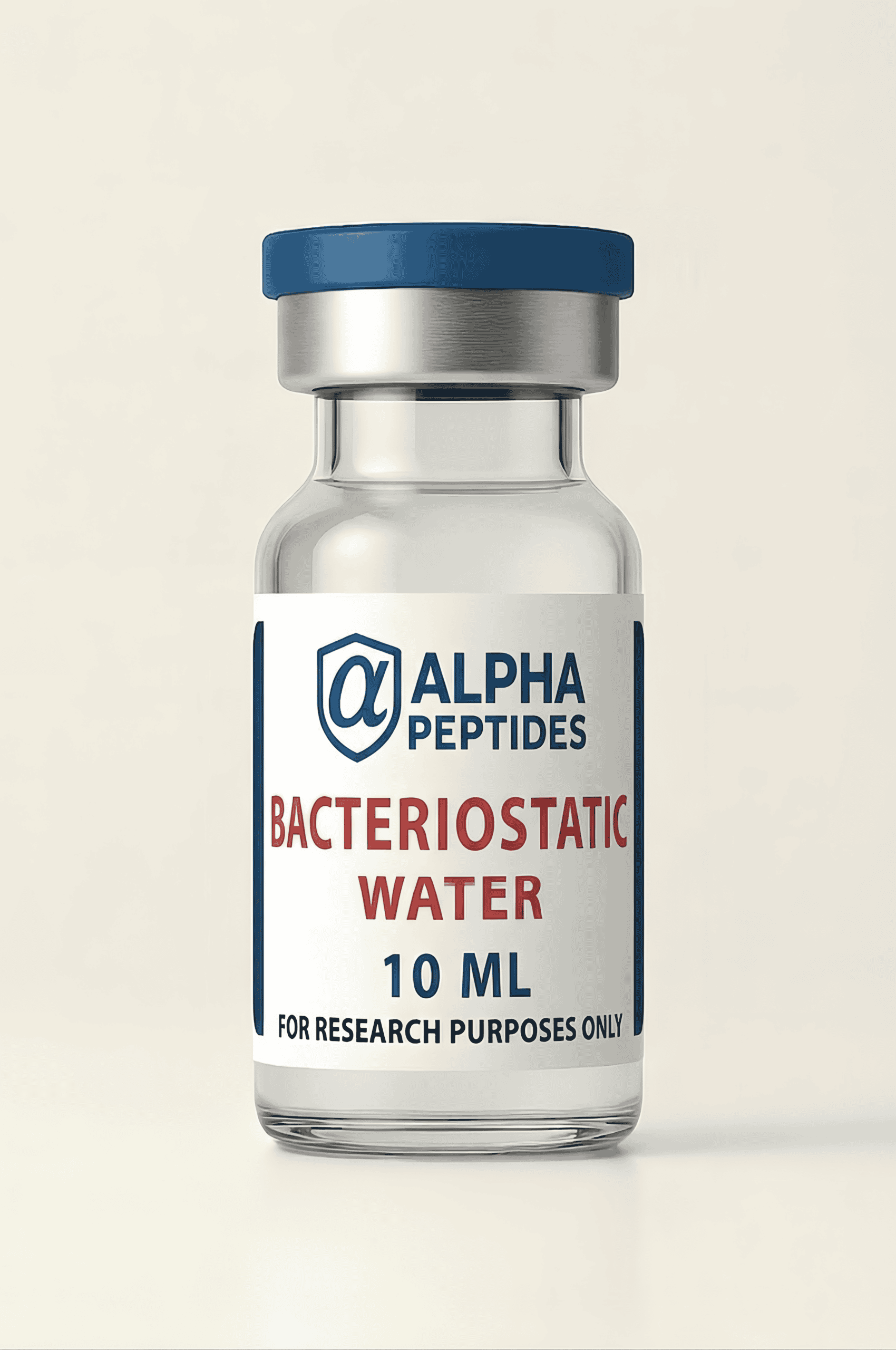
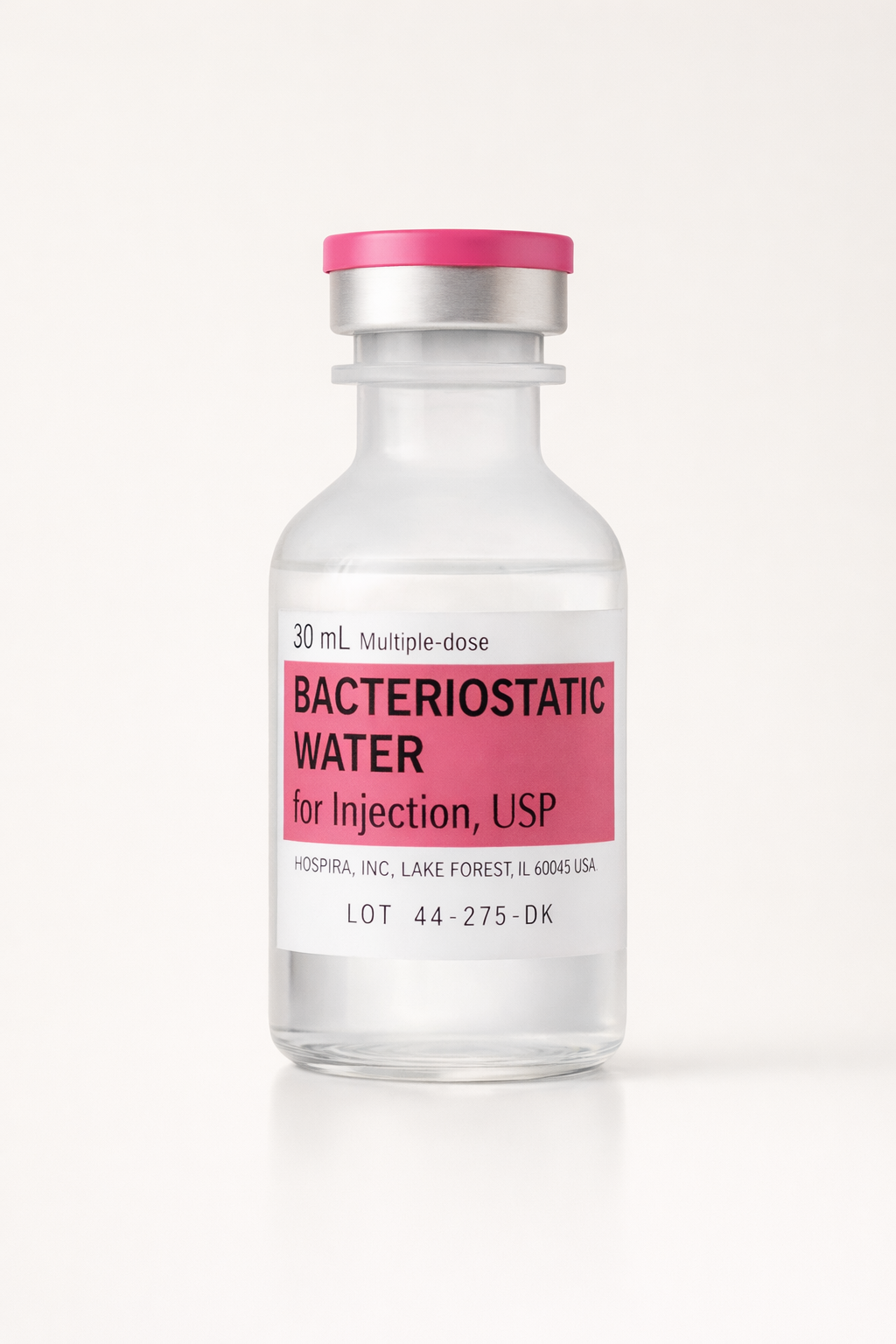
A reconstituted peptide stored in the refrigerator (2-8 degrees Celsius) is generally usable for a few days to a few weeks, depending on the specific peptide and the solvent used. Using bacteriostatic water as the solvent extends this window because the benzyl alcohol preservative prevents bacterial growth, which is one of the fastest causes of degradation in reconstituted solutions.
For longer storage of reconstituted peptides, freezing is the way to go. Divide your reconstituted solution into single-use aliquots and store them at -20 degrees Celsius or below. Frozen aliquots of reconstituted peptide can remain usable for several months, though this varies by peptide. The critical rule is to minimize freeze-thaw cycles by only thawing what you need each time.
Temperature: The Single Biggest Factor
If there is one thing to remember about peptide shelf life, it is this: colder is better. Temperature affects the rate of virtually every degradation process that peptides undergo.
A general rule of chemistry is that reaction rates roughly double for every 10-degree Celsius increase in temperature. This means a peptide stored at 25 degrees Celsius (room temperature) degrades roughly four times faster than the same peptide stored at 4 degrees Celsius (refrigerator). Moving to -20 degrees Celsius (freezer) slows degradation even further.
This principle applies to both lyophilized and reconstituted peptides, though the effect is more dramatic for reconstituted solutions where degradation is already proceeding faster due to the presence of water.
Brief temperature excursions — like the time a vial spends on your bench during handling — are generally not a concern as long as you return the peptide to cold storage promptly. It is prolonged exposure to elevated temperatures that causes real problems.
How to Tell If a Peptide Has Degraded
Unfortunately, peptide degradation is often invisible. A solution can look perfectly clear and normal while containing a significant percentage of degraded, non-functional molecules. However, there are some signs to watch for:
- Color changes: Most peptide solutions should be clear and colorless. Yellowing or any other color change suggests chemical degradation.
- Cloudiness or particles: A solution that was previously clear but has become cloudy or shows visible particles may contain aggregated (clumped) peptide.
- Difficulty dissolving: If a lyophilized peptide that previously dissolved easily now resists going into solution, it may have absorbed moisture and partially degraded during storage.
- Inconsistent research results: If your experiments suddenly show different results with the same protocol, degraded peptide is one of the first things to investigate.
The most definitive way to check peptide integrity is analytical testing. HPLC (high-performance liquid chromatography) can reveal degradation products and confirm whether the peptide is still intact. Alpha Peptides provides batch-specific Certificates of Analysis with HPLC data so you know the quality of your starting material.
General Storage Guidelines for Your Research Lab
Here is a practical summary of storage best practices to maximize peptide shelf life:
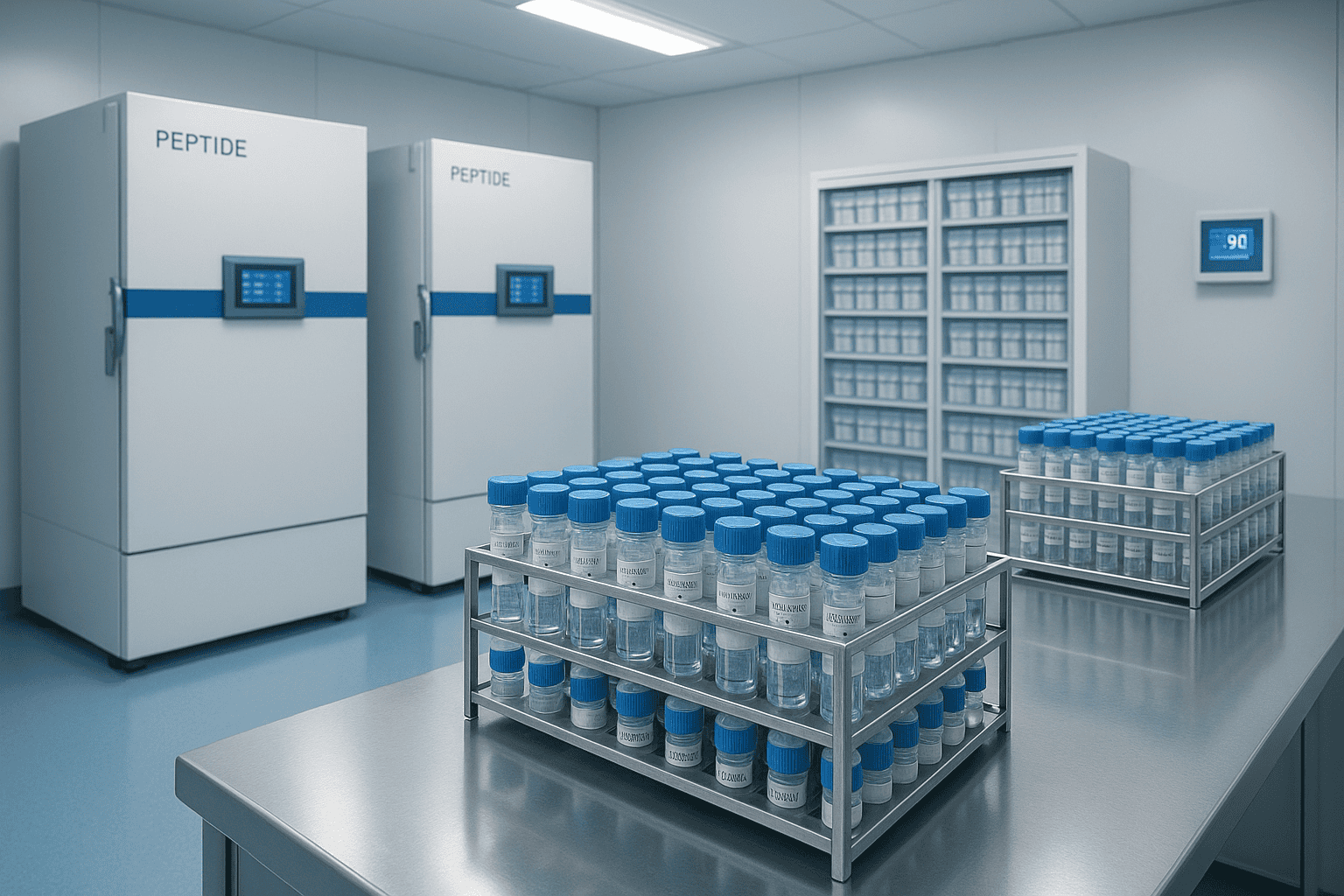
- Keep lyophilized peptides in the freezer (-20°C or below) for long-term storage. They can tolerate refrigerator temperatures for weeks and room temperature for brief periods during handling.
- Reconstitute only what you need. Leave unused vials in lyophilized form until you are ready to use them.
- Use bacteriostatic water for reconstitution when possible. The preservative extends the usable life of the reconstituted solution.
- Aliquot reconstituted peptides into single-use portions immediately after reconstitution. Freeze the aliquots at -20°C or below.
- Protect from light. Some peptides are light-sensitive. Store in amber vials or wrap in aluminum foil.
- Protect from moisture. Keep desiccant packets in your peptide storage area and ensure vial caps are sealed tightly.
- Label everything. Write the date of receipt, date of reconstitution, concentration, and solvent on every vial. This lets you track how long each sample has been in storage.
Start with high-quality, properly handled peptides for the best shelf life. Browse the full catalog at Alpha Peptides for research-grade materials shipped with appropriate cold chain protection.
Frequently Asked Questions
Can I use a peptide past its listed expiration date?
Expiration dates provide guidance under assumed storage conditions. A peptide stored properly at -20°C may still be functional beyond its listed date, while one stored at room temperature may degrade before that date. Analytical testing (HPLC) is the only way to confirm integrity if you are uncertain.
Do different peptides have different shelf lives?
Yes. Peptide stability depends on the amino acid sequence, modifications, length, and storage conditions. Some peptides are inherently more stable than others. Peptides containing methionine or cysteine, for example, are more prone to oxidation and may degrade faster.
Is it okay to store peptides in a regular kitchen freezer?
A standard home freezer (around -20°C) is adequate for most peptide storage. The main concern is temperature stability — frost-free freezers cycle their temperature, which can cause minor freeze-thaw stress. A dedicated laboratory freezer without auto-defrost is ideal, but a standard freezer is far better than refrigerator or room temperature storage.
How long does reconstituted peptide last in the refrigerator?
This varies by peptide, but a general guideline is one to four weeks when reconstituted in bacteriostatic water and stored at 2-8°C. Without preservative (using sterile water), the window is shorter — ideally use within a few days. For longer storage, freeze in aliquots.
For research use only. Not for human consumption. This article is intended for informational purposes and does not constitute medical advice, dosing guidance, or therapeutic recommendations.