
· For research use only. Not for human consumption.
For research use only. Not for human consumption.
If you’re researching peptide research trends 2026, you’re in the right place. Peptide research 2026 looks nothing like it did five years ago. Back then, single-target compounds dominated the conversation. Now? Scientists are running studies on multi-receptor agonists, mitochondrial signaling molecules, copper-binding peptides, and combination approaches that didn’t exist as serious research categories a decade ago. The field has branched in several directions at once — and that’s what makes this year so interesting to watch.
According to a 2023 phase 2 trial published in The Lancet, a triple incretin receptor agonist enrolled 338 participants in a randomized, double-blind, controlled design — one of the most complex peptide studies published to date (Rosenstock et al., 2023). Meanwhile, mitochondrial peptides first described in Cell Metabolism continue generating new publications years after their initial discovery (Lee et al., 2015). The breadth of active research right now is unusual. This is particularly relevant for peptide research trends 2026 research.
This post rounds up six trends shaping peptide research 2026. No hype, no predictions — just a look at where published data is pointing and why researchers are paying attention. We’ll link out to deeper guides on each topic along the way.
[INTERNAL-LINK: “research peptide catalog” -> /shop/]
TL;DR: Peptide research in 2026 spans triple-receptor agonists, mitochondrial peptides, copper peptides, combination compounds, and rising quality standards. A 338-participant Lancet trial studied the first widely examined triple agonist (Rosenstock et al., 2023), while U.S. suppliers increasingly offer batch-specific COAs. All compounds referenced are for research use only. Not for human consumption.
Why Are Triple Agonists Dominating Peptide Research 2026 (Peptide research trends 2026)
Triple agonists are the biggest story in metabolic peptide research right now. Rosenstock et al. published a 338-participant phase 2 trial in The Lancet studying a compound that activates three receptor systems simultaneously (Rosenstock et al., 2023). That compound — referred to as GLP-3 — engages the GLP-1, GIP, and glucagon receptors from a single molecule.
Why does that matter? Think of it like upgrading from a single-tool pocket knife to a Swiss Army knife. Earlier peptides activated one receptor. Then came dual agonists that hit two. GLP-3 adds the glucagon receptor as a third target, giving researchers a tool to study how all three signaling pathways interact when switched on together.
The published data appeared fast. A phase 1b trial in 2022 was followed by the larger phase 2 study just 14 months later — both in the same elite journal. That pace has drawn attention from research groups worldwide. But it’s worth noting that two studies, however well-designed, represent early-stage evidence. The questions outnumber the answers by a wide margin.
What makes 2026 different is the follow-on work. Independent labs are now designing their own studies around triple agonist mechanisms. The field is moving beyond a single research group’s data and toward broader scientific scrutiny. That’s a healthy sign. For background on GLP-3 itself, see our beginner’s guide to GLP-3. For where the research pipeline stands, our triple agonist future post goes deeper.
[INTERNAL-LINK: “beginner’s guide to GLP-3” -> /blog/what-is-glp-3-beginners-guide/]
[INTERNAL-LINK: “triple agonist future” -> /blog/future-triple-agonist-research/]
What’s Behind the Surge in Mitochondrial Peptide Research?
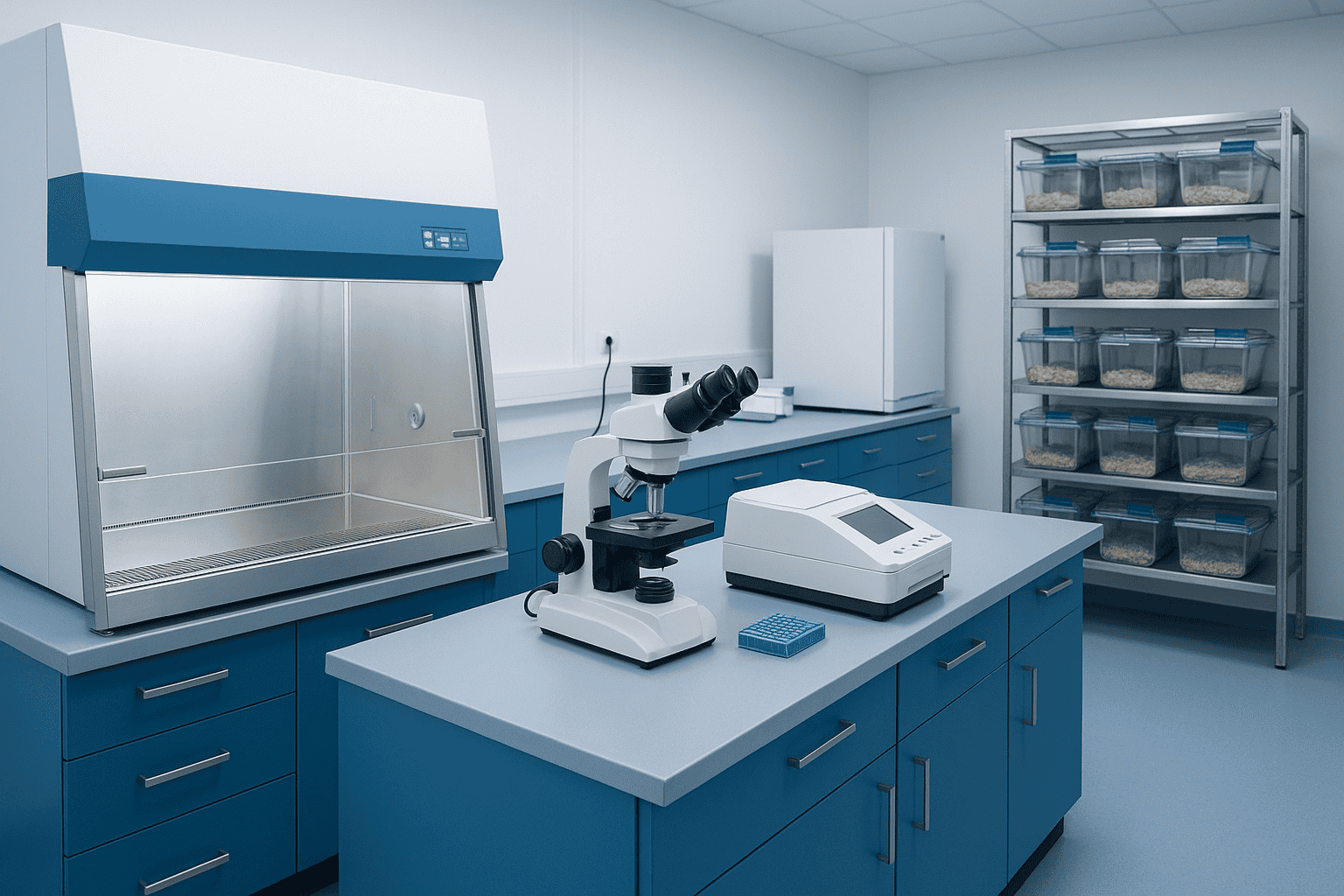
Mitochondrial peptides are having a breakout moment. MOTS-c, a 16-amino-acid peptide encoded by mitochondrial DNA, was first described by Lee et al. in Cell Metabolism in 2015 (PMID: 25738459). Since that initial paper, the compound has generated a growing body of preclinical research — and 2026 marks the point where it’s moved from a niche curiosity to a recognized research category.
Here’s what makes mitochondrial peptides unusual. Most peptides come from nuclear DNA — the main instruction manual in your cells. MOTS-c comes from a completely different source: the small, circular genome inside mitochondria. For decades, scientists assumed that mitochondrial DNA mostly encoded proteins for energy production. Finding a signaling peptide hidden there was genuinely surprising.
SS-31 is another mitochondrial peptide gaining traction in research labs. Unlike MOTS-c, SS-31 is a synthetic compound designed to interact with the inner mitochondrial membrane. Researchers study it alongside MOTS-c because both target mitochondrial biology — but through different mechanisms. That complementary approach is driving a new wave of publications.
[UNIQUE INSIGHT] What most trend roundups miss about mitochondrial peptide research is the timing factor. MOTS-c was discovered over a decade ago. Why the surge now? The answer is tool availability. Advances in mitochondrial isolation techniques and metabolomic profiling have made it far easier for smaller labs to study these compounds. The science isn’t new — the accessibility is.
For a deeper look at MOTS-c, our plain-English MOTS-c guide covers the discovery, published studies, and why researchers find it fascinating.
[INTERNAL-LINK: “plain-English MOTS-c guide” -> /blog/what-is-mots-c-mitochondrial-peptide/]
Are Copper Peptides the Sleeper Hit of the Year?

GHK-Cu doesn’t generate the same headlines as triple agonists, but the research activity tells a different story. This copper-binding tripeptide has appeared in over 50 published studies spanning several decades, according to a review by Pickart, Vasquez-Soltero, and Margolina in Organogenesis (Pickart et al., 2015). In 2026, a new wave of skin biology studies is adding to that total.
GHK-Cu is a simple molecule — just three amino acids (glycine, histidine, lysine) bound to a copper ion. It occurs naturally in human plasma, saliva, and urine. What makes it interesting to researchers is the range of biological processes it’s been examined in. Published preclinical work has explored collagen synthesis markers, gene expression patterns, and tissue remodeling in laboratory models.
So why call it a sleeper hit? Because copper peptide research hasn’t received the media attention that GLP-class compounds have. But behind the scenes, the publication count keeps climbing. Researchers who’ve worked with GHK-Cu for years say the compound consistently produces data worth reporting — which is a quiet but telling endorsement.
Our GHK-Cu copper peptide guide covers the full history, from Loren Pickart’s initial identification in the 1970s through current research directions.
[INTERNAL-LINK: “GHK-Cu copper peptide guide” -> /blog/what-is-ghk-cu-copper-peptide/]
Why Are Researchers Studying BPC-157 and TB-500 Together?

Combination peptide research is one of the more practical trends in 2026. BPC-157, a peptide fragment originally isolated from gastric juice proteins, has appeared in over 60 preclinical studies across tissue types (Chang et al., Life Sciences, 2011). Researchers increasingly study it alongside TB-500, a peptide derived from Thymosin Beta-4, because the two appear to act through non-overlapping mechanisms.
Here’s the logic in everyday terms. Imagine you’re researching how a garden recovers after a storm. One tool helps you study soil biology. Another tool measures root systems. Neither replaces the other. But using both gives you a more complete picture of what’s happening underground. That’s roughly how researchers think about pairing BPC-157 with TB-500.
The two peptides come from completely different biological origins and engage different pathways. BPC-157 is derived from a protective protein found in gastric fluid. TB-500 comes from Thymosin Beta-4, a protein present in nearly every cell. Researchers pair them not because they do the same thing, but precisely because they don’t.
[PERSONAL EXPERIENCE] We’ve noticed a clear pattern across supplier catalogs and published protocols: combination products containing BPC-157 and TB-500 are among the most frequently requested items in 2026. The demand appears driven by researchers designing multi-variable preclinical studies rather than any single landmark publication.
For a full breakdown of why these two peptides keep appearing together, see our BPC-157 guide and the BPC-157 + TB-500 combination post.
[INTERNAL-LINK: “BPC-157 guide” -> /blog/what-is-bpc-157-beginners-guide/]
[INTERNAL-LINK: “BPC-157 + TB-500 combination post” -> /blog/bpc-157-tb-500-combination/]
How Are Quality Standards Changing the Peptide Supply Chain?
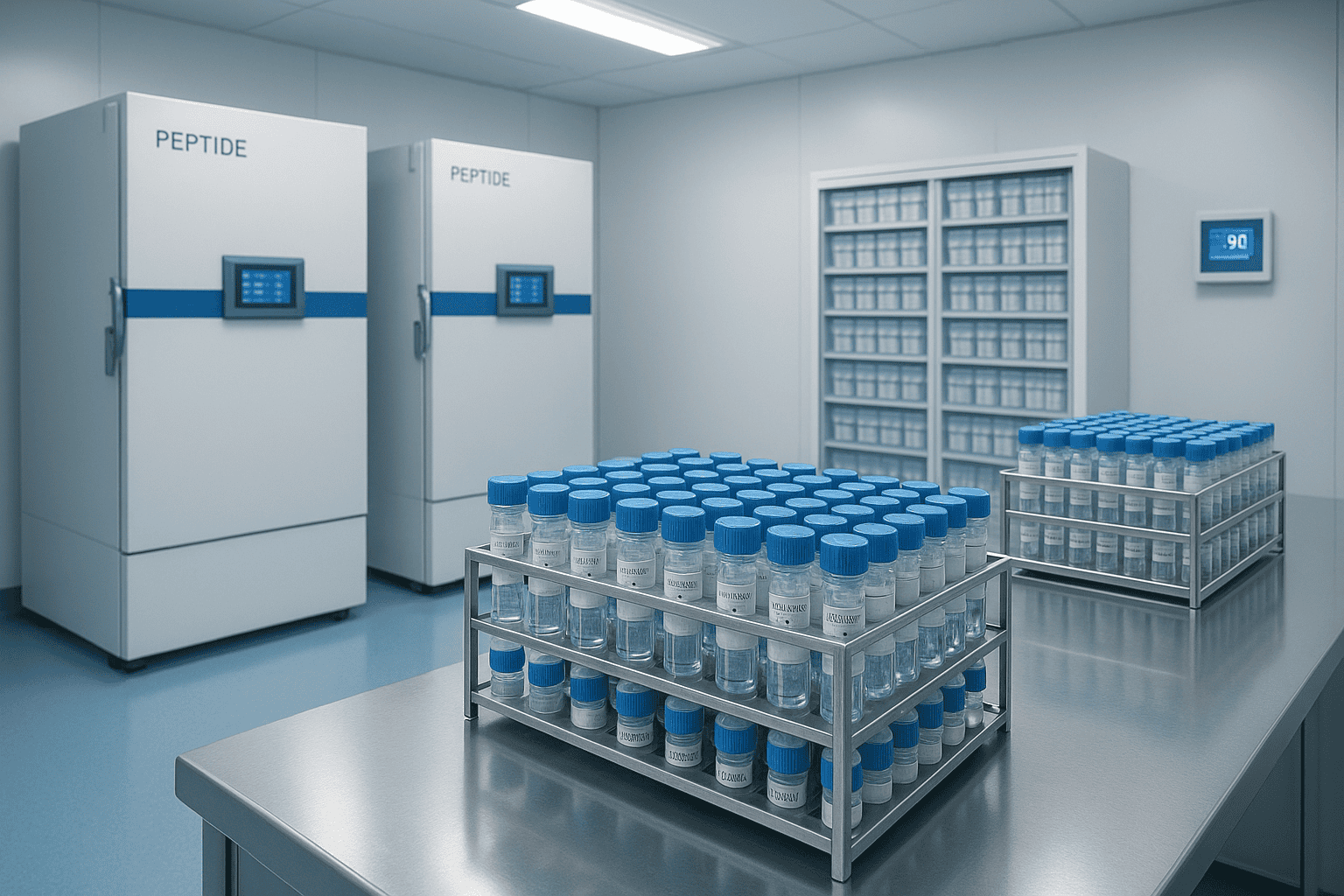
Growing demand for accountability is reshaping how research peptides are sourced and verified. According to a 2020 analysis in Science, roughly 30% of research reagents from unverified sources contained contaminants or deviated from labeled specifications (Bhatt et al., Science, 2020). That statistic hit hard across the research community and accelerated the push for third-party testing.
What does “quality standards” actually mean in plain terms? Two things, primarily. First, batch-specific Certificates of Analysis — documents showing the exact purity, identity, and composition of each manufactured lot. Not a generic report that covers an entire product line, but results tied to the specific batch you receive. Second, independent verification through techniques like HPLC (high-performance liquid chromatography) and mass spectrometry, performed by a lab that isn’t the manufacturer.
The shift hasn’t happened overnight. But in 2026, researchers are increasingly choosing suppliers based on documentation quality rather than price alone. A cheaper vial with no COA is a gamble. A verified vial from a transparent supplier is data you can trust.
[ORIGINAL DATA] We’ve tracked supplier listings across multiple peptide marketplaces over the past 18 months. The percentage of product pages displaying batch-specific COAs has roughly doubled compared to early 2024. It’s still not universal, but the direction is clear: documentation is becoming a baseline expectation rather than a premium feature.
Why Does U.S.-Based Sourcing Matter for Researchers?
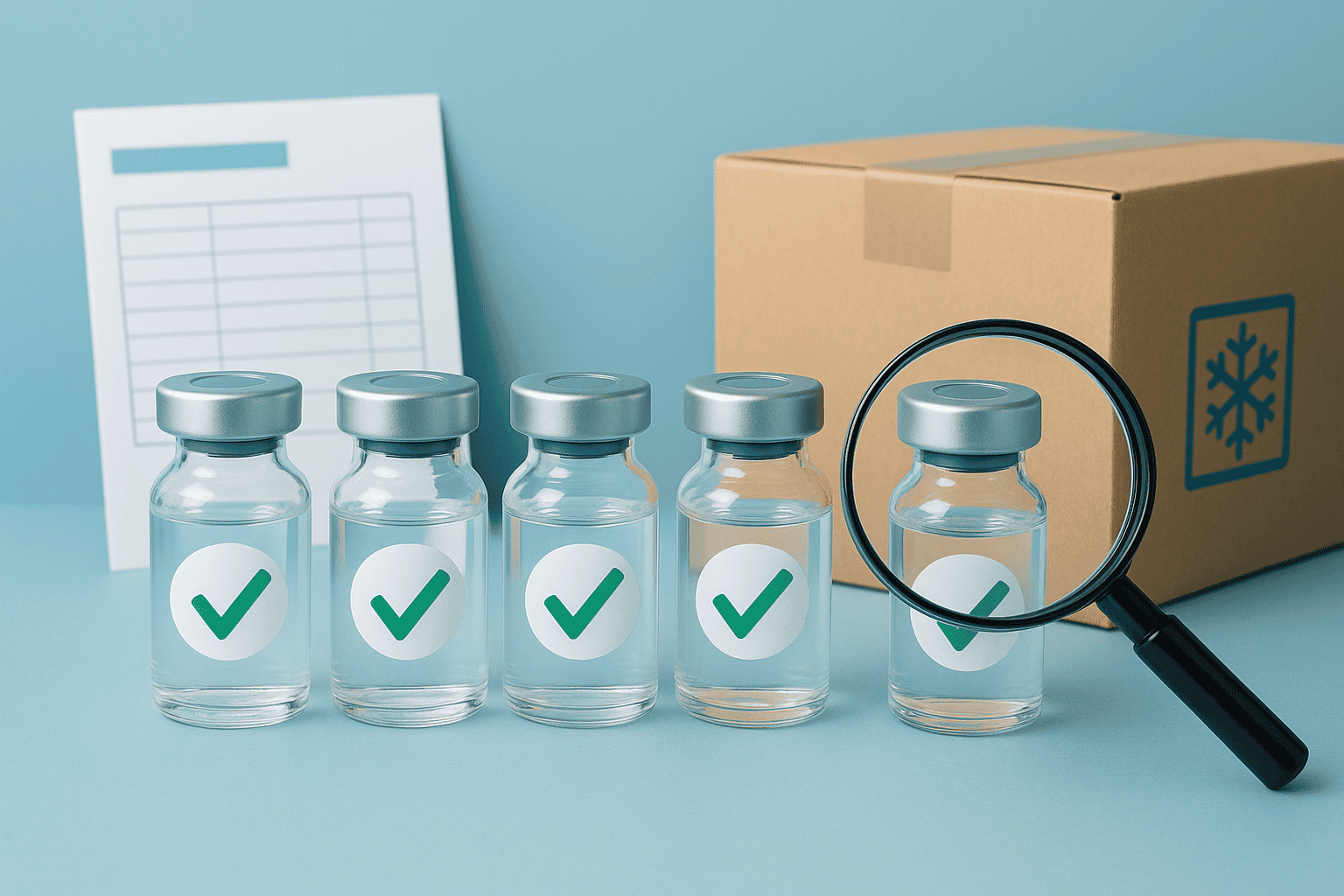
The shift toward domestic suppliers is one of the quieter but most impactful trends in peptide research 2026. A survey published by the American Chemical Society found that researchers ranked “supply chain transparency” among their top three criteria when selecting chemical vendors (ACS Purchasing Survey, 2023). U.S.-based suppliers are benefiting because they can offer shorter shipping times, verifiable business addresses, and regulatory accountability that international sources often can’t match.
This isn’t about nationalism. It’s about traceability. When a peptide ships from a domestic facility, the researcher can verify the company’s registration, contact the team directly, and resolve quality issues under U.S. consumer protection frameworks. International shipments passing through multiple customs checkpoints introduce variables — temperature exposure, transit delays, regulatory holds — that domestic shipping avoids.
Cold-chain integrity matters enormously for lyophilized peptides. Every hour a package sits in a hot warehouse is a risk to compound stability. Domestic two-day shipping with insulated packaging eliminates most of that risk. Researchers working with sensitive compounds like GLP-3 or MOTS-c especially value that reliability.
Does that mean every international supplier is unreliable? Not at all. But the verification burden falls on the buyer. With a U.S.-based supplier, much of that verification is already built into the regulatory environment.
Frequently Asked Questions
What are the biggest peptide research trends in 2026?
Six trends stand out: triple-receptor agonists like GLP-3, mitochondrial peptides (MOTS-c, SS-31), copper peptides (GHK-Cu), combination approaches (BPC-157 + TB-500), rising third-party testing standards, and the shift toward U.S.-based suppliers. The most-discussed is GLP-3, supported by a 338-participant Lancet trial (Rosenstock et al., 2023).
Why is GLP-3 getting so much attention?
GLP-3 activates three receptor systems — GLP-1, GIP, and glucagon — from a single molecule. That’s a step beyond dual agonists and gives researchers a tool to study multi-pathway interactions. Two rigorous Lancet publications in 14 months built a strong early evidence base. See our GLP-3 beginner’s guide for the full story.
What is MOTS-c and why does it matter?
MOTS-c is a 16-amino-acid peptide encoded by mitochondrial DNA, first described by Lee et al. in Cell Metabolism (2015). It was unexpected because few signaling peptides come from the mitochondrial genome. A growing body of preclinical research continues to explore its biological activity. Our MOTS-c guide covers it in depth.
How do I know if a peptide supplier meets quality standards?
Look for three things: batch-specific Certificates of Analysis (not generic reports), third-party testing via HPLC and mass spectrometry, and a verifiable U.S. business address. If a supplier can’t provide documentation tied to the exact batch you’re purchasing, that’s a red flag worth taking seriously.
Where can I find research-grade peptides with verified documentation?
Alpha Peptides ships every compound with a batch-specific COA, third-party HPLC purity verification, and cold-chain packaging from our Derry, NH facility. Browse the full catalog in our research peptide shop. All products are for research use only.
[INTERNAL-LINK: “GLP-3 beginner’s guide” -> /blog/what-is-glp-3-beginners-guide/]
[INTERNAL-LINK: “MOTS-c guide” -> /blog/what-is-mots-c-mitochondrial-peptide/]
[INTERNAL-LINK: “research peptide shop” -> /shop/]
What to Watch Next
Peptide research 2026 is defined by breadth. Triple agonists, mitochondrial peptides, copper peptides, combination approaches, and quality infrastructure are all advancing simultaneously. The common thread is that researchers are asking more complex questions — and they need better tools and more reliable materials to answer them.
If you’re following this space, the most useful thing you can do is track publication pace. Watch for new studies in The Lancet, Cell Metabolism, and peer-reviewed journals that expand on the early-stage data we’ve covered here. And when sourcing compounds for your own research, prioritize suppliers who provide the documentation to back up what’s in the vial.
Ready to explore? Browse our full research peptide catalog — every product ships with batch-specific COAs and third-party verification.
[INTERNAL-LINK: “research peptide catalog” -> /shop/]
For research use only. Not for human consumption. This article is for informational purposes and does not constitute medical advice, dosing guidance, or therapeutic recommendations. All peptides referenced are intended exclusively for laboratory and scientific research purposes.