
· For research use only. Not for human consumption.
For research use only. Not for human consumption.
One of the most common mistakes in peptide research is repeatedly freezing and thawing the same sample. Peptide freeze-thaw cycles are a well-documented source of damage that can quietly ruin your materials and compromise your experimental results without any obvious warning signs.
If you have ever frozen a piece of steak, thawed it, refrozen it, and thawed it again, you already understand the basic principle. The texture changes, the quality drops, and the product is noticeably worse. Peptides experience a similar kind of degradation at the molecular level, although the damage is invisible to the naked eye.
In this article, we will explain exactly what happens during freeze-thaw cycles, why they damage peptides, and practical strategies to protect your valuable research materials. Whether you buy from Alpha Peptides or any other supplier, understanding freeze-thaw damage is essential for getting reliable results.
TL;DR: Each freeze-thaw cycle damages peptides through ice crystal formation, which can cause aggregation, denaturation, and loss of activity. Most researchers recommend limiting peptides to 3-5 freeze-thaw cycles maximum. The best protection is to divide reconstituted peptides into small single-use portions (aliquots) before freezing, so you only thaw what you need each time.
For research use only. Not for human consumption.
What Happens When Peptides Freeze
When a liquid solution freezes, water molecules arrange themselves into rigid crystal structures — ice. These ice crystals are beautiful under a microscope, but they are destructive to delicate biological molecules like peptides.
As ice crystals form, they expand. This expansion creates physical forces that push against everything in the solution, including peptide molecules. The crystals can physically tear apart peptide structures, break the weak bonds that hold them in their proper shape, and force peptide molecules into close contact with each other in ways that promote unwanted clumping.
Additionally, as water freezes, the remaining liquid becomes increasingly concentrated. All the dissolved peptides and any other solutes get squeezed into a smaller and smaller volume of unfrozen liquid. This extreme concentration effect, called cryoconcentration, exposes peptides to unusually harsh conditions including dramatic pH shifts and high ionic strength.
Why Repeated Peptide Freeze-Thaw Cycles Cause Cumulative Damage
A single freeze-thaw cycle might cause minimal damage to most peptides. The real problem is repetition. Each cycle inflicts a small amount of structural damage, and that damage accumulates over time.
Think of bending a paperclip back and forth. The first bend barely weakens it. The second and third are fine too. But by the fifth or sixth bend, the metal is noticeably weaker, and eventually it snaps. Peptide freeze-thaw damage works on the same principle of cumulative stress.
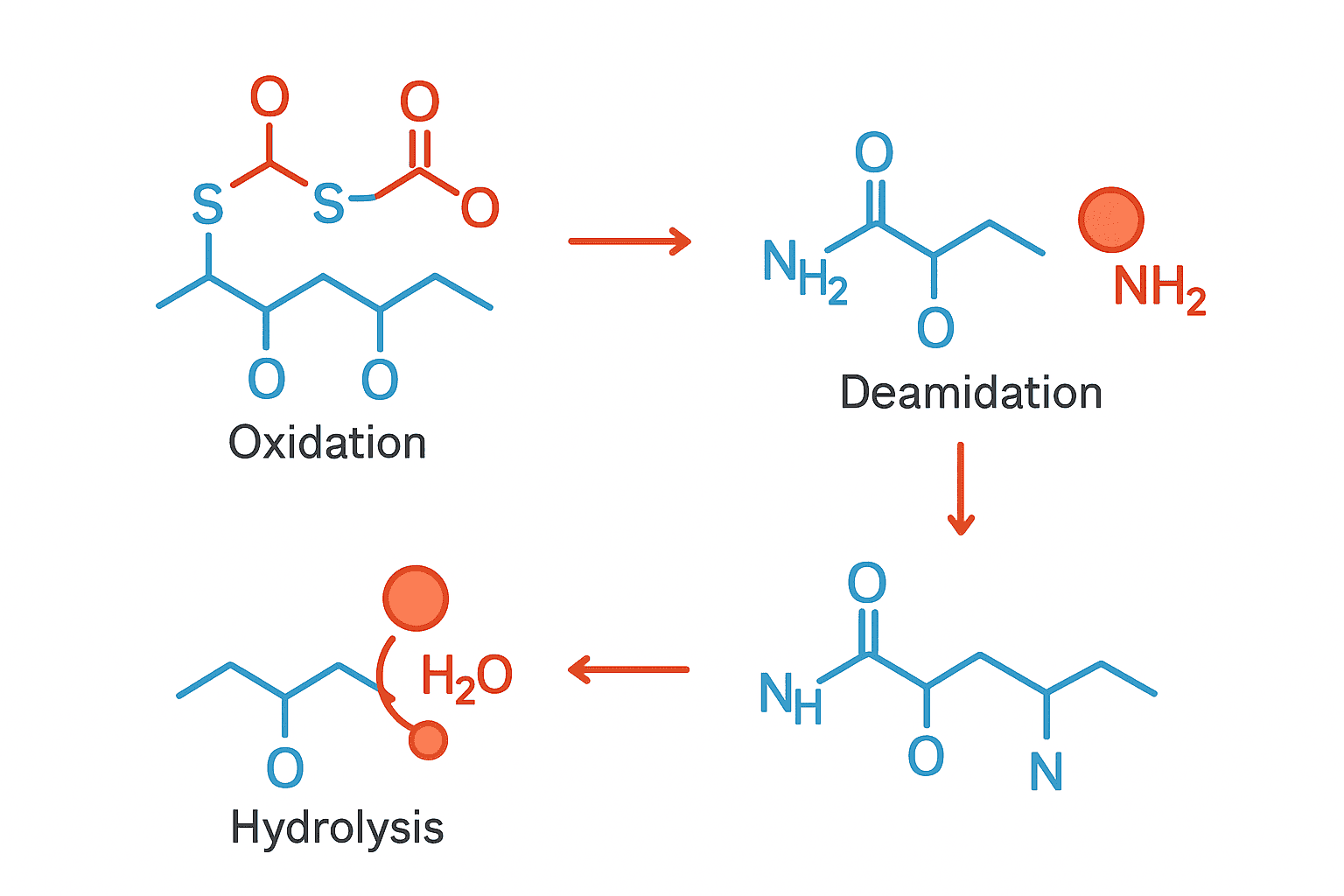
With each cycle, more peptide molecules lose their proper structure through a process called denaturation. Denatured peptides may fold incorrectly or unfold entirely, exposing parts of their structure that are normally hidden. These exposed regions can stick to other denatured molecules, forming aggregates — visible or invisible clumps that reduce the amount of functional peptide in your solution.
How Many Freeze-Thaw Cycles Are Acceptable
There is no single universal answer because different peptides have different levels of resilience. Some short, simple peptides can tolerate several freeze-thaw cycles with minimal degradation. Longer, more complex peptides with intricate folding patterns may show significant damage after just two or three cycles.
As a general guideline, most experienced researchers try to limit their peptides to no more than three to five freeze-thaw cycles. Some conservative protocols recommend avoiding repeated freeze-thaw entirely by using an aliquoting strategy from the start.
The key point is that you usually cannot see freeze-thaw damage happening. A peptide solution can look perfectly clear and normal while containing a significant percentage of denatured, non-functional molecules. The damage only shows up in your experimental results — inconsistent data, reduced activity, or unexpected outcomes.
The Aliquoting Solution
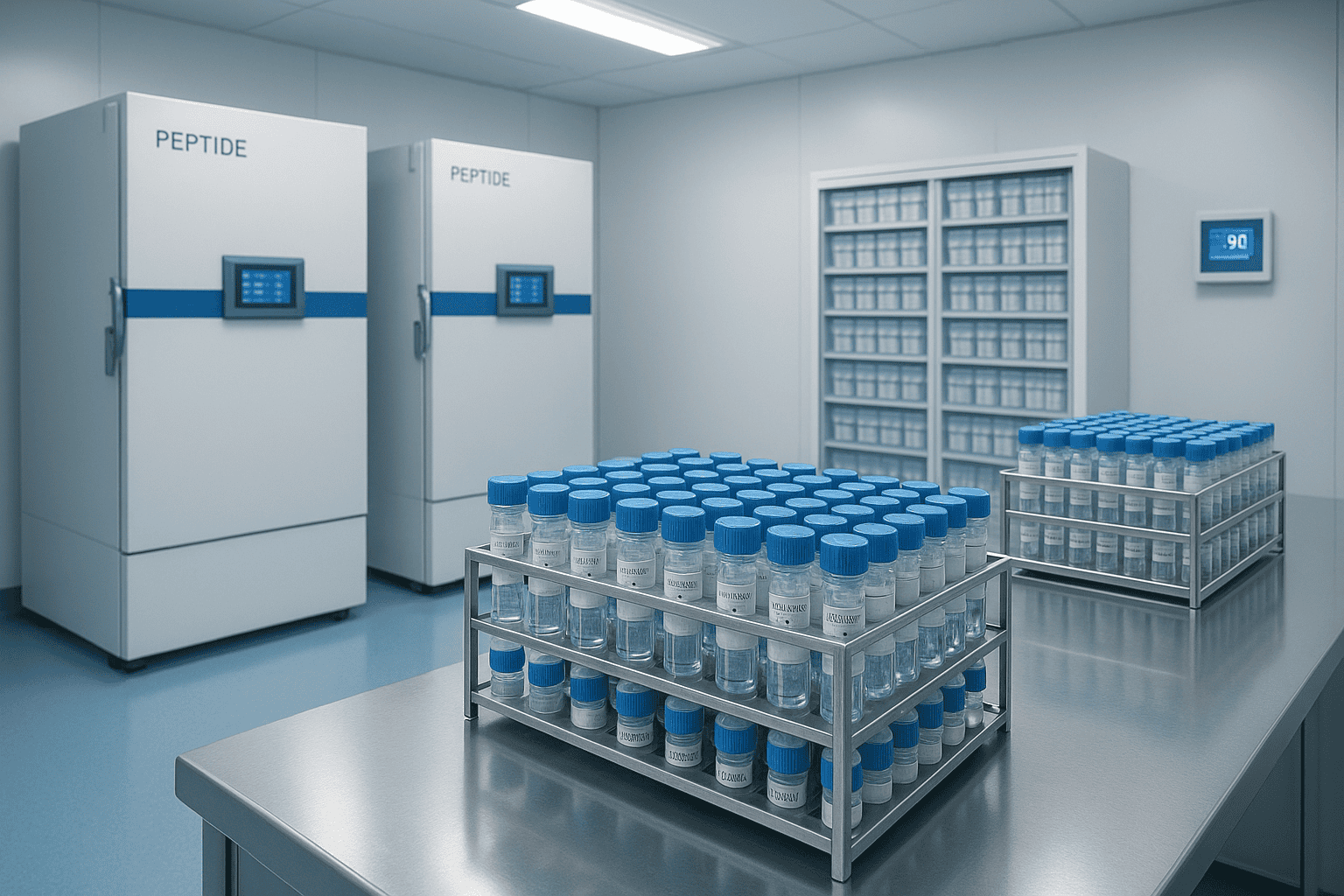
The single most effective way to prevent freeze-thaw damage is to divide your reconstituted peptide into small portions — called aliquots — immediately after reconstitution. Each aliquot contains just enough peptide for a single experiment or a single day of work.
Here is how it works in practice:
- Reconstitute your peptide in the appropriate solvent (such as bacteriostatic water).
- Immediately divide the solution into multiple small tubes or vials. The number and volume of aliquots depends on how much you need per experiment.
- Freeze all the aliquots promptly.
- Each time you need peptide, thaw only one aliquot. Use it and discard any remainder rather than refreezing it.
This approach means each portion of peptide only goes through a single freeze-thaw cycle, regardless of how many times you return to your supply over weeks or months. It requires a few extra minutes of work upfront but saves significant materials and frustration in the long run.
Other Factors That Make Freeze-Thaw Damage Worse
Not all freeze-thaw cycles are equally damaging. Several factors can make the process more or less harmful:
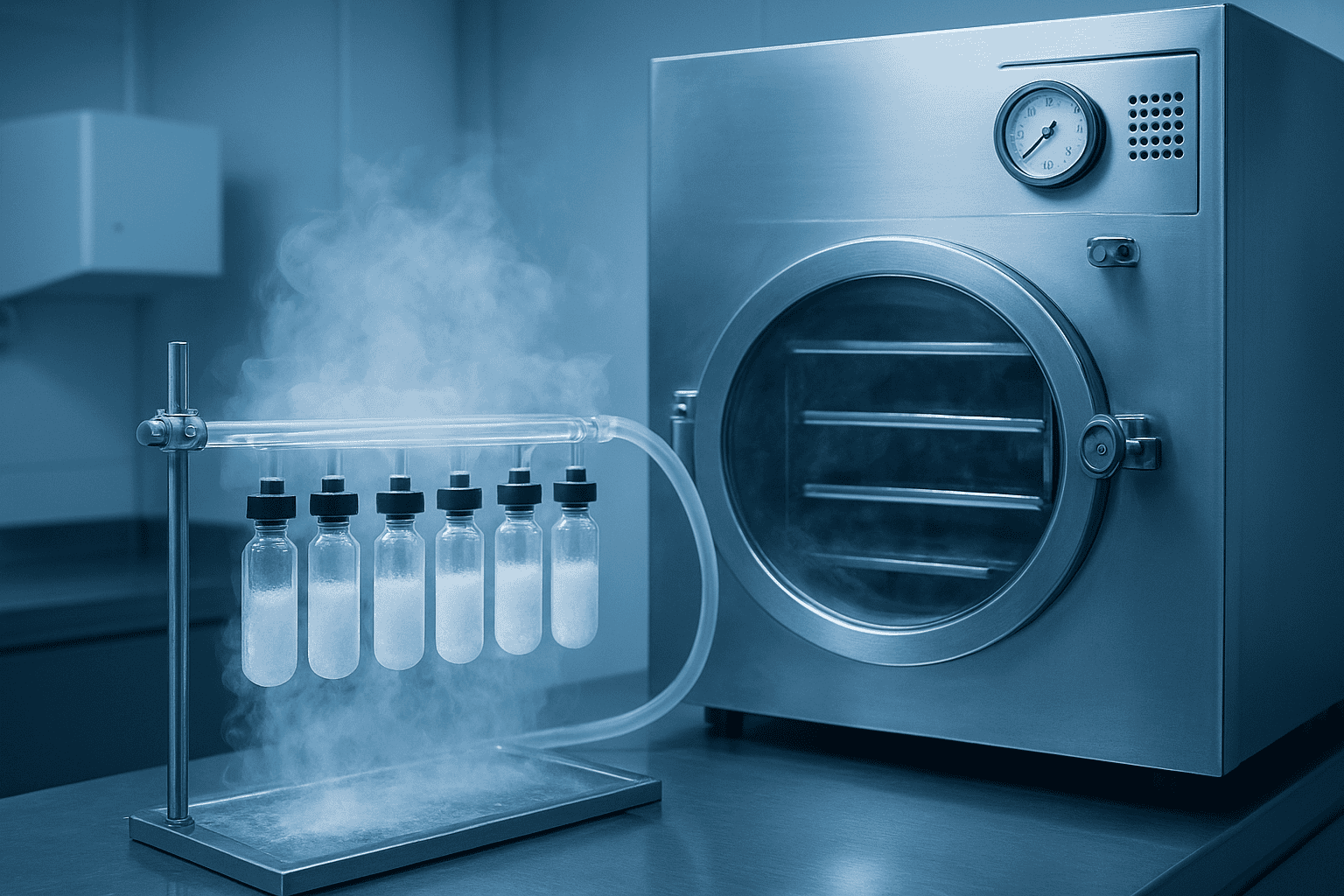
- Freezing speed: Slow freezing tends to create larger ice crystals, which cause more physical damage. Flash-freezing in liquid nitrogen or a dry ice bath creates smaller crystals that are less destructive.
- Thawing speed: Slow thawing at room temperature exposes peptides to damaging intermediate temperatures for longer periods. Rapid thawing in a lukewarm water bath is generally preferred.
- Container material: Peptides can adsorb (stick) to the walls of some containers, especially at low concentrations. Using low-binding tubes designed for protein and peptide work can reduce surface losses.
- Concentration: Very dilute peptide solutions tend to suffer more from freeze-thaw damage than concentrated ones. Higher concentrations provide a buffering effect where surface losses and adsorption represent a smaller percentage of the total material.
- Stabilizers: Some research protocols include cryoprotectants like trehalose or glycerol to reduce ice crystal damage, though these additives may not be appropriate for all experiments.
How to Tell If Freeze-Thaw Damage Has Occurred
Detecting freeze-thaw damage can be tricky because it often does not produce visible changes. However, there are some warning signs to watch for:
Cloudiness or visible particles in a previously clear solution may indicate aggregation. A peptide that no longer dissolves cleanly after thawing may have formed insoluble aggregates. And of course, declining performance in your research assays — lower activity, inconsistent results, or higher variability — can all point to peptide degradation from freeze-thaw cycling.
If you suspect your peptide has been damaged, the safest approach is to start fresh with a new sample. Browse the full catalog at Alpha Peptides and verify quality documentation at alpha-peptides.com/coas.
Frequently Asked Questions
Can I refreeze a peptide that has already been thawed?
You can, but each additional freeze-thaw cycle causes cumulative damage. If you must refreeze, do so quickly and try to limit total cycles to three to five. Aliquoting before the first freeze is the better strategy.
Does freeze-thaw damage affect all peptides equally?
No. Short, simple peptides tend to be more resilient than long, complex ones. Peptides with intricate folding structures or those prone to aggregation are generally more sensitive to freeze-thaw stress.
Is it better to store peptides in the refrigerator to avoid freezing?
For reconstituted peptides used within a few days, refrigeration at 2-8 degrees Celsius can be appropriate. For longer-term storage, freezing is preferred because it slows chemical degradation. The key is to minimize the number of freeze-thaw cycles through aliquoting.
How should I thaw a frozen peptide aliquot?
Thaw quickly by holding the vial in your hand or placing it in a room-temperature water bath for a few minutes. Avoid slow thawing at room temperature over extended periods, and never use a microwave or hot water. Gentle swirling after thawing helps ensure uniform mixing.
For research use only. Not for human consumption. This article is intended for informational purposes and does not constitute medical advice, dosing guidance, or therapeutic recommendations.