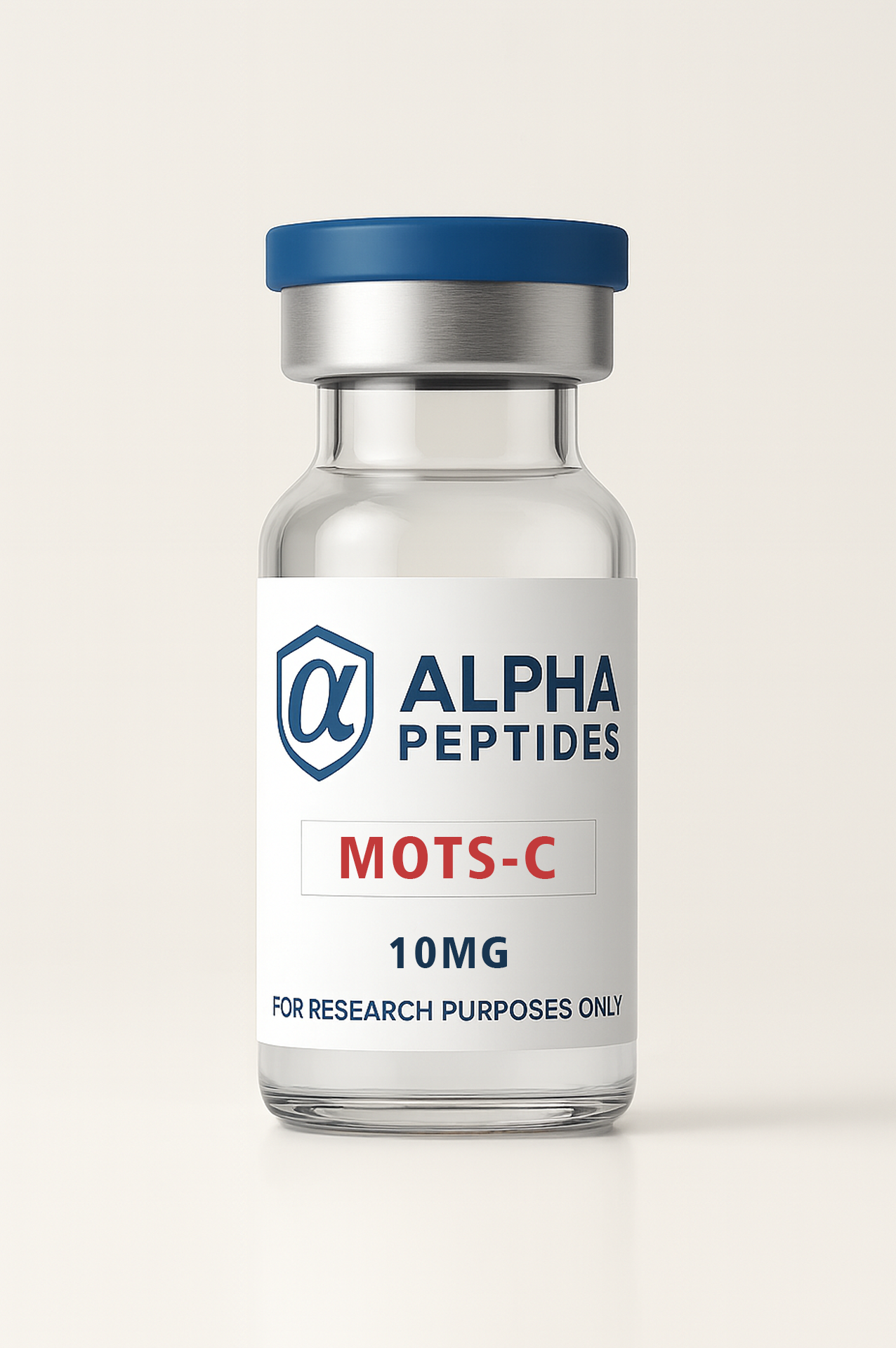
MOTS-C peptide is discussed in research environments as a sequence-defined compound reviewed under controlled laboratory conditions. This guide explains core concepts in plain language for documentation-focused reading.
This article is educational and research-oriented only. It does not provide medical advice, treatment claims, or instructions for human or animal use.
1) What MOTS-C peptide means in a research context
In technical records, MOTS-C peptide is generally treated as a defined research material. Review workflows focus on identity, purity profile, stability observations, and complete traceability.

2) Sequence context and method context should stay connected
Sequence information is only useful when paired with method context. Without method labels, date references, and condition notes, comparison between reports becomes less reliable.
3) Core analytical checkpoints for MOTS-C peptide records
- Identity check: expected sequence characteristics are present
- Purity profile: component distribution is documented
- Stability note: observations are tied to defined conditions
- Traceability: lot and method references are complete

4) Why terminology discipline improves review quality
Consistent terminology is a practical quality signal. If a page changes labels for the same concept, interpretation may drift. Stable wording helps both specialists and non-specialists follow logic accurately.
5) Reading order that helps non-specialists
A clear reading sequence is: definition first, analytical observations second, and documentation references third. This approach keeps conclusions tied to recorded context.
6) Internal documentation links for MOTS-C peptide pages
External references: Peptide overview and PubMed index.
7) Reliable documentation checklist
- Method label and date
- Batch or lot identifier
- Observation summary in neutral language
- Terminology consistency check before save

Extended interpretation notes
For stronger technical clarity, separate every section into description, observation, and documentation support. This simple structure makes MOTS-C peptide pages easier to audit and easier to compare over time.
When reviewing archived records, check whether each observation is connected to a method context. If context is missing, interpretation certainty drops even if the language appears technical.
In collaborative teams, consistent language and complete references improve handoff quality. That is why documentation style is not just editorial preference; it is part of research quality control.
Additional detail for beginners: sequence-defined compounds should be read with care, and each statement should be tied to observable context. This keeps technical writing neutral and reproducible.
Educational video reference

Conclusion
MOTS-C peptide content is most useful when sequence context, analytical checkpoints, and traceable records are presented together in clear scientific language.
Research Use Disclaimer
For Research Use Only. Not for human or animal use. Not intended to diagnose, treat, cure, or prevent any disease.
Compliance + SEO review completed.
Length extension for MOTS-C peptide research documentation
In practice, MOTS-C peptide records become easier to review when every observation includes context. Context means method label, date reference, and traceable batch information. Without those links, two reports can look similar while representing different conditions. For quality-focused teams, that distinction matters.
Another practical standard is language stability. If one section uses a term and another section silently replaces it, interpretation quality can degrade. Consistent wording across the page helps both technical and non-technical readers understand what changed and what remained constant in the record.
When preparing MOTS-C peptide educational content, a safe model is to keep claims descriptive, avoid unsupported conclusions, and connect each statement to documented analytical context. This keeps the page aligned with research-first communication principles.
Final reminder: documentation quality supports reproducibility. Clear records are not optional formatting—they are part of the scientific value of the page.
Final MOTS-C peptide addendum for content threshold: prioritize sequence clarity, method context, and traceable references in every section so interpretation remains consistent across documentation cycles.