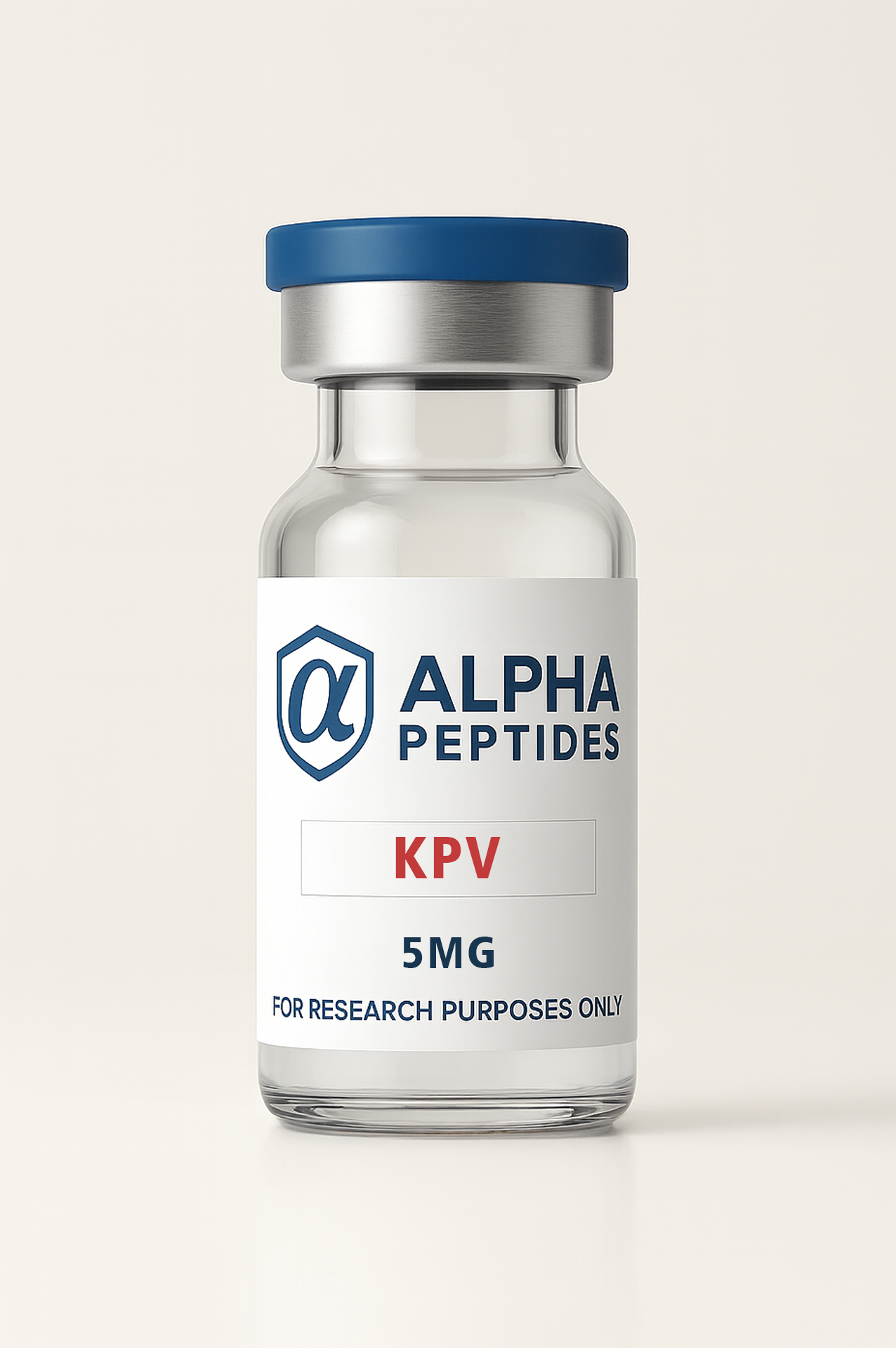
KPV peptide is referenced in laboratory contexts as a short sequence-defined research material. This page explains core terminology, analytical checkpoints, and documentation practices in plain language.
The scope is strictly educational and research-focused. No medical interpretation, consumer framing, or usage guidance is included.
1) Define KPV peptide in research context
In documentation workflows, KPV peptide is evaluated using method-specific criteria such as identity checks, purity observations, and traceability records. Context matters as much as raw values.

2) Sequence clarity supports reliable review
Sequence-defined materials should always be interpreted with method labels and condition notes. Without those references, comparison across records becomes less reliable.
3) Core analytical checkpoints
- Identity: alignment with expected sequence characteristics
- Purity profile: observed component distribution
- Stability: behavior across defined conditions and timepoints
- Traceability: linkage to lot and method records

4) Terminology consistency in KPV peptide pages
Consistent wording improves both readability and auditability. If one term is used in the introduction and a different label appears later for the same concept, interpretation risk increases.
5) Practical reading order for non-specialists
A useful sequence is: definitions first, analytical observations second, documentation references third. This keeps interpretation tied to recorded context instead of assumptions.
6) Internal resources for documentation review
External neutral reference: Peptide overview.
7) KPV peptide documentation checklist
- Method label and date
- Batch or lot reference
- Observation summary
- Terminology consistency check

Extended interpretation notes
For better clarity, separate each section into molecular description, analytical observation, and documentation support. This model makes KPV peptide pages easier to read and compare. It also supports safer, research-first communication standards.
When readers ask how to evaluate KPV peptide records, the practical answer is to verify terminology, confirm method context, and cross-check traceability references before drawing conclusions.
In collaborative settings, stable language and complete records improve handoff quality. Teams can review findings faster when each section uses consistent terms and clear references.
Educational video reference
Conclusion
KPV peptide research content is strongest when sequence context, analytical checkpoints, and documentation standards are presented together in plain, consistent language.
Research Use Disclaimer
For Research Use Only. Not for human or animal use. Not intended to diagnose, treat, cure, or prevent any disease.
Compliance + SEO review completed.
Length and clarity extension for KPV peptide research
For new readers, KPV peptide documentation is easiest to evaluate when each section answers one clear question: what is being described, what was observed, and where the supporting record is located. This structure keeps interpretation stable and makes technical pages easier to review. It also reduces editorial drift by forcing each paragraph to stay within a defined scope.
A practical editorial check is to confirm that sequence language remains consistent from start to finish. If one section changes labels without explanation, comparison quality drops. Consistent terminology improves readability for non-specialists and speeds quality review for technical teams. In compliance-focused publishing, this also helps maintain a neutral scientific tone.
Documentation quality should be treated as part of analytical quality. Clear method labels, date references, and lot identifiers improve traceability and reproducibility. When those references are complete, reviewers can compare findings across records with fewer assumptions and less ambiguity.
In summary, KPV peptide educational pages should prioritize terminology control, method context, and traceable records. This approach supports safer interpretation and stronger long-term documentation standards in laboratory-facing content.

Final extension for KPV peptide word target: when comparing references, prioritize records that clearly separate observation from interpretation and include traceable method context. This protects consistency in review workflows.
Additional note: KPV peptide pages with stable terminology and complete documentation are easier to audit, easier to update, and safer to interpret in research-oriented environments.