
· For research use only. Not for human consumption.
For research use only. Not for human consumption.
If you’re researching how to choose research peptide, you’re in the right place. Choosing a research peptide for the first time can feel overwhelming. There are dozens of compounds, each targeting different biological pathways. Some focus on growth hormone signaling. Others target melanocortin receptors or mitochondrial biology. How do you decide which one fits your research question?
The answer starts with understanding what categories exist, what quality markers to look for, and what separates a reliable supplier from a questionable one. According to a 2015 review by Fosgerau and Hoffmann in Drug Discovery Today, over 60 peptide-based compounds have reached clinical trial stages, and hundreds more are used in preclinical research (PMID: 25462581). With that many options, a systematic approach matters. This is particularly relevant for how to choose research peptide research.
This guide walks beginners through the decision-making process. No jargon where we can avoid it. Practical advice you can actually use.
[INTERNAL-LINK: “research peptides” → /shop/]
TL;DR: Choosing a research peptide requires matching your research question to the right compound category, verifying purity through third-party COAs (98%+ HPLC), and evaluating supplier transparency. Over 60 peptides have reached clinical trials as of 2015 (Fosgerau & Hoffmann, PMID: 25462581). Start with your research goal, not the compound. For research use only.
How to Choose a Research Peptide: Start with Your Research Question (How to choose research peptide)
The biggest mistake beginners make is starting with the compound instead of the question. Before you browse a catalog, ask yourself: what biological pathway am I trying to study? The answer narrows your options immediately.
Research peptides fall into several broad categories based on the pathways they target. Here’s a simple overview:
Growth Hormone Secretagogues
These peptides interact with the growth hormone axis — specifically the GHS-R (growth hormone secretagogue receptor) or GHRH receptor. Examples include Ipamorelin and CJC-1295. Researchers studying growth hormone signaling, pituitary function, or GHS-R pharmacology typically work with these compounds.
Melanocortin Peptides
These target the melanocortin receptor family (MC1R through MC5R). Melanotan II is non-selective, activating multiple subtypes. PT-141 is more selective for MC4R. Researchers studying pigmentation biology, melanocortin signaling, or central nervous system receptor pharmacology use these tools.
Mitochondrial Peptides
MOTS-c comes from the mitochondrial genome and works through the AMPK energy-sensing pathway. SS-31 targets cardiolipin in the inner mitochondrial membrane. Different approaches to mitochondrial biology — choose based on whether you’re studying energy signaling (MOTS-c) or membrane biology (SS-31).
Recovery and Tissue Biology Peptides
BPC-157 and TB-500 are studied in preclinical models examining tissue biology. BPC-157 is a fragment of a naturally occurring gastric protein. TB-500 is a fragment of Thymosin Beta-4. Both are investigated in the context of growth factor signaling pathways.
Neuropeptides
Selank and Semax are synthetic analogues of naturally occurring peptides studied in neuroscience research. Selank is based on the immunomodulatory peptide tuftsin. Semax is derived from ACTH (adrenocorticotropic hormone).
Incretin-Related Peptides
GLP-1, GLP-2, and GLP-3 are studied in metabolic biology research. These target incretin receptor pathways involved in energy regulation, gut biology, and metabolic signaling in preclinical models. This is particularly relevant for how to choose research peptide research.
[INTERNAL-LINK: “browse all research peptides” → /shop/]
[UNIQUE INSIGHT] The category approach saves time because it eliminates irrelevant options immediately. A researcher studying mitochondrial membrane biology doesn’t need to evaluate melanocortin peptides. A neuroscience lab doesn’t need to compare growth hormone secretagogues. Match the category to your question first, then compare compounds within that category.
What Quality Markers Should You Look for When Choosing a Research Peptide?
Quality determines whether your experimental results mean anything. A peptide with 85% purity contains 15% unknown contaminants — any of which could have their own biological activity and confound your results. Fosgerau and Hoffmann (2015) emphasized that peptide purity is “a critical determinant of experimental reproducibility” in preclinical research (PMID: 25462581).
Here are the quality markers every researcher should verify before purchasing:
HPLC Purity (98% Minimum)
High-performance liquid chromatography (HPLC) measures what percentage of the sample is the target compound versus impurities. Research-grade peptides should carry HPLC purity of 98% or higher. This isn’t just a number — it should come with a chromatogram (the graphical output) showing a single clean peak. Ask for it if it’s not provided.
Mass Spectrometry Confirmation
HPLC tells you how pure the sample is. Mass spectrometry (MS) tells you whether it’s the right compound. MS confirms the molecular weight matches the expected value for that specific peptide. Without MS data, you’re trusting that a pure sample is also the correct molecule — and that’s an assumption you shouldn’t make.
Third-Party Testing
The most trustworthy analytical data comes from independent laboratories — not the supplier’s own in-house equipment. Third-party testing removes conflicts of interest. When an independent lab confirms purity and identity, you know the data wasn’t generated by someone with a financial stake in the result.
Certificate of Analysis (COA)
Every research peptide should come with a COA that includes HPLC purity, mass spectrometry data, net peptide content, and lot/batch number. If a supplier can’t provide a COA, that’s a red flag. Alpha Peptides publishes all COAs publicly at alpha-peptides.com/coas/.
[INTERNAL-LINK: “COAs” → /coas/]
[PERSONAL EXPERIENCE] We’ve reviewed COAs from dozens of suppliers over the years. The best ones include chromatograms you can actually read, mass spectra with labeled peaks, and clear lot numbers that match the product you received. The worst ones are single-page documents with just a percentage and no supporting data.
What Does “Research Grade” Actually Mean?

You’ll see the term “research grade” on most peptide supplier websites. But what does it actually mean? And how is it different from pharmaceutical grade?
Research grade means the peptide is manufactured and tested to standards suitable for laboratory and preclinical research. Typical specifications include HPLC purity of 98%+ and mass spectrometry identity confirmation. These peptides are sold for research use only — not for human consumption or therapeutic application.
Pharmaceutical grade (also called GMP grade) means the peptide was manufactured under Current Good Manufacturing Practices (cGMP) — a set of FDA-enforced quality standards that include validated manufacturing processes, controlled environments, and extensive documentation. Pharmaceutical grade is required for compounds entering clinical trials or approved for therapeutic use.
The purity numbers may be similar between the two grades. The difference lies in the manufacturing controls and documentation surrounding the process. Research grade focuses on final product quality. Pharmaceutical grade controls every step from raw materials to finished product.
For preclinical laboratory research, research-grade peptides with verified third-party COAs are the standard. Pharmaceutical grade is typically required only when compounds move into regulated clinical trial settings.
How Do You Evaluate a Research Peptide Supplier?
Not all suppliers are equal. Here’s what to look for — and what should raise concerns.
Transparency. Does the supplier publish COAs? Can you verify lot-specific analytical data? Do they name their third-party testing laboratories? Transparent suppliers make verification easy because they have nothing to hide.
Product documentation. Look for detailed product pages with molecular weight, amino acid sequence, storage instructions, and handling recommendations. Sparse product pages with no technical detail suggest a supplier that’s prioritizing marketing over substance.
U.S.-based operations. Domestic suppliers are subject to U.S. business regulations and consumer protection standards. That doesn’t guarantee quality, but it provides a layer of accountability that offshore-only operations may lack. Alpha Peptides operates from Derry, New Hampshire.
Customer support. Can you reach a real person? Reputable suppliers answer technical questions about their products. If a supplier can’t discuss HPLC purity or mass spectrometry data, that’s a concern.
Compliance language. Trustworthy suppliers clearly state that their products are for research use only. They don’t make therapeutic claims, and they don’t imply human use. This isn’t just ethics — it’s a signal that the supplier understands regulatory requirements.
[INTERNAL-LINK: “about Alpha Peptides” → /about/]
Frequently Asked Questions About Choosing Research Peptides

What purity should I look for in a research peptide?
A minimum of 98% HPLC purity is the standard for research-grade peptides. Higher purity (99%+) is preferred for sensitive assays like receptor binding studies, where even small contaminant levels can produce confounding results. Always request the full chromatogram, not just the percentage number.
Do I need bacteriostatic water for peptide research?
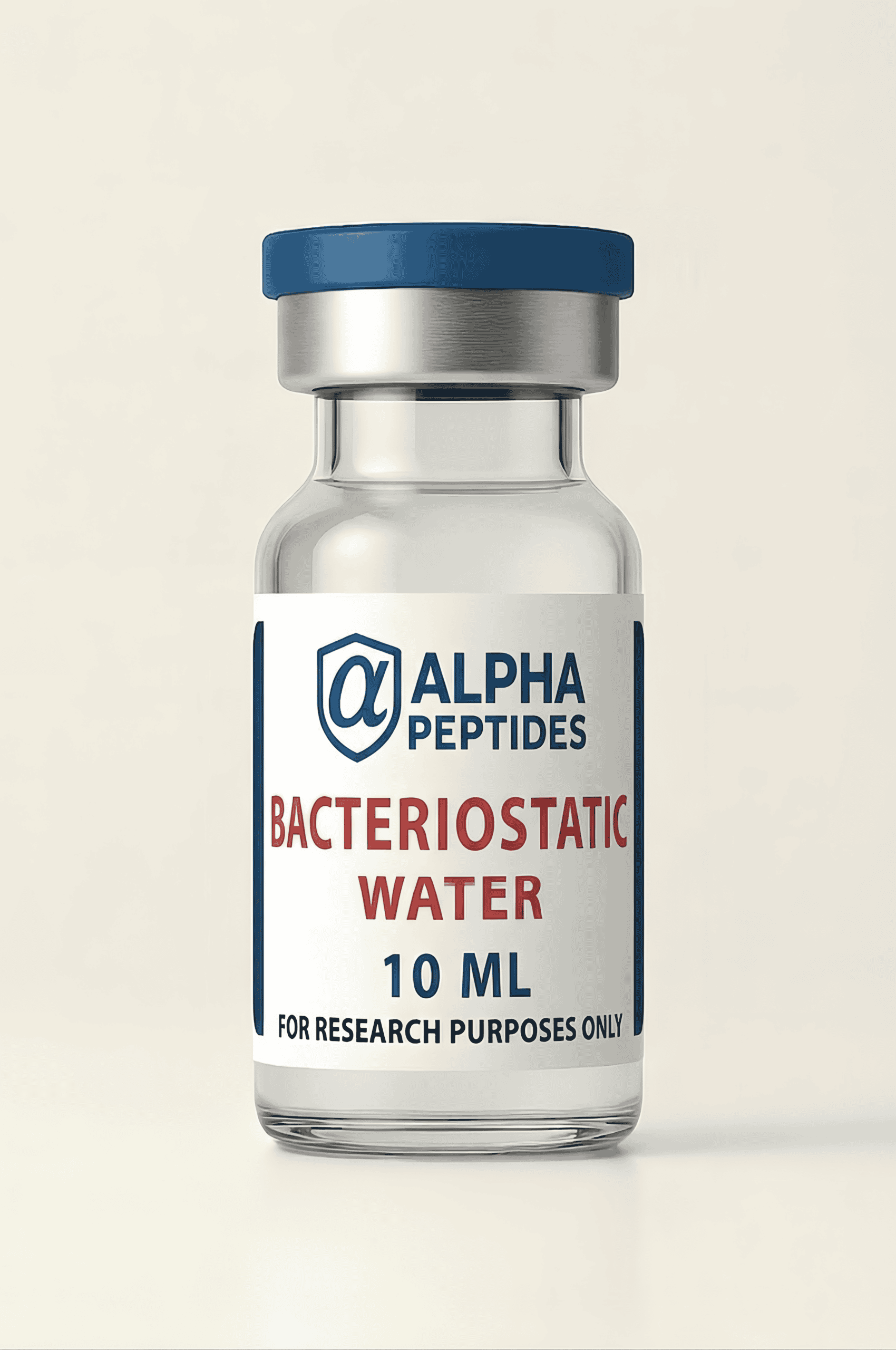
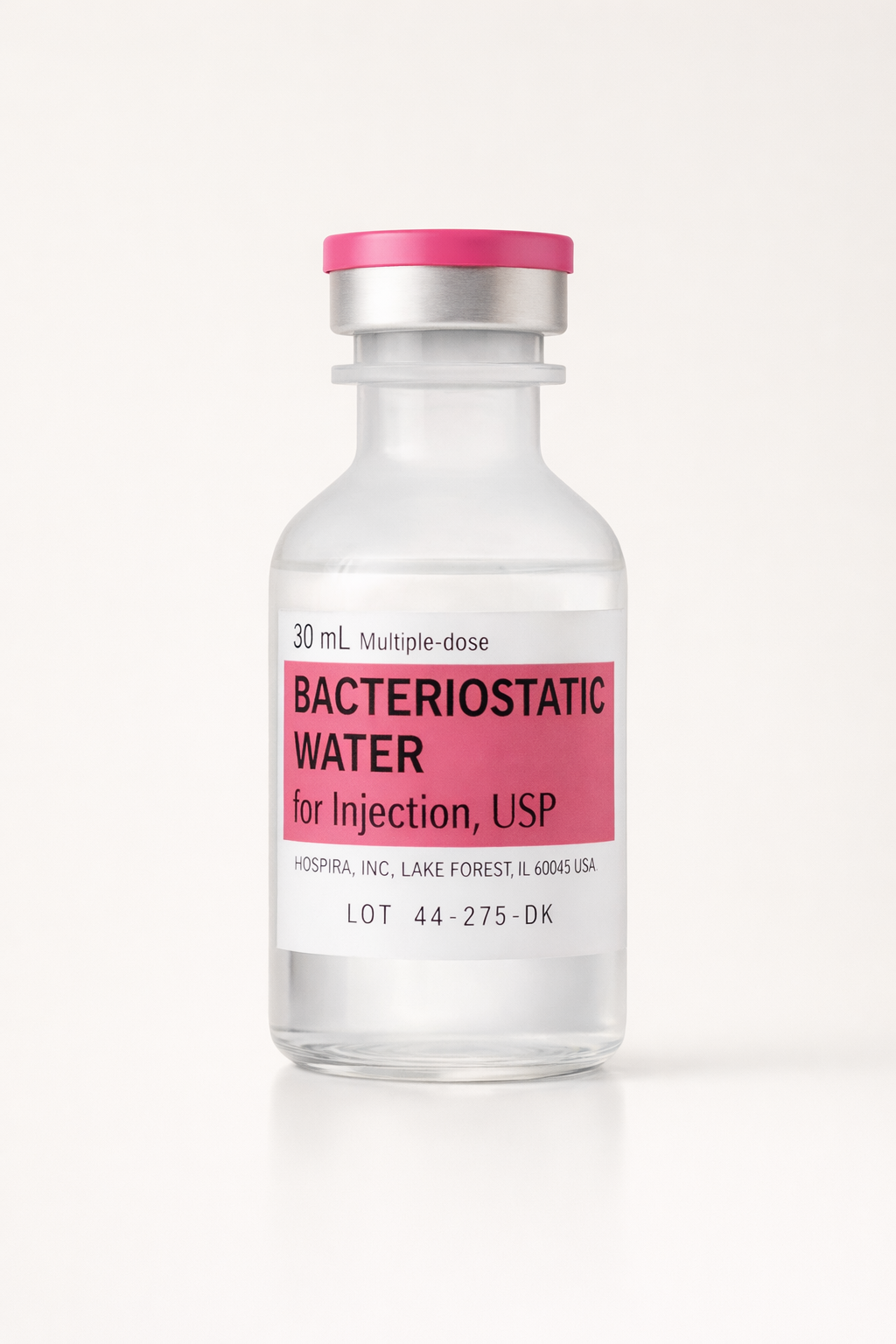
If you’re reconstituting lyophilized (freeze-dried) peptides for use over multiple sessions, yes. Bacteriostatic water contains 0.9% benzyl alcohol that prevents bacterial growth, allowing safe multi-dose access from a single vial. For single-use applications, sterile water can work, but bacteriostatic water is the safer default.
How do I know if a supplier is trustworthy?
Check for publicly available COAs with third-party verification, clear research-use-only labeling, U.S.-based operations, responsive customer support, and detailed product documentation. If a supplier can’t provide analytical data or makes therapeutic claims, look elsewhere. Review Alpha Peptides’ COA documentation as an example of transparency standards.
For research use only. Not for human consumption. All peptides sold by Alpha Peptides are experimental compounds intended exclusively for laboratory and preclinical research. They have no FDA-approved therapeutic applications. Browse our complete catalog at alpha-peptides.com/shop/.
[INTERNAL-LINK: “shop” → /shop/]
[INTERNAL-LINK: “COA documentation” → /coas/]