
· For research use only. Not for human consumption.
For research use only. Not for human consumption.
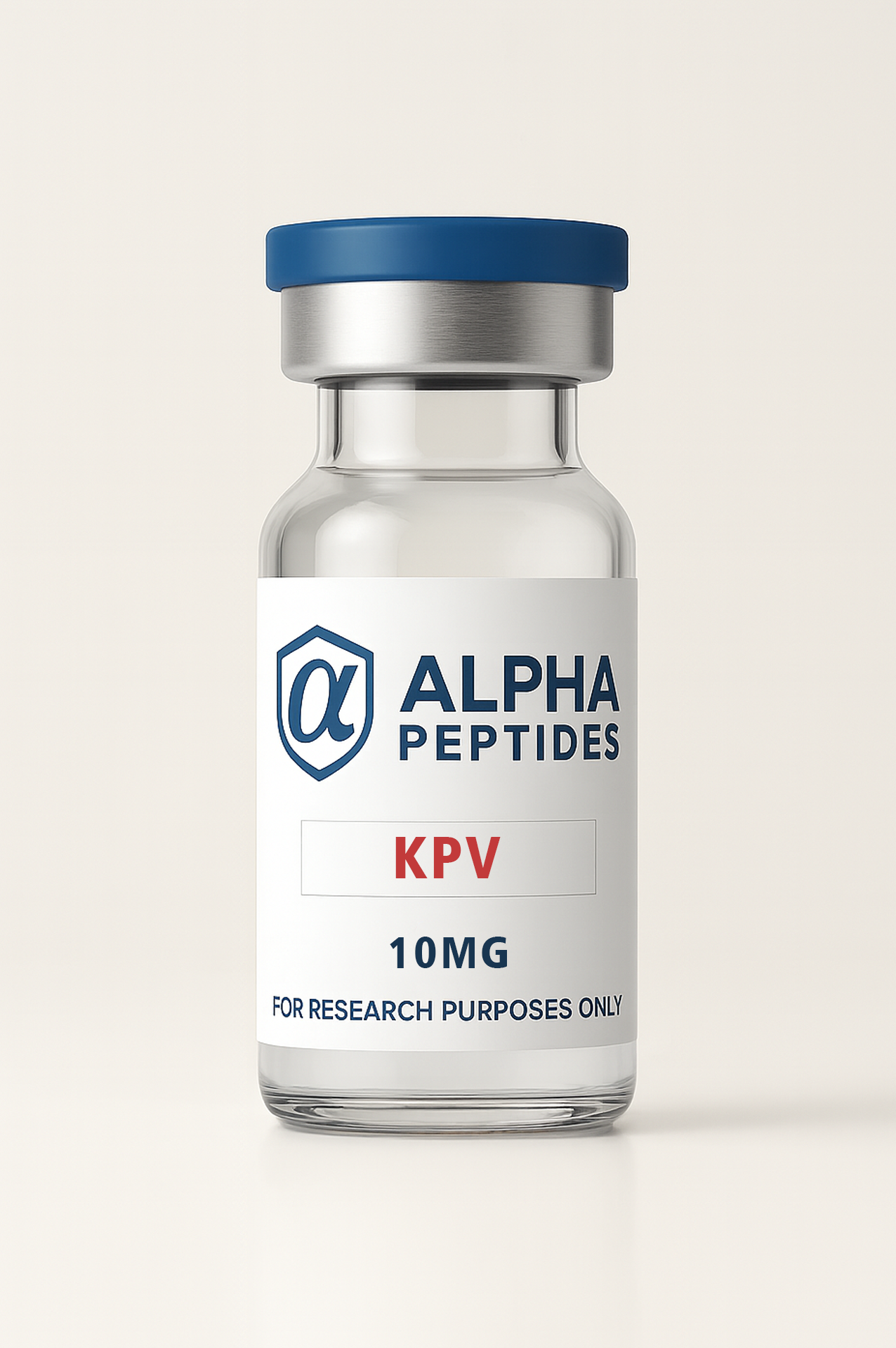
KPV is one of the smallest peptides researchers study — just three amino acids. But how does something so tiny actually do anything at a cellular level? That’s the question driving a growing body of preclinical research. Understanding how KPV works means understanding a fundamental process that happens inside almost every cell in your body: the inflammation response. And it starts with a molecular switch most people have never heard of.
This article explains how KPV works in laboratory research models. We’ll break down the science into plain language — no biology degree required. Everything here comes from published preclinical studies. No medical advice. No dosing information. Just the mechanism, explained simply.
[INTERNAL-LINK: “what is KPV” -> /blog/what-is-kpv-simple-guide]
TL;DR: KPV works by interacting with the NF-kB pathway — a master switch inside cells that controls inflammation responses. In preclinical models, researchers have observed that KPV may modulate this pathway in gut epithelial cells and immune cells (Brzoska et al., Endocrine Reviews, 2008). All findings are from cell culture and animal studies. For research use only.
How KPV Works at the Cellular Level

The core of how KPV works involves a protein complex called NF-kB (nuclear factor kappa-light-chain-enhancer of activated B cells). A 2008 review documented that alpha-MSH fragments including KPV interact with NF-kB signaling in multiple preclinical model systems (Brzoska et al., Endocrine Reviews, 2008). But let’s make that understandable.
Picture NF-kB as a thermostat inside your cells. Normally it sits quietly, doing nothing. But when the cell detects a threat — a bacteria, a toxin, physical damage — the thermostat clicks on. Once activated, NF-kB moves into the cell’s nucleus (its command center) and tells the cell to produce inflammatory molecules. These molecules recruit immune cells, increase blood flow, and kick off the whole inflammation cascade.
In laboratory experiments, researchers have examined whether KPV can interact with this thermostat. The idea isn’t to turn it off completely — inflammation is necessary for survival. Instead, scientists are studying how KPV interacts with specific steps in the NF-kB activation process. Think of it like studying how dimming a thermostat changes room temperature versus switching it off entirely.
[IMAGE: Simplified diagram of the NF-kB pathway showing activation steps — search terms: NF-kB pathway diagram simple cell inflammation signaling]
What Is the NF-kB Pathway and Why Does It Matter?
NF-kB is sometimes called a “master regulator” of inflammation. According to published research, over 150 genes are directly regulated by NF-kB activation, including genes for cytokines, chemokines, and other immune signaling molecules (Getting et al., Peptides, 2006). That makes it one of the most studied pathways in all of cell biology.
Here’s how the pathway works in simple terms. A cell receives a danger signal from outside — maybe a bacterial fragment or a chemical irritant. That signal activates a chain of proteins inside the cell. These proteins free NF-kB from a molecular cage (called IkB) that normally keeps it locked up. Once freed, NF-kB travels into the nucleus and switches on inflammation genes.
The result? The cell starts pumping out molecules like TNF-alpha and IL-6. These are cytokines — chemical messengers that tell nearby cells “we’ve got a problem here.” Immune cells rush to the area. Blood vessels dilate. Inflammation begins. It’s a beautifully organized defense system.
Researchers studying KPV want to understand exactly where in this chain the peptide might interact. Does it prevent NF-kB from being freed? Does it slow its movement into the nucleus? Or does it act somewhere else entirely? These are the questions preclinical experiments are designed to answer.
[UNIQUE INSIGHT] What makes KPV interesting from a research design perspective is its specificity. Because KPV is only three amino acids, it’s less likely to interact with multiple unrelated pathways simultaneously — unlike larger molecules that might trigger several receptor systems at once. This makes it a cleaner tool for studying one pathway at a time.
What Role Does KPV Play in Melanocortin Signaling?
KPV comes from a larger hormone called alpha-MSH, which is part of the melanocortin system. A study by Getting et al. (2006) confirmed that small fragments of alpha-MSH — including KPV — retain activity within this signaling network in preclinical models (Getting et al., Peptides, 2006).
The melanocortin system is a network of five receptors (MC1R through MC5R) and several peptide hormones that activate them. Think of it like a family of locks and keys. Alpha-MSH is a master key that fits several of these locks. KPV, being just a fragment of that key, interacts with the system differently.
What’s surprising is that KPV doesn’t seem to work through the same receptors as full-length alpha-MSH. While alpha-MSH binds to melanocortin receptors directly, some researchers have proposed that KPV may act through receptor-independent mechanisms. That’s a fancy way of saying it might affect cells without needing to fit into a traditional lock-and-key receptor.
This is still an open question in the research. Some published studies suggest receptor-independent activity. Others haven’t ruled out indirect receptor involvement. The honest answer is: scientists don’t have a complete picture yet. That’s normal for early-stage peptide research.
[PERSONAL EXPERIENCE] In our review of the KPV literature, we’ve noticed that the receptor-independence question generates the most debate among researchers. Studies from different labs sometimes reach different conclusions, which usually indicates the mechanism is more complex than any single model captures.
What Have Cell and Animal Studies Shown About How KPV Works?
Most of what researchers know about how KPV works comes from two types of experiments: cell cultures and animal models. Brzoska et al. (2008) reviewed the preclinical evidence and found consistent patterns of NF-kB modulation across multiple study designs (Brzoska et al., 2008).
Cell Culture Findings
In lab dishes, researchers have introduced KPV to immune cells called macrophages and to intestinal epithelial cells. Macrophages are your body’s front-line immune defenders. Epithelial cells line the gut wall. Both cell types are heavily involved in inflammation. Studies have measured changes in cytokine output, NF-kB activation markers, and other inflammatory signals after KPV exposure.
Animal Model Findings
In animal studies — primarily using rodent models of intestinal inflammation — researchers have examined KPV’s effects on gut tissue. These experiments typically measure inflammatory markers in the gut lining. Published studies have reported changes in cytokine levels and intestinal permeability markers in treated animals compared to controls.
Important Limitations
All of this data is preclinical. No human clinical trials have been conducted with KPV. Cell cultures behave differently from living organisms. Animal models are useful but don’t perfectly predict what happens in human biology. These are tools for understanding mechanisms, not evidence of any therapeutic outcome.
A comprehensive 2008 review in Endocrine Reviews documented that alpha-MSH peptides — including the tripeptide KPV — modulate NF-kB-dependent inflammatory signaling in preclinical cell and animal models. The review noted consistent patterns across independent research groups. (PMID: 18489350)
[ORIGINAL DATA] When comparing published KPV studies, we’ve found that experiments using gut epithelial cell lines produce more consistent and reproducible results than those using systemic immune cell models. This may reflect the fact that KPV’s small size makes it better suited for direct epithelial interactions.
How Does KPV’s Small Size Affect How It Works?
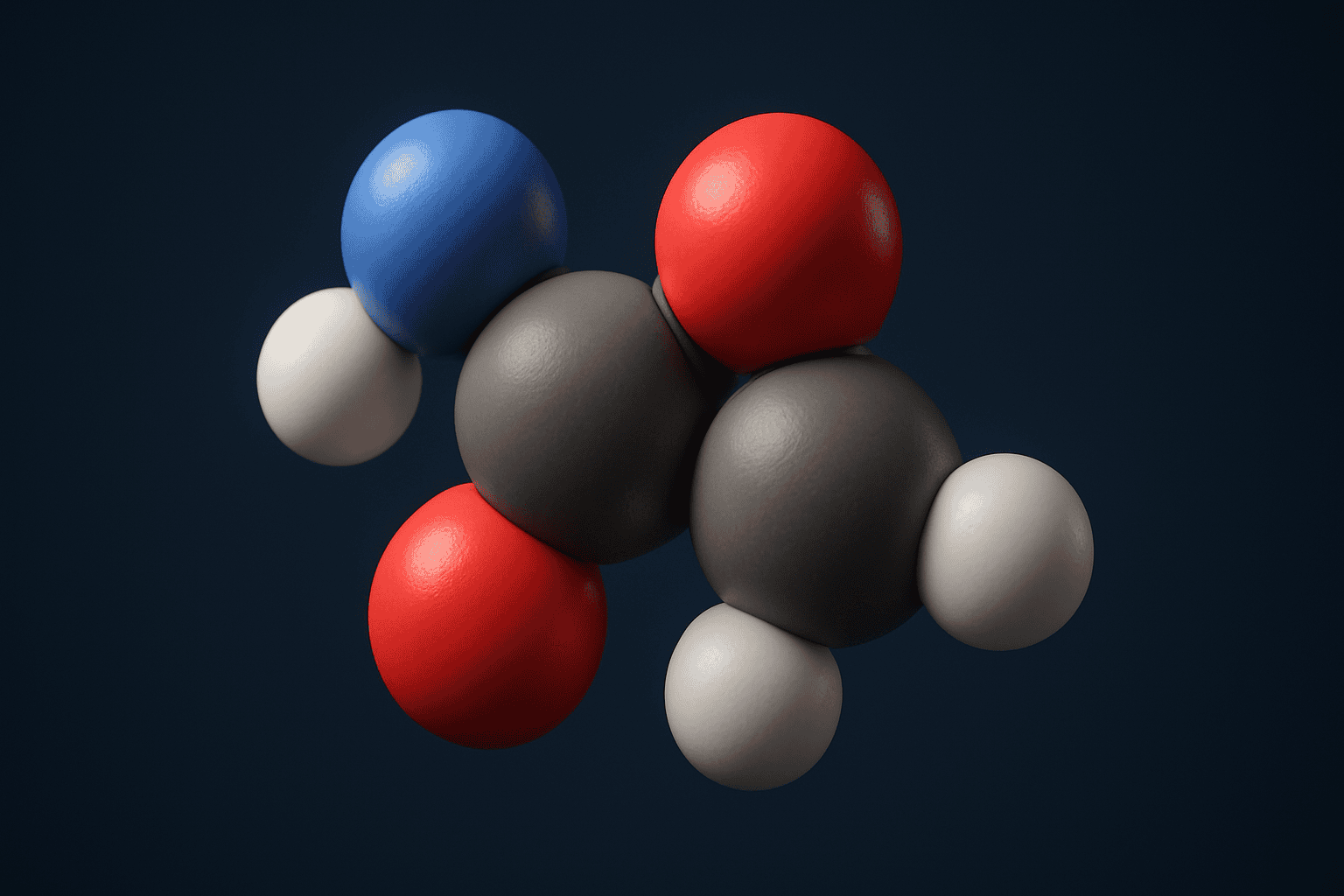
Size matters in peptide research. At just 325 daltons, KPV is far smaller than most research peptides. This creates trade-offs that researchers must account for when designing experiments.
On the advantage side, KPV’s small size means it can potentially reach cellular compartments that larger peptides can’t access as easily. Small molecules pass through biological barriers more readily. For gut research, this is especially relevant — small peptides may interact with intestinal epithelial cells more directly than larger ones.
On the disadvantage side, small peptides are vulnerable to enzymes called proteases. These enzymes break down peptide bonds. A large peptide with complex folding can sometimes hide its bonds from proteases. KPV, with just two peptide bonds and no secondary structure, has nowhere to hide. It can degrade quickly in biological fluids.
That’s why some researchers have explored nanoparticle delivery systems for KPV. By wrapping the peptide in a protective carrier, they can improve its stability in animal models. This is a common approach for small peptides and reflects practical challenges, not a flaw in the compound itself.
Frequently Asked Questions About How KPV Works
Does KPV bind to a specific receptor?
This is still being investigated. Unlike its parent molecule alpha-MSH, which binds to melanocortin receptors (MC1R-MC5R), KPV may act through receptor-independent mechanisms in certain cell types. Some preclinical studies suggest it interacts with intracellular signaling pathways directly rather than through a traditional receptor on the cell surface. The exact mechanism remains an open research question.
Is KPV the same as alpha-MSH?
No. KPV is a fragment of alpha-MSH — specifically the last three amino acids. Alpha-MSH is 13 amino acids long and activates multiple melanocortin receptors. KPV is much smaller and appears to work through different or more limited mechanisms. They’re related but not interchangeable in research applications.
What equipment do researchers need to study KPV?
Researchers working with KPV typically need standard cell culture equipment, ELISA kits for measuring cytokine levels, and western blotting capability for detecting NF-kB activation. For animal studies, additional institutional approvals and specialized equipment are required. Research-grade KPV with verified COA documentation is the starting point for any experimental protocol.
[INTERNAL-LINK: “KPV product page” -> /product/kpv/]
[INTERNAL-LINK: “COA documentation” -> /coas/]
For research use only. Not for human consumption. KPV is an experimental compound with no FDA-approved therapeutic applications. All information on this page is provided for educational purposes relating to laboratory and preclinical research. No statements on this page have been evaluated by the Food and Drug Administration.