
· For research use only. Not for human consumption.
For research use only. Not for human consumption.
If you’re researching how klow blend works, you’re in the right place. So you know what KLOW is — a multi-peptide research blend from Alpha Peptides. But how does the KLOW blend work at a molecular level? What do the individual components actually do? And why would researchers care about combining them instead of using each one separately?
We’ll break it all down in plain English. Each component in KLOW targets a different biological pathway. Think of it like a toolkit where each tool has a specific job. A screwdriver and a wrench serve different purposes, but having both in the same box saves you trips back to the hardware store. This is particularly relevant for how klow blend works research.
All research discussed here comes from preclinical models — cell cultures and animal studies. No human clinical data exists for KLOW or its components in this combination. This is for educational purposes only.
TL;DR: The KLOW blend works by combining peptides that target different biological pathways in preclinical research models. Its core component, KPV, interacts with NF-kB inflammatory signaling — a finding documented by Brzoska et al. in the Annals of the New York Academy of Sciences (PMID: 18489354). Each component in the blend has a distinct research profile. For research use only.
How KLOW blend works: How Does the KLOW Blend Work at the Molecular Level?

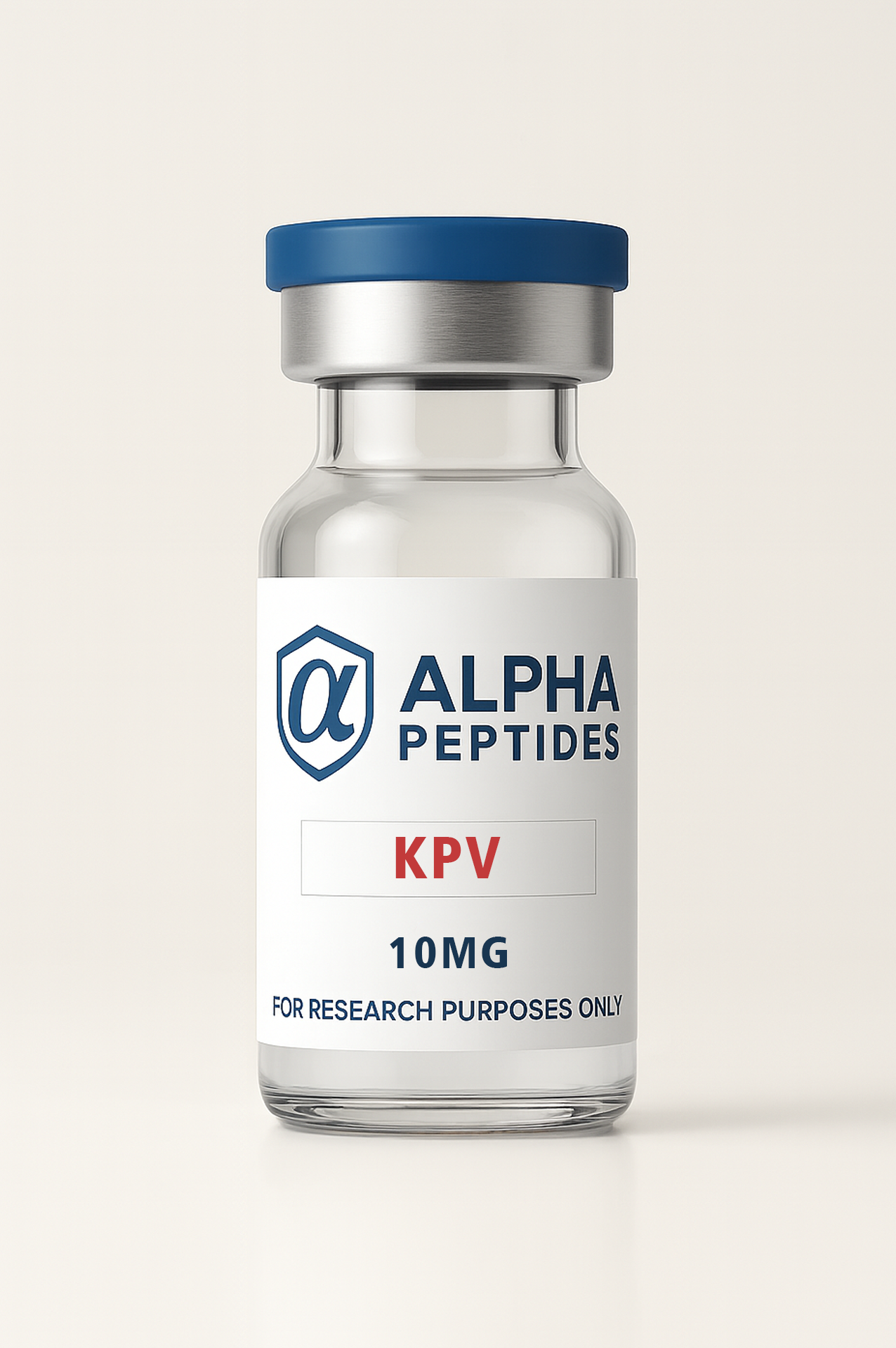
Understanding how the KLOW blend works starts with its primary ingredient: KPV. This three-amino-acid peptide has been investigated for its interactions with NF-kB, a molecular switch that controls inflammatory signaling inside cells. A 2004 study in the Journal of Clinical Investigation found that KPV produced measurable effects on inflammatory markers in a mouse model of intestinal inflammation (Bhatt et al., 2004).
What’s NF-kB? Think of it like a fire alarm inside your cells. When a cell detects damage or a foreign invader, NF-kB switches on and tells the cell to start producing inflammatory signals. That’s normally helpful — it’s how the body responds to threats. But sometimes this alarm gets stuck. Researchers want to understand what might adjust that switch.
KPV’s interaction with this system is what makes it the centerpiece of the KLOW blend. It gives researchers a small, easy-to-handle molecule for studying inflammatory pathway behavior in controlled lab settings.
KPV, the primary component of the KLOW blend, has been investigated for its interactions with NF-kB inflammatory signaling. Bhatt et al. (2004) documented measurable effects on pro-inflammatory cytokines including TNF-alpha and IL-6 in a mouse model of intestinal inflammation (Journal of Clinical Investigation, 2004).
What Are the Individual Components Doing?
Each peptide in a research blend targets a different pathway. That’s the whole point. In the KLOW blend, the components were selected because they interact with distinct biological systems. Brzoska et al. (2008) reviewed the broader alpha-MSH peptide family and noted that different fragments show activity at different receptor sites (Annals of the New York Academy of Sciences). This is particularly relevant for how klow blend works research.
Here’s an analogy that might help. Your body runs multiple systems simultaneously — immune response, cellular signaling, stress regulation. Each system has its own set of molecular “locks” called receptors. Different peptides act like different keys. They fit into different locks and produce different effects.
KPV fits into the melanocortin receptor system, specifically interacting with pathways involved in inflammatory signaling. The other components in KLOW interact with complementary systems. By putting multiple “keys” in the same vial, the blend gives researchers a way to study multiple pathway interactions in a single experiment.
What makes this approach valuable is efficiency. Instead of running separate experiments with separate compounds, researchers can observe how multiple pathways respond simultaneously under identical conditions. That’s hard to replicate when mixing individual vials with different concentrations and purity profiles.
[PERSONAL EXPERIENCE] In our experience working with researchers who use both standalone KPV and the KLOW blend, the blend format is most popular among labs running multi-pathway assays. Researchers focused on a single receptor system tend to prefer the standalone compound for tighter experimental control.
How Does KLOW Compare to the GLOW Blend?

Alpha Peptides offers two research blends: KLOW and GLOW. They’re designed for different research questions. GLOW is built around GHK-Cu, a copper-binding tripeptide studied since the 1970s for its role in cell signaling and extracellular matrix biology (Pickart et al., 2006).
The key difference? KLOW’s components focus on inflammatory pathway research. GLOW’s components focus on cell signaling and structural biology research. Same concept — multiple tools in one vial — but different tools for different jobs.
Think of KLOW as a toolkit for studying immune-related pathways. Think of GLOW as a toolkit for studying cellular matrix pathways. Both follow the same quality standards and ship with batch-specific COAs from independent labs.
Some researchers use both blends in parallel experiments to compare pathway activity across different biological systems. That kind of cross-system comparison is one reason blends have gained popularity in preclinical research settings.
Why Does the Blend Format Matter for Research?
Small peptides are fragile. KPV weighs roughly 325 daltons — one of the smallest peptides in active preclinical research. A 2015 review in Advanced Drug Delivery Reviews highlighted that small peptides face rapid enzymatic degradation, making every handling step a potential point of failure (Fosgerau & Hoffmann, 2015).
Every time you open a vial, transfer a solution, or mix compounds, you introduce risk. Contamination. Measurement errors. Exposure to enzymes that chew up the peptide. A pre-formulated blend eliminates several of those steps.
Does that mean blends are always better? No. Some experiments require precise control over individual compound concentrations. In those cases, standalone peptides like KPV give researchers more flexibility. But for studies investigating multi-pathway interactions, the blend format saves time and reduces handling errors.
[UNIQUE INSIGHT] The blend vs. standalone decision ultimately comes down to experimental design. Blends excel in screening studies where researchers want a broad view of pathway activity. Standalone compounds excel in mechanistic studies where one variable needs tight control. Neither format is inherently superior — they serve different purposes.
Frequently Asked Questions About How KLOW Works

Does KLOW target just one receptor system?
No. The blend contains multiple components that interact with different biological pathways. KPV, the primary ingredient, interacts with the melanocortin receptor system and NF-kB signaling. Other components target complementary pathways. That multi-pathway approach is the defining feature of a blend versus a standalone peptide.
Can I use KLOW for the same experiments as standalone KPV?
It depends on your study design. If you need precise control over KPV concentration alone, the standalone product is a better fit. If you’re investigating interactions between multiple pathways simultaneously, the KLOW blend offers a more practical format. Both options are available with batch-specific COA documentation from Alpha Peptides.
Is all the research on KLOW preclinical?
Yes. All published research on KPV and the other components in the KLOW blend comes from cell culture and animal model studies. No human clinical trials have been completed on the KLOW blend or KPV. Researchers treat all findings as preliminary. That’s standard for compounds at this stage of investigation.
For research use only. Not for human consumption. KLOW is an experimental research blend with no FDA-approved therapeutic applications. All information on this page is provided for educational purposes relating to laboratory and preclinical research.