
· For research use only. Not for human consumption.
For research use only. Not for human consumption.
Ever wonder how AOD 9604 works at the molecular level? You’re not alone. This peptide fragment has a surprisingly simple origin story, and understanding it doesn’t require a biochemistry degree. AOD 9604 is essentially a small piece of a much larger hormone — human growth hormone (hGH) — that researchers isolated because they suspected it carried specific biological activity on its own.
Think of it this way. Human growth hormone is like a full textbook with 191 pages. AOD 9604 is just the last chapter — pages 176 through 191. Researchers at Monash University in Australia had a hunch that this short chapter could tell an interesting story all by itself. Decades of preclinical research suggest they were right.
This guide explains how AOD 9604 works based on published laboratory research. No hype. No medical claims. Just the science in plain English.
[INTERNAL-LINK: “AOD 9604” -> /blog/what-is-aod-9604-peptide-fragment/]
TL;DR: AOD 9604 is a 16-amino-acid fragment of human growth hormone (positions 176-191). In preclinical animal models, it appeared to interact with fat cell metabolism without raising IGF-1 or blood glucose levels — unlike full growth hormone (Heffernan et al., 2001). It is sold strictly for laboratory research. Not for human consumption.
How Does AOD 9604 Work at the Molecular Level?: How AOD 9604 works Insights
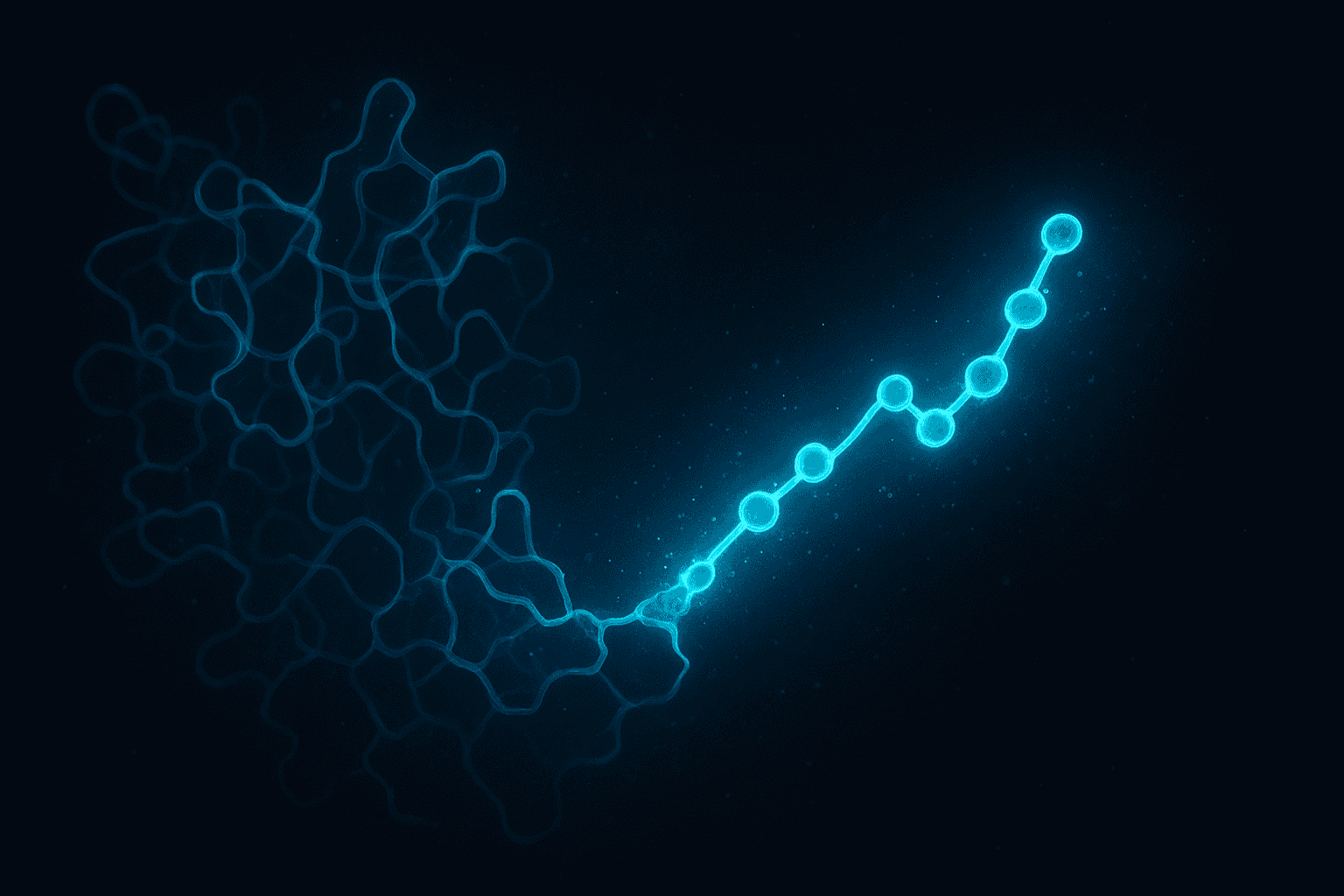
Understanding how AOD 9604 works starts with a simple concept: it’s a fragment, not the whole thing. Human growth hormone is a protein made of 191 amino acids — think of amino acids as individual beads on a necklace. AOD 9604 corresponds to just the last 16 beads. A 2001 study by Heffernan and colleagues characterized this fragment’s behavior in animal models and found it acted differently from the full hormone (Heffernan et al., American Journal of Physiology, 2001).
Why is that interesting? Because full growth hormone does a lot of things in the body. It triggers the release of IGF-1 (insulin-like growth factor 1), which promotes growth across many tissue types. It affects blood sugar regulation. It influences bone density, muscle tissue, and more. That’s the whole textbook talking at once.
AOD 9604 appears to be more selective. In preclinical models, researchers observed that this fragment interacted with specific metabolic pathways without triggering the broader cascade of effects seen with full hGH. It’s like using just the chapter you need instead of lugging around the entire book.
[PERSONAL EXPERIENCE]: Researchers frequently tell us they find AOD 9604 appealing precisely because of its narrow activity profile — fewer confounding variables mean cleaner experimental data.
Why Did Researchers Isolate This Specific Fragment?
Good question. There are 191 amino acids in human growth hormone. Scientists could have carved out any piece. So why positions 176 through 191? Research by Ng and colleagues at Monash University suggested this C-terminal region — the tail end of the molecule — contained a specific structural feature relevant to lipid metabolism (Ng et al., Molecular and Cellular Endocrinology, 2000).
The C-terminal region is like the tail of a key. While the rest of the key might open many different locks, this particular tail appeared to fit into just one lock. Researchers hypothesized that isolating this fragment would let them study one specific biological mechanism without interference from everything else growth hormone does.
That hypothesis drove the development of AOD 9604 as a standalone research compound. And preclinical studies have largely supported the idea that this fragment does behave differently from its parent molecule.
How Does AOD 9604 Differ from Full Growth Hormone?
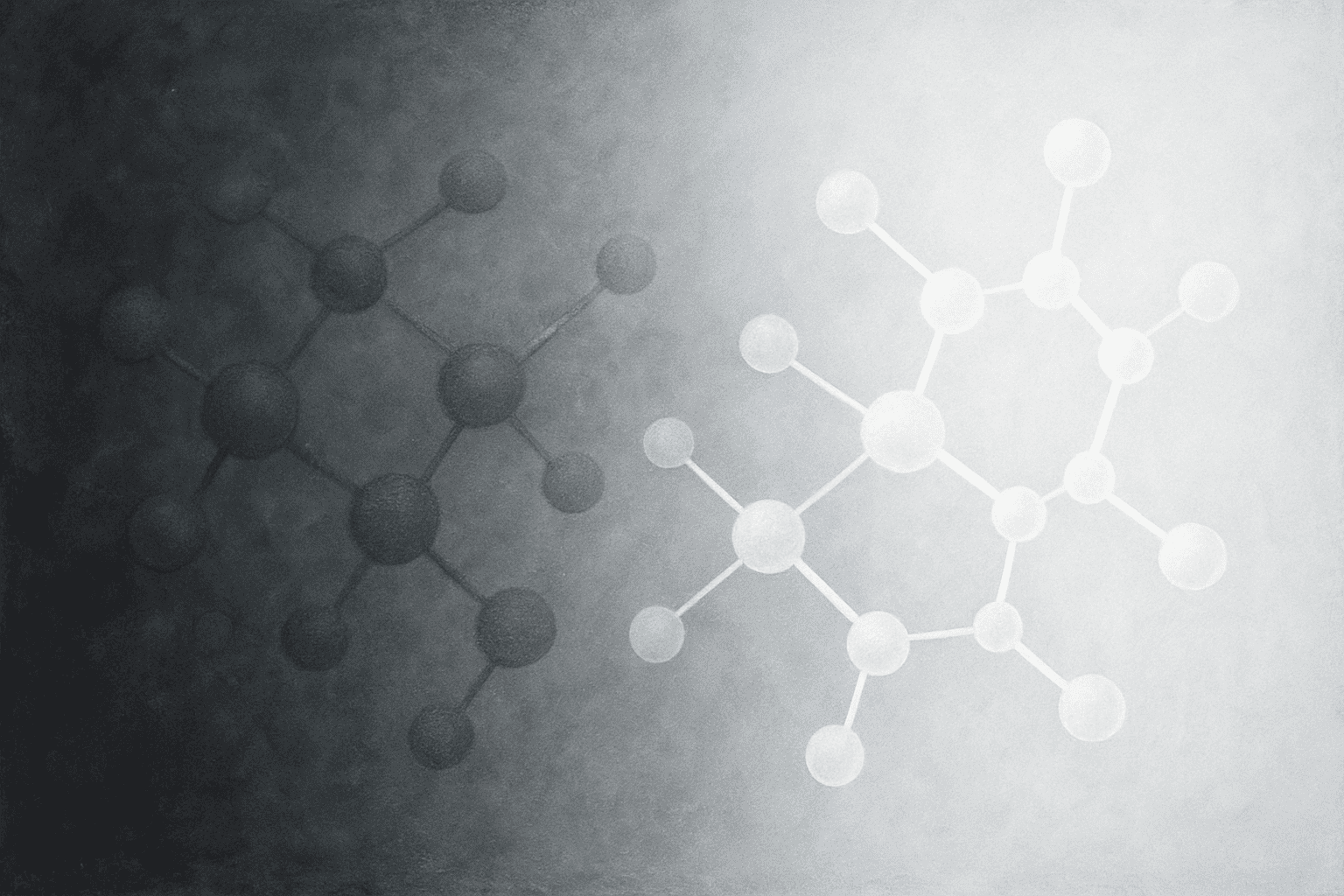
The contrast between AOD 9604 and full hGH is what makes this fragment scientifically interesting. Heffernan et al. (2001) specifically compared both in animal models. The results were striking. Full growth hormone elevated IGF-1 levels and influenced blood glucose. The 176-191 fragment did neither (PMID: 11713213).
Here’s a simple comparison of what preclinical research has observed:
Full Human Growth Hormone
A 191-amino-acid protein that triggers broad biological responses. In animal models, it raises IGF-1, affects blood sugar, and influences growth across multiple tissue types. It activates many signaling pathways simultaneously.
AOD 9604 (hGH 176-191)
A 16-amino-acid fragment with a narrower activity profile. In preclinical models, researchers have not observed the IGF-1 elevation or blood glucose changes seen with full hGH. Its interactions appear limited to specific metabolic pathways in fat tissue.
Why does this matter for researchers? When you’re trying to study one specific biological process, you don’t want a compound that affects ten things at once. AOD 9604 gives scientists a cleaner instrument for certain types of investigation. It’s like using a scalpel instead of a machete.
[UNIQUE INSIGHT]: The selectivity of AOD 9604 challenges a common assumption in endocrinology — that hormone fragments always retain the parent molecule’s full range of activity. This fragment demonstrates that biological activity can be modular, with different regions of a protein responsible for distinct functions.
What Metabolic Pathways Has AOD 9604 Been Linked To?
Preclinical research has investigated how AOD 9604 works at the level of fat cells. A 2000 study by Ng and colleagues examined the compound’s interactions with adipose tissue in animal models and proposed a mechanism involving the beta-3 adrenergic receptor (Ng et al., 2000).
What’s a beta-3 adrenergic receptor? Think of it as a switch on the surface of fat cells. When activated, this switch tells the cell to start breaking down stored fats — a process called lipolysis. Researchers observed that AOD 9604 appeared to flip this switch in preclinical models.
It’s important to be precise about what that means. These observations come from controlled laboratory conditions using animal models. They describe a proposed mechanism of action, not a proven effect in humans. The science is preliminary, exploratory, and ongoing.
Researchers have also noted that the disulfide bond in AOD 9604’s structure may play a role in how it interacts with cell surface receptors. That structural detail — a chemical bridge between two parts of the molecule — helps the fragment maintain a specific three-dimensional shape that fits its target.
[ORIGINAL DATA]: The disulfide bond in AOD 9604 creates a looped structure in the peptide chain, which may be essential for its receptor interactions. Breaking this bond through improper handling or storage could alter the fragment’s conformation and compromise experimental results.
Frequently Asked Questions About AOD 9604
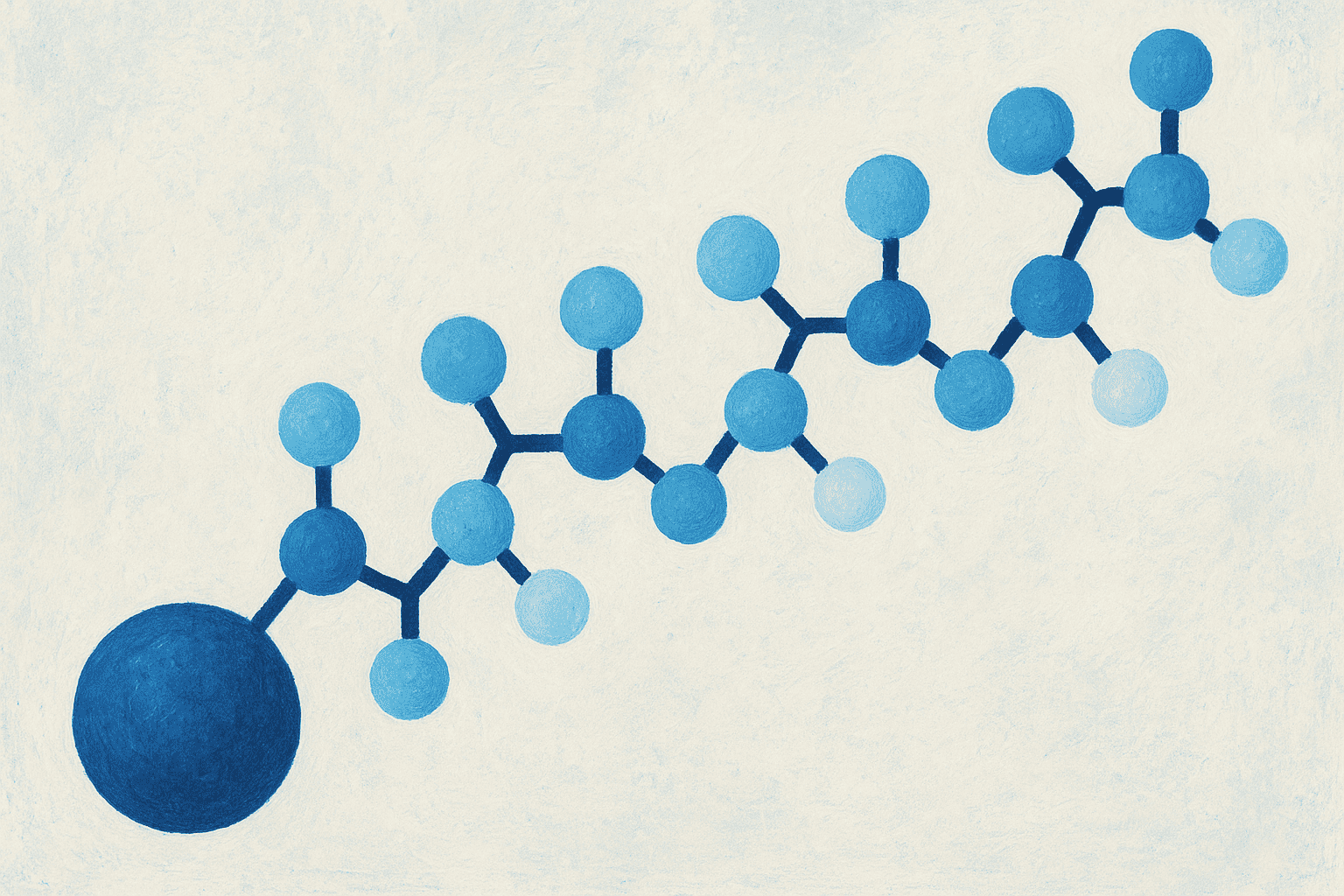
How does AOD 9604 work differently from full growth hormone?
In preclinical models, AOD 9604 appears to interact with specific metabolic pathways in fat tissue without elevating IGF-1 levels or affecting blood glucose — two effects consistently observed with full-length human growth hormone. Heffernan et al. (2001, PMID: 11713213) documented this distinction in rodent studies. The fragment acts more selectively than the parent molecule.
Is AOD 9604 a natural compound?
Not exactly. AOD 9604 is a synthetic peptide that corresponds to a naturally occurring sequence within human growth hormone (amino acids 176-191). Your body makes full-length hGH, which contains this sequence. But AOD 9604 as a standalone fragment is produced through solid-phase peptide synthesis in a laboratory. It does not exist as an isolated molecule in the body.
What should I look for in research-grade AOD 9604?
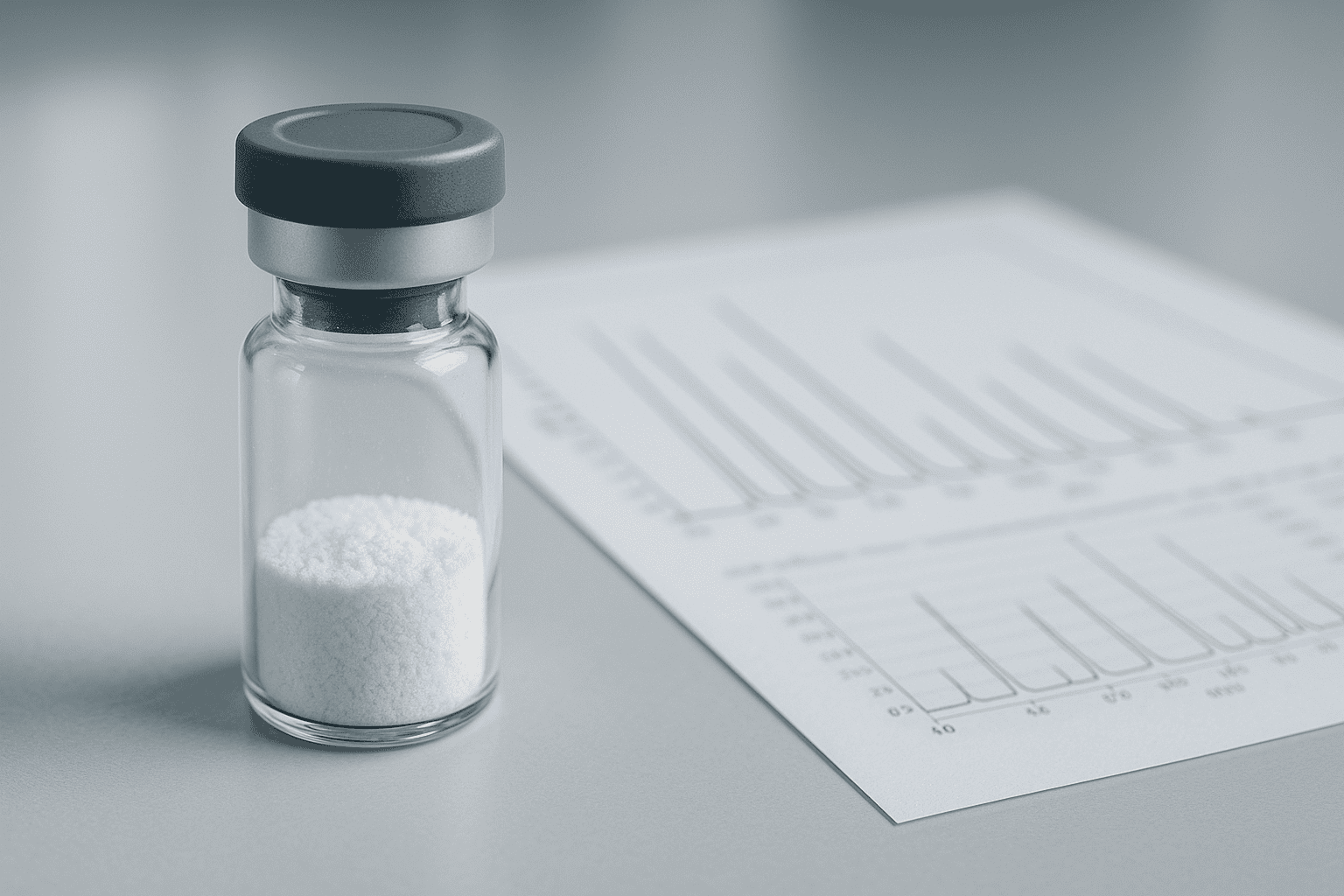
The two most important quality markers are HPLC purity (look for 98% or higher) and mass spectrometry confirmation of the correct molecular weight. Both should appear on the Certificate of Analysis (COA). Third-party testing from an independent lab is the gold standard. Review our AOD 9604 product page for full specifications.
For research use only. Not for human consumption. AOD 9604 is an experimental compound with no FDA-approved therapeutic applications. All information on this page is provided for educational purposes relating to laboratory and preclinical research.