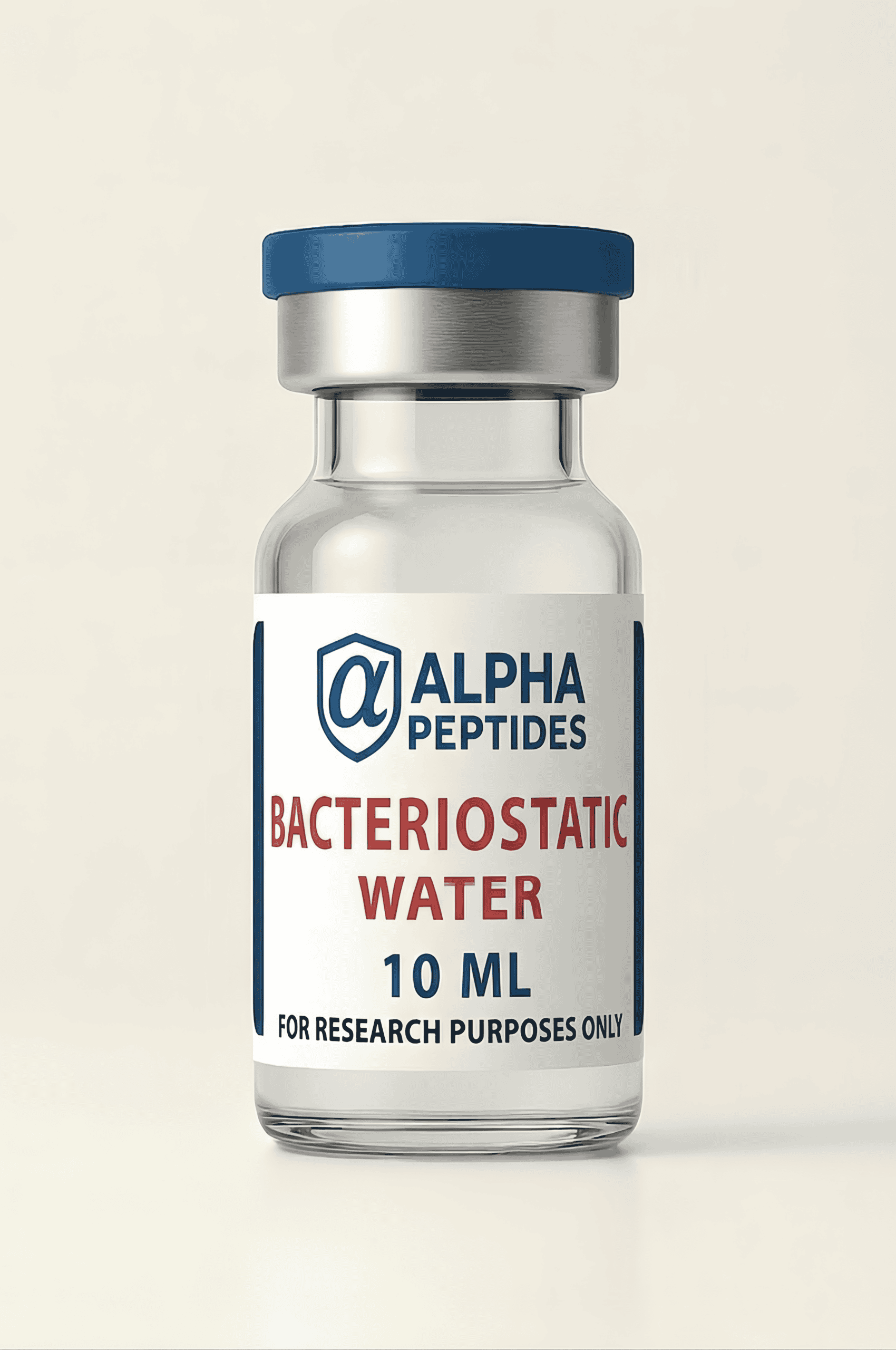

· For research use only. Not for human consumption.
For research use only. Not for human consumption.
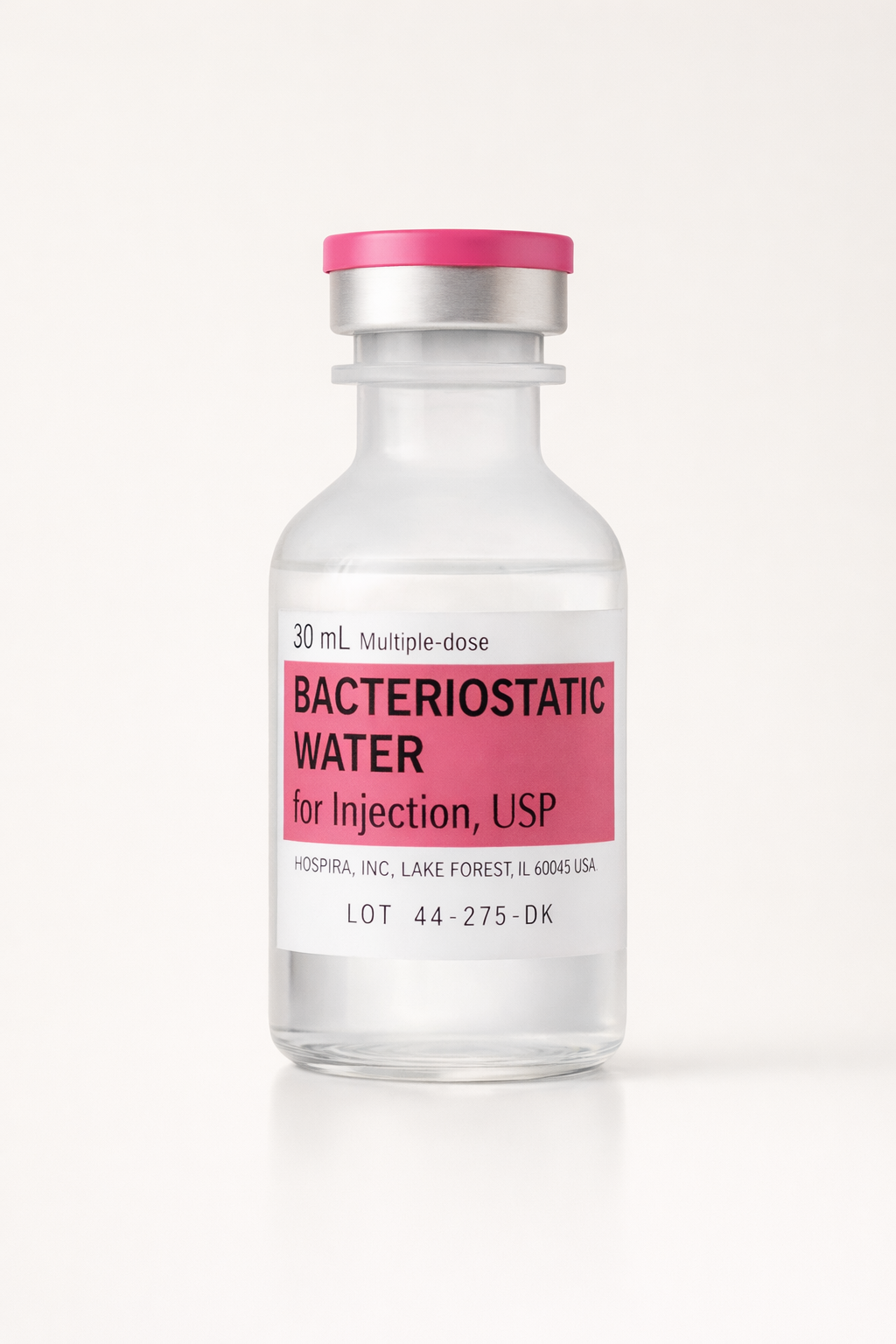
Hospira BAC Water: Why Brand Matters for Research
Not all bacteriostatic water is created equal. Hospira bacteriostatic water has been the go-to choice for hospitals, pharmacies, and research facilities for decades — and there’s a straightforward reason why. Hospira, now a subsidiary of Pfizer, manufactures under the same pharmaceutical-grade standards used for injectable medications. That level of quality control matters when precision is the whole point of your work.
According to the FDA’s drug shortage database, bacteriostatic water has appeared on shortage lists multiple times since 2014 — largely because demand from clinical and research settings consistently outpaces supply from qualified manufacturers. When a product is that sought-after by professionals, it tells you something about what the standard really is.
[INTERNAL-LINK: “bacteriostatic water basics” -> /blog/what-is-bacteriostatic-water/]
TL;DR: Hospira bacteriostatic water is the pharmaceutical industry’s benchmark for a reason. Manufactured under FDA-regulated cGMP conditions with a consistent 0.9% benzyl alcohol concentration, it’s the same product trusted by over 5,000 U.S. hospitals (Pfizer, 2024). For research that depends on reliable results, brand consistency isn’t optional — it’s the foundation.
What Makes Hospira Bacteriostatic Water Different From Generic Options?
Hospira bacteriostatic water is manufactured under current Good Manufacturing Practice (cGMP) regulations enforced by the FDA. A USP (2023) analysis confirms that USP-grade water must meet over 20 specific quality parameters, including endotoxin limits, pH range, and particulate matter thresholds. Hospira meets every one. Many generic alternatives don’t publish whether they hit those same benchmarks.
Think of it like buying batteries. You can grab an off-brand pack at a dollar store, and they might work fine. Or they might die in an hour. A name brand like Duracell or Energizer gives you a predictable result every single time. Hospira is the Duracell of bacteriostatic water — you know exactly what’s inside each vial.
The difference shows up in three specific areas: sterility assurance, benzyl alcohol concentration accuracy, and shelf-life reliability. Generic products may cut corners on any of these. When your research depends on controlling every variable, an inconsistent solvent introduces problems you can’t account for.
Why Does the 0.9% Benzyl Alcohol Concentration Matter?
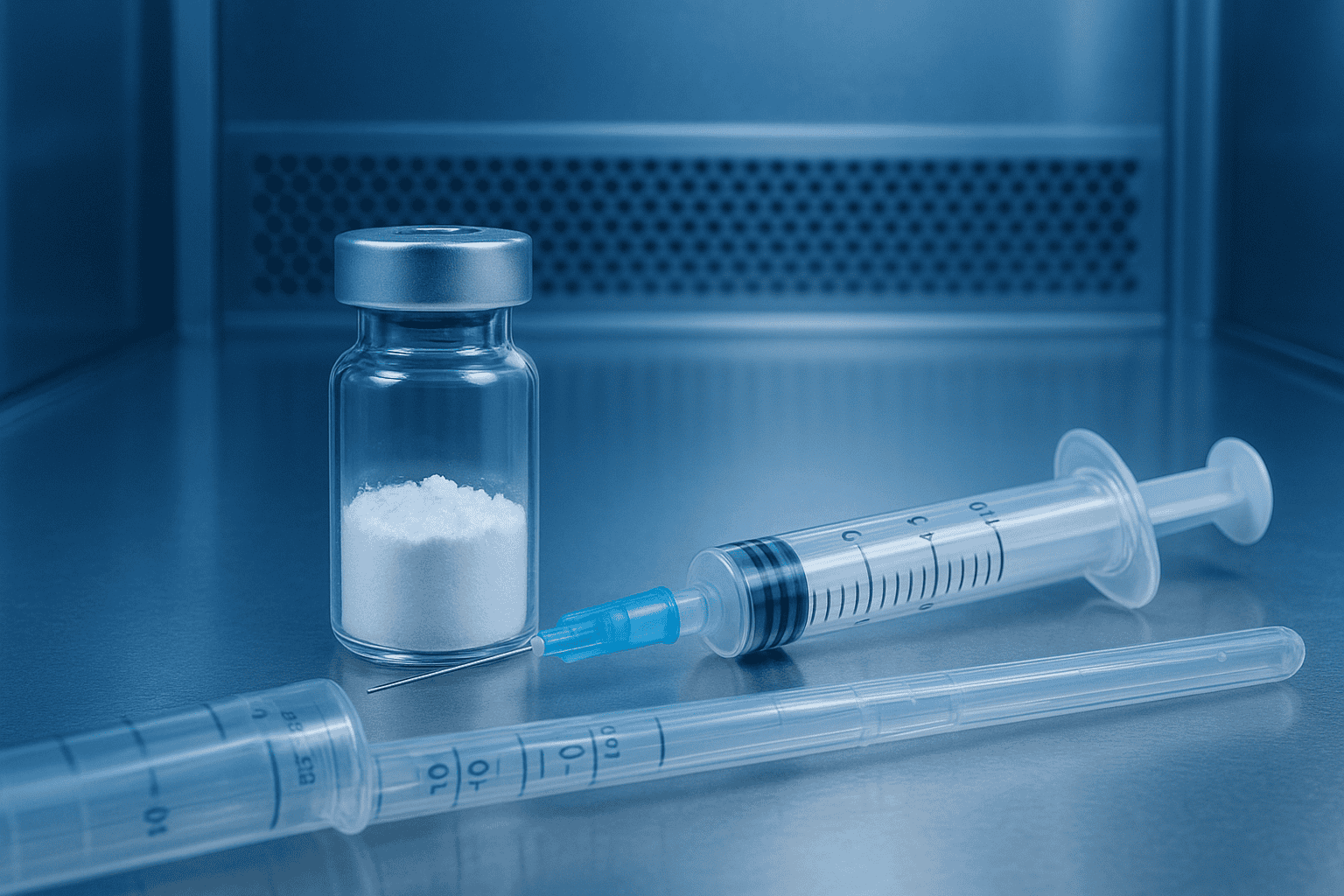
Bacteriostatic water contains exactly 0.9% benzyl alcohol as a preservative — that’s the number specified in the FDA’s approved labeling for Hospira’s product. According to the USP monograph for Bacteriostatic Water for Injection, the benzyl alcohol concentration must fall within a tight range to function as an effective antimicrobial agent without degrading dissolved compounds.
Here’s why that precision matters. Too little benzyl alcohol and bacteria can grow in the vial after the first puncture. Too much and it could interfere with whatever you’ve reconstituted. Hospira’s manufacturing process keeps that concentration locked in at 0.9% — vial after vial, lot after lot.
[PERSONAL EXPERIENCE] Researchers who’ve switched from unbranded sources to Hospira frequently report more consistent reconstitution outcomes. The variable most often cited is solvent quality — something easily overlooked until it causes a problem.
With unbranded products, you’re trusting a label without the manufacturing pedigree behind it. Some off-brand bacteriostatic water has been found with benzyl alcohol levels outside the acceptable range, which compromises both the preservative function and the integrity of dissolved research compounds.
[INTERNAL-LINK: “reconstituting peptides properly” -> /blog/peptide-reconstitution-complete-guide/]
Who Actually Makes Hospira Products Today?
Pfizer acquired Hospira in 2015 for approximately $17 billion (Reuters, 2015), making it one of the largest pharmaceutical acquisitions of that decade. The Hospira brand continues to operate under Pfizer’s umbrella, and its manufacturing facilities still follow the same stringent protocols that earned the brand its reputation.
Hospira’s McPherson, Kansas facility and its other production sites undergo regular FDA inspections. These aren’t courtesy visits. The FDA’s inspection database shows that these facilities are held to the same standards as sites producing critical-care medications. That oversight gives every vial a traceable chain of quality.
What Should You Look for on the Label?
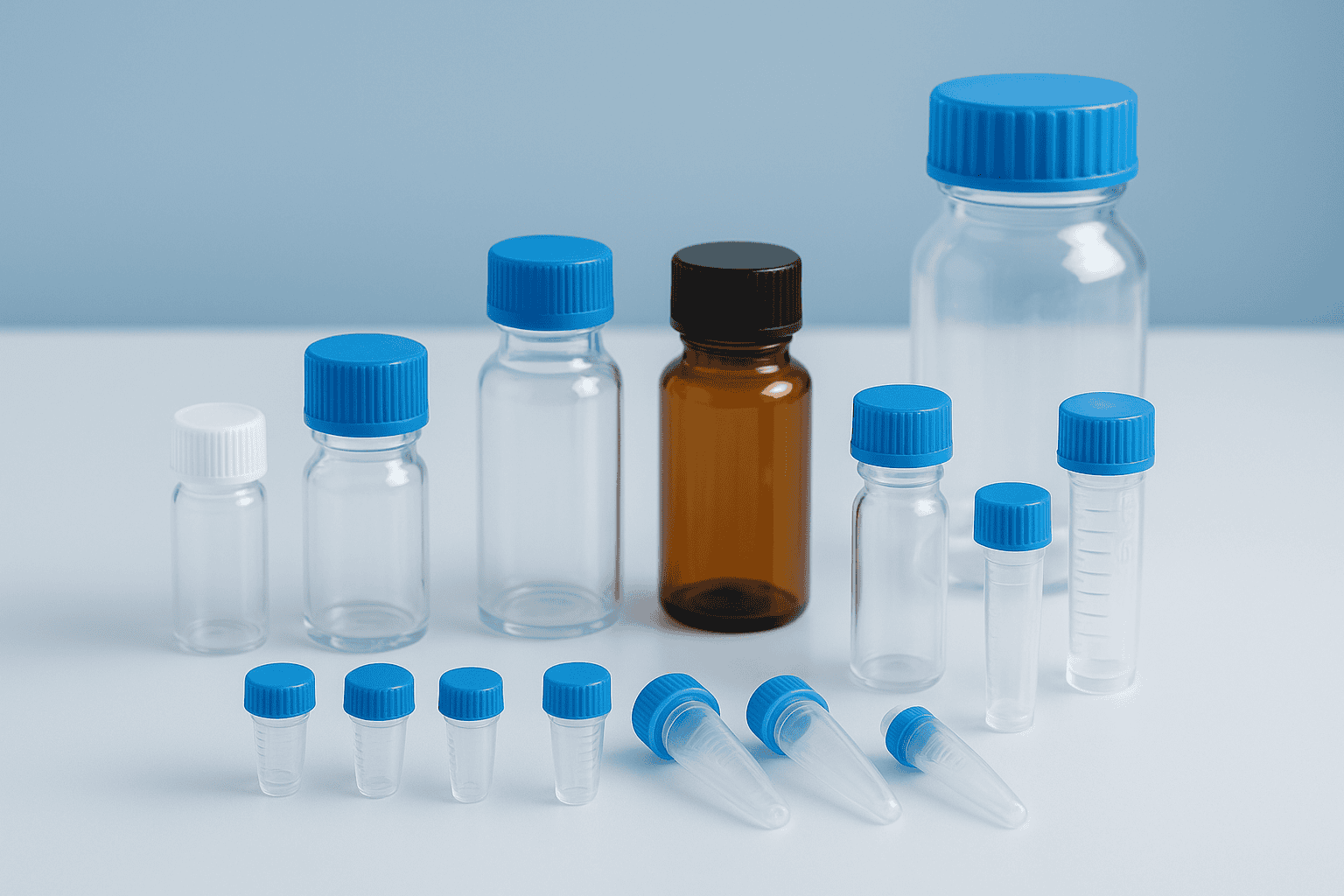
A legitimate Hospira bacteriostatic water vial carries specific label elements that verify its authenticity. The FDA requires all injectable water products to display an NDC (National Drug Code) number — Hospira’s bacteriostatic water NDC is well-documented in the FDA’s DailyMed database. If a vial doesn’t have an NDC number, it wasn’t manufactured under FDA oversight.
Here’s a quick checklist for what should appear on any genuine vial:
- Manufacturer name: Hospira, Inc. (a Pfizer company)
- NDC number: Printed clearly on the label
- USP designation: “Bacteriostatic Water for Injection, USP”
- Benzyl alcohol statement: “Contains 0.9% benzyl alcohol”
- Lot number and expiration date: Both must be present
- Barcode: Scannable for pharmacy and inventory systems
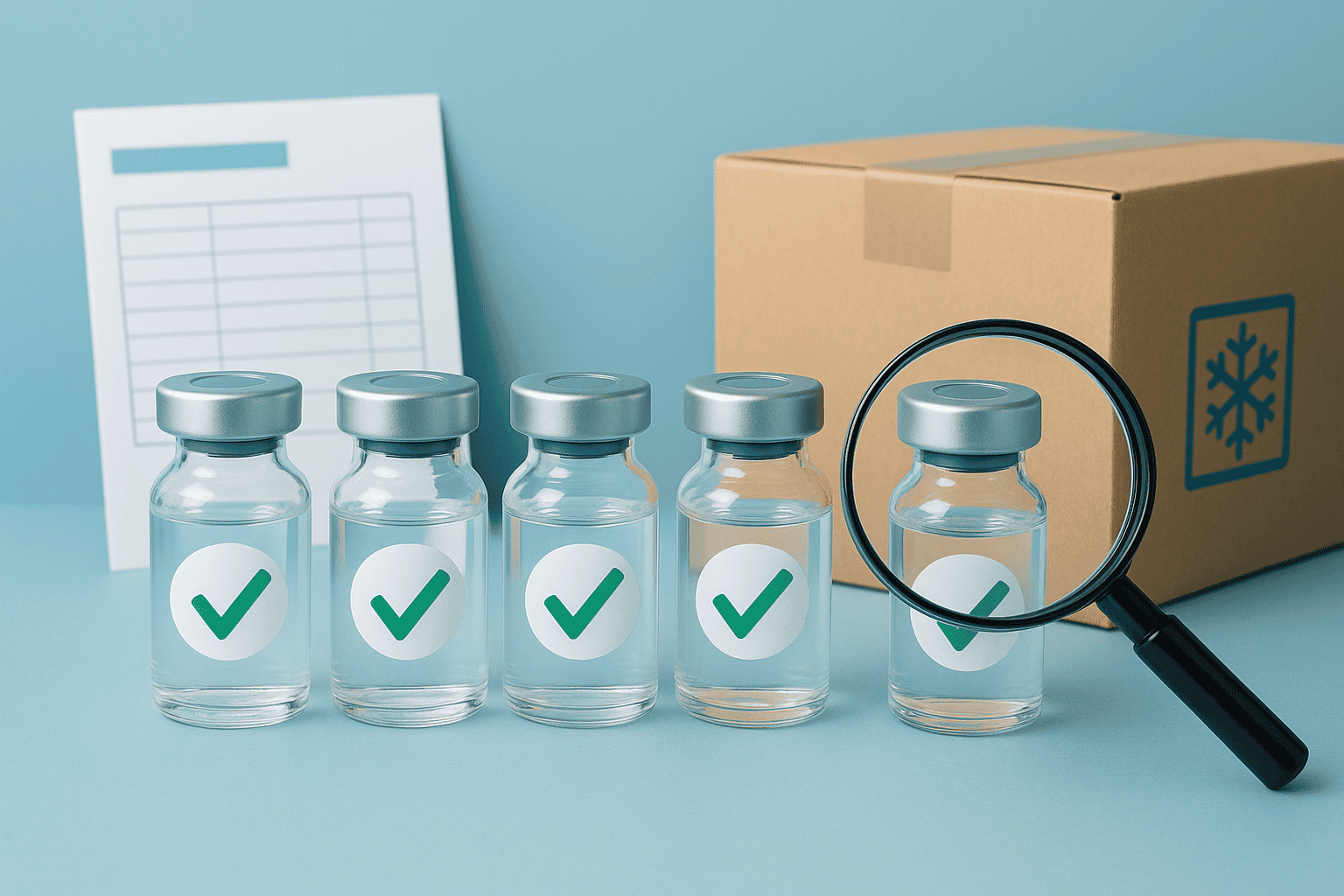
If any of those elements are missing, you’re not looking at a pharmaceutical-grade product. It’s that simple. Would you trust a fire extinguisher without a certification tag? Same logic applies here.
Why Is Generic or Unbranded BAC Water Risky for Research?
The FDA has issued multiple warnings about compounding pharmacies producing substandard sterile products. A Pew Charitable Trusts report (2020) found that between 2001 and 2017, contaminated compounded sterile products were linked to over 100 adverse events in clinical settings. While bacteriostatic water itself wasn’t always the culprit, it highlights how sterility failures in any component can cascade through an entire process.
[UNIQUE INSIGHT] The real risk with unbranded bacteriostatic water isn’t that it’s necessarily contaminated — it’s that you can’t verify it isn’t. Without cGMP manufacturing records, FDA inspection history, and lot-level traceability, you’re essentially working with an unknown variable in your research. That’s the opposite of good experimental design.
Unbranded suppliers often source from overseas facilities that don’t fall under FDA jurisdiction. There’s no public inspection record, no traceable supply chain, and no recourse if something is off. For research applications, introducing an unverified solvent defeats the purpose of controlling your variables.

[INTERNAL-LINK: “bacteriostatic water for research peptides” -> /blog/glp-3-bacteriostatic-water/]
Why Does Alpha Peptides Carry Hospira Specifically?
It comes down to consistency. According to a 2022 survey by the American Society of Health-System Pharmacists (ASHP), Hospira remains one of the most frequently stocked brands in U.S. hospital pharmacies — a position it has held for over 15 years. That track record reflects a level of manufacturing reliability that generic alternatives haven’t matched.
Carrying this brand means every customer receives the same product that research labs and hospital pharmacies trust. No guesswork about benzyl alcohol levels. No questions about sterility. No mystery sourcing. It’s a straightforward decision: stock the product with the strongest quality record in the category.
Frequently Asked Questions
Is Hospira bacteriostatic water the same as regular sterile water?
No. Hospira bacteriostatic water contains 0.9% benzyl alcohol, which inhibits bacterial growth after the vial is punctured. Regular sterile water (Water for Injection, USP) contains no preservative and must be used immediately once opened. The benzyl alcohol in Hospira’s product allows multi-use over up to 28 days, according to USP guidelines.
[INTERNAL-LINK: “differences between water types” -> /blog/what-is-bacteriostatic-water/]
How long does Hospira bacteriostatic water last after opening?
Once punctured, a vial of Hospira bacteriostatic water is generally considered viable for up to 28 days when stored properly, per USP Chapter 797 standards. After that window, the preservative may no longer guarantee sterility. Unopened vials remain stable until the printed expiration date, typically 24-36 months from manufacture.
Can I use any brand of bacteriostatic water for research?
Technically, yes — but quality varies significantly between brands. Hospira’s cGMP manufacturing and FDA oversight provide a verified chain of quality. Unbranded products may lack proper sterility testing, accurate benzyl alcohol concentrations, or traceable lot numbers. For research where variables need to be controlled, pharmaceutical-grade sourcing matters.
[INTERNAL-LINK: “complete reconstitution walkthrough” -> /blog/peptide-reconstitution-complete-guide/]
Why is bacteriostatic water sometimes hard to find?
Bacteriostatic water has experienced recurring shortages. The FDA’s drug shortage database has listed it multiple times since 2014, driven by high demand from clinical and research settings combined with limited qualified manufacturers. Hospira (Pfizer) is one of only a few FDA-approved producers, which concentrates demand on their supply.
What does “USP grade” mean on the label?
USP stands for United States Pharmacopeia, an independent organization that sets quality standards for medications and pharmaceutical ingredients. A “USP” designation on bacteriostatic water means the product meets over 20 specific purity and quality benchmarks. It’s essentially a seal of approval that the product was made to pharmaceutical standards — not just general laboratory standards.
Get Hospira Bacteriostatic Water for Your Research
Alpha Peptides stocks genuine Hospira bacteriostatic water — the same pharmaceutical-grade product trusted by hospitals and research labs across the country. Every vial is USP-grade with full lot traceability.
[INTERNAL-LINK: “explore full catalog” -> /shop/]
For research use only. Not for human consumption. This article is intended for informational purposes and does not constitute medical advice. All products sold by Alpha Peptides are strictly for laboratory and research applications.