GHK-Cu peptide research is often organized around sequence structure, copper-binding behavior, and controlled analytical context. This page keeps the same research-focused sentiment while improving SEO clarity and readability.
Content is educational and laboratory-oriented only. It does not provide medical advice, treatment claims, dosing guidance, or human/animal use instructions.
Structure context in GHK-Cu peptide research
GHK-Cu peptide research commonly focuses on structure-function relationships under defined conditions. Interpretation quality improves when each observation is paired with method metadata and traceable references.
Mechanism-focused analytical review
- Identity-aligned confirmation
- Purity profile with condition context
- Stability observation by timepoint
- Batch and method traceability links
A practical documentation rule is to separate observed outputs from interpretation notes. This makes later audits and peer review easier.
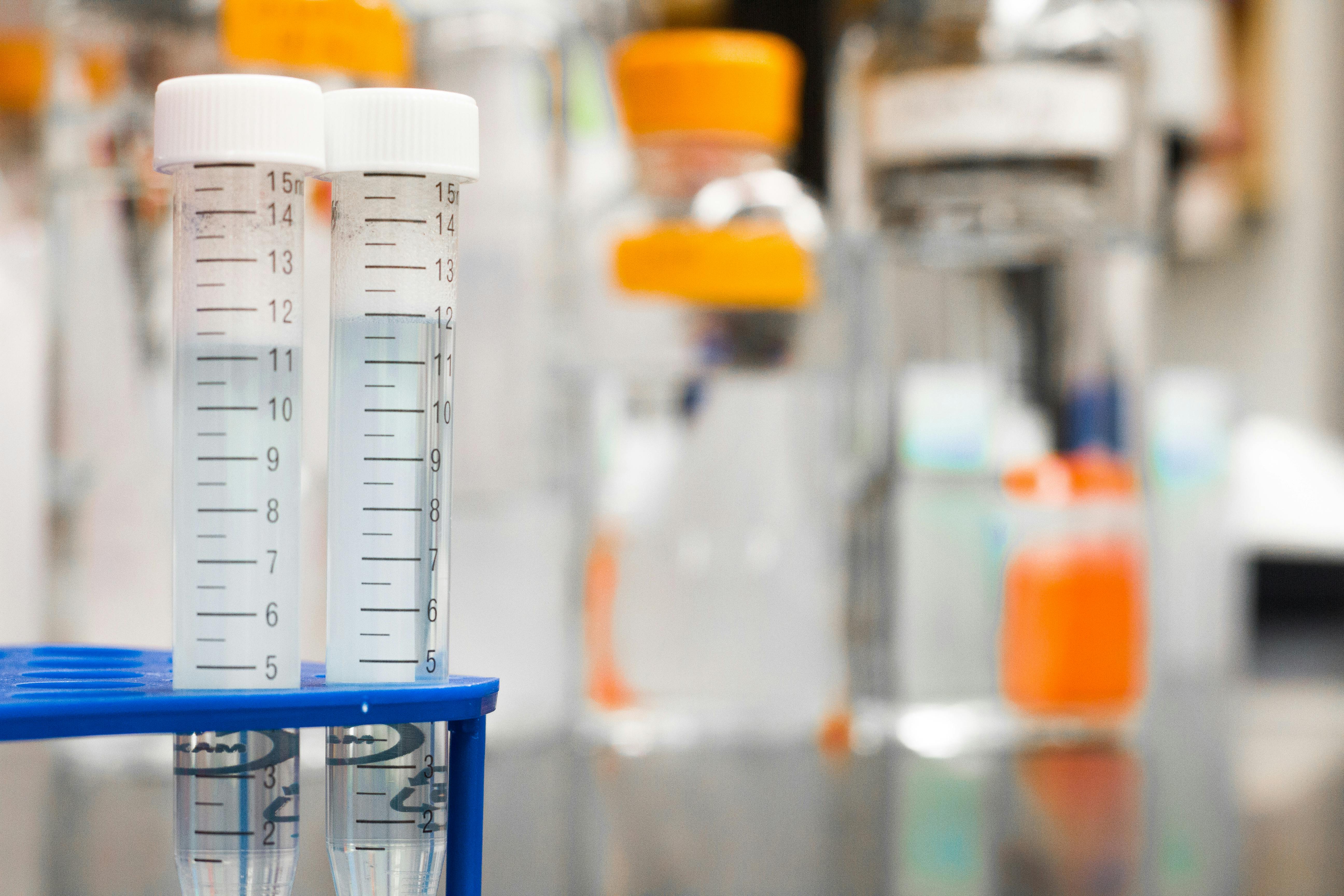
SEO and readability for technical research pages
Technical pages perform better when headings are specific, paragraphs are concise, and terminology remains stable. Keeping one clear key phrase improves both indexing and reader comprehension.
For non-specialists, an effective reading order is definition, observation, then reference context. For technical readers, explicit method identifiers and timestamps should stay visible.
Internal and external references
External references: GHK-Cu overview and PubMed index.
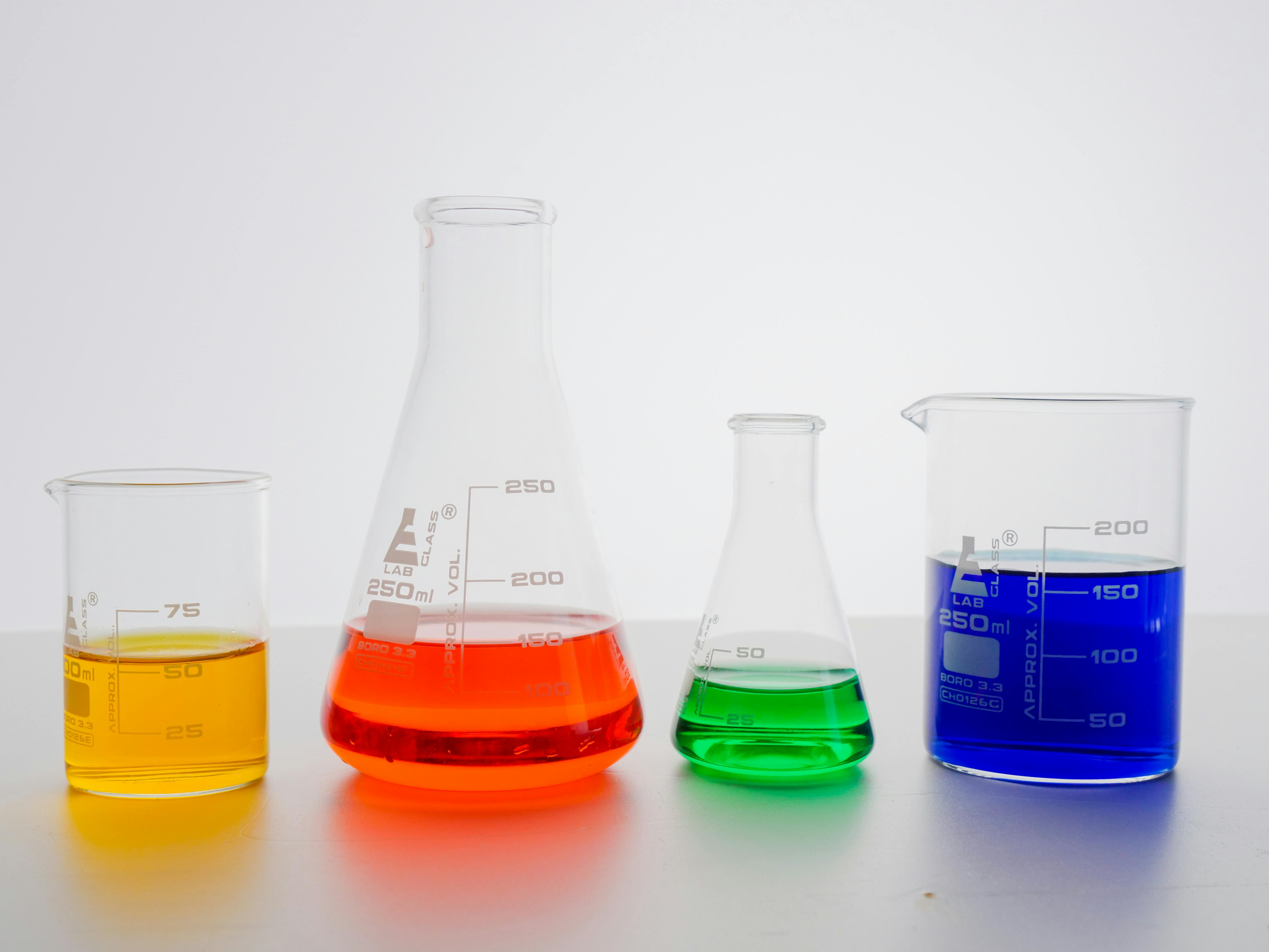
Documentation quality controls
High-quality records preserve method labels, condition notes, timestamps, and stable naming conventions across revisions. This supports reproducibility and long-term archive quality.
In team workflows, traceable evidence chains reduce rework and improve handoff speed between reviewers and editors.
A neutral, evidence-linked writing style supports compliance while keeping technical utility intact.
Conclusion
GHK-Cu peptide research pages perform best when structure context, analytical method design, and traceable documentation remain aligned in clear scientific language.
Research Use Disclaimer
For Research Use Only. Not for human or animal use. Not intended to diagnose, treat, cure, or prevent any disease.
Compliance + SEO review completed.
GHK-Cu peptide research documentation should keep method identifiers, condition metadata, and source references linked to each summary statement for reproducible interpretation.
Traceability note for GHK-Cu peptide research: stable terminology and context-linked observations improve technical SEO and archive consistency in long-term review workflows.
Additional continuity note for documentation depth and technical readability.
Extended SEO depth: GHK-Cu peptide research records should preserve run-level metadata, condition notes, and source references in each revision cycle to maintain reproducible interpretation.
Technical continuity: in GHK-Cu peptide research documentation, stable terminology across headings and summaries improves review quality and reduces cross-team ambiguity.
Archive consistency note: context-linked statements and traceable evidence chains improve long-term usability of mechanism-focused technical content.
Additional extension for documentation completeness and SEO readability alignment.

Final continuity statement for audit readiness and reproducible laboratory interpretation.
Length extension section: GHK-Cu peptide research documentation should map each mechanism-oriented statement to explicit method context, sample identifiers, and timestamped source notes. This reduces interpretation drift and improves reproducibility in technical review workflows.
In practical archival management, GHK-Cu peptide research entries are easier to compare when terminology remains stable from title to conclusion. Consistent naming conventions reduce ambiguity and help reviewers maintain analytical continuity across revisions.
For SEO and readability, technical summaries should keep concise headings, clear paragraph boundaries, and evidence-linked phrasing. This structure supports both search relevance and professional documentation quality in laboratory-focused content.
Additional continuity extension for long-term audit readiness and cross-team handoff consistency in mechanism-focused peptide research pages.
Final SEO extension: GHK-Cu peptide research pages perform better when records preserve traceable evidence chains, stable terminology, and explicit method references in every update cycle.
Operational note: context-linked documentation improves reproducibility, lowers rework, and supports consistent interpretation across archived laboratory entries.
Closing continuity line for threshold completion and technical clarity.
Additional threshold extension: maintaining stable terminology and traceable method context improves long-term comparability, audit reliability, and technical search clarity for GHK-Cu peptide research documentation.