
· For research use only. Not for human consumption.
For research use only. Not for human consumption.
Thinking about where to buy GLP-3 for your research? Before you place an order, there are a few things worth understanding. Not all peptide suppliers are the same, and when it comes to research compounds, quality isn’t optional — it’s everything.
A low-quality GLP-3 sample can produce unreliable data, waste your budget, and set your research back weeks. A high-quality sample, backed by independent testing and proper documentation, gives you confidence that your results actually mean something.
This guide covers the five most important things to know before you buy GLP-3 — whether it’s your first time ordering research peptides or your hundredth. For background on the compound itself, see our beginner’s guide to GLP-3.
TL;DR: Before you buy GLP-3, verify five things: (1) third-party HPLC purity testing, (2) mass spectrometry identity confirmation, (3) batch-specific Certificate of Analysis, (4) proper cold-chain shipping, and (5) a U.S.-based supplier with real customer support. Cutting corners on any of these can compromise your research results. For research use only. Not for human consumption.
1. Check the Purity — And How It Was Tested
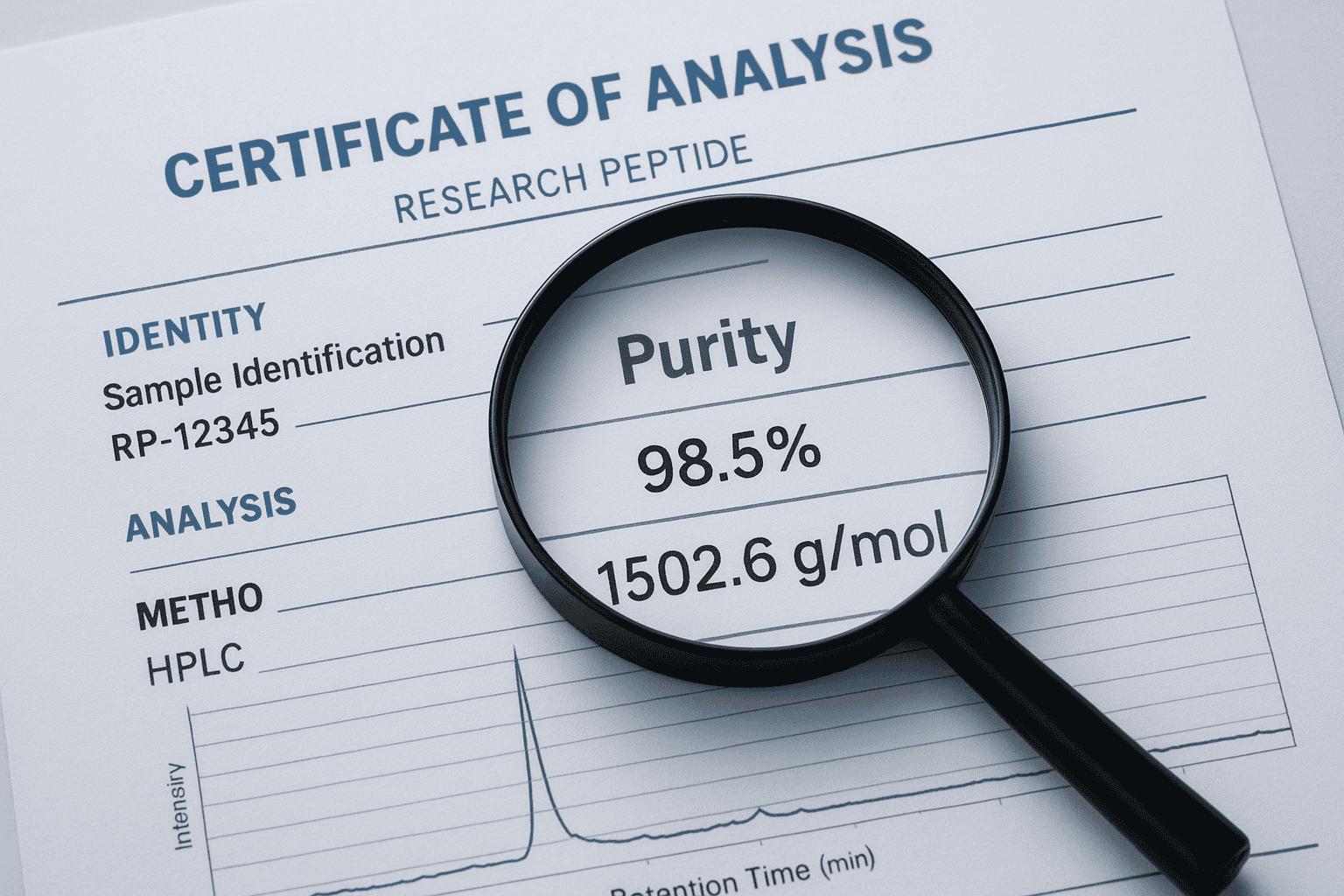
When you buy GLP-3, the first number you should look for is purity — usually expressed as a percentage like “98.5%” or “99.1%.” But the number alone isn’t enough. You need to know how it was measured.
The gold standard is HPLC testing (high-performance liquid chromatography). This is a laboratory technique that separates the components of a sample and measures how much of it is actually the target compound versus impurities. Think of it like running water through an incredibly precise filter — HPLC tells you exactly what’s in the vial.
Look for suppliers who provide HPLC results from a third-party lab, not just in-house testing. Third-party verification means an independent laboratory confirmed the purity — there’s no conflict of interest.
For research-grade GLP-3, you want 98% purity or higher. Anything lower may contain enough impurities to interfere with your experimental results. Learn more about what purity numbers mean in our guide on what 99% purity actually means.
2. Confirm Identity with Mass Spectrometry
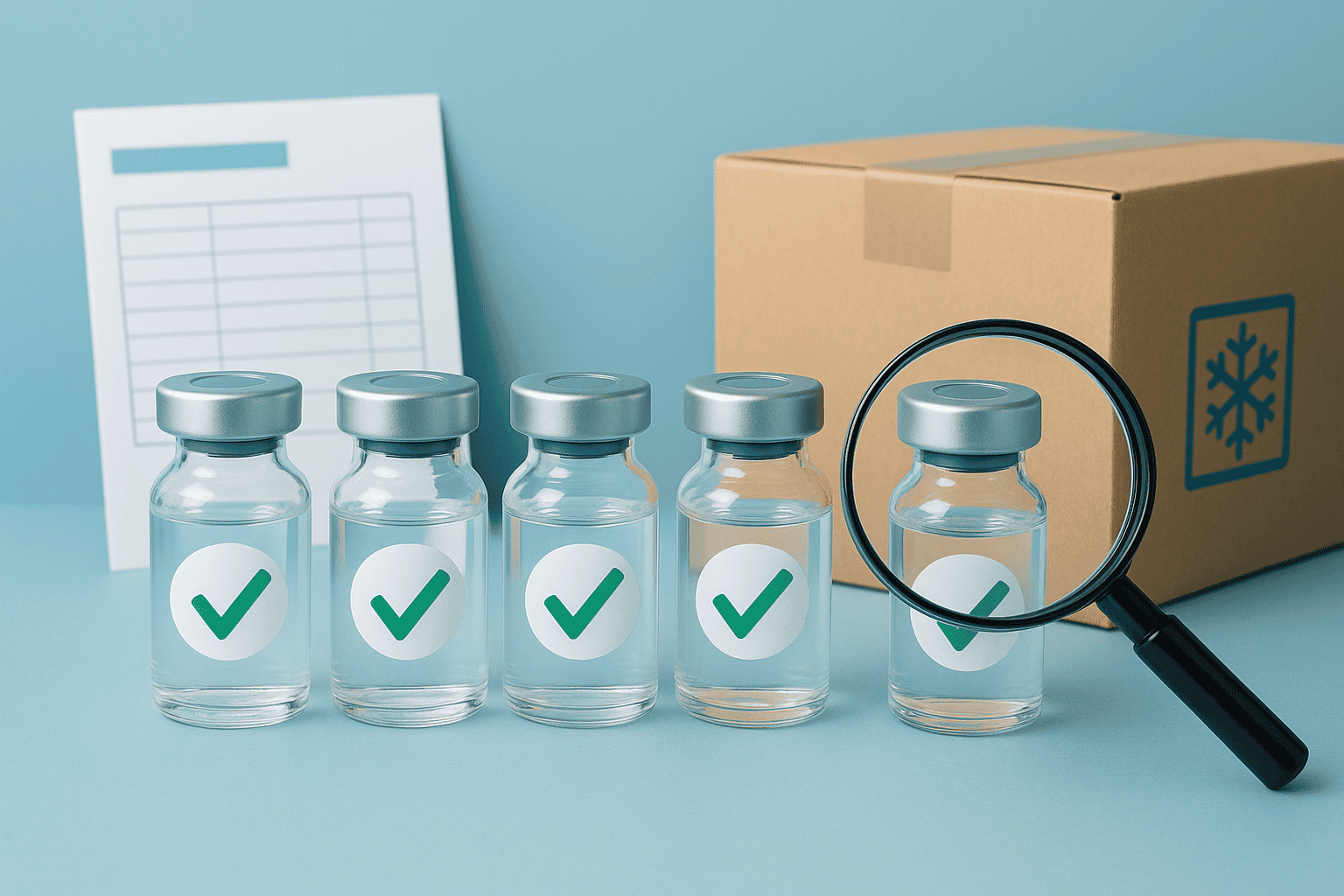
HPLC tells you how pure a sample is. But it doesn’t definitively tell you what the sample is. That’s where mass spectrometry comes in.
Mass spectrometry (often abbreviated as “mass spec” or “MS”) measures the molecular weight of the compound in your vial. Every peptide has a specific molecular weight based on its amino acid sequence. If the measured weight matches GLP-3’s expected weight, that’s strong confirmation you have the right compound.
Think of it like checking someone’s fingerprint. HPLC tells you the person is wearing a clean shirt (purity). Mass spec confirms they are who they say they are (identity).
A reputable supplier will include both HPLC and mass spectrometry results on the Certificate of Analysis. If either is missing, that’s a red flag. For more on how to evaluate testing, see our post on what mass spectrometry tells you about a peptide.
3. Demand a Batch-Specific Certificate of Analysis

A Certificate of Analysis (COA) is the document that reports the testing results for a specific batch of product. It should include:
- HPLC purity percentage
- Mass spectrometry molecular weight confirmation
- Batch/lot number
- Date of analysis
- Name and contact of the testing laboratory
The key word here is batch-specific. Some suppliers provide a single generic COA that they use for every order. That’s meaningless — it doesn’t tell you anything about your specific vial. You want a COA that corresponds to the exact batch you’re receiving.
Alpha Peptides provides batch-specific COAs for every order. You can view our full library on the Certificates of Analysis page. For a guide on interpreting these documents, read what is a COA and why it matters.
4. Verify Cold-Chain Shipping
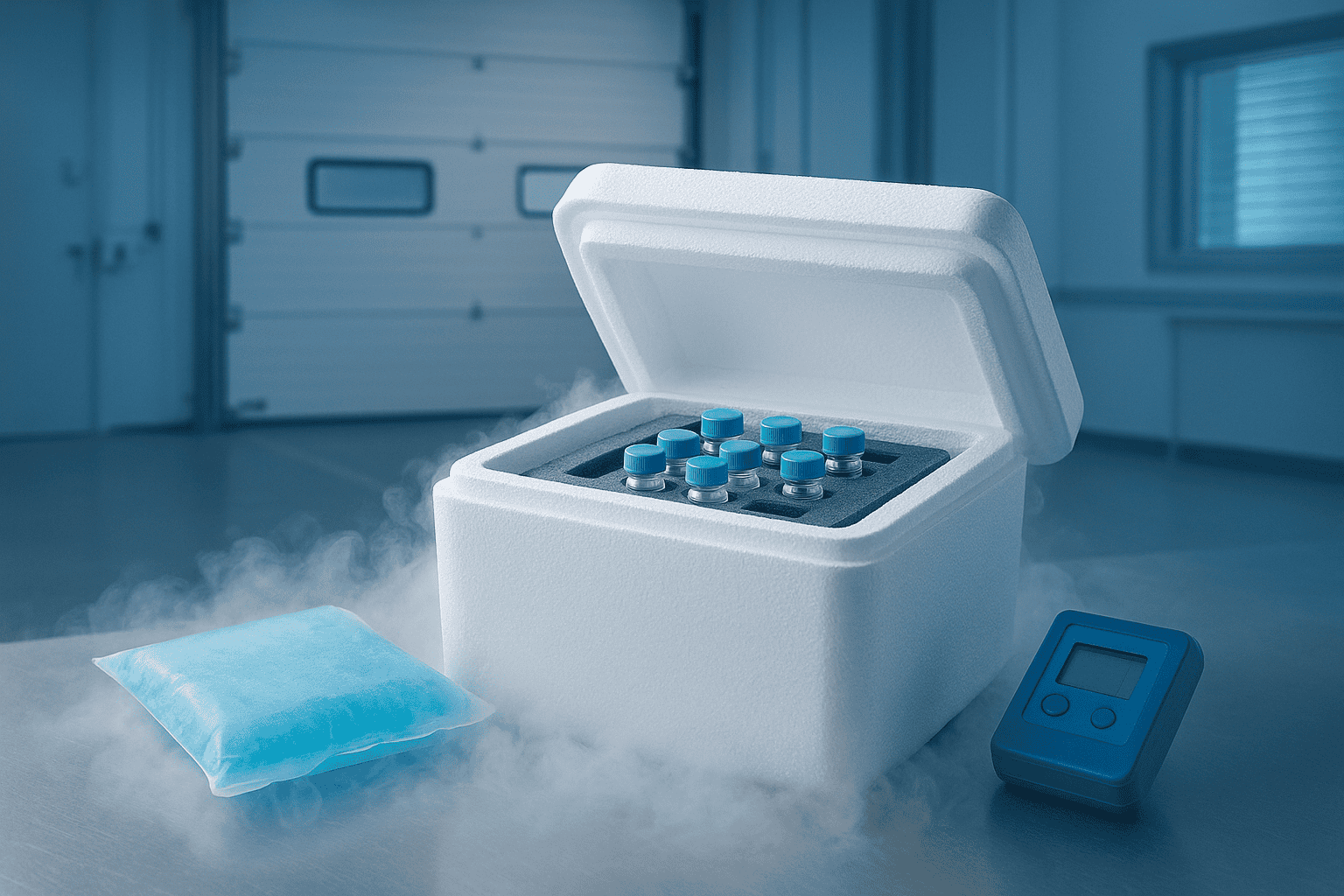
Peptides are fragile. Heat, moisture, and UV light can all degrade the compound before it even reaches your lab. That’s why proper shipping matters — especially during warmer months.
Cold-chain shipping means the package is kept at controlled temperatures from the moment it leaves the warehouse until it arrives at your door. This typically involves insulated packaging, gel ice packs, and expedited delivery to minimize transit time.
Ask any supplier you’re considering: “Do you use cold-chain shipping?” If they don’t — or if they charge extra for basic temperature protection — consider that a warning sign. Research-grade compounds deserve research-grade handling.
Alpha Peptides includes cold-chain shipping on every order at no additional cost.
5. Buy GLP-3 from a U.S.-Based Supplier
Where your supplier is based matters more than you might think. Here’s why a U.S.-based supplier offers advantages:
- Accountability: U.S. companies operate under U.S. business laws and consumer protection standards
- Shipping speed: Domestic shipping means 2-3 day delivery instead of 2-3 weeks from overseas
- No customs risk: International peptide shipments can be held, delayed, or seized at customs
- Real support: If something goes wrong, you can call a U.S. phone number during business hours
Alpha Peptides is based in Derry, New Hampshire, with a U.S. customer support team reachable at +1 (978) 219-0404 or cs@alpha-peptides.com.
Ready to order? Browse our research-grade GLP-3 or explore our full peptide catalog.
Frequently Asked Questions About Buying GLP-3
Where can I buy GLP-3 for research?
You can buy GLP-3 from research peptide suppliers like Alpha Peptides. Always verify purity (98%+), request a batch-specific COA, and confirm the supplier uses cold-chain shipping.
How much does research-grade GLP-3 cost?
Pricing varies by supplier and quantity. Be cautious of prices that seem unusually low — this often indicates lower purity, no third-party testing, or overseas sourcing with quality control gaps. See our guide on why cheap peptides are a research risk.
What purity should I look for when I buy GLP-3?
Research-grade GLP-3 should be 98% purity or higher, as verified by third-party HPLC testing. The COA should include both HPLC and mass spectrometry results.
Is GLP-3 legal to buy?
GLP-3 is sold as a research compound for laboratory use only. It is not a controlled substance, but it is not approved for human consumption. Purchasers should use it exclusively for legitimate research purposes.
How is GLP-3 shipped?
Research-grade GLP-3 should be shipped with cold-chain packaging (insulated container with ice packs) via expedited delivery. Alpha Peptides includes this at no extra charge on every order.
For research use only. Not for human consumption. This article is for informational purposes and does not constitute medical advice, dosing guidance, or therapeutic recommendations.