
· For research use only. Not for human consumption.
For research use only. Not for human consumption.
If you’ve been looking at research peptides, you’ve probably come across the BPC-157 TB-500 mechanism discussion. These two peptides keep showing up together — in research papers, in supplier catalogs, and in online forums. But what do they actually do at the molecular level? And why do scientists study them as a pair?
This guide breaks down how each peptide works in the simplest terms possible. No chemistry degree required. We’ll explain what BPC-157 does, what TB-500 does, and why researchers believe their mechanisms may complement each other. Everything here is based on published preclinical research — not medical claims.
If you’re brand new to either peptide, you might want to start with our beginner guides on what BPC-157 is and what TB-500 is first.
TL;DR: The BPC-157 TB-500 mechanism involves two complementary pathways. BPC-157 is a 15-amino-acid peptide derived from gastric juice that has been studied for its effects on growth factor signaling in preclinical models (Gwyer et al., 2019). TB-500 is a fragment of Thymosin Beta-4 that interacts with actin, a structural protein inside cells (Goldstein et al., 2012). Researchers study them together because they appear to work through different but complementary biological pathways. For research use only. Not for human consumption.
What BPC-157 Does: The Growth Factor Pathway
BPC-157 is a chain of 15 amino acids. Think of amino acids as individual LEGO bricks, and BPC-157 as a very specific 15-brick structure. This particular arrangement was originally isolated from gastric juice — the fluid your stomach produces during digestion.
In preclinical research (meaning laboratory and animal studies, not human trials), BPC-157 has been observed to influence something called growth factor signaling. Growth factors are like text messages that cells send to each other. They tell neighboring cells to grow, divide, or migrate to a specific area.
Specifically, published studies have examined BPC-157’s interaction with several growth factors, including VEGF (vascular endothelial growth factor) and EGF (epidermal growth factor). VEGF is involved in forming new blood vessels, while EGF is involved in cell growth and differentiation. Understanding the BPC-157 TB-500 mechanism starts with recognizing that BPC-157 appears to work primarily through these signaling molecules.
Gwyer, Wragg, and Wilson (2019) reviewed the role of BPC-157 in musculoskeletal soft tissue research, noting its interactions with multiple growth factor pathways in preclinical models. (PMID: 30915550)
Why the Stomach Connection Matters
The fact that BPC-157 comes from gastric juice is unusual. Most research peptides are fully synthetic — designed on a computer and built in a lab. BPC-157 was discovered in a natural biological fluid, then synthesized in labs for research purposes. This gastric origin is why researchers sometimes call it the “body protection compound” — it was found in a fluid that helps protect stomach lining from acid damage.
What TB-500 Does: The Actin Connection
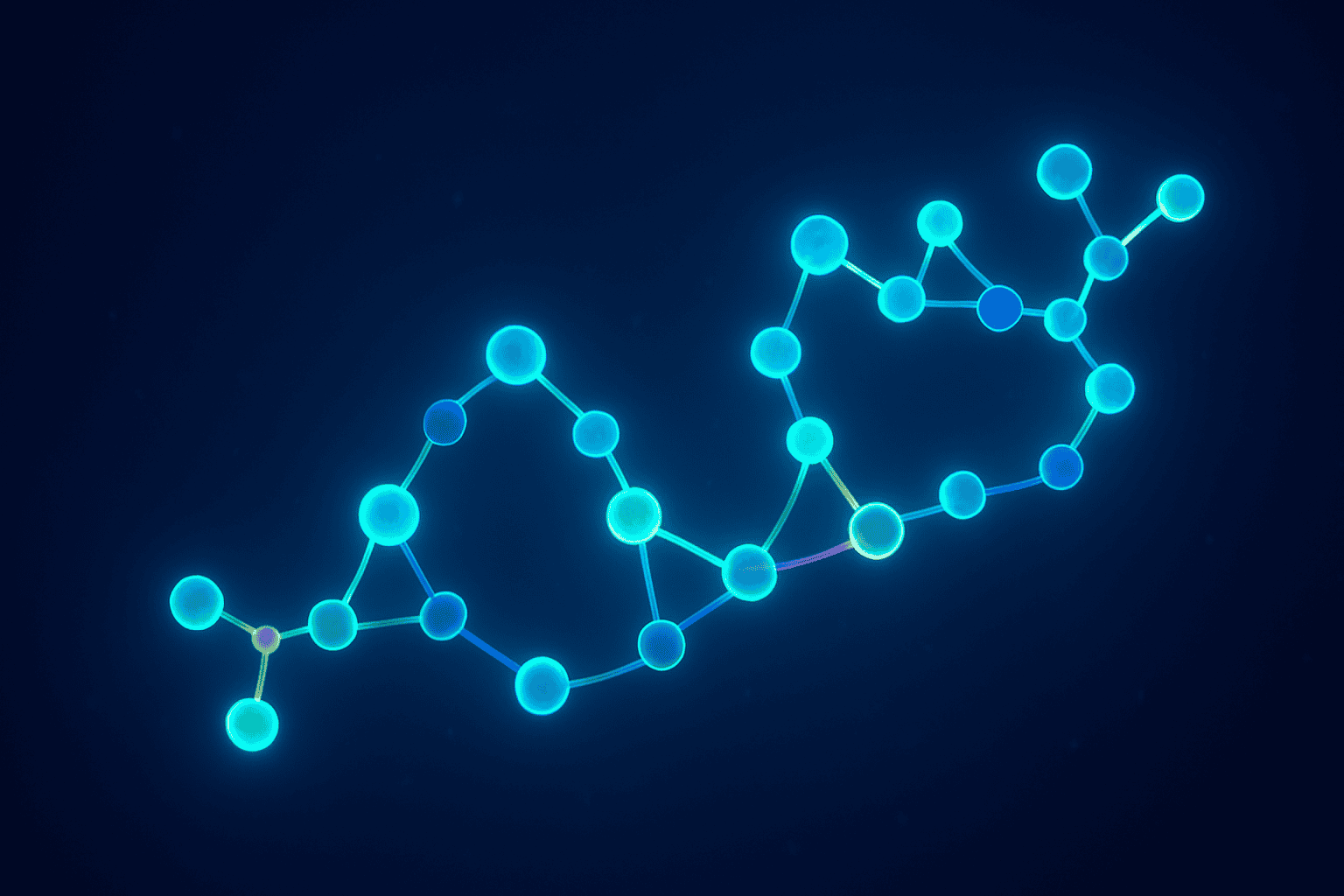
TB-500 works through a completely different pathway than BPC-157. Instead of signaling molecules outside the cell, TB-500 interacts with a protein inside the cell called actin.
Actin is one of the most abundant proteins in your body. It forms the internal skeleton of every cell — like the steel frame inside a building. Actin filaments give cells their shape, help them move, and play a role in cell division.
TB-500 is a synthetic fragment of a larger natural protein called Thymosin Beta-4 (Tβ4). In preclinical research, Thymosin Beta-4 has been shown to bind to actin monomers — the individual units that link together to form actin filaments. By binding to these monomers, it can influence how the cell’s internal skeleton assembles and reorganizes.
Goldstein and colleagues (2012) reviewed the multi-functional properties of Thymosin Beta-4, describing its role in actin sequestration and its observed effects in preclinical regeneration models. (PMID: 22074294)
Inside vs Outside the Cell
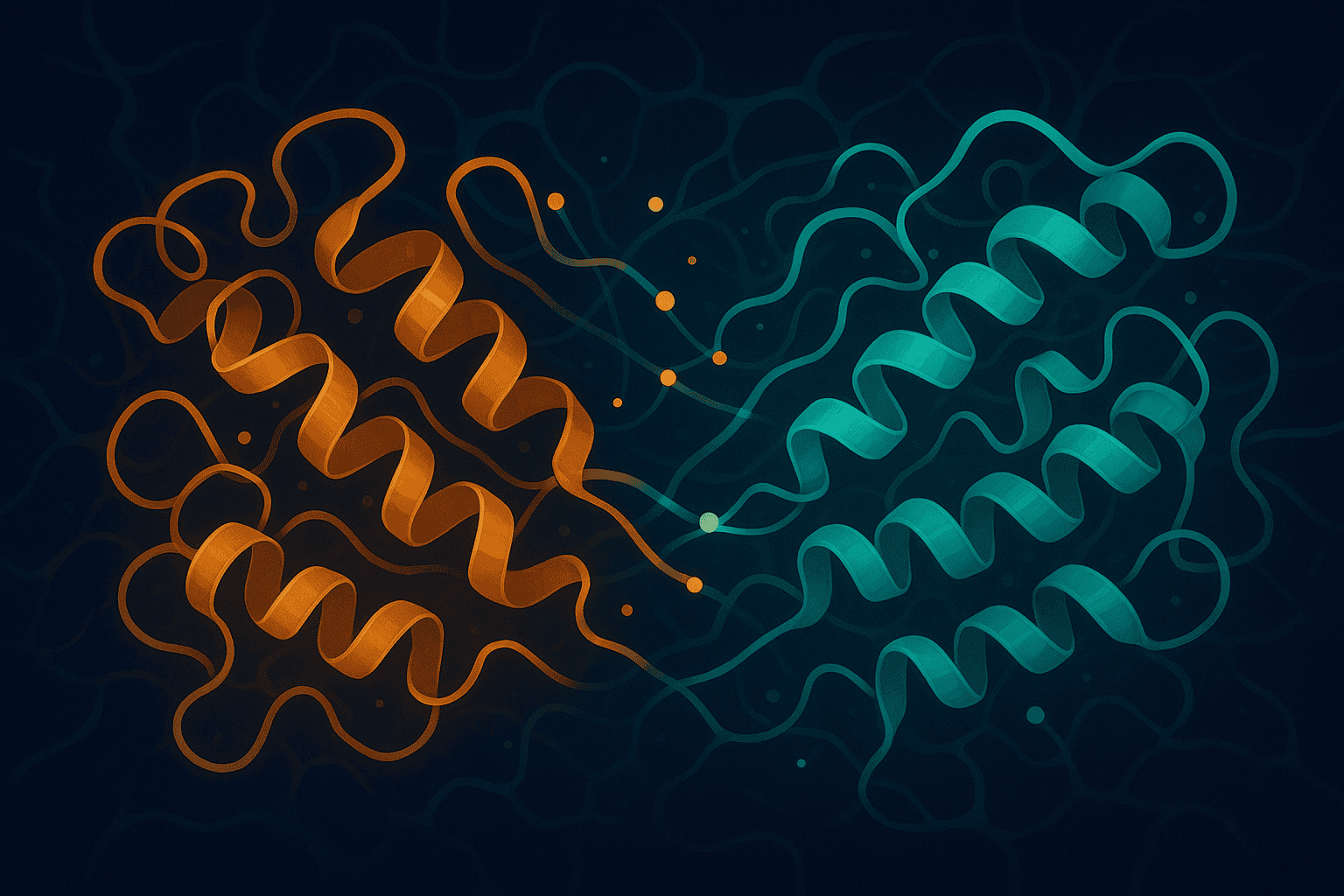
Here’s the key difference: BPC-157 primarily influences signaling between cells (extracellular), while TB-500 primarily interacts with structures inside cells (intracellular). Think of it like this — BPC-157 is the postal service delivering messages between houses, while TB-500 is the construction crew working inside each house.
Why Researchers Study the BPC-157 TB-500 Mechanism Together
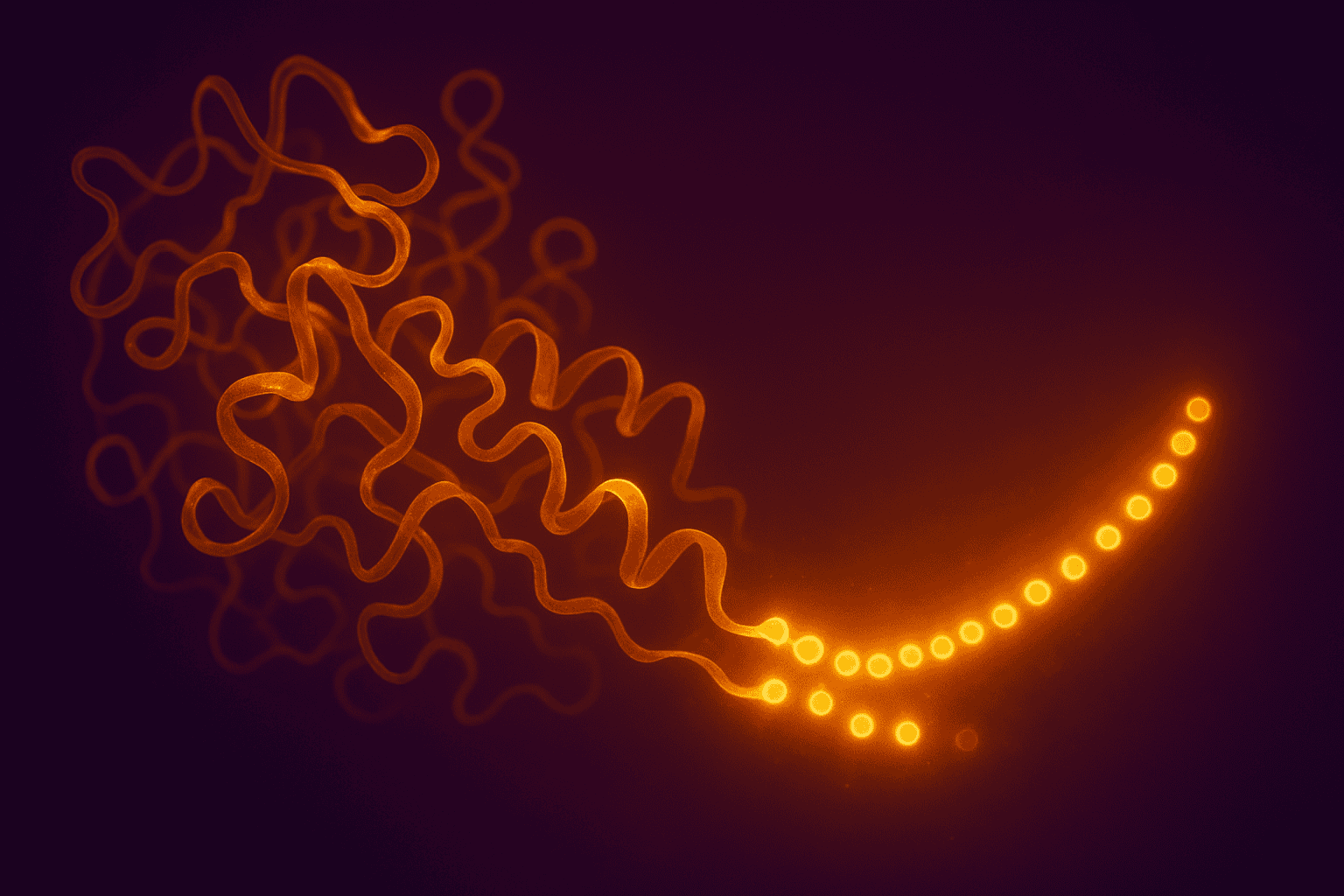
The reason scientists are interested in studying these two peptides together is precisely because they work through different mechanisms. In research, combining compounds that act through separate pathways is a common strategy.
Think of it like fixing a road. One approach might involve improving the traffic signals (BPC-157’s growth factor signaling). Another might involve strengthening the road surface itself (TB-500’s actin remodeling). Neither approach is “better” — they address different aspects of the same challenge.
Published preclinical literature on each peptide individually is well-established. BPC-157 has been studied extensively by Seiwerth, Sikiric, and colleagues, with research spanning over two decades. TB-500 (Thymosin Beta-4) research dates back even further, with Goldstein’s foundational work in the early 2000s.
Seiwerth et al. (2021) published a comprehensive review in Frontiers in Pharmacology examining BPC-157’s role in preclinical wound-related research across multiple tissue types and experimental models. (PMID: 34267654)
What This Means for Your Research
If you’re setting up a research project involving these peptides, understanding the BPC-157 TB-500 mechanism helps you design better experiments. Knowing that they operate through different pathways means you can study each one independently, then examine what happens when both are present.
Alpha Peptides sells a pre-combined BPC-157 + TB-500 research vial that contains both peptides in a single lyophilized (freeze-dried) preparation. Each batch comes with a Certificate of Analysis verifying purity and identity.
For proper handling, see our guides on how to reconstitute research peptides and proper peptide storage.
Frequently Asked Questions
What is the BPC-157 TB-500 mechanism of action?
BPC-157 works primarily through growth factor signaling pathways outside the cell, while TB-500 works through actin binding inside the cell. They operate through complementary but distinct biological mechanisms, which is why researchers often study them together.
Are BPC-157 and TB-500 the same type of peptide?
No. BPC-157 is a 15-amino-acid peptide originally found in gastric juice. TB-500 is a synthetic fragment of Thymosin Beta-4, a naturally occurring protein involved in cell structure. They have different origins, different structures, and different mechanisms.
Is the combination approved for human use?
No. Neither BPC-157, TB-500, nor their combination is approved for human use by the FDA or any regulatory body. They are sold exclusively for laboratory and scientific research purposes.
What research has been published on these peptides?
Both peptides have extensive preclinical literature. BPC-157 research spans over two decades with studies by Sikiric, Seiwerth, and colleagues. Thymosin Beta-4 research includes foundational work by Goldstein and others. However, most published research is preclinical (lab and animal studies).
For research use only. Not for human consumption. This article is intended for informational purposes and does not constitute medical advice, dosing guidance, or therapeutic recommendations.