
· For research use only. Not for human consumption.
For research use only. Not for human consumption.
If you’re setting up a peptide research project, you may have noticed that some suppliers sell BPC-157 and TB-500 individually, while others — like Alpha Peptides — offer a BPC-157 TB-500 combo in a single vial. So what’s the difference? Is one approach better than the other for research?
This guide breaks down the practical considerations of using a pre-combined product versus buying separate vials. We’ll cover reconstitution, storage, experimental design, and cost — all from a research perspective.
For background on how these two peptides work, see our guide on how BPC-157 and TB-500 mechanisms complement each other.
TL;DR: A BPC-157 TB-500 combo vial contains both peptides co-lyophilized (freeze-dried together) in a single preparation. This offers convenience for researchers who plan to study both peptides simultaneously. Separate vials give more flexibility for independent experiments. The choice depends on your research design. BPC-157 has been characterized in gastric-origin preclinical research (Gwyer et al., 2019), while TB-500 research stems from Thymosin Beta-4 literature (Goldstein et al., 2012). For research use only. Not for human consumption.
What a BPC-157 TB-500 Combo Vial Contains
When you buy a combo vial, you’re getting both peptides in a single container. They’ve been co-lyophilized — meaning they were dissolved together and then freeze-dried into a single cake of white powder.
Think of it like buying a premixed spice blend at the grocery store versus buying each spice individually. The premixed version is convenient when you know you’ll always use them together. Individual jars give you more control over the ratio.
Alpha Peptides’ BPC-157 + TB-500 combination contains defined amounts of each peptide, verified by independent HPLC and mass spectrometry testing. The batch-specific Certificate of Analysis shows the identity and purity of both peptides in the mixture.
Advantages of the Combo Approach

For many research applications, the BPC-157 TB-500 combo offers practical benefits:
1. Single Reconstitution
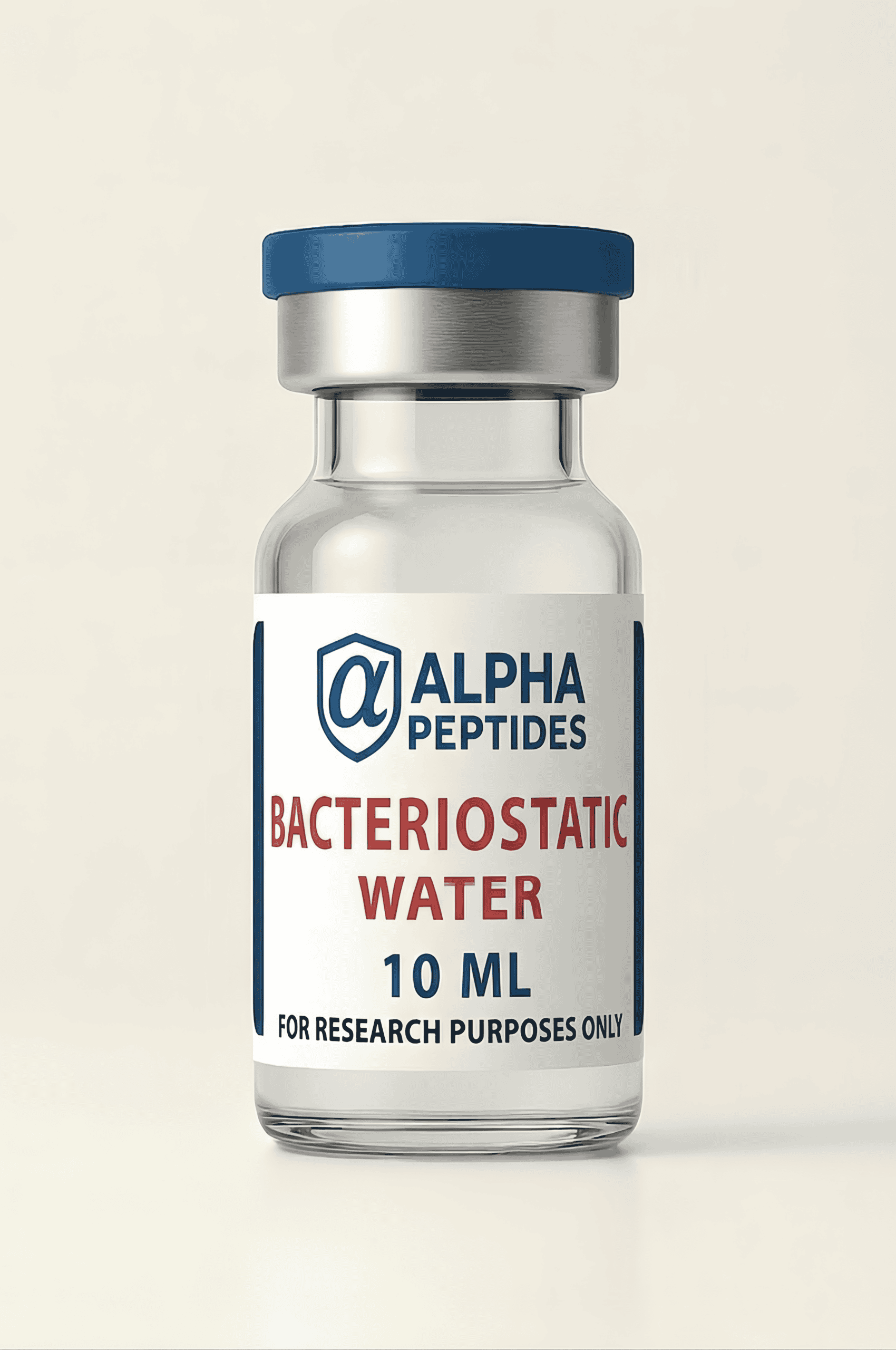
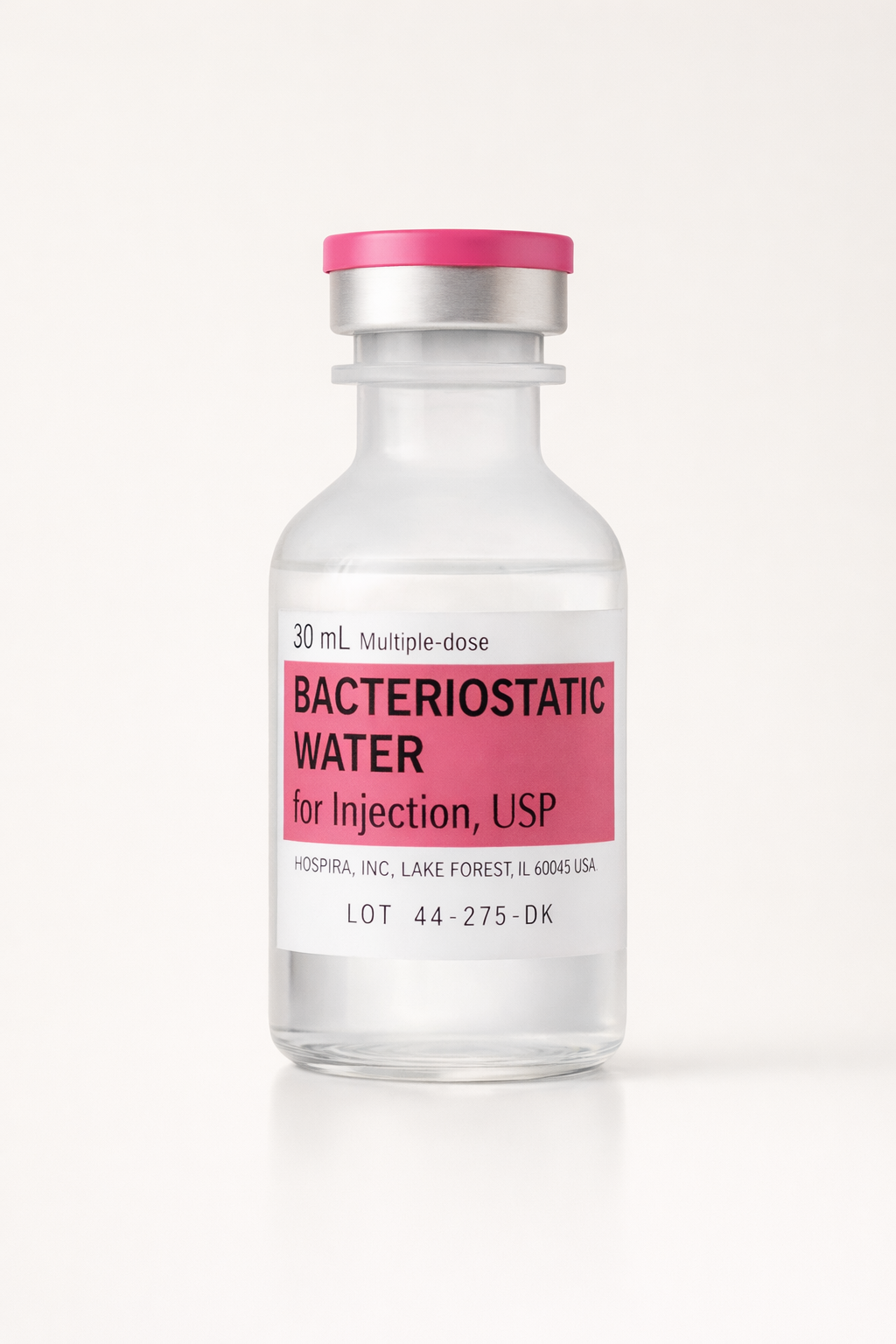
Instead of reconstituting two separate vials with bacteriostatic water, you reconstitute one. This saves time and reduces the number of sterile handling steps — which means fewer opportunities for contamination. For reconstitution guidance, see our complete reconstitution guide.
2. Consistent Ratio
Because both peptides are co-lyophilized at manufacturing, the ratio between them is consistent in every aliquot you draw. If you were mixing two separate solutions yourself, small measuring errors could change the ratio from one preparation to the next.
3. Fewer Vials to Track
In a busy lab, having fewer vials to manage, label, and store reduces the risk of mix-ups. One vial, one label, one expiration date to track.
4. Cost Efficiency
Combo vials often cost less than purchasing the same amounts of each peptide separately. Manufacturing and quality testing one product is more efficient than two.
When Separate Vials Make More Sense

There are legitimate research reasons to buy each peptide individually:
1. Independent Controls
Good experimental design often requires testing each variable independently. If you want to measure what BPC-157 does alone versus what the combination does, you need separate vials. You can’t extract one peptide from a premixed preparation.
2. Custom Ratios
The combo vial has a fixed ratio. If your research protocol calls for a different proportion of each peptide, separate vials let you mix your own ratios.
3. Different Storage Needs
Both peptides have similar storage requirements (store lyophilized at -20°C), but if your research involves different reconstitution buffers or conditions for each peptide, separate preparations give you that flexibility.
Quality Considerations for Both Approaches
Whether you choose the BPC-157 TB-500 combo or individual peptides, quality standards remain the same. Every vial should come with:
- HPLC purity testing — Confirms each peptide meets the stated purity level
- Mass spectrometry — Verifies molecular identity (especially important in combos where two peptides must both be confirmed)
- Batch-specific COA — Results from YOUR batch, not a generic template
For combo vials, the COA should show results for both peptides independently. This confirms that each component is present and meets quality standards.
Gwyer et al. (2019) reviewed BPC-157’s biological profile in preclinical soft tissue research, providing context for why this peptide is commonly studied alongside complementary compounds like Thymosin Beta-4 fragments. (PMID: 30915550)
Frequently Asked Questions
Can I mix BPC-157 and TB-500 from separate vials myself?
In a research setting, yes — researchers routinely combine reconstituted peptides. However, this requires careful calculation of concentrations and volumes. The BPC-157 TB-500 combo vial eliminates this step by providing pre-mixed, quality-verified amounts.
Is the combo vial as pure as individual peptides?
When properly manufactured and tested, yes. The COA for a combo vial should show HPLC purity and mass spectrometry data for both peptides.
Which approach do most researchers use?
It depends on the research design. Researchers studying the combination typically use combo vials for convenience. Those conducting controlled experiments comparing individual versus combined effects need separate vials.
How should I store a combo vial?
Same as individual peptides: lyophilized (powder) at -20°C for long-term storage. Once reconstituted, store at 2-8°C and minimize freeze-thaw cycles. See our storage guide for details.
For research use only. Not for human consumption. This article is intended for informational purposes and does not constitute medical advice, dosing guidance, or therapeutic recommendations.