
· For research use only. Not for human consumption.
For research use only. Not for human consumption.
One of the most studied aspects of BPC-157 in preclinical research is its interaction with growth factors. If you’ve seen the term “BPC-157 growth factor” in research discussions, this guide explains what it means in simple terms — no biology degree required.
Growth factors are the body’s chemical messengers that tell cells what to do. They’re like work orders sent to a construction crew: grow here, divide there, move to this location. BPC-157 appears to influence how these work orders are delivered and received.
For a broader overview of this peptide, start with our BPC-157 beginner’s guide.
TL;DR: BPC-157 growth factor interactions are a primary focus of preclinical research on this peptide. Published studies have examined BPC-157’s influence on VEGF, EGF, FGF, and other growth factor pathways in laboratory and animal models. Gwyer et al. (2019) reviewed these interactions in the context of musculoskeletal research (PMID: 30915550). The research remains preclinical. For research use only. Not for human consumption.
What Are Growth Factors? A Simple Explanation
Growth factors are small proteins that cells release to communicate with neighboring cells. They work like text messages — one cell sends a signal, and nearby cells with the right “phone” (receptor) receive it and respond.
There are dozens of different growth factors in the human body, each with a specific job. The ones most relevant to BPC-157 growth factor research include:
- VEGF (Vascular Endothelial Growth Factor) — Tells cells to form new blood vessels. Think of it as the signal that says “build more roads.”
- EGF (Epidermal Growth Factor) — Promotes cell growth and differentiation, particularly in skin and epithelial tissues.
- FGF (Fibroblast Growth Factor) — Involved in tissue development and repair. Fibroblasts are the cells that produce connective tissue.
- NGF (Nerve Growth Factor) — Supports the survival and maintenance of nerve cells.
How BPC-157 Interacts With Growth Factors

Preclinical research suggests BPC-157 doesn’t act as a growth factor itself. Instead, it appears to influence how growth factors are produced, released, or received by cells. Think of the difference between being a delivery driver and being the dispatcher who coordinates the drivers.
Several preclinical studies have examined this relationship:
VEGF and Blood Vessel Formation
In animal studies, researchers have observed that BPC-157 appears to influence VEGF expression. VEGF is the growth factor responsible for angiogenesis — the formation of new blood vessels from existing ones. In preclinical models, BPC-157 exposure was associated with changes in how much VEGF cells produced.
EGF and Cell Proliferation
EGF receptor signaling has also been examined in BPC-157 research. EGF tells cells to multiply, and the EGF receptor acts as the antenna that receives this signal. Some preclinical data suggest BPC-157 may modulate how cells respond to EGF signaling.
Gwyer, Wragg, and Wilson (2019) reviewed the preclinical evidence for BPC-157’s interactions with growth factor pathways, including VEGF and other signaling molecules, in their review published in Cell and Tissue Research. (PMID: 30915550)
Why BPC-157 Growth Factor Research Matters
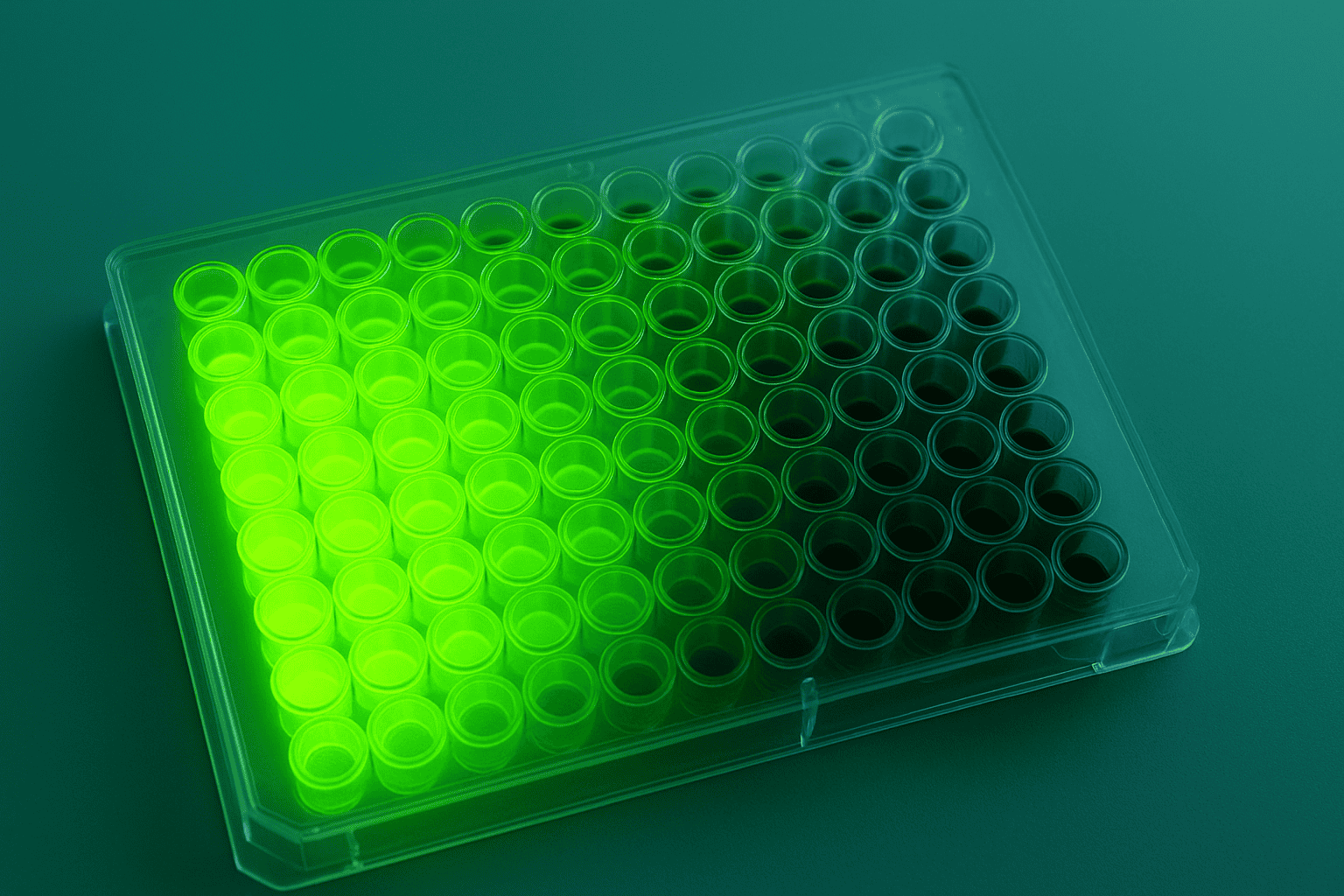
Understanding how a peptide influences growth factor pathways is fundamental to understanding its potential research applications. Growth factors are involved in nearly every biological process that researchers study — from tissue biology to vascular research to neuroscience.
If BPC-157 genuinely modulates these pathways, it could be a useful research tool for studying growth factor-dependent processes. But it’s important to note several caveats:
- Most published BPC-157 growth factor research has been conducted by a relatively small group of research teams, primarily based in Croatia.
- Nearly all studies are preclinical — conducted in cell cultures or animal models, not humans.
- The exact molecular mechanism by which BPC-157 influences growth factor signaling remains an active area of investigation.
Seiwerth et al. (2021) provided a comprehensive review of BPC-157’s observed effects across multiple preclinical models, including detailed discussion of growth factor interactions and proposed molecular mechanisms. (PMID: 34267654)
Connecting Growth Factor Research to Other Peptides
BPC-157 isn’t the only research peptide that interacts with growth factor pathways. GHK-Cu, for instance, has been studied for its influence on different growth factors in skin biology research (see our GHK-Cu research overview). TB-500 works through a different mechanism entirely — actin binding rather than growth factor signaling — which is why it’s often paired with BPC-157 in research designs.
Alpha Peptides offers a research-grade BPC-157 + TB-500 combination for researchers studying these complementary pathways. Every batch is verified by third-party testing with results available on our COA page.
Frequently Asked Questions
Does BPC-157 create new growth factors?
Published preclinical research suggests BPC-157 modulates the expression of existing growth factors rather than creating new ones. It appears to influence how much of certain growth factors cells produce or how cells respond to growth factor signals.
Which growth factors does BPC-157 affect?
The most commonly studied interactions involve VEGF, EGF, and FGF. Some preclinical studies have also examined interactions with NGF and other signaling molecules.
Is BPC-157 growth factor research done in humans?
The vast majority of published BPC-157 research is preclinical — conducted in cell cultures and animal models. Human clinical trial data for BPC-157 is extremely limited.
How does this differ from TB-500’s mechanism?
TB-500 works through actin binding inside cells, while BPC-157 growth factor interactions occur primarily through extracellular signaling pathways. They operate through fundamentally different biological mechanisms.
For research use only. Not for human consumption. This article is intended for informational purposes and does not constitute medical advice, dosing guidance, or therapeutic recommendations.