
· For research use only. Not for human consumption.
For research use only. Not for human consumption.
Every research peptide has a specific sequence of amino acids — like a password made of biological letters. The BPC-157 amino acid sequence is exactly 15 characters long, and each one matters. Change a single amino acid, and the peptide might not work the same way.
But what does this sequence actually look like? And what does each amino acid contribute to the molecule’s behavior? This guide walks you through BPC-157’s structure in plain English — no biochemistry background needed.
If you’re new to peptides entirely, you might want to read our beginner’s guide to BPC-157 first.
TL;DR: The BPC-157 amino acid sequence is Gly-Glu-Pro-Pro-Pro-Gly-Lys-Pro-Ala-Asp-Asp-Ala-Gly-Leu-Val — a chain of 15 amino acids derived from a larger protein found in human gastric juice. Published research has characterized this peptide’s unusual stability and biological activity in preclinical models (Gwyer et al., 2019). The sequence includes an unusually high proportion of proline residues, which contributes to its structural rigidity. For research use only. Not for human consumption.
The BPC-157 Amino Acid Sequence Spelled Out
Here is the complete sequence in scientific notation: Gly-Glu-Pro-Pro-Pro-Gly-Lys-Pro-Ala-Asp-Asp-Ala-Gly-Leu-Val
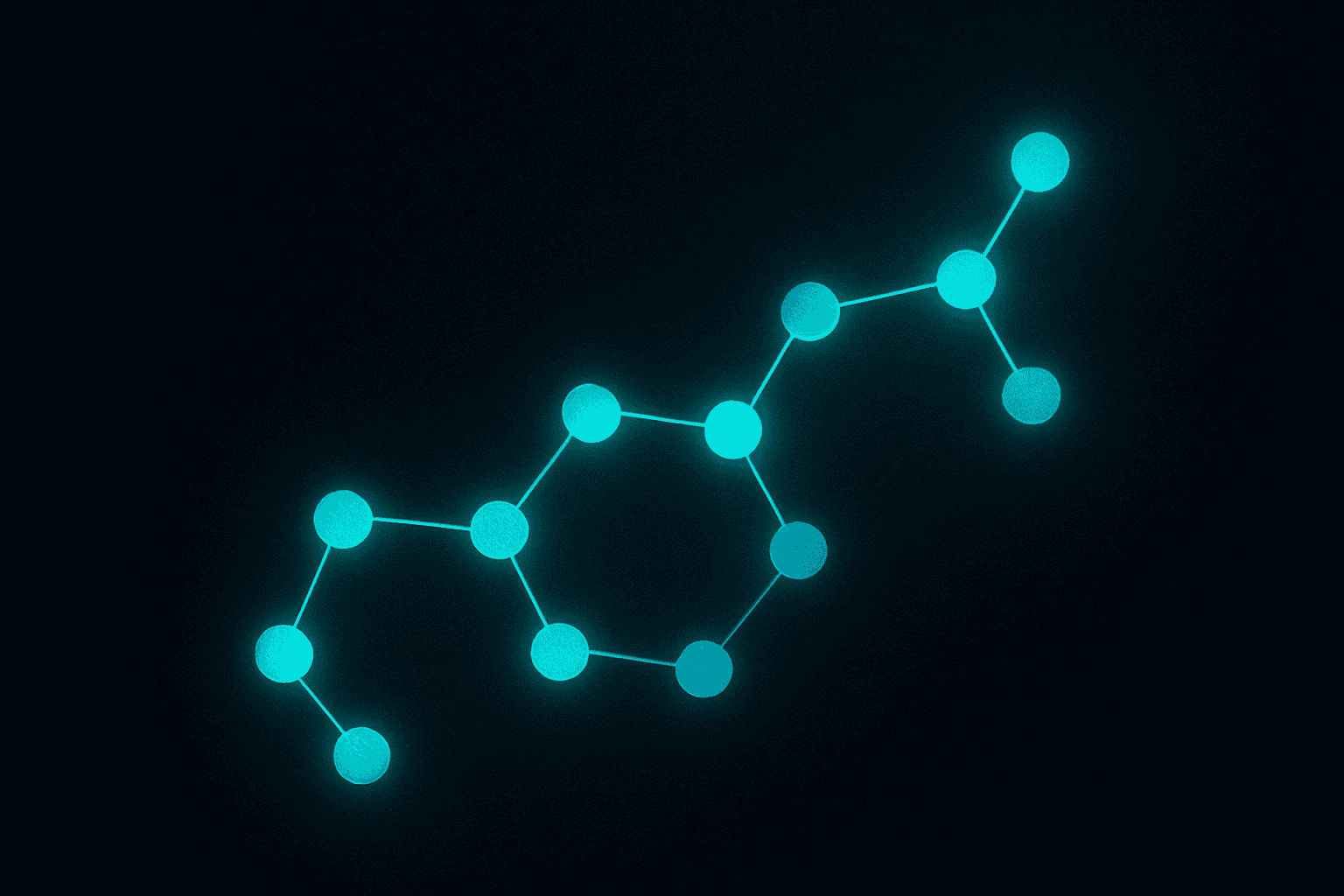
Each three-letter code represents one amino acid — a small molecule that links together with others to form a peptide chain. Think of each amino acid as a bead on a necklace. The order of the beads determines what the necklace does in the body.
Let’s break down what each amino acid brings to the table:
- Glycine (Gly) — The smallest amino acid. It appears three times in the sequence (positions 1, 6, and 13). Glycine’s small size gives the chain flexibility at those points.
- Glutamic acid (Glu) — A negatively charged amino acid at position 2. It helps the peptide interact with water and with positively charged surfaces on other molecules.
- Proline (Pro) — Appears four times (positions 3, 4, 5, and 8). This is unusually high. Proline creates rigid kinks in the chain, like putting elbows in a garden hose. This rigidity is part of what makes BPC-157 unusually stable.
- Lysine (Lys) — A positively charged amino acid at position 7. It can form bonds with other molecules and may be involved in how BPC-157 interacts with cellular surfaces.
- Alanine (Ala) — A small, simple amino acid at positions 9 and 12. Alanine doesn’t do much on its own — it’s like a structural filler that maintains the chain’s overall shape.
- Aspartic acid (Asp) — Negatively charged, appears at positions 10 and 11. Together with glutamic acid, these charged residues influence how the BPC-157 amino acid sequence interacts with water and other biological molecules.
- Leucine (Leu) — A hydrophobic (water-repelling) amino acid at position 14. Hydrophobic amino acids tend to tuck themselves away from water, influencing how the peptide folds.
- Valine (Val) — Another hydrophobic amino acid at the very end (position 15). Together with leucine, it creates a hydrophobic tail that may help the peptide interact with cell membranes.
Why So Much Proline? The Stability Question
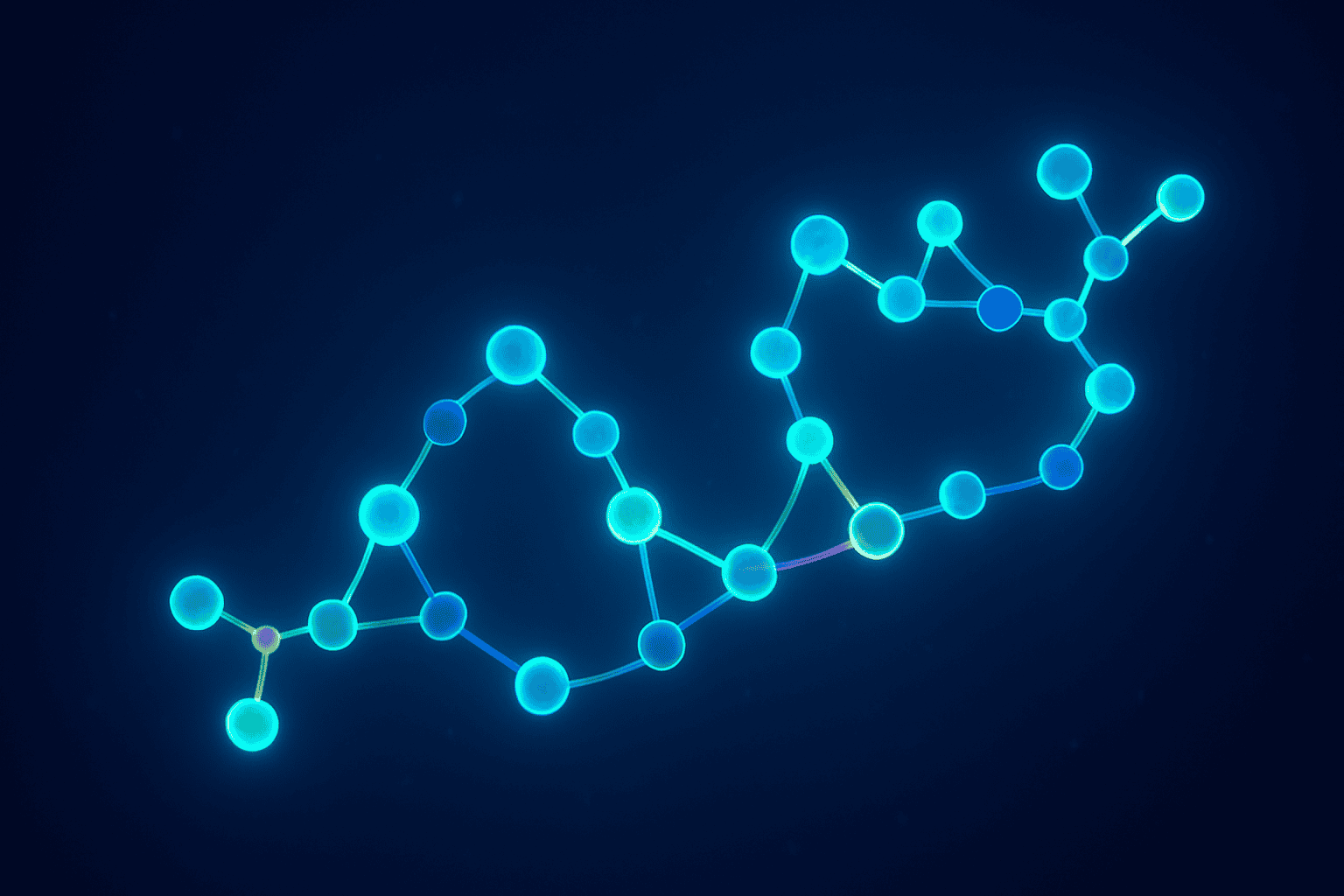
Four out of fifteen amino acids in BPC-157 are proline. That’s over 26% — which is remarkably high for any peptide. Most peptides have one or two prolines at most.
Proline is special because its side chain loops back and connects to the main chain, creating a rigid ring structure. This means the peptide can’t bend or rotate freely at those positions. It’s like putting reinforced joints in a bridge — the structure becomes harder to break apart.
This may explain one of BPC-157’s most discussed properties in the research literature: its unusual stability. Most peptides break down quickly in acidic environments like stomach fluid. BPC-157, which was originally found IN stomach fluid, appears to resist this degradation better than most peptides its size.
Research by Seiwerth and colleagues has documented BPC-157’s stability in gastric conditions, noting that the peptide maintains its structure even in highly acidic environments where most peptides would degrade rapidly. (PMID: 34267654)
Where Does This Sequence Come From?
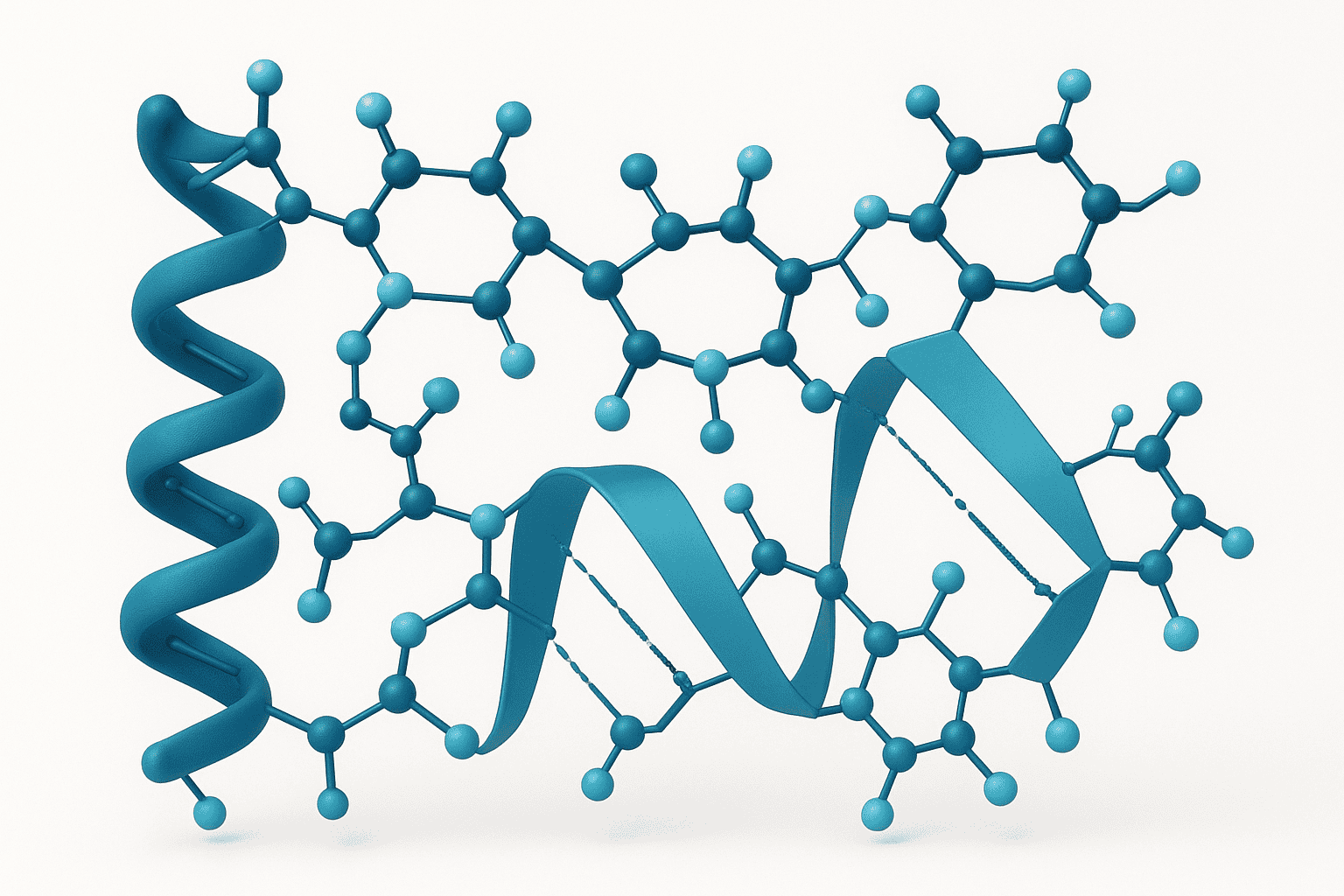
BPC-157’s sequence is not random. It was isolated from a larger protein found in human gastric juice called BPC (Body Protection Compound). The full BPC protein is much longer, but researchers identified this 15-amino-acid fragment as the active portion — the section responsible for the biological activity they were studying.
This process of finding a short active fragment within a larger protein is common in peptide research. It’s like discovering that a specific paragraph in a long book contains the most important information. Once identified, scientists can synthesize just that fragment in the lab, which is faster and cheaper than working with the entire protein.
The synthetic version of BPC-157 used in research today is identical in sequence to the natural fragment. It’s manufactured using solid-phase peptide synthesis (SPPS), a laboratory technique that builds the chain one amino acid at a time.
How Sequence Determines Function
The arrangement of amino acids isn’t just a list — it determines the peptide’s three-dimensional shape, which in turn determines what it can do. The combination of rigid prolines in the middle, charged residues (glutamic acid, aspartic acid, lysine) for water solubility, and hydrophobic residues (leucine, valine) at the tail creates a molecule with specific binding properties.
Researchers studying the BPC-157 amino acid sequence have noted that even small changes to the sequence can significantly alter its behavior in preclinical experiments. This sensitivity to sequence is why purity matters so much — even a few percent impurity could mean some molecules in the vial have incorrect sequences.
Alpha Peptides’ BPC-157 + TB-500 combination undergoes HPLC purity testing and mass spectrometry identity verification. You can review batch-specific results on our COA page.
Frequently Asked Questions
How many amino acids are in BPC-157?
The BPC-157 amino acid sequence contains exactly 15 amino acids: Gly-Glu-Pro-Pro-Pro-Gly-Lys-Pro-Ala-Asp-Asp-Ala-Gly-Leu-Val. This makes it a pentadecapeptide (penta = five, deca = ten).
What makes BPC-157’s sequence unusual?
The high proportion of proline residues (4 out of 15) is unusual. Proline creates structural rigidity that may contribute to BPC-157’s observed stability in acidic environments like gastric fluid.
Does the sequence of amino acids affect purity?
Yes. During synthesis, errors can occur where the wrong amino acid is inserted or one is skipped. This is why HPLC purity testing is essential — it confirms that the majority of molecules in a sample have the correct sequence.
Is synthetic BPC-157 the same as the natural version?
The synthetic version has an identical amino acid sequence to the fragment found in natural gastric juice. The difference is manufacturing method — synthetic BPC-157 is built chemically in a lab, while the natural version is produced biologically.
For research use only. Not for human consumption. This article is intended for informational purposes and does not constitute medical advice, dosing guidance, or therapeutic recommendations.