
· For research use only. Not for human consumption.
For research use only. Not for human consumption.
You ordered a research peptide and expected a liquid. Instead, you got a tiny vial of white powder. That’s GLP-3 lyophilized — freeze-dried into a stable, shelf-ready form. It might look strange at first, but that powder is actually the gold standard for how research peptides are stored and shipped.
Lyophilization is the same basic process behind instant coffee and astronaut ice cream. Remove the water, and things last much longer. For peptides, this isn’t a nice-to-have — it’s the difference between a compound that stays intact for months and one that starts breaking down in weeks. We’ll walk through exactly what’s going on and why it matters for your research.
TL;DR: GLP-3 lyophilized means the peptide has been freeze-dried into a white powder for maximum stability. Research published in the European Journal of Pharmaceutics and Biopharmaceutics (2021) shows lyophilized peptides maintain over 98% structural integrity for 24+ months at -20 degrees C. The powder is reconstituted with bacteriostatic water before use. For research use only. Not for human consumption.
What Does “GLP-3 Lyophilized” Actually Mean?
Lyophilized peptides maintain over 98% structural integrity for 24 months or more at -20 degrees C, according to research in the European Journal of Pharmaceutics and Biopharmaceutics (EJPB, 2021). When you see “GLP-3 lyophilized,” it simply means the peptide has been freeze-dried into that white powder sitting in your vial.
Here’s the easiest way to think about it. You know how instant coffee is made? Brewed coffee gets frozen, then placed under a vacuum. The ice turns directly into vapor — skipping the liquid stage entirely — and leaves behind dry, shelf-stable granules. Lyophilization works the same way.
For GLP-3, the process starts with the peptide dissolved in a purified solution. That solution is frozen solid. Then a vacuum pulls the frozen water out as vapor through a process called sublimation. What remains is a dry, concentrated powder that holds the peptide’s molecular structure intact. No water means no degradation pathway. The compound just sits there, stable and waiting.
Research published in the European Journal of Pharmaceutics and Biopharmaceutics found that lyophilized peptide formulations maintained greater than 98% structural integrity after 24 months at -20 degrees C. This stability advantage stems from removing water — the primary driver of hydrolytic peptide degradation. (EJPB, 2021)
Why Can’t Peptides Just Ship as Liquids?
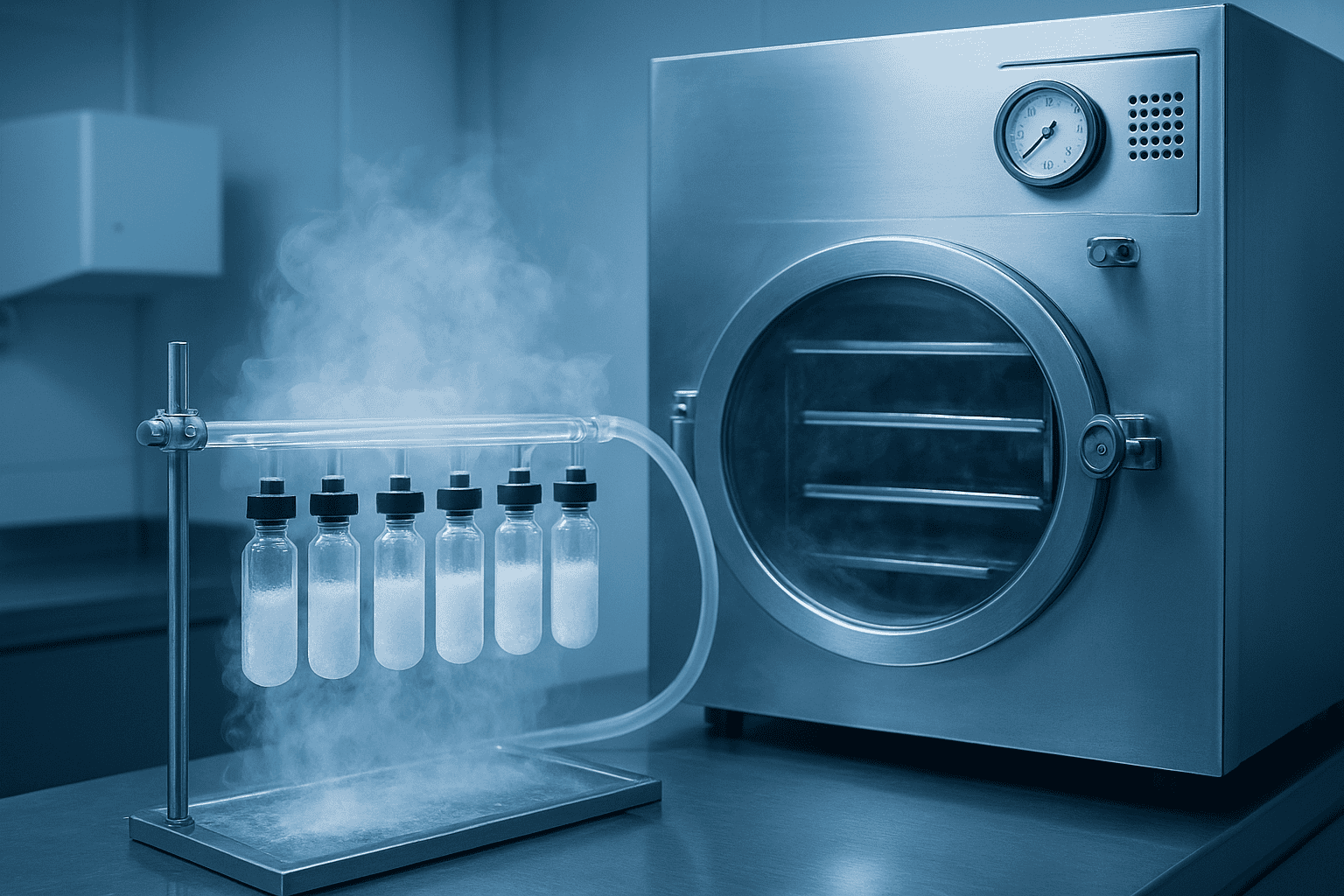
A 2019 stability analysis in the Journal of Pharmaceutical Sciences found that dissolved peptides in aqueous solution begin showing measurable degradation within weeks, especially when temperatures fluctuate during shipping (JPS, 2019). That’s the core problem with liquid peptides — they’re fighting chemistry from the moment they’re mixed.
Peptide bonds — the links holding amino acid chains together — are vulnerable to a reaction called hydrolysis. Water molecules literally break those bonds apart over time. It’s slow, but it’s constant. Heat speeds it up. So does light. A liquid peptide sitting in a warm delivery truck for two days? That’s not ideal.
Think of it like fresh bread versus a crouton. Fresh bread goes stale in days because it’s full of moisture. A crouton — dried out and sealed — lasts months. The bread isn’t “better” because it’s soft. It’s just more vulnerable. Same principle applies to peptides in solution versus peptides in powder form.
[PERSONAL EXPERIENCE]
We’ve found that the most common question from first-time buyers isn’t about purity or testing — it’s “why is this a powder and not a liquid?” Once researchers understand the stability trade-off, the format makes complete sense. The powder isn’t a limitation. It’s a feature.
How Long Does GLP-3 Lyophilized Powder Stay Stable?
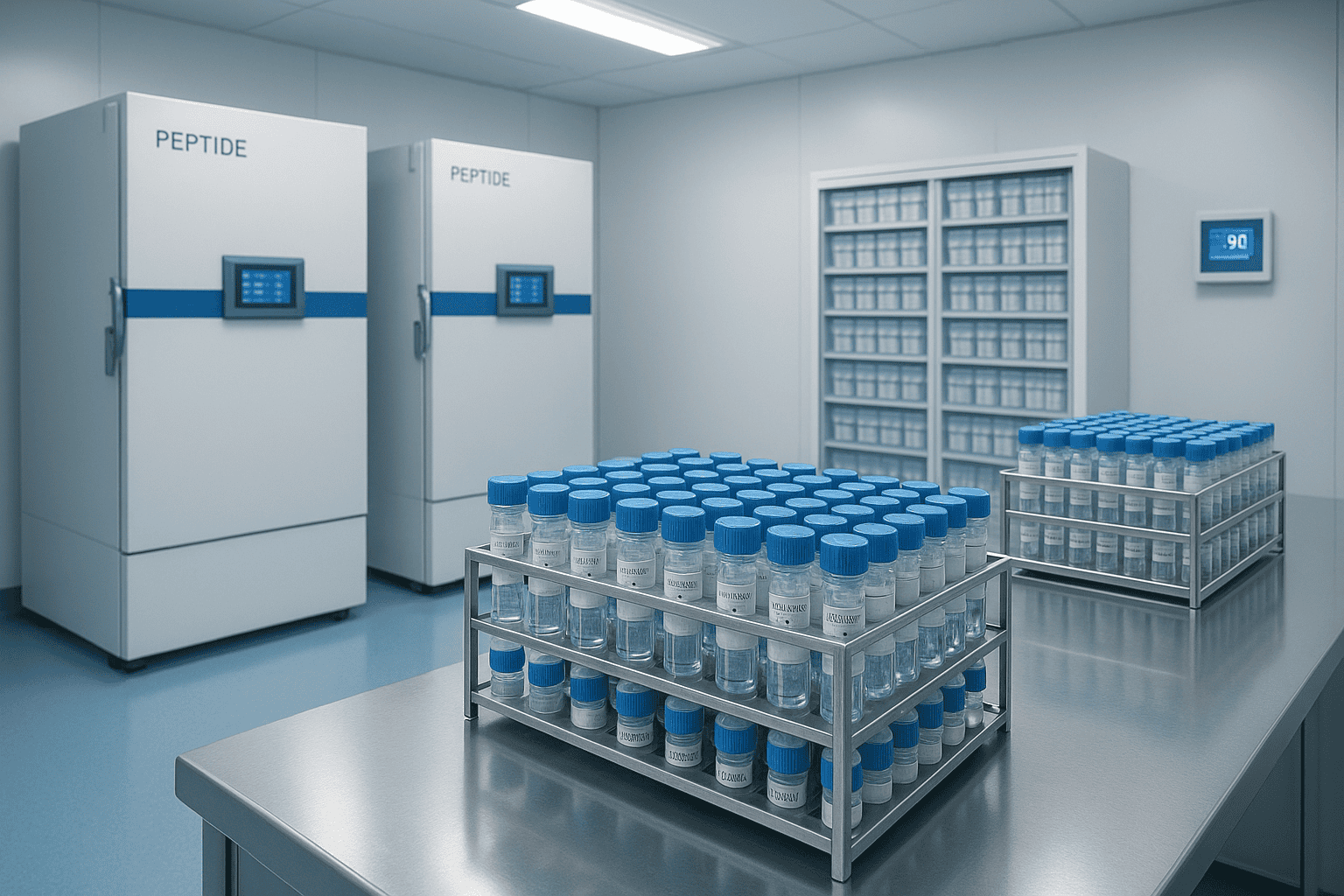
The European Journal of Pharmaceutics and Biopharmaceutics (2021) documented that properly stored lyophilized peptides retained greater than 98% integrity at the 24-month mark when kept at -20 degrees C. That’s roughly four to eight times longer than the same peptide dissolved in solution.
Temperature is the other big variable. The colder, the better. Most research suppliers recommend -20 degrees C for long-term storage. If you’re using the compound within a few weeks, 2-8 degrees C (standard refrigerator range) is generally acceptable. Room temperature storage, though, chips away at stability faster — especially in humid conditions.
Light and air matter too. UV exposure can trigger oxidation in some peptide sequences. Keeping vials sealed, protected from light, and stored cold covers the three main degradation risks: water, heat, and light. Do those three things, and your GLP-3 lyophilized powder will hold up well over extended research timelines.
[UNIQUE INSIGHT]
Here’s something worth noting: the 24-month figure from the EJPB study represents a conservative benchmark under controlled lab conditions. In practice, properly sealed lyophilized peptides stored at -20 degrees C often remain viable well beyond that window. The real enemy isn’t time — it’s moisture re-entering the vial.
What Does the White Powder Look Like Up Close?
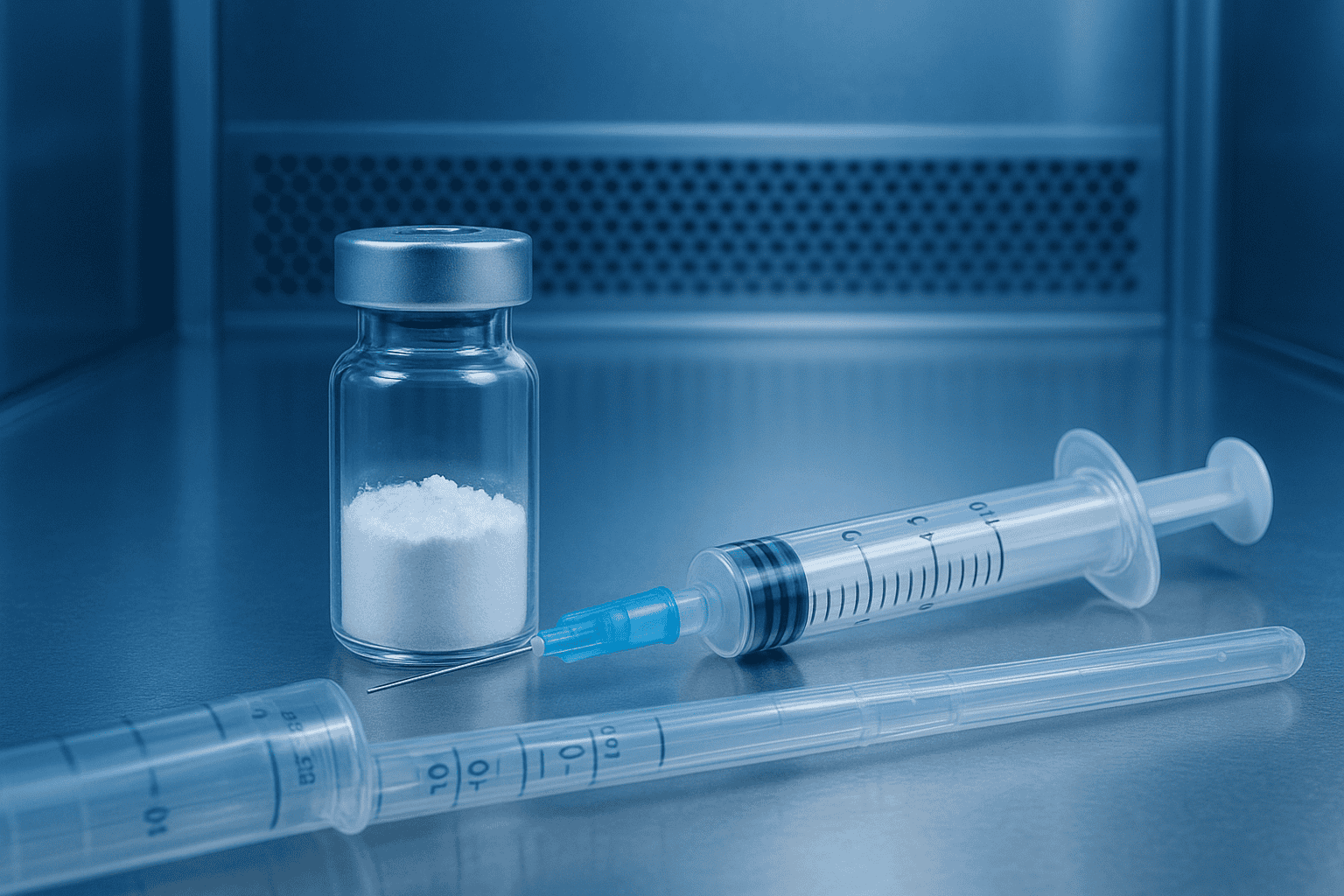
According to the American Chemical Society, freeze-drying removes more than 95% of the water content from a biological compound while preserving its molecular structure (ACS, 2023). What’s left behind has a distinctive appearance you’ll recognize once you’ve seen it.
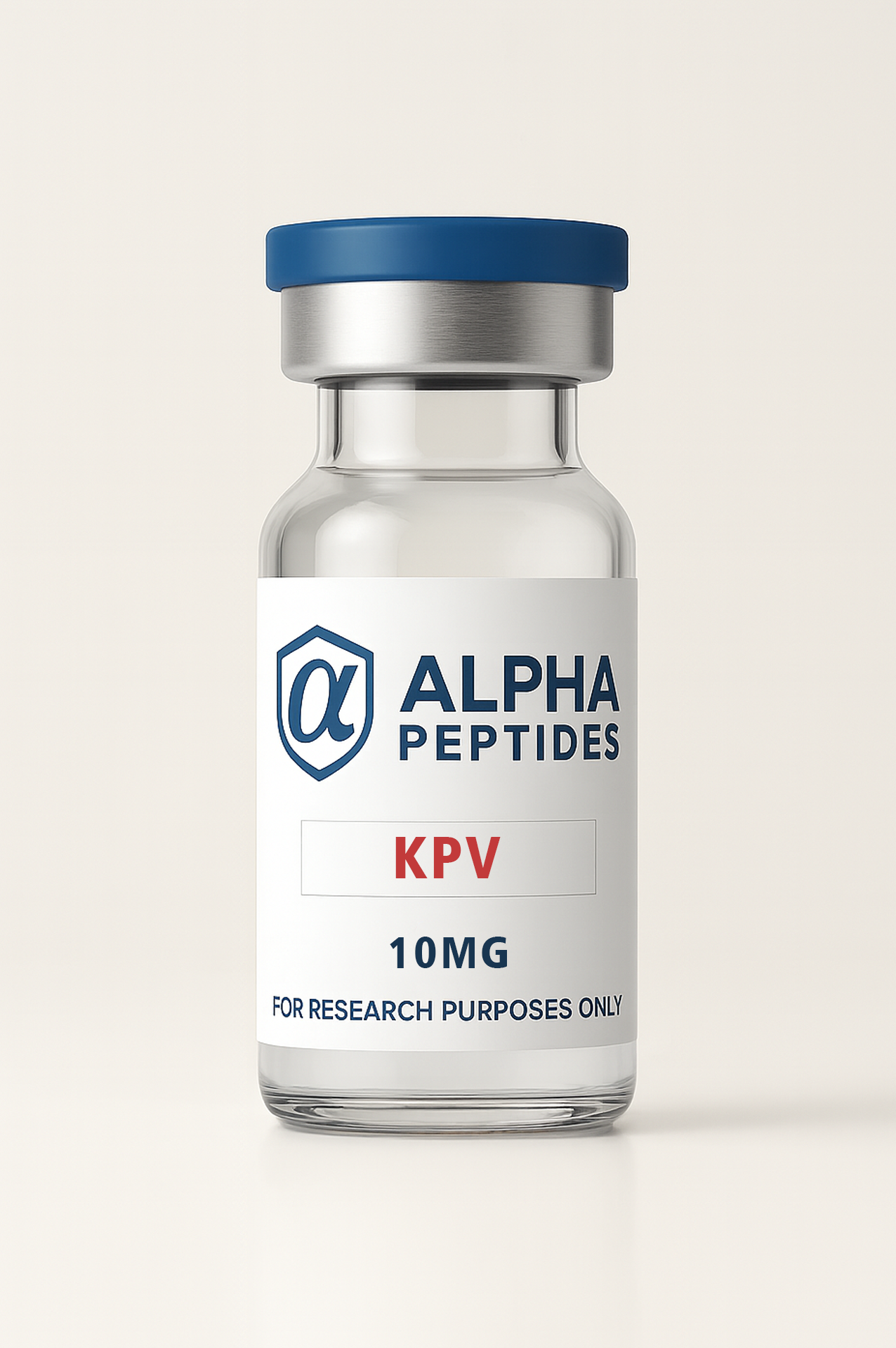
GLP-3 lyophilized powder typically appears as a white or off-white “cake” or “puck” at the bottom of the vial. Sometimes it’s a compact disc shape. Other times it’s a looser, fluffier powder that may have partially collapsed during shipping. Both forms are normal.
The texture can vary too. Some lyophilized peptides look like a tight, dry tablet. Others resemble fine sugar. The visual differences come down to the specific lyophilization cycle parameters — freezing speed, vacuum pressure, drying duration — not compound quality. What matters is that the powder dissolves cleanly when you add your reconstitution solvent. Cloudiness or particles that won’t dissolve after gentle swirling could indicate a problem.
How Do You Turn the Powder Back Into a Liquid?
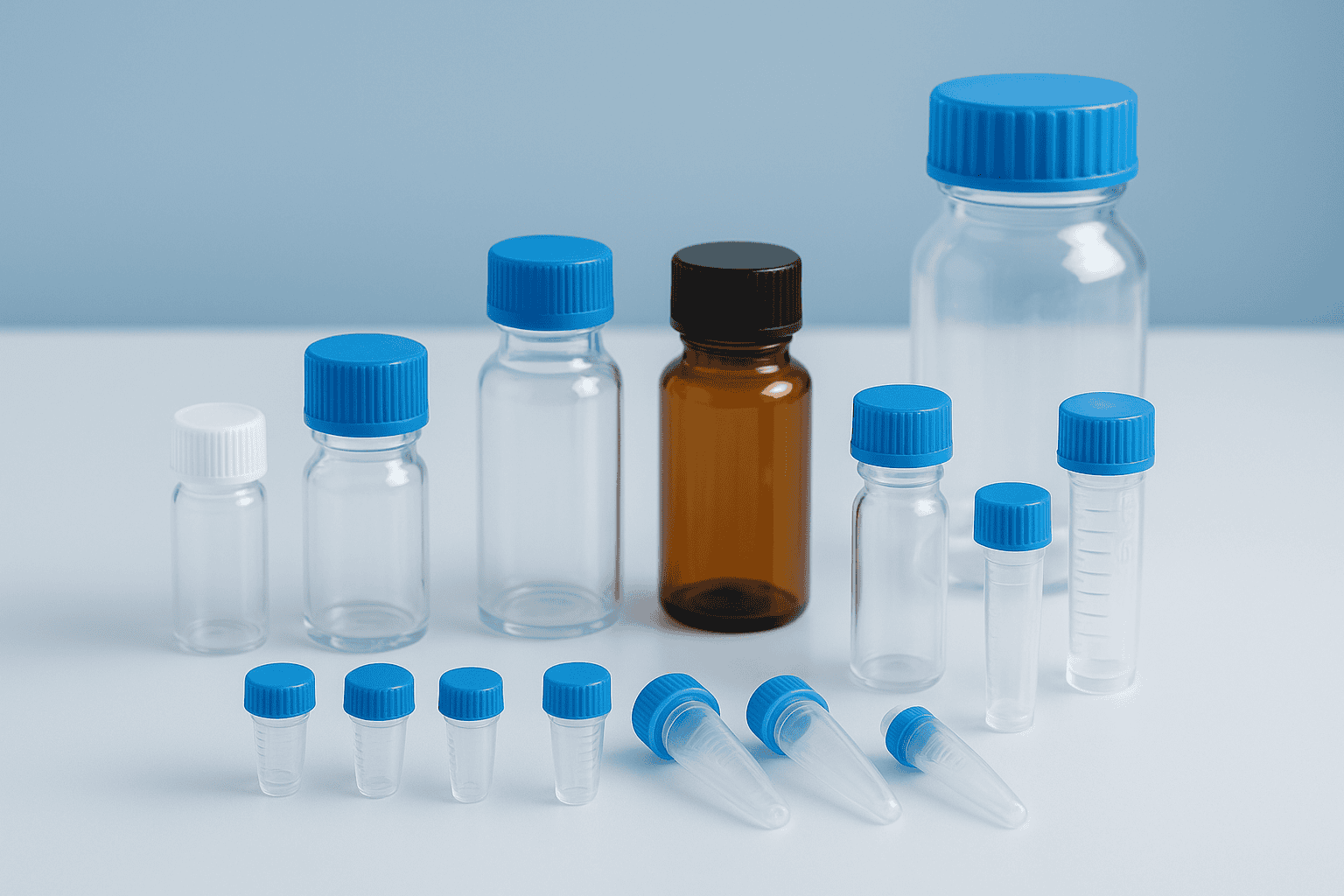
A 2018 technical guide from the University of Colorado Peptide Synthesis Facility described reconstitution as straightforward when done correctly, but emphasized that solvent choice and technique both affect downstream results (UC Denver, 2018). The process takes about a minute once you’ve done it a couple of times.
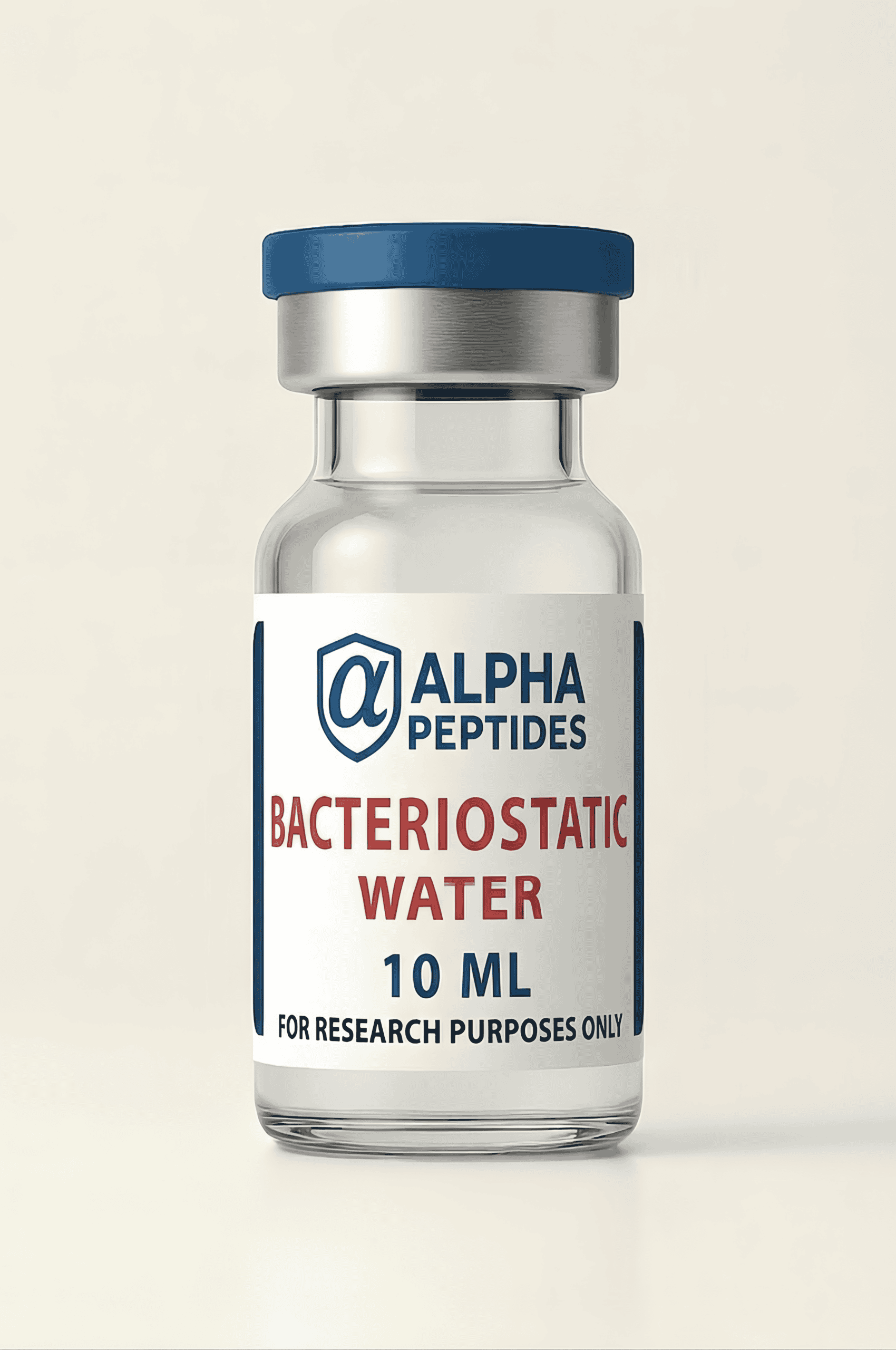
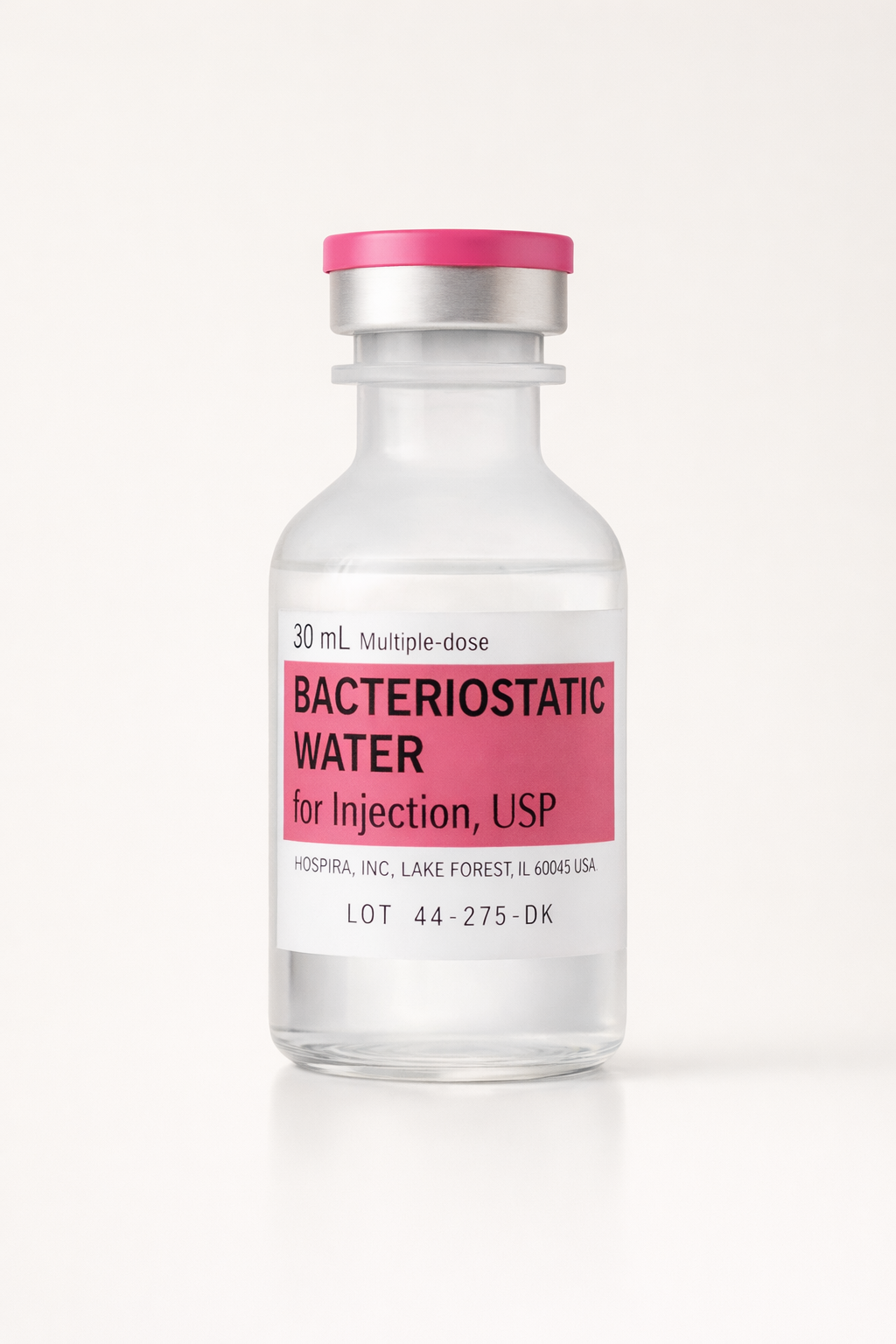
Reconstitution means adding a measured volume of solvent — usually bacteriostatic water — to the vial of powder. Bacteriostatic water contains 0.9% benzyl alcohol, which prevents bacterial growth in the solution. Standard sterile water doesn’t have that protection, so reconstituted solutions made with plain water are more vulnerable to contamination.
The technique matters more than people expect. Aim the stream of water down the inside wall of the vial, not directly onto the powder cake. Then swirl gently — don’t shake. Aggressive shaking introduces air bubbles and can mechanically stress the peptide chains. The solution should turn clear and uniform within a minute or two. If it stays cloudy, something may be off with the compound or the solvent.
One practical tip: only reconstitute what you’ll use in the near term. Once GLP-3 hits solution, that degradation clock starts. Keep the rest of your supply as dry powder in the freezer. Reconstitute small portions as needed. Your future self will thank you.
Frequently Asked Questions
Is GLP-3 lyophilized the same compound as GLP-3 liquid?
Yes — the molecule is identical. “Lyophilized” describes the format, not the compound. GLP-3 lyophilized is simply the freeze-dried powder form, while liquid GLP-3 has already been dissolved in a carrier solution. The lyophilized format offers significantly better long-term stability. For a deeper comparison, see our guide on lyophilized vs. liquid peptides.
Why is my GLP-3 powder stuck to the side of the vial?
Shipping vibrations can shift the lyophilized cake from the bottom of the vial to the sides or cap area. This is cosmetic and doesn’t affect the compound’s integrity or purity. The powder will dissolve normally during reconstitution regardless of where it sits in the vial. What matters is that the vial seal remained intact during transit.
Can I store reconstituted GLP-3 in the freezer?
You can, but minimize freeze-thaw cycles. Each cycle stresses the peptide chains and increases the risk of aggregation — molecules clumping together in ways that affect research results. Best practice is to aliquot your reconstituted solution into single-use portions before freezing. For long-term storage, keep the compound in its original lyophilized form at -20 degrees C. More details in our GLP-3 storage guide.
How can I tell if my lyophilized GLP-3 has gone bad?
Visual clues include discoloration (yellow or brown tint instead of white), unusual texture changes, or a powder that won’t dissolve cleanly upon reconstitution. If the vial seal was compromised during storage, moisture may have entered and partially degraded the compound. When in doubt, check the Certificate of Analysis for the expected appearance and request a replacement from your supplier.
The Short Version
That white powder in your vial isn’t mysterious — it’s practical. GLP-3 lyophilized is simply the freeze-dried form of the peptide, stripped of water so it stays stable during storage and shipping. The powder dissolves easily in bacteriostatic water when you’re ready to use it, and it holds its structural integrity far longer than any pre-mixed liquid could.
If you’re sourcing GLP-3 for research, the lyophilized format is the one you want. Verify purity with a third-party Certificate of Analysis, store it cold and sealed, and reconstitute only what you need. That’s the formula for reliable research material.
Ready to see the documentation? Browse our research-grade GLP-3 with batch-specific COAs, or start with our beginner’s guide to GLP-3 if you’d like more background on the compound itself.
For research use only. Not for human consumption. All peptides sold by Alpha Peptides are intended exclusively for laboratory and preclinical research purposes. Nothing on this page constitutes medical advice, dosing guidance, or a recommendation for personal use. All information is provided for educational purposes relating to peptide chemistry and laboratory research practice.