
· For research use only. Not for human consumption.
The GLP-2 gut barrier is a topic that has attracted growing attention in intestinal biology research. To understand why, you first need to understand what the gut barrier actually is — and why it matters so much. Your intestine is lined with a single layer of cells that separates everything inside your body from everything you eat and drink. That one-cell-thick wall is the gut barrier, and keeping it intact is one of the body’s most important jobs.
GLP-2 (glucagon-like peptide-2) is a naturally occurring hormone that has been investigated in laboratory and preclinical research for its role in maintaining and strengthening this barrier. Published studies have examined how GLP-2 influences the tight junctions between intestinal cells, the growth of the intestinal lining, and the overall integrity of this critical boundary.
This article explains the GLP-2 gut barrier research in everyday language. No science degree required. If you’re interested in the broader biology of GLP-2, start with our guide on GLP-2 and intestinal biology, or see how GLP-2 compares to GLP-1 in our GLP-2 vs GLP-1 comparison.
[INTERNAL-LINK: “GLP-2 and intestinal biology” -> /blog/glp-2-intestinal-biology-research/]
[INTERNAL-LINK: “GLP-2 vs GLP-1 comparison” -> /blog/glp-2-vs-glp-1-different-signals/]
TL;DR: The GLP-2 gut barrier is a key area of intestinal biology research. GLP-2 has been investigated in preclinical models for its role in maintaining tight junctions and intestinal integrity. Drucker DJ (2019) documented the development of GLP-2 analogs and their intestinal effects (PMID: 32219218), while Yazbeck R (2010) reviewed GLP-2 analog research in gastrointestinal models (PMID: 21154171). For research use only. Not for human consumption.
What Is the Gut Barrier? A Simple Explanation
Imagine a wall made of bricks. Each brick is a single intestinal cell, and together they form a continuous lining that runs the entire length of your intestine — roughly 20 feet of surface. This wall has an incredibly difficult job: it needs to let nutrients through (so your body can absorb food) while keeping everything else out (bacteria, toxins, undigested particles).
The gut barrier is selective. It’s not a solid wall — it’s more like a security checkpoint. Nutrients get through. Harmful substances do not. When this system works properly, the body absorbs what it needs and blocks what it doesn’t. When the barrier is compromised, things that should stay out can potentially cross into the body’s internal environment.
This is why the GLP-2 gut barrier research has become so important to scientists. Understanding what controls barrier integrity — what keeps the wall strong and selective — is fundamental to intestinal biology.
Tight Junctions: The Mortar Between the Bricks
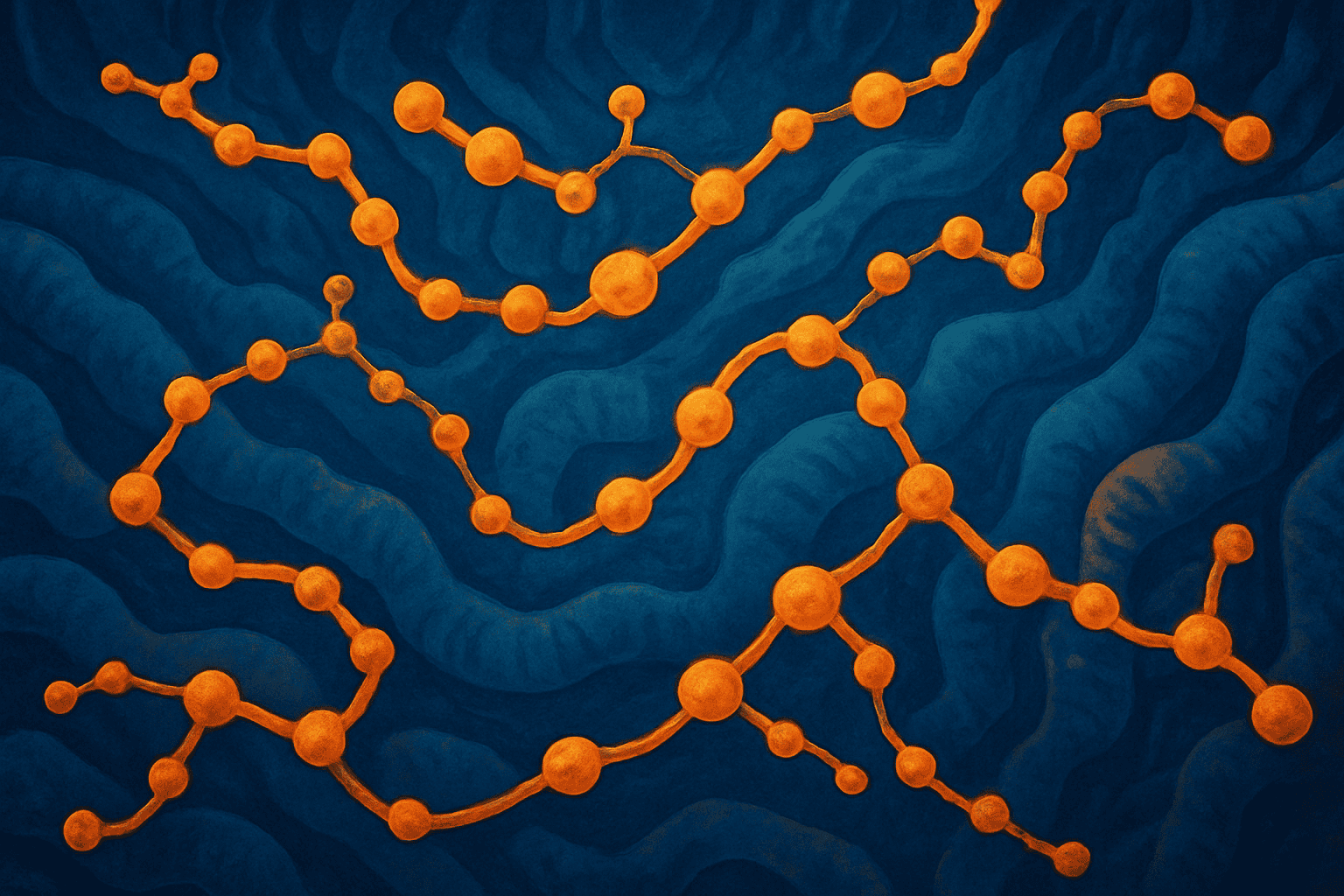
If intestinal cells are the bricks, then tight junctions are the mortar. Tight junctions are protein structures that seal the gaps between neighboring cells in the intestinal lining. Without them, substances could slip through the spaces between cells instead of being properly screened.
Think of it this way: a brick wall with no mortar would be full of gaps. Wind, water, and insects could pass through freely. But fill those gaps with mortar, and the wall becomes a real barrier. Tight junctions work the same way — they close the spaces between intestinal cells and control what can pass through.
Tight junctions are not static. They can tighten or loosen depending on signals from the body. This dynamic quality is what makes them so interesting to researchers. The body can adjust barrier permeability based on conditions — opening slightly to absorb nutrients, then closing back up to maintain protection.
Published preclinical research has examined how GLP-2 influences tight junction proteins. Several studies in animal models have investigated whether GLP-2 signaling affects the expression and arrangement of these critical barrier components.
How GLP-2 Gut Barrier Research Has Developed
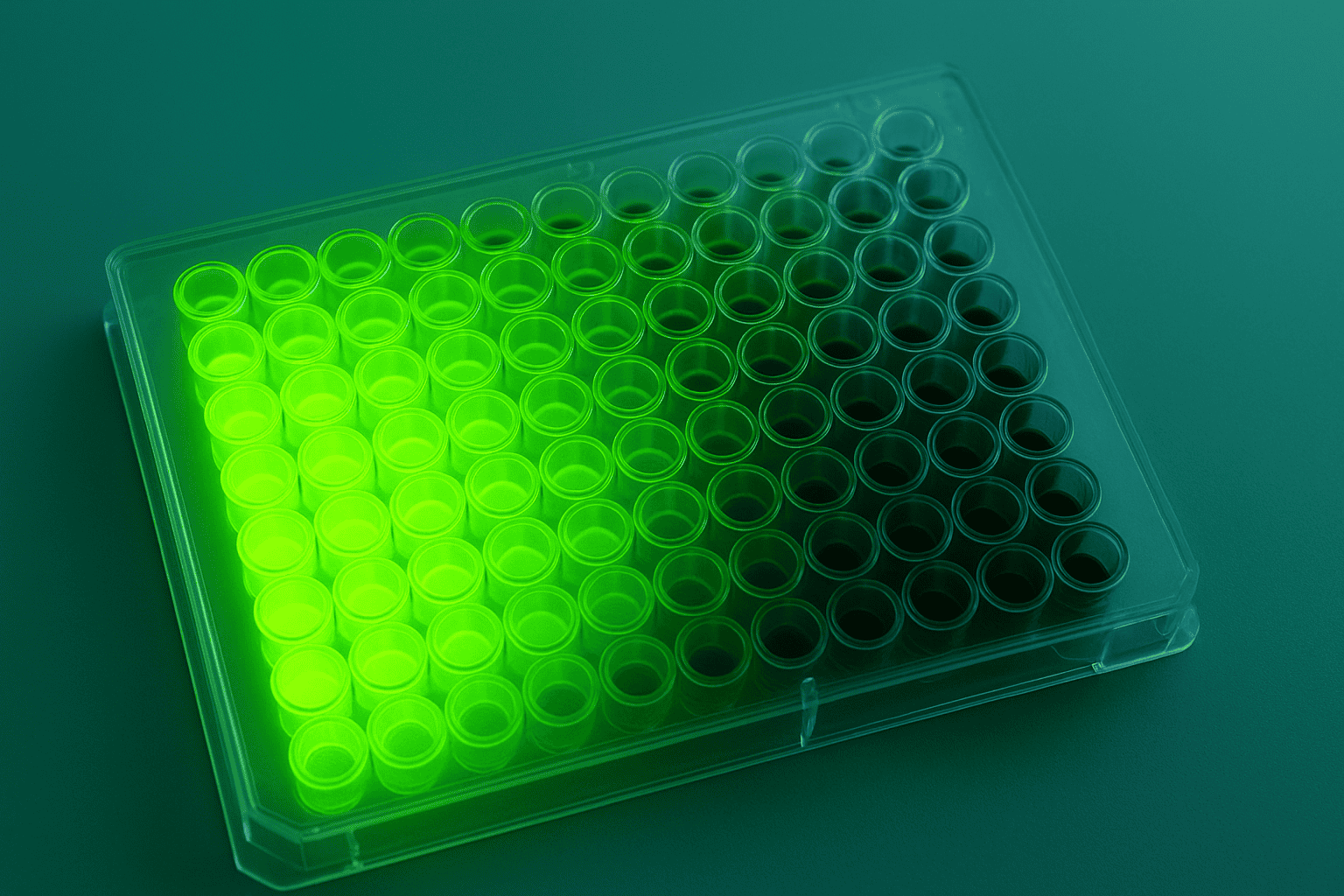
The connection between GLP-2 and barrier integrity wasn’t obvious at first. Early GLP-2 research in the 1990s focused primarily on intestinal growth — researchers noticed that GLP-2 made the intestinal lining thicker and the villi taller. The barrier angle came later, as scientists began asking deeper questions about what that growth actually meant for gut function.
Daniel Drucker’s foundational work on GLP-2 established that this hormone promotes intestinal mucosal growth in preclinical models. As documented in his 2019 review, the discovery journey from identifying GLP-2 in the proglucagon gene to characterizing its intestinal effects took decades of systematic investigation.
Subsequent research expanded the picture. Scientists began examining not just whether the gut lining grew, but whether it functioned better as a barrier. This led to studies investigating GLP-2’s effects on tight junction proteins, intestinal permeability measurements, and barrier function tests in various animal models.
Yazbeck’s 2010 review consolidated much of this research, examining how teduglutide (a GLP-2 analog designed for longer activity) had been investigated across multiple gastrointestinal research models. The review documented the breadth of preclinical data that had accumulated around GLP-2 and barrier function.
Drucker DJ (2019) traced the discovery of GLP-2 from its identification within the proglucagon gene through to the development of teduglutide, documenting the compound’s investigated effects on intestinal mucosal growth and integrity in preclinical models. (PMID: 32219218)
Why Barrier Integrity Matters for Research
The gut barrier is one of the largest interfaces between the body and the external environment. Scientists estimate that the total surface area of the intestinal lining, when you count all the folds, villi, and microvilli, is enormous — far larger than the surface area of the skin.
This makes barrier integrity a fundamental topic in biology. Researchers studying intestinal function need tools that let them investigate how the barrier is maintained, what signals control its strength, and what happens when those signals are disrupted. GLP-2 has become one of those tools.
In preclinical models, researchers have used GLP-2 and its analogs to study barrier dynamics under various experimental conditions. These studies have examined permeability (how easily substances cross the barrier), tight junction protein expression, and the relationship between intestinal growth and barrier function.
It’s important to note that all of this research has been conducted in laboratory and animal model settings. The observations documented in the published literature represent preclinical findings, not conclusions about any human application. GLP-2 research compounds are sold for scientific investigation only.
Yazbeck R (2010) reviewed the research on teduglutide (a GLP-2 analog) in gastrointestinal models, documenting how the compound had been investigated for its effects on intestinal growth, mucosal integrity, and barrier-related parameters in preclinical settings. (PMID: 21154171)
The Bigger Picture: GLP-2 as a Research Tool
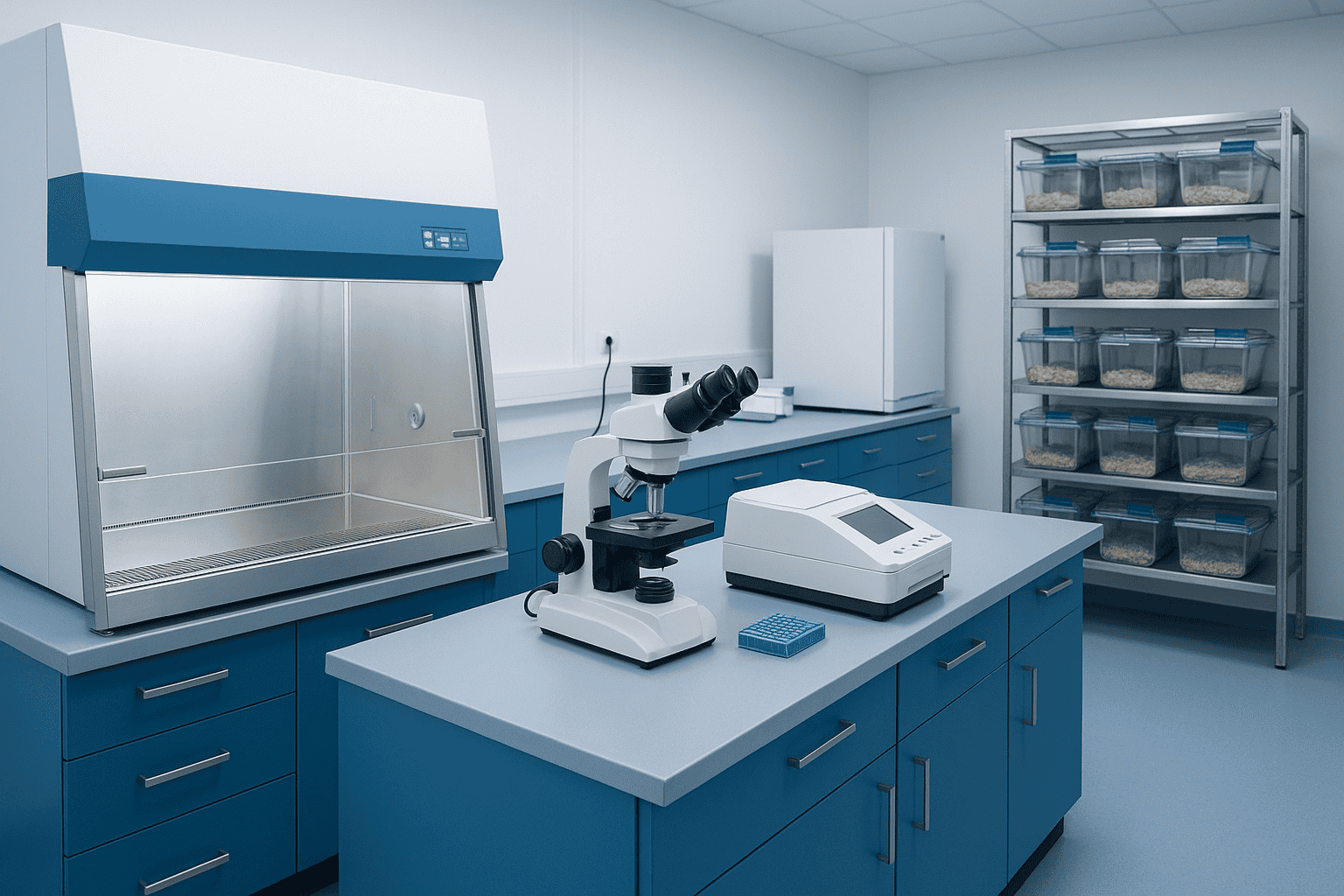
GLP-2 is valuable to researchers precisely because it appears to influence multiple aspects of gut biology at once. In preclinical models, it has been connected to intestinal growth, tight junction regulation, blood flow, and nutrient absorption. This multi-faceted profile makes it an unusually versatile research tool.
For scientists studying the gut barrier specifically, GLP-2 provides a way to investigate how hormonal signals control barrier integrity. Rather than studying the barrier as a static structure, GLP-2 allows researchers to examine how the body dynamically maintains and adjusts its most important internal boundary.
The field continues to expand. New studies are building on the foundational work by Drucker, Yazbeck, and others, exploring additional aspects of GLP-2’s relationship with the gut barrier. For researchers working in intestinal biology, GLP-2 remains a compound of significant interest.
Alpha Peptides offers research-grade GLP-2 with independent third-party testing and a Certificate of Analysis included with every order. For researchers investigating gut barrier integrity, tight junction dynamics, or intestinal biology, GLP-2 is one of the most extensively documented compounds available. Explore our full selection on the research peptides shop page, or review testing documentation on our Certificates of Analysis page.
Frequently Asked Questions
What is the gut barrier?
The gut barrier is a single layer of cells lining the intestine that separates the body’s internal environment from the contents of the digestive tract. It selectively allows nutrients through while blocking harmful substances.
What are tight junctions?
Tight junctions are protein structures that seal the gaps between neighboring intestinal cells. They act like mortar between bricks, controlling what can pass through the spaces between cells in the gut lining.
How has GLP-2 been studied in relation to the gut barrier?
GLP-2 has been investigated in preclinical and laboratory models for its effects on tight junction proteins, intestinal permeability, and overall barrier integrity. Published research has documented observations in animal model settings.
Is GLP-2 approved for use in humans?
The GLP-2 analog sold by Alpha Peptides is a research compound intended for laboratory investigation only. It is not approved for human use and is not sold for consumption.
Where can I learn more about GLP-2 research?
Our guide on GLP-2 and intestinal biology covers the foundational research, and our GLP-2 and nutrient absorption post explores another important research area. For published data, the PubMed citations referenced in this article provide detailed scientific documentation.
For research use only. Not for human consumption. This article is intended for informational and educational purposes. It does not constitute medical advice, and no therapeutic claims are made. Always consult published peer-reviewed literature for detailed research data.