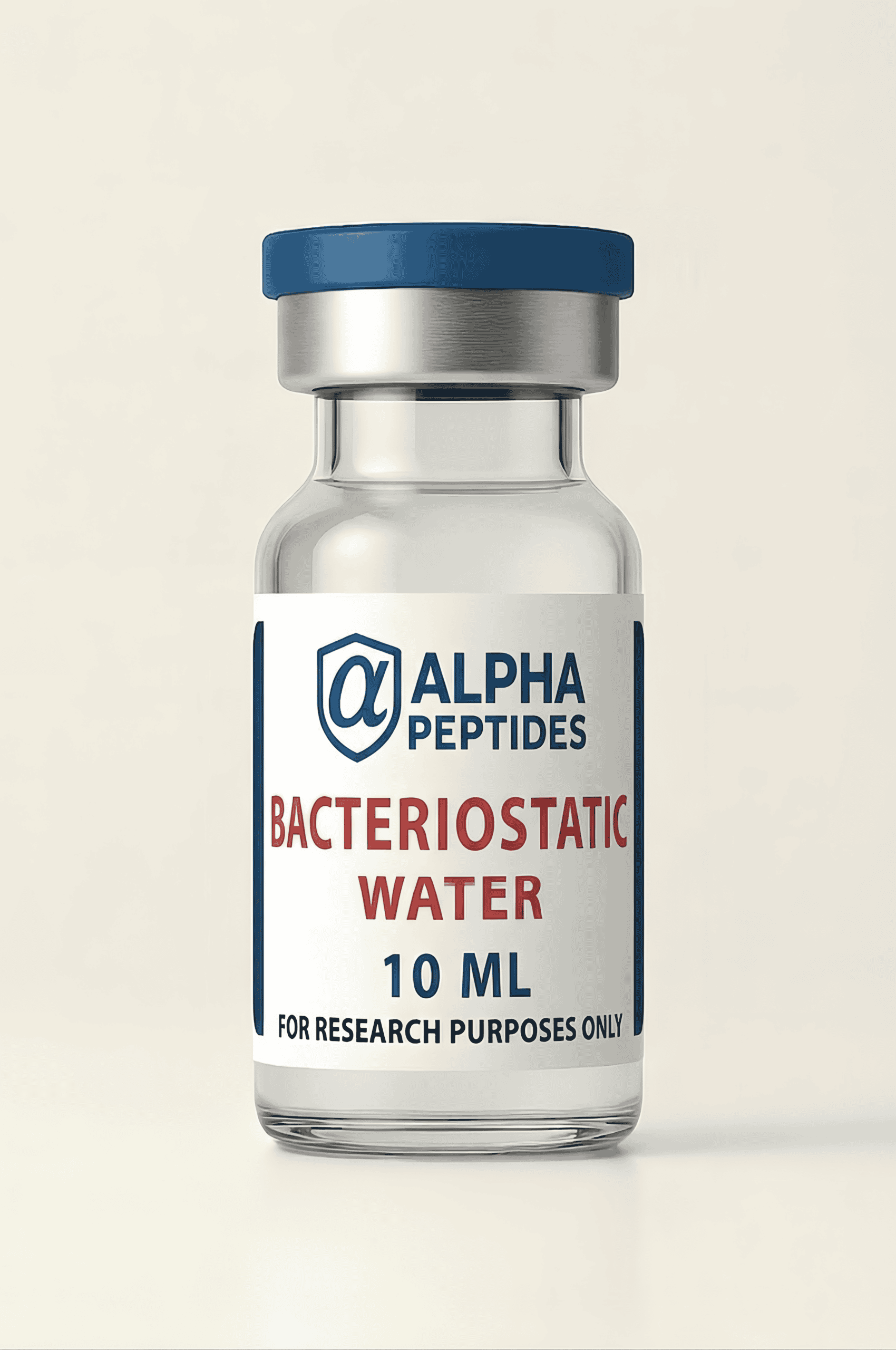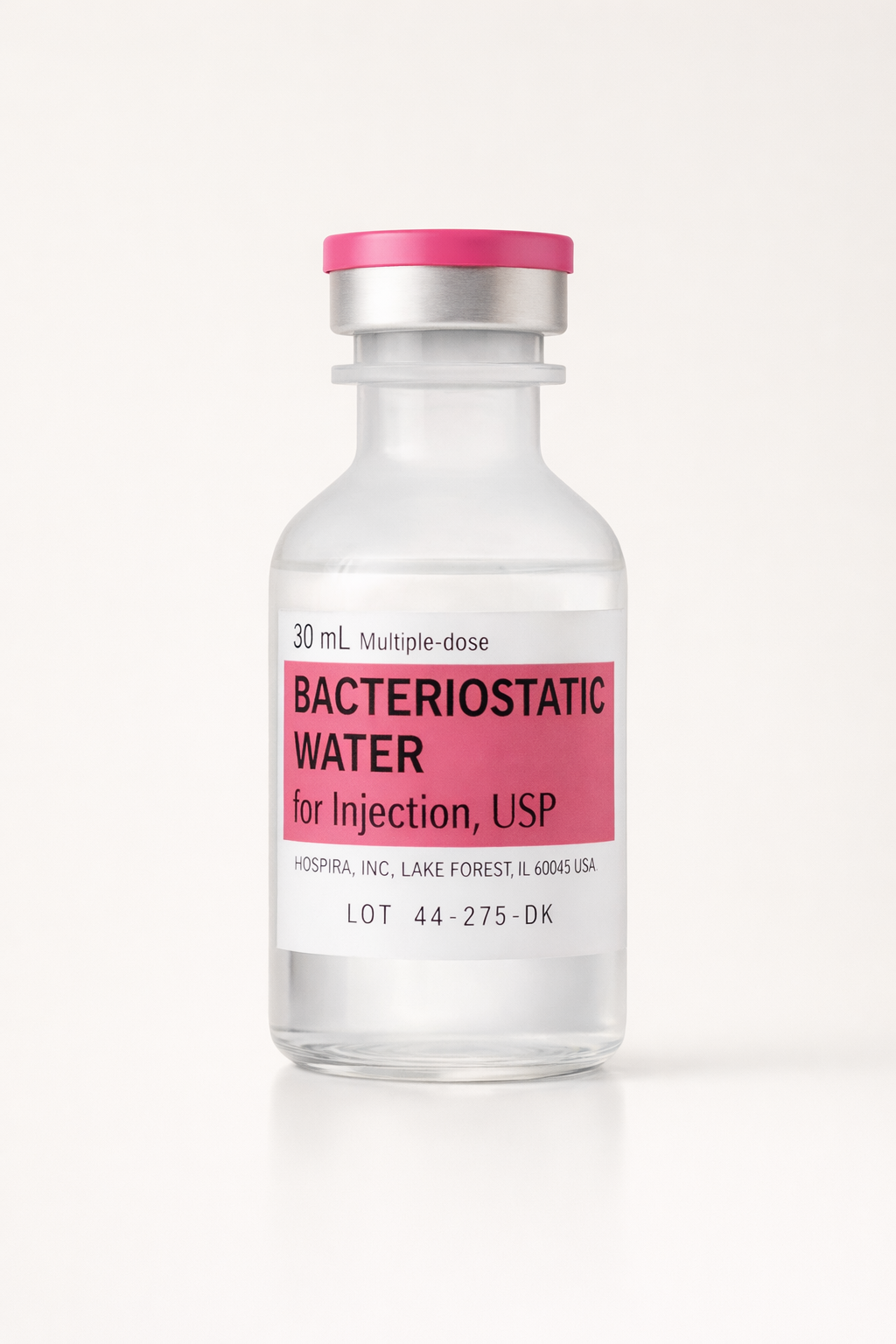
· For research use only. Not for human consumption.
For research use only. Not for human consumption.
Bacteriostatic water research is a documentation-centered topic in laboratory workflows. This guide explains terminology, handling context, and traceability standards in plain language.
This page is educational and research-focused only. It does not provide medical advice, treatment claims, dosing guidance, or instructions for human or animal use.
1) Define bacteriostatic water research scope
Scope should identify what is being documented, how observations are captured, and which method references apply. Clear scope improves consistency and reduces interpretation drift.

2) Handling and storage context should be traceable
Traceability records should include date references, container labels, and condition notes. Without these details, comparisons between records become less reliable.
3) Core analytical checkpoints
- Container and label verification
- Condition log completeness
- Stability context references
- Method-linked traceability records
4) Terminology consistency improves review quality
Stable terminology helps technical and non-technical readers interpret records in the same way. Inconsistent labels increase ambiguity and slow audits.
5) Reading order for non-specialists
A practical sequence is definition, observation, and documentation support. This keeps conclusions tied to recorded context rather than assumption.
6) Internal and external references
External references: Water for injection overview and PubMed index.
7) Reliable documentation checklist
- Method identifier and date stamp
- Container and batch reference
- Neutral observation summary
- Terminology consistency check before save
Extended interpretation notes
In bacteriostatic water research, record quality is inseparable from interpretation quality. When observations are linked to method context and traceable identifiers, reviewers can compare archived material with greater confidence.
A documentation-first editorial model also improves compliance: language remains neutral, claims remain descriptive, and interpretations remain tied to recorded conditions. This supports long-term usability of technical content.
For team workflows, standardized naming and structured references reduce handoff friction. Clear records prevent rework and improve consistency across review cycles. Maintaining these standards is operationally useful, not just stylistic preference.
Final technical note: keep statements context-linked, avoid unsupported conclusions, and preserve traceability from source record to summary statement throughout the page.
Research Use Disclaimer
For Research Use Only. Not for human or animal use. Not intended to diagnose, treat, cure, or prevent any disease.
Compliance + SEO review completed.
Additional laboratory documentation extension: in bacteriostatic water research reporting, reviewers should confirm that each summary statement maps back to a dated source record, a method identifier, and a condition note. This practice supports reproducibility and minimizes interpretation errors when records are audited months later. Consistent structure, stable terminology, and traceable references together create a stronger technical communication standard for teams working across multiple review cycles.
Supplemental documentation section
In bacteriostatic water research, long-term record value depends on traceability, stable terminology, and consistent method context. Reviewers should confirm that each observation references a method identifier, a date stamp, and a source record. This approach helps maintain reproducibility and reduces interpretation variance during periodic audits. For teams managing multiple datasets, this structure improves comparison speed and lowers rework risk.
Bacteriostatic water research pages should also maintain neutral language and descriptive wording. Statements should describe what is recorded rather than speculate beyond available context. When editorial structure is consistent, technical readers can verify evidence chains quickly and non-specialists can follow definitions without confusion. Consistency in section naming, references, and summary phrasing is therefore a practical quality-control habit in documentation-driven workflows.

Pharmaceutical-Grade Diluent Specifications
Bacteriostatic water is a sterile water preparation containing 0.9% benzyl alcohol as a preservative agent, manufactured under current Good Manufacturing Practice (cGMP) conditions. In laboratory research settings, it serves as a reconstitution solvent for lyophilized peptide preparations. The benzyl alcohol preservative allows for multiple-entry use from a single vial while maintaining microbiological safety, distinguishing it from single-use sterile water for injection. When selecting a reconstitution solvent for peptide research, laboratories should consider the potential interaction between benzyl alcohol and the specific peptide being reconstituted, as some compounds may exhibit altered stability profiles in the presence of preservative agents.
Quality Verification and Laboratory Documentation
Quality assessment of bacteriostatic water in research settings should include visual inspection for particulate matter and discoloration, verification of the manufacturer’s lot-specific Certificate of Analysis (including sterility testing, endotoxin levels, and benzyl alcohol concentration), and confirmation that the product is within its stated expiration date. Storage should follow manufacturer recommendations, typically at controlled room temperature (20-25°C) with protection from light. Laboratory documentation should include the specific manufacturer and lot number of bacteriostatic water used for each peptide reconstitution, as this information supports traceability in research records and may be relevant when comparing experimental results across different preparation batches.
Research-Grade Hospira BAC Water Available
Alpha Peptides supplies research-grade Hospira BAC Water with third-party Certificate of Analysis (COA) documentation, ≥98% purity verified by HPLC, and batch-specific traceability. All compounds are intended for laboratory research use only.
View Hospira BAC Water Product Details and COA →
For research use only. Not for human consumption.