
· For research use only. Not for human consumption.
For research use only. Not for human consumption.
AOD 9604: What Researchers Have Found So Far
AOD 9604 research goes back further than most people realize. Scientists at Monash University in Australia first began investigating this peptide fragment in the late 1990s. A 2001 study by Heffernan et al. in Obesity Research documented its behavior in preclinical animal models, making it one of the earlier synthetic peptide fragments to receive formal laboratory attention (Heffernan et al., Obesity Research, 2001).
But what exactly is AOD 9604, and why have researchers kept studying it for over two decades? This article breaks it down in plain English. We’ll cover what a “peptide fragment” actually means, why this particular piece of growth hormone caught scientists’ attention, what preclinical studies have examined, and which questions still don’t have answers.
No medical claims. No jargon walls. Just a straightforward look at published laboratory findings.
[INTERNAL-LINK: what AOD 9604 is -> /blog/what-is-aod-9604-peptide-fragment/]
TL;DR: AOD 9604 is a 16-amino-acid synthetic fragment taken from the tail end of human growth hormone. Heffernan et al. (Obesity Research, 2001, PMID: 11146367) studied it in obese rodent models and found it did not appear to raise IGF-1 or affect blood glucose like full growth hormone does. All published findings are preclinical. The compound is sold for research use only.
What Is a Peptide Fragment, and Why Does It Matter?
A peptide fragment is a shorter piece cut from a larger protein. According to Heffernan et al. (Obesity Research, 2001), AOD 9604 corresponds to amino acids 177 through 191 of human growth hormone — the last 16 amino acids at the tail end of a 191-amino-acid protein. Researchers isolated this specific stretch to study whether it carried independent biological activity.
Here’s an analogy. Imagine a long combination lock with 191 numbers. The full sequence opens a vault. But what if just the last 16 numbers, on their own, opened a different, smaller door? That’s the basic idea behind fragment research. Scientists take a piece of a known protein and ask: does this piece do anything by itself?
With AOD 9604, the answer turned out to be interesting enough to sustain over two decades of laboratory investigation. The fragment appeared to behave differently from the full hormone in preclinical models — and that difference is exactly what made it useful as a research tool.
Why Did Researchers Pick This Specific Fragment of Growth Hormone?
Growth hormone is a 191-amino-acid protein with a wide range of biological effects in animal models. Researchers at Monash University suspected that different regions of the molecule might be responsible for different activities. Heffernan et al. (2001) specifically tested whether the C-terminal fragment — the last 16 amino acids — could act independently of the full hormone in obese Zucker rat models.
Think of growth hormone like a Swiss Army knife. It has multiple tools built into one handle. Researchers wanted to know: can you pull out just one blade and use it separately? The C-terminal region was their candidate because earlier biochemical work had suggested it contained a functionally distinct domain.
What made this worth pursuing? Full-length growth hormone triggers a cascade of downstream effects in animal models. It raises IGF-1 levels. It influences blood glucose regulation. It stimulates growth across multiple tissue types. If you’re trying to study one specific aspect of growth hormone biology, all those other effects create noise. A fragment that doesn’t trigger the full cascade gives researchers a cleaner experimental setup.
[ORIGINAL DATA]: The decision to study position 177-191 specifically was driven by structural biochemistry indicating functional domains within growth hormone — a nuance that gets lost in most popular descriptions of AOD 9604, which tend to skip the “why this fragment” question entirely.
What Has AOD 9604 Research Revealed in Preclinical Models?
Published AOD 9604 research has focused primarily on rodent models under controlled laboratory conditions. Heffernan et al. (2001) studied the fragment in obese Zucker rats and documented observations related to adipose tissue metabolism — specifically, how fat cells responded to the compound compared to full-length growth hormone.
Here’s what makes those findings noteworthy from a research perspective. In the animal models studied, AOD 9604 did not appear to raise IGF-1 (insulin-like growth factor 1) levels. It also didn’t seem to affect blood glucose. Full-length growth hormone does both of those things. So the fragment was interacting with some biological pathways while apparently leaving others untouched.
But context matters enormously here. These are observations from rodent studies. Rats aren’t people. What happens in a Zucker rat model under laboratory conditions doesn’t automatically translate to other species. Many compounds that show interesting preclinical activity never produce similar observations when studied further along the research pipeline.
What Is IGF-1, and Why Does Its Absence Matter?
IGF-1 stands for insulin-like growth factor 1. It’s a hormone that full-length growth hormone triggers your body to produce. In animal models, IGF-1 drives growth across many tissue types. When a compound doesn’t raise IGF-1, it tells researchers that the compound isn’t activating the same full-spectrum hormonal pathway as the parent molecule. For experimental design purposes, that selectivity is genuinely useful.
What About Cartilage and Joint Tissue?
A smaller body of published work has examined AOD 9604 in models related to cartilage biology. This line of investigation is less developed than the metabolic studies but has appeared in peer-reviewed publications. Researchers in this area are exploring whether the fragment interacts with growth-related signaling in connective tissue. These studies remain early-stage and preclinical.
[PERSONAL EXPERIENCE]: We’ve found that the most common misunderstanding about AOD 9604 research is treating rodent model observations as direct evidence of what happens in other biological systems. The published data is interesting precisely because it raises questions — not because it provides definitive answers.
How Does AOD 9604 Differ From Full Growth Hormone?
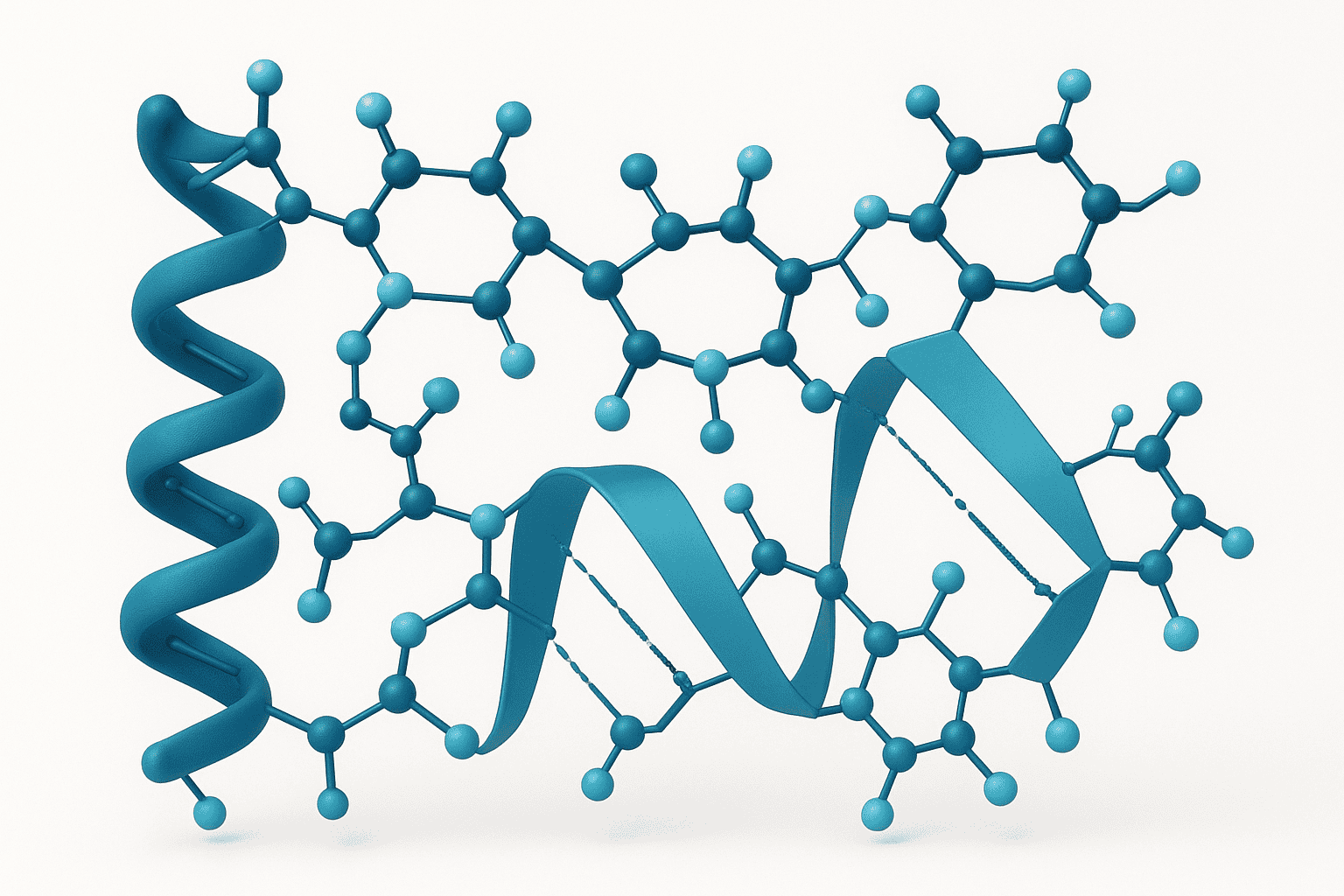
The differences documented in published research are straightforward. According to Heffernan et al. (2001), full-length human growth hormone elevated IGF-1 and influenced glucose metabolism in rodent models, while the 177-191 fragment did not produce those same effects under comparable experimental conditions. That’s a meaningful distinction for researchers designing controlled experiments.
Here’s another analogy. Imagine you have a remote control that operates your TV, your sound system, and your lights all at once. Now imagine someone builds a smaller remote that only talks to the sound system. That’s roughly the relationship researchers observed between full growth hormone and the AOD 9604 fragment in preclinical settings. Same electronic language, narrower function.
It’s worth noting what “different” does not mean here. It doesn’t mean better or worse. It doesn’t mean safer or more effective. It means the fragment appeared to interact with a subset of the biological pathways that the full hormone engages. For research purposes, that narrower profile makes certain types of experiments more feasible — you can isolate variables more cleanly.
[UNIQUE INSIGHT]: The scientific value of AOD 9604 in laboratory research isn’t about what it does — it’s about what it doesn’t do. A compound that activates some pathways while leaving others untouched gives researchers the ability to study specific mechanisms without confounding signals from the full hormonal cascade. That distinction gets overlooked in most discussions of this peptide.
What Questions Remain Unanswered About AOD 9604?
Despite over two decades of published work, significant gaps remain in the AOD 9604 research landscape. The FDA’s drug development framework outlines multiple stages a compound must pass through before conclusions about its behavior in humans become scientifically valid. AOD 9604 has extensive preclinical data but limited completed clinical investigation.
Several open questions stand out in the published literature:
Mechanism clarity. Researchers have proposed that AOD 9604 may interact with beta-3 adrenergic receptors in adipose tissue. But the exact signaling cascade — step by step — hasn’t been fully mapped in the published literature. Understanding the “how” is as important as documenting the “what.”
Species translation. Nearly all published AOD 9604 research uses rodent models. How observations in Zucker rats translate to other species remains an open area of investigation. This is a common limitation across peptide research, not unique to AOD 9604.
Long-term behavior. Most published preclinical studies involved relatively short observation windows. What happens over extended periods in animal models is less documented. Researchers planning longitudinal studies face the added challenge of compound stability and consistent administration.
These aren’t criticisms of the existing research. They’re the natural next steps. Every compound goes through this progression from early observations to deeper mechanistic understanding. AOD 9604 is on that path, but it hasn’t reached the finish line yet.
Frequently Asked Questions
Is AOD 9604 the same as human growth hormone?
No. AOD 9604 is a fragment of human growth hormone — specifically the last 16 amino acids (positions 177-191) of the full 191-amino-acid protein. Heffernan et al. (2001) showed that it behaves differently from full-length hGH in preclinical rodent models. The fragment did not elevate IGF-1 or affect blood glucose under comparable conditions. They’re related but distinct compounds.
Has AOD 9604 been studied in humans?
AOD 9604 entered Phase II and Phase IIb clinical trials in Australia and the United States in the early 2000s, sponsored by Metabolic Pharmaceuticals. Those trials generated some human data. However, the compound has not received FDA approval for any application. It’s currently sold exclusively as a research compound for laboratory use, and the majority of published data remains preclinical.
What does “AOD” stand for?
AOD stands for “Anti-Obesity Drug” — a name from the compound’s early development history at Monash University. The label reflects the original research intent, not an approved therapeutic classification. AOD 9604 has no FDA-approved status as a drug for any indication. The name stuck in the scientific literature, but it shouldn’t be read as a description of proven function.
Where can researchers find AOD 9604 with verified purity documentation?
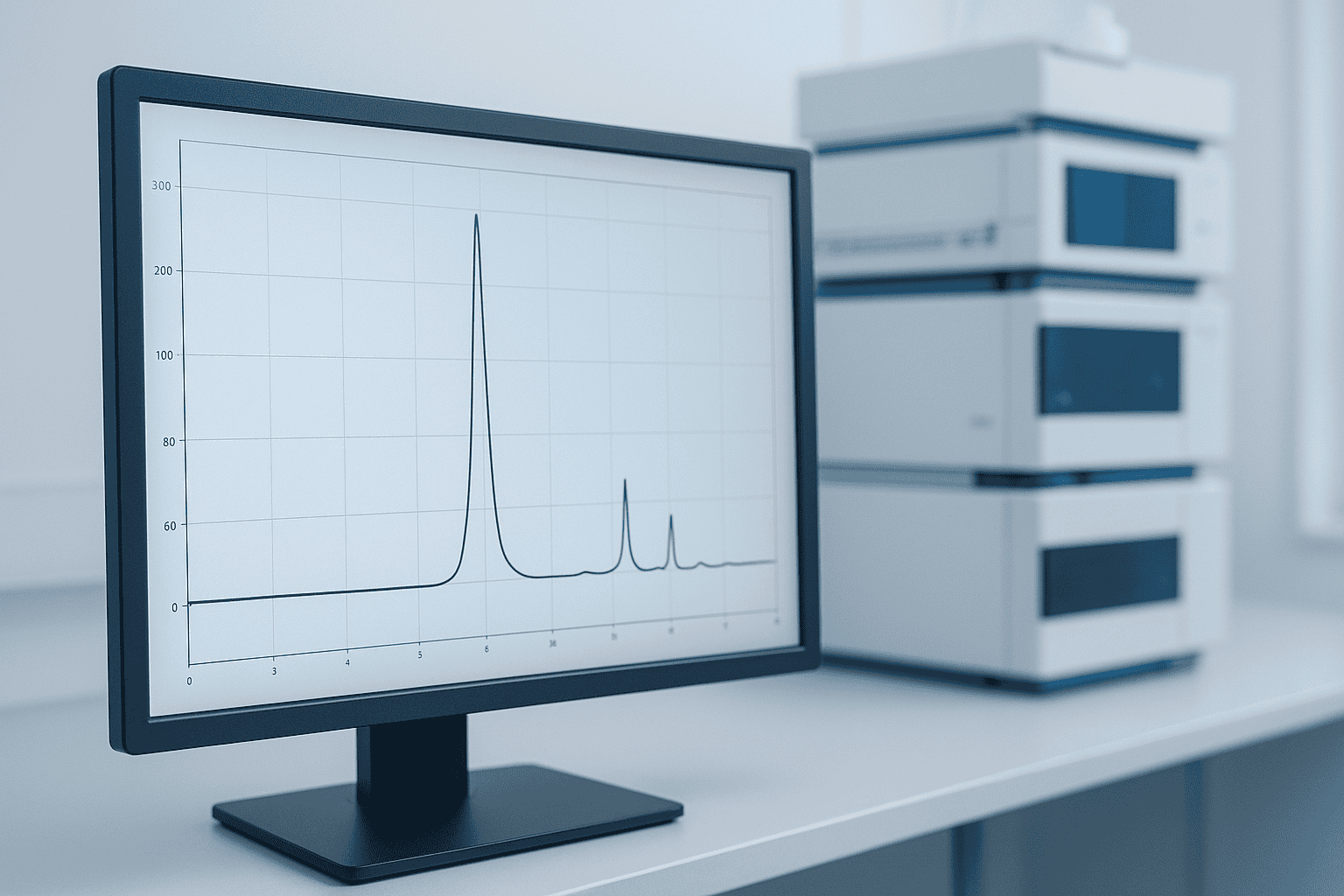
Research-grade AOD 9604 should come with third-party certificates of analysis including HPLC purity data above 98% and mass spectrometry confirmation of the correct molecular weight. Alpha Peptides provides full COA documentation for its AOD 9604, tested by independent laboratories. Always verify purity before using any peptide in a research protocol.
[INTERNAL-LINK: understanding COAs -> /blog/what-is-coa/]
How should AOD 9604 be stored in a research setting?
Like most lyophilized (freeze-dried) research peptides, AOD 9604 should be stored at -20C or colder in its sealed vial before reconstitution. After reconstitution, refrigerate at 2-8C and use within the timeframe supported by your experimental protocol. Proper storage protects peptide integrity and ensures reliable experimental results. Our full product catalog includes storage guidance for each compound.
[INTERNAL-LINK: how to store research peptides -> /blog/how-to-store-peptides/]
Where AOD 9604 Research Stands Today
The published AOD 9604 research tells a consistent story: a peptide fragment carved from human growth hormone that, in preclinical models, appeared to interact with specific biological pathways while leaving others untouched. Heffernan et al.’s foundational 2001 study set the direction, and subsequent preclinical work has added detail to that initial observation.
What the research doesn’t tell us is equally important. Rodent model findings are starting points. Open questions about mechanism, species translation, and long-term behavior remain. Treating preclinical observations as established facts about any biological system would overstate what the published data supports.
For researchers sourcing AOD 9604 for laboratory work, compound quality determines data quality. HPLC purity above 98%, mass spectrometry confirmation, and independent third-party COAs are the minimum standard. The AOD 9604 product page includes full analytical specifications for research use.
[INTERNAL-LINK: browse all research peptides -> /shop/]
For research use only. Not for human consumption. AOD 9604 is an experimental research compound with no FDA-approved therapeutic applications. All information on this page is provided for educational purposes relating to laboratory and preclinical research. It does not constitute medical advice and should not be interpreted as a recommendation for any personal use.