
· For research use only. Not for human consumption.
For research use only. Not for human consumption.
When you invest in research peptides, the quality of those compounds directly affects the reliability of your results. Alpha Peptides quality standards are built around one simple principle: every batch that leaves the facility should meet the same high standards, every single time. No shortcuts, no exceptions.
Based in Derry, New Hampshire, Alpha Peptides is a U.S.-based research peptide supplier that has built its reputation on transparency, rigorous testing, and consistent quality. This article walks you through exactly what that means in practice, from the testing methods used to the documentation provided with every order.
If you have ever wondered what separates a reliable peptide supplier from a questionable one, or what to look for when evaluating the quality claims of any research compound provider, this breakdown will give you the information you need.
TL;DR: Alpha Peptides verifies every batch through third-party HPLC and mass spectrometry testing. Each product comes with a batch-specific Certificate of Analysis. Additional quality measures include endotoxin testing, proper cold chain shipping, and documented storage protocols. All COAs are publicly accessible at alpha-peptides.com/coas/.
For research use only. Not for human consumption.
Third-Party HPLC Testing: The Purity Standard: Alpha Peptides quality Insights
High-Performance Liquid Chromatography, or HPLC, is the gold standard analytical method for determining peptide purity. It works by separating the components of a sample based on their chemical properties, allowing analysts to identify and quantify the target peptide versus any impurities present.
At Alpha Peptides, every batch undergoes HPLC analysis performed by independent third-party laboratories. This is an important distinction. When a supplier tests its own products in-house, there is an inherent conflict of interest. Third-party testing by independent labs eliminates this conflict and provides an unbiased assessment of product quality.
The HPLC chromatogram, a visual readout of the analysis, shows a peak for the target peptide and smaller peaks for any impurities. The relative size of these peaks determines the purity percentage. Alpha Peptides quality standards require that products meet specified purity thresholds before they are released for sale.
HPLC results are included in the Certificate of Analysis for every batch, so researchers can review the actual data rather than simply relying on a stated purity number.

Mass Spectrometry: Confirming Identity
While HPLC tells you how pure a compound is, mass spectrometry tells you what the compound actually is. Mass spectrometry works by measuring the molecular weight of the compound with extreme precision. Since each peptide has a unique molecular weight based on its amino acid sequence, this measurement serves as a molecular fingerprint.
If the measured molecular weight matches the expected molecular weight of the target peptide, you can be confident that the compound is what it is supposed to be. If the weights do not match, something is wrong, whether it is a synthesis error, a degradation product, or the wrong compound entirely.
Alpha Peptides includes mass spectrometry data in its quality verification process, providing a two-layer confirmation system: HPLC confirms purity, and mass spectrometry confirms identity. Together, these two tests give researchers the data they need to trust the compounds they are using in their experiments.
Batch-Specific Certificates of Analysis
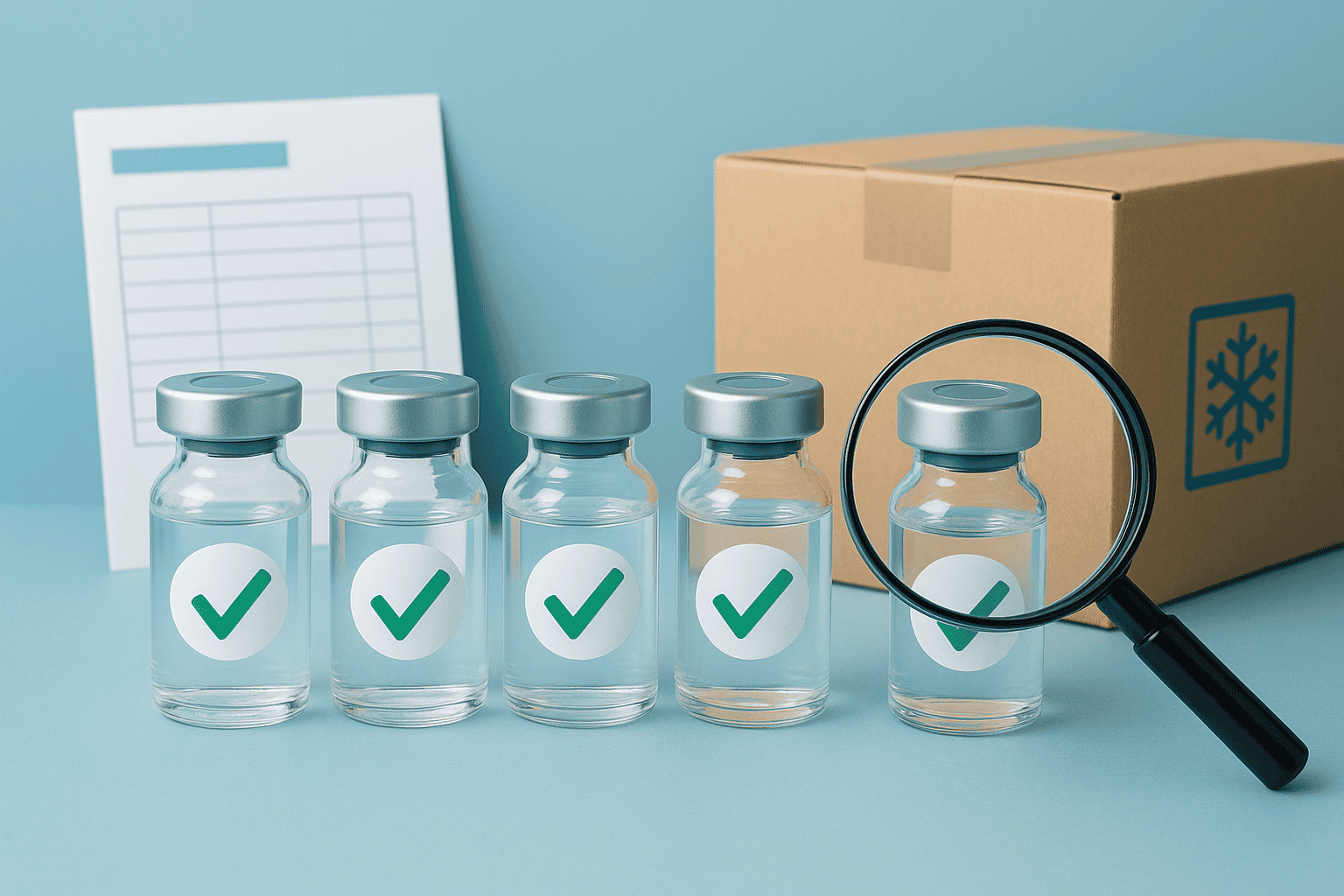
A Certificate of Analysis (COA) is the document that summarizes the testing results for a specific batch of product. The key phrase here is “batch-specific.” Some suppliers provide generic COAs that apply to a product in general rather than the specific lot you received. Batch-specific COAs are tied to the exact lot number of your purchase.
Alpha Peptides COAs include the product name and catalog number, the specific lot or batch number, the date of analysis, HPLC purity results with chromatographic data, mass spectrometry results confirming molecular identity, and any additional testing results performed on that batch.
All COAs are publicly accessible at alpha-peptides.com/coas/. Researchers can look up their batch number and download the corresponding documentation at any time. This level of transparency means you are never left wondering about the quality of the compounds in your freezer.
Why Quality Matters for Research Outcomes
The connection between compound quality and research reliability cannot be overstated. When a peptide is impure, degraded, or misidentified, every experiment using that compound produces questionable data. Researchers may draw incorrect conclusions, waste time on experiments that cannot be replicated, or miss genuine findings because the compound did not perform as expected.
Consider a simple example: if a researcher is studying how a peptide interacts with a specific receptor, and the peptide sample is only 85% pure, the remaining 15% consists of unknown impurities. Those impurities could interfere with the assay, produce false signals, or mask the true activity of the target compound. The researcher might conclude that the peptide has a certain effect, when in reality the effect was partly or entirely caused by an impurity.
This is why the research community increasingly demands rigorous quality documentation. It is not just about getting what you paid for; it is about ensuring that the data you generate is trustworthy and reproducible.
U.S.-Based Operations and Customer Support
Alpha Peptides operates from its facility at 84 W Broadway, Suite 200, Derry, NH 03038. Being U.S.-based provides several practical advantages for researchers:
Fast domestic shipping: Orders reach laboratories across the continental United States quickly, minimizing the time compounds spend in transit and reducing cold chain risks.
Responsive customer support: The team is available during U.S. business hours and can be reached at cs@alpha-peptides.com or by text at +1 (978) 219-0404. Questions about products, COAs, orders, or quality documentation are typically addressed promptly.
Regulatory compliance: As a U.S.-based business entity, Alpha Peptides operates within clear regulatory frameworks, providing researchers and their institutions with confidence in the legitimacy of their supplier.
Visit alpha-peptides.com/shop/ to browse the full catalog of research-grade peptides. Every product is backed by third-party testing and batch-specific documentation available at alpha-peptides.com/coas/.
Frequently Asked Questions
What testing does Alpha Peptides perform on every batch?
Every batch undergoes third-party HPLC testing to verify purity and mass spectrometry testing to confirm molecular identity. Additional testing is performed as applicable. All results are documented in batch-specific Certificates of Analysis.
Where can I find the COA for my order?
All Certificates of Analysis are publicly accessible at alpha-peptides.com/coas/. You can look up your specific batch number to view and download the corresponding quality documentation, including HPLC and mass spectrometry data.
Why does Alpha Peptides use third-party testing instead of in-house testing?
Third-party testing by independent laboratories eliminates the conflict of interest that exists when a supplier tests its own products. Independent verification provides unbiased quality data that researchers can trust. It is an additional expense, but it is central to maintaining credible quality standards.
For research use only. Not for human consumption. This article is intended for informational purposes and does not constitute medical advice, dosing guidance, or therapeutic recommendations.