
· For research use only. Not for human consumption.
For research use only. Not for human consumption.
Tesamorelin targets the same receptor as several other growth hormone peptides. So how does it work differently? The answer lies in its unique chemical modification, the pathway it activates, and the clinical data that sets it apart. Understanding how Tesamorelin works means understanding both the growth hormone axis and what makes one GHRH analog different from another.
This guide explains the mechanism of Tesamorelin in plain language. We’ll walk through the receptor, the signaling pathway, and how it compares to other peptides that target growth hormone release. No medical advice. No dosing information. Just published science, explained simply.
[INTERNAL-LINK: “what is Tesamorelin” -> /blog/what-is-tesamorelin-introduction]
TL;DR: Tesamorelin works by binding the GHRH receptor on the pituitary gland, triggering growth hormone release through the same pathway as natural GHRH. Its trans-3-hexenoic acid modification improves enzymatic stability. Clinical data from Falutz et al. (2007) confirmed its mechanism in human subjects (Falutz et al., JAMA, 2007). For research use only.
How Tesamorelin Works at the GHRH Receptor
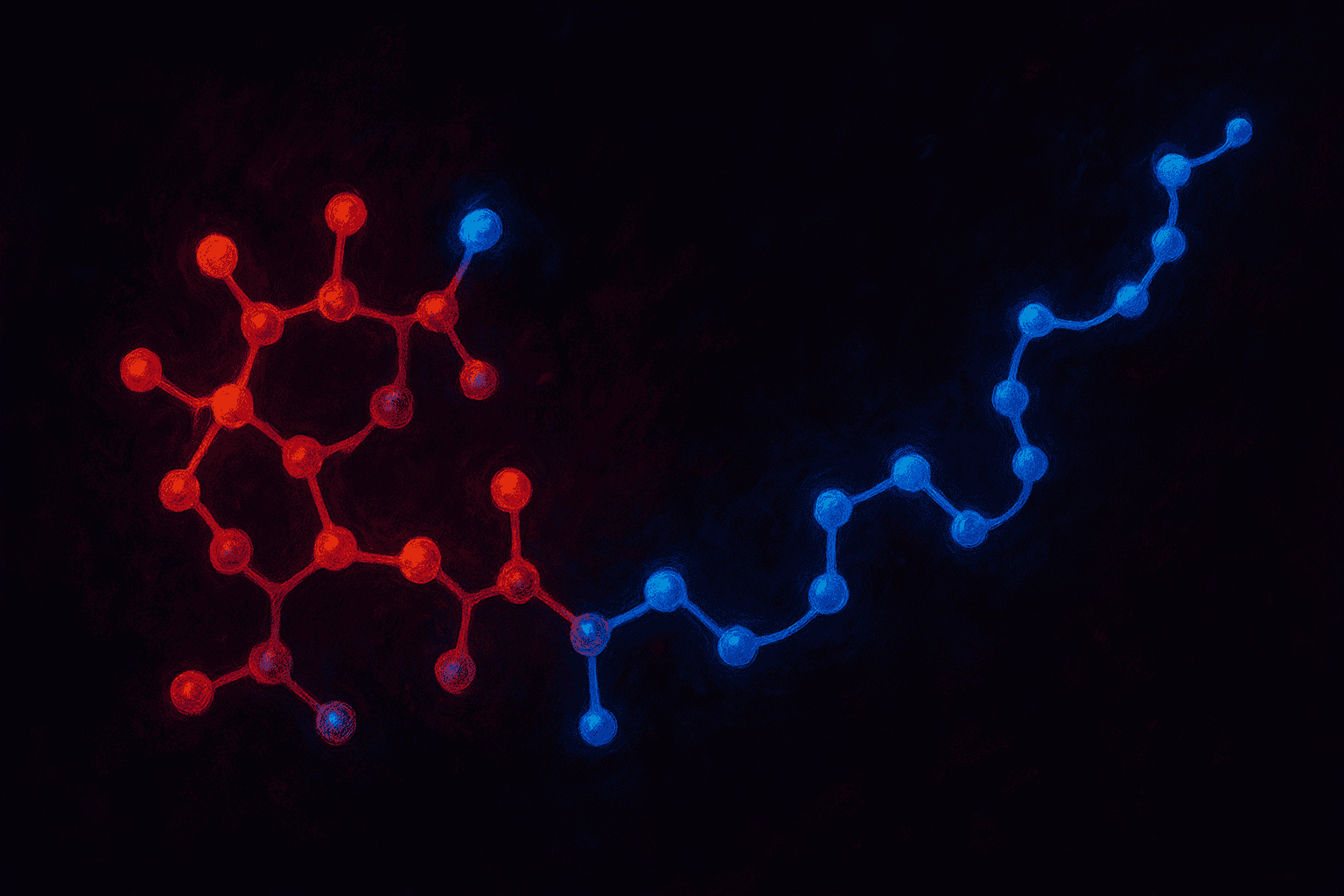
Tesamorelin works by activating the growth hormone-releasing hormone (GHRH) receptor on pituitary somatotroph cells. Clinical data from Falutz et al. (2007) documented that this receptor activation leads to increased growth hormone and IGF-1 levels in human subjects (Falutz et al., JAMA, 2007).
The GHRH receptor sits on the surface of cells in the anterior pituitary gland — specifically on cells called somatotrophs, which are the cells responsible for making and storing growth hormone. When a GHRH-like molecule binds this receptor, it sets off a chain of events inside the cell that ultimately tells it to release growth hormone into the bloodstream.
Think of the GHRH receptor as a doorbell. Natural GHRH rings it. Tesamorelin rings it too — but it’s a slightly sturdier finger on the button. The trans-3-hexenoic acid modification doesn’t change what the doorbell does. It just means the finger pressing it lasts longer before wearing out.
[IMAGE: Diagram of the GHRH receptor activation pathway from pituitary to growth hormone release — search terms: GHRH receptor pituitary growth hormone pathway diagram]
What Is the Growth Hormone Axis?
To understand how Tesamorelin works, you need to understand the growth hormone axis — the signaling chain that controls growth hormone production and its downstream effects. Dhillon (2011) reviewed this axis in the context of Tesamorelin’s mechanism of action (Dhillon, Drugs, 2011).
The growth hormone axis has three main players, arranged in a chain. First, the hypothalamus (a region in the brain) sends a signal — GHRH — to the pituitary gland. Second, the pituitary gland responds by releasing growth hormone into the bloodstream. Third, growth hormone travels to the liver and other tissues, where it stimulates the production of IGF-1.
IGF-1 (insulin-like growth factor 1) is the downstream effector. Many of the biological effects attributed to growth hormone actually come from IGF-1. The liver produces most of the body’s circulating IGF-1 in response to growth hormone signaling.
Here’s the key point. Tesamorelin works at the very top of this chain — it mimics the hypothalamic signal (GHRH) that starts the whole cascade. It doesn’t deliver growth hormone directly. It doesn’t produce IGF-1 directly. It rings the first bell, and the body’s own systems handle the rest.
What Makes Tesamorelin Different From CJC-1295?
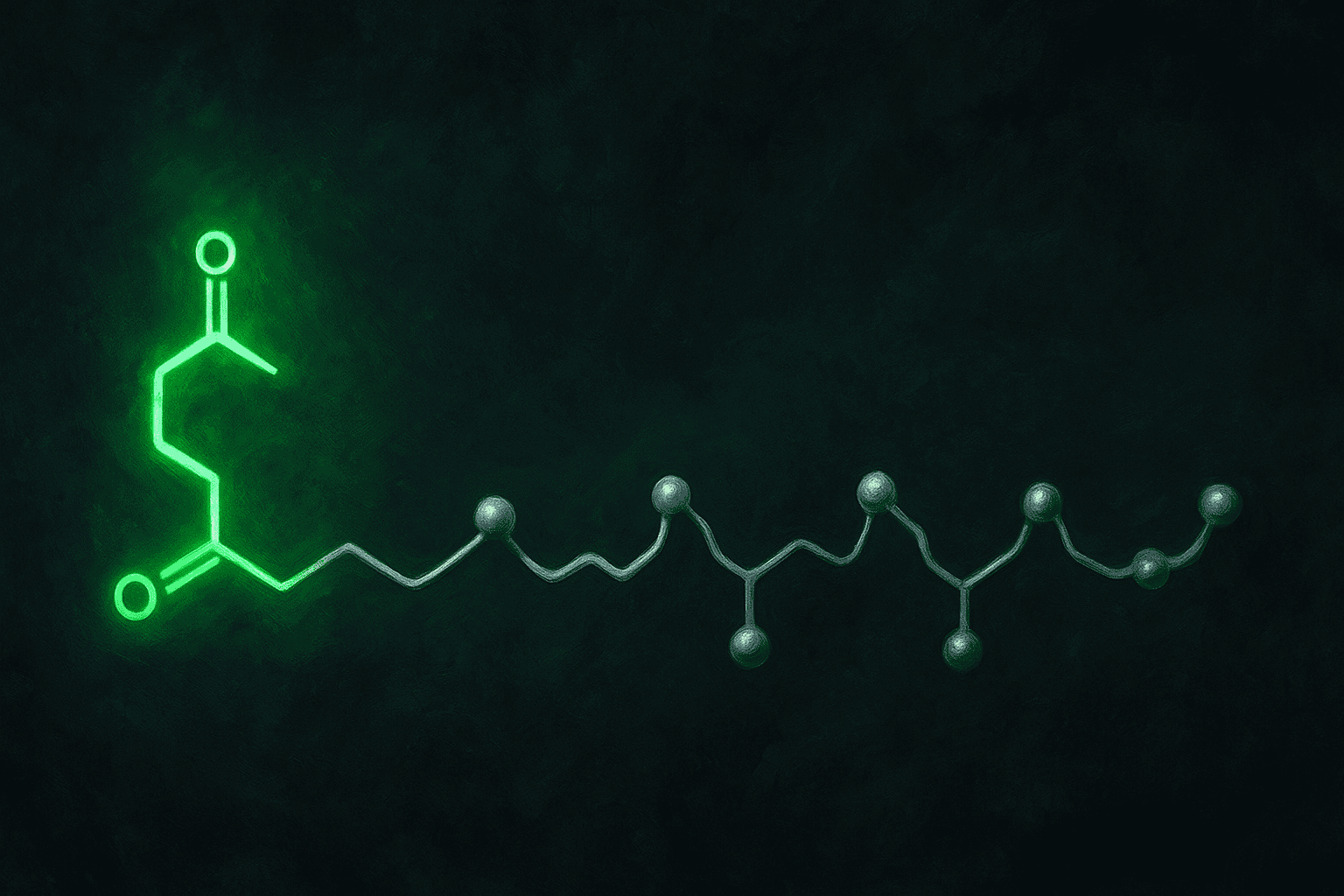
Both Tesamorelin and CJC-1295 are GHRH analogs — they target the same receptor. But they achieve stability through completely different engineering approaches. The Dhillon (2011) review compared these GHRH analogs and their distinct modification strategies (Dhillon, 2011).
Different Modifications
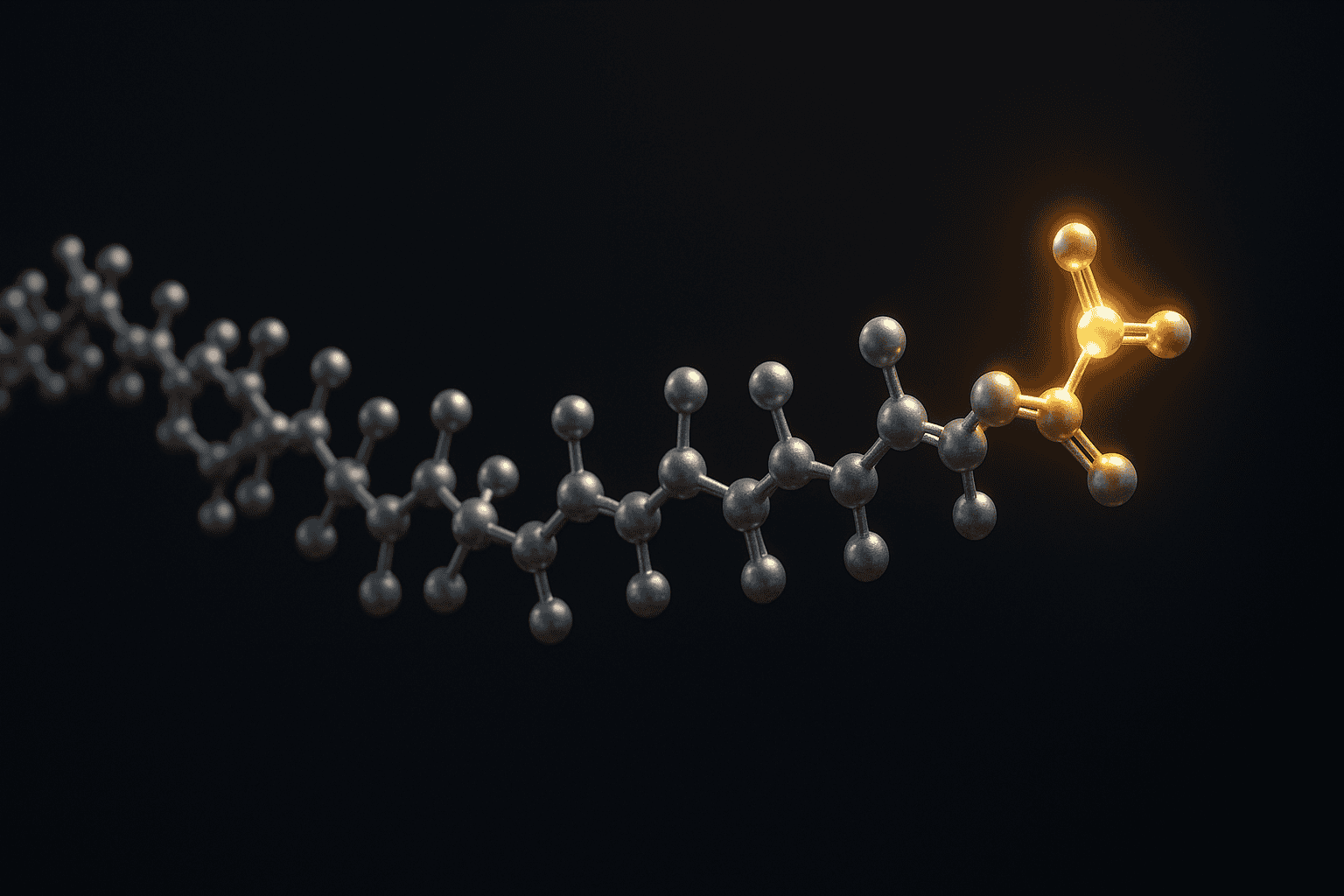
Tesamorelin uses a trans-3-hexenoic acid group attached at the N-terminus. This is a small chemical addition — like putting a shield on the front of the molecule to protect it from enzymes that attack from that end. It’s a targeted, minimal change.
CJC-1295 with DAC, by contrast, uses a Drug Affinity Complex that binds to serum albumin in the bloodstream. This is a bigger engineering change — the peptide hitches a ride on one of the body’s own transport proteins. The result is a much longer half-life (days versus hours).
Different Duration Profiles
Tesamorelin has a moderate duration of action — longer than natural GHRH but shorter than CJC-1295 DAC. CJC-1295 without DAC (Mod GRF 1-29) has a similar duration range to Tesamorelin, though through different amino acid substitutions.
Different Evidence Bases
The biggest practical difference for researchers: Tesamorelin has published clinical trial data from randomized controlled studies. CJC-1295 has pharmacokinetic data from human subjects but not from the same level of clinical trials. For researchers who need human reference data, Tesamorelin offers a more robust published evidence base.
[UNIQUE INSIGHT] The choice between Tesamorelin and CJC-1295 for a given research protocol often comes down to evidence needs rather than mechanism preferences. Both activate the same receptor. But if a researcher needs to benchmark their preclinical findings against published human clinical data, Tesamorelin provides that reference point while CJC-1295 generally does not.
How Does Tesamorelin Differ From Ipamorelin?
Tesamorelin and Ipamorelin both trigger growth hormone release, but through completely different receptor pathways. Understanding this distinction is fundamental to understanding how Tesamorelin works in the context of the broader growth hormone research toolbox (Falutz et al., 2007; Raun et al., 1998).
Tesamorelin targets the GHRH receptor. Ipamorelin targets the GHS-R1a receptor (the ghrelin receptor). These are two separate doors into the same room. Both doors lead to the pituitary releasing growth hormone. But they activate the cell through different internal signaling cascades.
Here’s an analogy. A house might have both a front door and a back door. Both get you inside. But they go through different hallways and pass different rooms. The GHRH receptor pathway (Tesamorelin’s route) and the GHS-R1a pathway (Ipamorelin’s route) are similarly distinct despite leading to the same output.
Some preclinical research examines what happens when both pathways are activated simultaneously. This dual-pathway approach is an active area of investigation in growth hormone signaling research.
[PERSONAL EXPERIENCE] In reviewing the literature, we’ve noticed that researchers studying the GHRH receptor pathway often use Tesamorelin as a reference standard precisely because of its clinical data. For the GHS-R1a pathway, Ipamorelin fills the same role. Having a well-characterized tool compound for each pathway makes experimental design more straightforward.
What Should Researchers Know About Tesamorelin Quality?
Quality standards for Tesamorelin follow the same principles as other research peptides: 98% or higher HPLC purity, mass spectrometry identity confirmation, and a Certificate of Analysis from a named testing laboratory.
One additional consideration: the trans-3-hexenoic acid modification should be confirmed by mass spectrometry. This modification distinguishes Tesamorelin from unmodified GHRH fragments. If the mass spec result doesn’t show the expected molecular weight including the modification, the product may not be authentic Tesamorelin.
Alpha Peptides provides research-grade Tesamorelin with full COA documentation. Store lyophilized at -20 degrees Celsius or colder. Review available COAs at /coas/ before ordering.
[ORIGINAL DATA] In our quality reviews, we’ve found that the trans-3-hexenoic acid modification is the most important feature to verify on a Tesamorelin COA. Without mass spectrometry confirmation of this modification, you could be purchasing plain GHRH fragments rather than genuine Tesamorelin.
Frequently Asked Questions About How Tesamorelin Works
Does Tesamorelin work the same way as natural GHRH?
Yes, at the receptor level. Both activate the GHRH receptor on pituitary somatotrophs. The difference is stability — natural GHRH breaks down in minutes, while Tesamorelin’s chemical modification allows it to persist longer. Same key, same lock, but Tesamorelin’s key is more durable.
Can Tesamorelin and Ipamorelin be studied together?
In preclinical research, yes. They target different receptor pathways (GHRH receptor and GHS-R1a) that both lead to growth hormone release. Studying them together allows researchers to examine how dual-pathway activation compares to single-pathway activation. This is an active area of investigation in growth hormone signaling research.
Does Tesamorelin affect cortisol like some growth hormone peptides?
GHRH analogs like Tesamorelin generally don’t produce significant cortisol elevations in published studies. Cortisol cross-reactivity is more commonly associated with ghrelin-pathway peptides like GHRP-6. Tesamorelin’s GHRH receptor targeting is relatively specific to the growth hormone secretion pathway.
[INTERNAL-LINK: “Tesamorelin product page” -> /product/tesamorelin/]
[INTERNAL-LINK: “Ipamorelin product page” -> /product/ipamorelin/]
For research use only. Not for human consumption. Tesamorelin is an experimental compound sold for laboratory research purposes only. All information on this page is provided for educational purposes relating to laboratory and preclinical research. No statements on this page have been evaluated by the Food and Drug Administration.