
· For research use only. Not for human consumption.
For research use only. Not for human consumption.
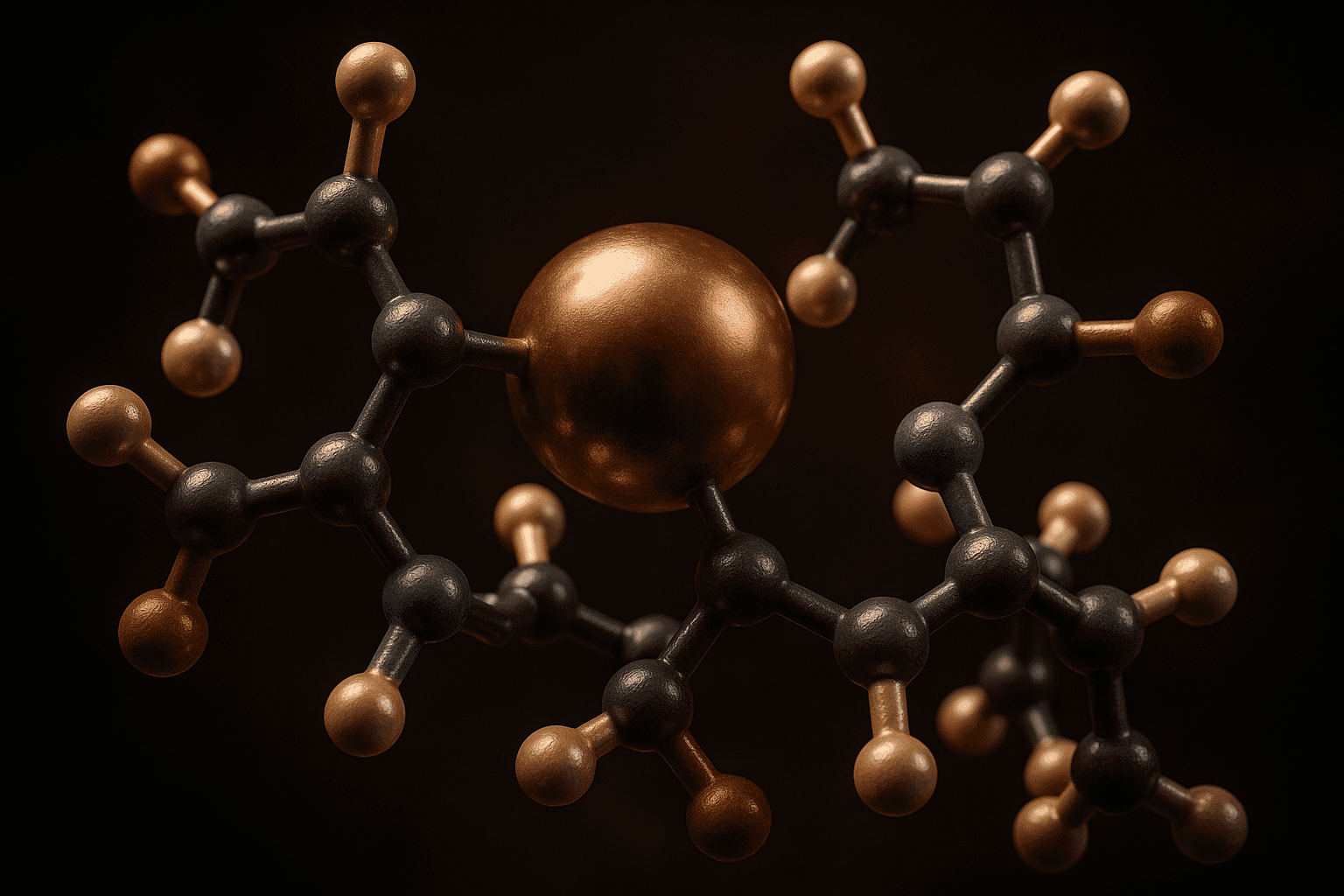
You know that GHK-Cu is a tiny three-amino-acid peptide carrying a copper atom. But how GHK-Cu works — the actual mechanism that makes it interesting to researchers — is a story about metal delivery, enzyme activation, and gene expression. And it’s more surprising than you might expect from such a small molecule.
The key to understanding how GHK-Cu works is copper itself. Copper is an essential mineral involved in dozens of enzymatic processes. GHK-Cu acts as a delivery vehicle for this metal, carrying it through biological systems and releasing it where it’s needed. Research reviewed by Pickart and Margolina in the journal Life (2018) documented GHK-Cu’s interactions with over 4,000 genes in preclinical models — a remarkable scope for a molecule with just three amino acids.
This article explains the mechanisms researchers have uncovered. For an introduction to what GHK-Cu is, start with our beginner’s guide to GHK-Cu.
[INTERNAL-LINK: “beginner’s guide to GHK-Cu” → introductory GHK-Cu post]
TL;DR: GHK-Cu works primarily by delivering copper to biological systems and influencing gene expression. Research by Pickart & Margolina (2018) documented its interactions with over 4,000 human genes in preclinical studies — making this three-amino-acid peptide one of the most broadly active small molecules in research.
How Does GHK-Cu Work at the Molecular Level?
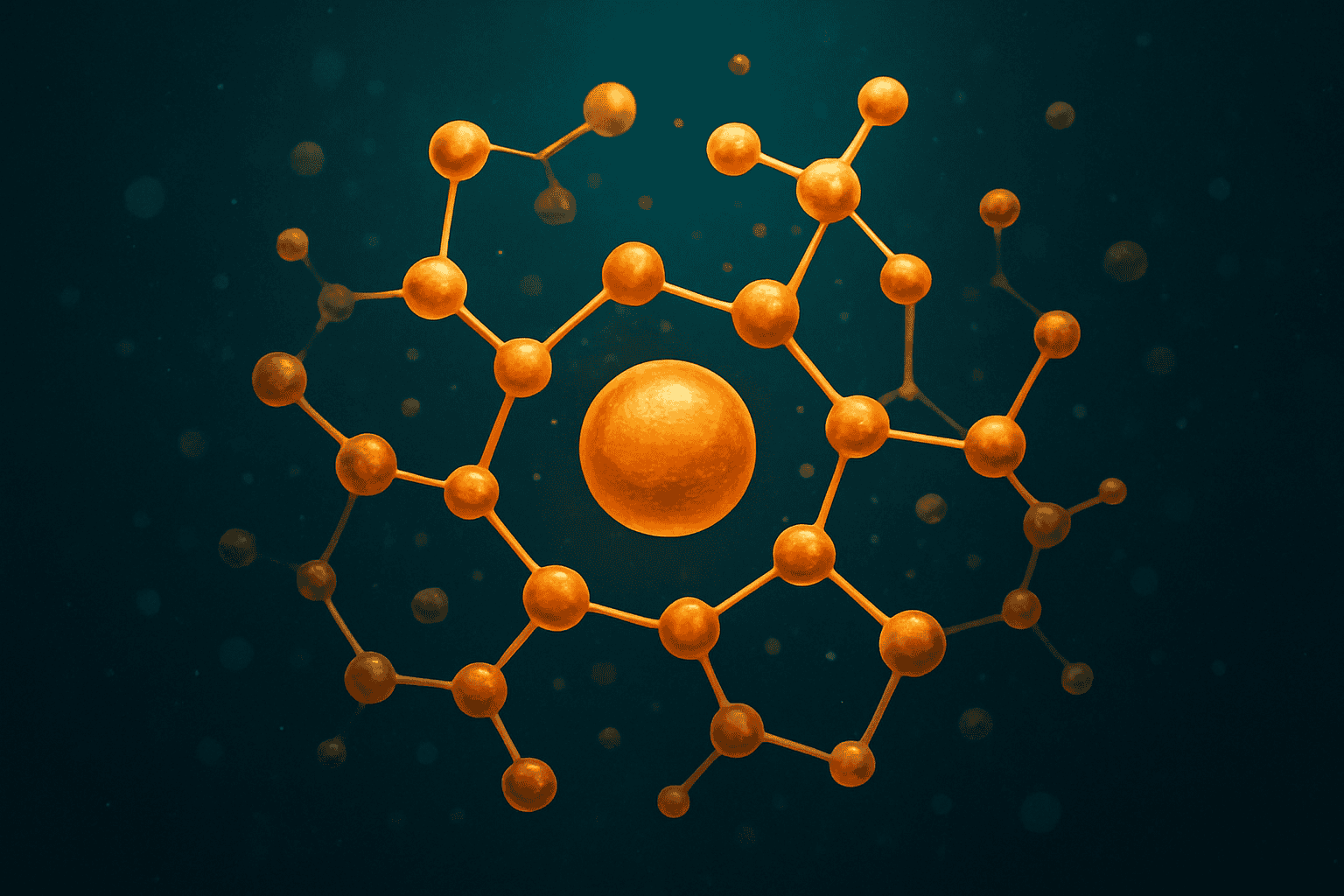
The mechanism of how GHK-Cu works begins with its copper-binding properties. According to a comprehensive review by Pickart in the International Journal of Cosmetic Science (2008), GHK-Cu binds copper(II) ions with an affinity that strikes a critical balance. It holds copper tightly enough to prevent free copper from causing oxidative damage. But it holds it loosely enough to release it to copper-dependent enzymes that need it.
Here’s an analogy. Think of copper as a powerful but dangerous raw material — like gasoline. You wouldn’t want gasoline sloshing around freely in your garage. You’d want it in a container (a gas can) that keeps it safe during transport but lets you pour it out when you need to fill the lawn mower. GHK-Cu is that container for copper.
This copper delivery function is GHK-Cu’s most fundamental mechanism. But it’s not the whole story. The peptide also appears to influence gene expression — the process by which cells decide which genes to turn on and off.
Copper-Dependent Enzymes
Copper is required by a family of enzymes called cuproenzymes. These molecular machines can’t function without copper — it’s built right into their structure. Examples include superoxide dismutase (SOD), which plays a role in managing reactive oxygen species, and lysyl oxidase, which is involved in connective tissue structure.
When GHK-Cu delivers copper to these enzymes, it’s essentially providing the missing piece they need to operate. Without adequate copper delivery, these enzymes sit idle — like a car without a battery. GHK-Cu’s potential to influence these copper-dependent processes is one reason researchers find it so interesting.
The number of copper-dependent enzymes in biology is larger than most people realize. Over a dozen known enzymes require copper, and they participate in diverse biological processes including energy production, iron metabolism, and nervous system function. By influencing copper availability, GHK-Cu could potentially affect all of these processes — at least in theory.
[UNIQUE INSIGHT] Most research peptides interact with one specific receptor or pathway. GHK-Cu’s copper delivery mechanism gives it a fundamentally different profile — it influences any process that depends on copper availability. This upstream position in biology makes its effects unusually broad and difficult to pin down to a single outcome.
GHK-Cu functions as a copper delivery vehicle, providing the essential metal ion to cuproenzymes including superoxide dismutase and lysyl oxidase. Research by Pickart (International Journal of Cosmetic Science, 2008) documented this copper-binding mechanism and its relationship to copper-dependent biological processes in preclinical models.
What Does GHK-Cu’s Gene Expression Research Show?
Perhaps the most surprising aspect of how GHK-Cu works is its apparent influence on gene expression. Genes are like instruction manuals stored inside every cell. Gene expression is the process of reading those manuals — turning specific genes “on” to produce proteins or “off” to silence them. Think of it like a massive library with thousands of books: gene expression determines which books get read today.
In 2018, Pickart and Margolina published a landmark review (Life, 2018) examining GHK-Cu’s interactions with gene expression using microarray data from preclinical studies. They documented that GHK-Cu appeared to interact with over 4,000 human genes — roughly one-sixth of the entire human genome.
That number sounds almost too large to be real. How can a three-amino-acid peptide influence thousands of genes? The answer likely comes back to copper. Because copper is involved in so many fundamental biological processes, a molecule that delivers copper effectively could trigger cascading effects across many systems. It’s not that GHK-Cu directly touches 4,000 genes — it’s that the copper it delivers participates in processes that ultimately affect the activity of many genes.
Gene Expression in Simple Terms
If the gene expression concept feels abstract, here’s a simpler way to think about it. Every cell in your body has the same DNA — the same complete set of instruction manuals. But a liver cell reads different instructions than a nerve cell. Gene expression is the process of selecting which instructions to follow.
Imagine a house with a hundred light switches. Gene expression is like flipping certain switches on and others off, creating a specific pattern. GHK-Cu appears to influence the pattern — not by physically flipping switches, but by providing copper to the systems that control the switches. Change the copper availability, and the pattern shifts.
How Is GHK-Cu Different from Other Copper Compounds?
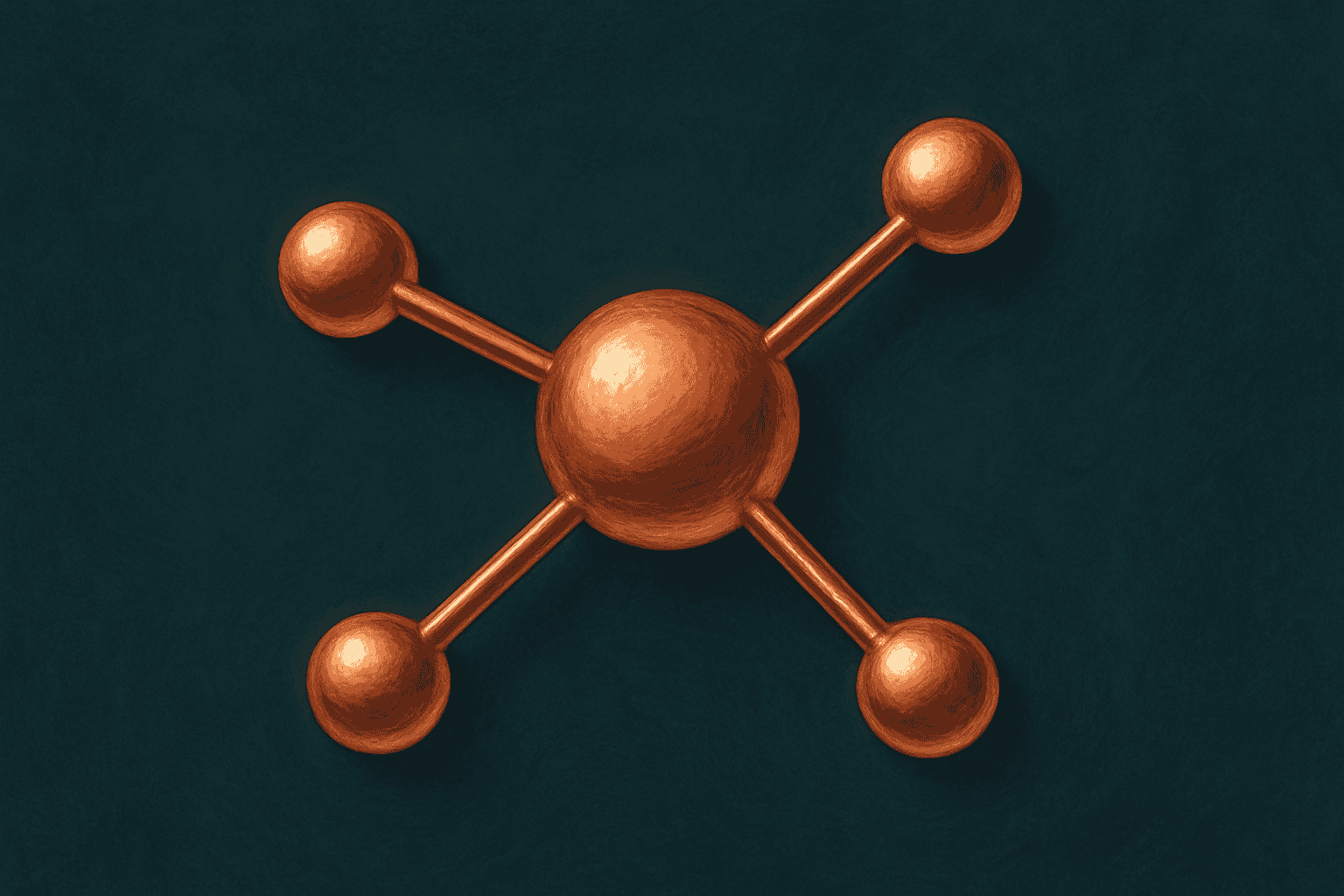
You might wonder: why not just use copper sulfate or another simple copper compound? Why do you need a peptide to deliver copper? Good question. The answer has to do with bioavailability and specificity.
Free copper ions are reactive. They can generate harmful reactive oxygen species through Fenton-like chemistry. Simply flooding a system with free copper isn’t useful — it causes more problems than it solves. GHK-Cu provides a controlled delivery mechanism. The peptide moderates the release, providing copper in a biologically compatible form.
Additionally, GHK-Cu may have biological activities beyond simple copper delivery. The tripeptide portion itself — glycine-histidine-lysine — could interact with cellular systems independently. Some researchers have investigated whether the peptide component has its own signaling properties, separate from its copper-carrying role. This is an active area of investigation.
[IMAGE: Diagram showing GHK-Cu delivering copper to a cuproenzyme — search terms: copper delivery enzyme activation biology simple diagram]
What Are the Main Research Applications for GHK-Cu?
Because how GHK-Cu works involves such a fundamental mechanism — copper delivery — its research applications span several biological domains.
Copper biology: Researchers studying copper metabolism and copper-dependent enzymes use GHK-Cu as a tool to investigate how cells process and utilize this essential metal.
Gene expression studies: The microarray data documented by Pickart & Margolina (2018) opened up research into how metal-peptide complexes influence broad gene expression patterns.
Oxidative stress models: Because copper-dependent enzymes like SOD play roles in managing reactive oxygen species, GHK-Cu has been examined in preclinical oxidative stress models.
All of these applications use GHK-Cu strictly in laboratory and preclinical settings. The peptide has no FDA-approved applications. Alpha Peptides provides research-grade GHK-Cu with batch-specific COA documentation for laboratory use. Browse our full catalog for related research compounds.
[INTERNAL-LINK: “full catalog” → /shop/]
Frequently Asked Questions About How GHK-Cu Works

Does GHK-Cu only work because of the copper?
Copper delivery is GHK-Cu’s most well-characterized mechanism. However, some researchers have investigated whether the tripeptide portion (glycine-histidine-lysine) has independent biological activity. The full picture likely involves both the peptide and the metal working together. Further research is needed to fully separate these contributions.
How can a three-amino-acid peptide affect thousands of genes?
GHK-Cu likely doesn’t interact with 4,000 genes directly. Instead, the copper it delivers participates in fundamental biological processes that create cascading downstream effects. Think of it like dropping a pebble into a pond — the pebble is small, but the ripples reach everywhere. The 4,000-gene figure from Pickart & Margolina (2018) represents the total scope of those ripples.
Is GHK-Cu stable for laboratory storage?
Yes. As a lyophilized (freeze-dried) powder, GHK-Cu is stable when stored at -20 degrees Celsius. Its copper complex remains intact under proper storage conditions. You can verify stability and purity through the COA provided with each batch. Once reconstituted, store at 2-8 degrees Celsius and use within a reasonable timeframe.
For research use only. Not for human consumption. GHK-Cu is an experimental compound with no FDA-approved therapeutic applications. All information on this page is provided for educational purposes relating to laboratory and preclinical research.