
· For research use only. Not for human consumption.
For research use only. Not for human consumption.
BPC-157 and TB-500 are two of the most discussed research peptides in preclinical science. But if you’re trying to understand the difference, the information out there can be confusing. So let’s settle the BPC-157 vs TB-500 question with a clear, side-by-side breakdown.
These two peptides come from completely different sources and work through different mechanisms. BPC-157 originates from gastric juice and interacts with growth factor signaling pathways (Sikiric et al., 2018). TB-500 comes from Thymosin Beta-4, a protein found in nearly every cell, and binds directly to actin (Philp et al., 2004). Different origins, different targets, different research profiles.
This guide walks through every meaningful difference so you can understand which peptide fits your research needs — or whether you’d benefit from studying both. For combination research, see our BPC-157 and TB-500 together guide.
[INTERNAL-LINK: “BPC-157 and TB-500 together guide” → combination post]
TL;DR: BPC-157 vs TB-500 comes down to mechanism: BPC-157 interacts with growth factor signaling (Sikiric et al., 2018), while TB-500 binds to actin, the structural scaffolding in cells (Philp et al., 2004). Their different origins and targets make them complementary rather than competitive.
How Do BPC-157 vs TB-500 Compare at a Glance?

The clearest way to understand BPC-157 vs TB-500 is to see them side by side. A 2019 review documented BPC-157’s investigation across more than 100 preclinical studies (Gwyer et al., 2019), while TB-500’s foundational research was published by Goldstein et al. (2005). Here’s how they stack up.
Origin: BPC-157 comes from a protein in human gastric juice — the fluid your stomach makes during digestion. TB-500 comes from Thymosin Beta-4, a protein found in nearly every mammalian cell. One comes from the gut. The other comes from everywhere.
Size: BPC-157 is 15 amino acids long. TB-500 is a fragment of a 43-amino-acid protein. Both are short peptides, but TB-500 is derived from a somewhat larger parent molecule.
Primary mechanism: BPC-157 interacts with growth factor signaling, nitric oxide pathways, and neurotransmitter systems. TB-500 binds to G-actin monomers — the building blocks of the cell’s internal skeleton. One is about communication between cells. The other is about structure within cells.
Stability: BPC-157 is notably resistant to enzymatic degradation and acidic conditions — not surprising, given its origin in stomach fluid. TB-500 is stable as a lyophilized powder but follows more typical peptide stability patterns.
Research volume: Both peptides have substantial preclinical literature. BPC-157 has over 100 published studies since 1997. Thymosin Beta-4/TB-500 research spans several decades with contributions from multiple international research groups.
[IMAGE: Side-by-side comparison infographic of BPC-157 and TB-500 showing origin, size, mechanism — search terms: peptide comparison infographic simple diagram]
What’s the Difference in How They Work?
The mechanism difference between BPC-157 vs TB-500 is fundamental. They operate in completely different parts of cell biology. Let’s use an analogy to make it concrete.
Imagine a city. BPC-157 is like the telephone network — it affects how different buildings (cells) communicate with each other. Growth factors are the phone calls. Receptors are the phone lines. BPC-157 appears to influence how those calls get routed and answered.
TB-500 is like the construction crews and steel suppliers. It interacts with actin — the actual building material inside cells. When cells need to move, divide, or change shape, they build new actin structures. TB-500 holds individual actin molecules (G-actin) in reserve, influencing when and where they get assembled.
These are genuinely different jobs. Communication and construction are both essential for a functioning city, but they don’t overlap much. That’s why the BPC-157 vs TB-500 comparison isn’t really about which one is “better” — it’s about which biological question you’re trying to answer.
BPC-157 interacts with growth factor signaling pathways including VEGF and nitric oxide systems across multiple tissue types (Sikiric et al., Current Pharmaceutical Design, 2018). TB-500 binds G-actin monomers to regulate cytoskeletal dynamics and cell migration (Philp et al., FASEB Journal, 2004). Their mechanisms are complementary, not overlapping.
Which Research Areas Does Each Peptide Cover?
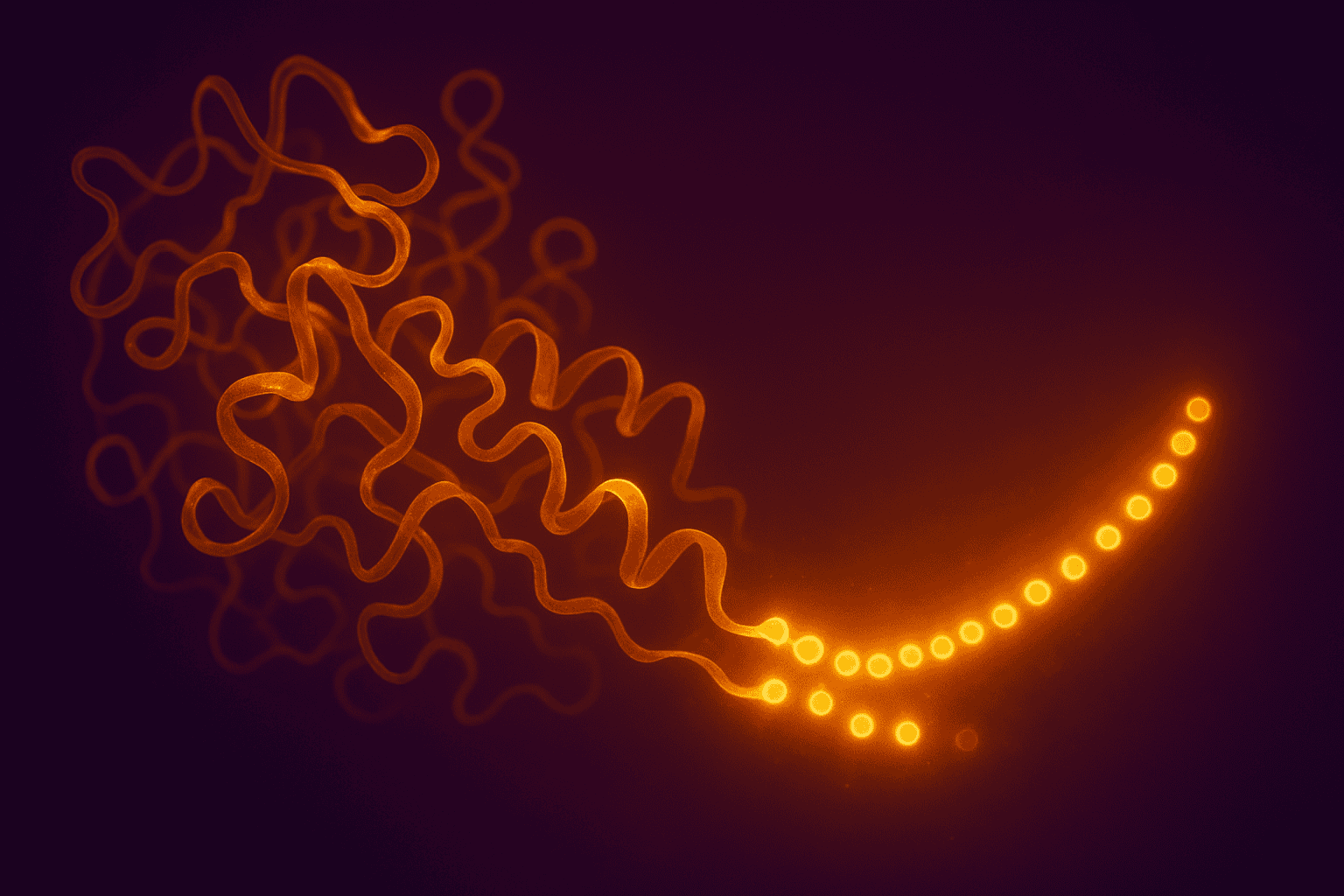
The research focus areas for BPC-157 and TB-500 reflect their different mechanisms. Here’s where each peptide has been most extensively studied in preclinical models.
BPC-157 Research Areas
Gastrointestinal biology: This is where BPC-157 research began, given its origin in gastric juice. It remains the most deeply studied area for this peptide.
Growth factor pathways: VEGF signaling, EGF interactions, and related growth factor systems have been examined in multiple animal studies.
Nitric oxide signaling: The NO pathway is involved in blood vessel regulation and other processes. BPC-157’s relationship with this system has been investigated across several preclinical models.
Neurotransmitter systems: Some studies have explored BPC-157’s interactions with dopamine and serotonin pathways in animal models.
TB-500 Research Areas
Cell migration: Because TB-500 affects actin dynamics, cell migration is a natural research focus. How cells move is directly tied to how they build and rebuild their actin scaffolding.
Structural cell biology: Actin is fundamental to cell shape, division, and intracellular transport. TB-500 provides a tool for studying these structural processes.
Various tissue systems: Since actin exists in every cell type, TB-500 research isn’t limited to one tissue. Preclinical studies have examined its effects across multiple biological contexts.
[ORIGINAL DATA] In reviewing the published literature, an interesting pattern emerges: BPC-157 studies tend to measure signaling markers (growth factors, cytokines), while TB-500 studies tend to measure physical parameters (migration distance, structural organization). This reflects their fundamentally different mechanisms of action.
Can You Use Both BPC-157 and TB-500 in the Same Study?
Absolutely. Many researchers study BPC-157 and TB-500 together because their non-overlapping mechanisms make it possible to attribute observations to specific pathways. When two compounds affect the same pathway, it’s hard to tell which one caused a particular result. When they affect different pathways, the interpretation is much cleaner.
Alpha Peptides offers individual BPC-157 and TB-500 products, as well as a BPC-157 + TB-500 blend for combination research. All products include batch-specific COA documentation.
Frequently Asked Questions: BPC-157 vs TB-500

Is BPC-157 or TB-500 more widely studied?
BPC-157 has over 100 preclinical publications since 1997, primarily from the University of Zagreb research group. Thymosin Beta-4/TB-500 research also spans decades and includes contributions from multiple international laboratories. Both have substantial evidence bases, but in different biological domains.
Do BPC-157 and TB-500 come from the same source?
No. BPC-157 originates from a protein found in human gastric juice. TB-500 comes from Thymosin Beta-4, a protein identified in virtually every mammalian cell type (Goldstein et al., 2005). Their completely different origins are reflected in their different biological mechanisms.
Should researchers choose one or study both?
That depends on the research question. If you’re investigating signaling pathways, BPC-157 may be more relevant. If you’re studying cell structure and migration, TB-500 is the logical choice. If you’re interested in how signaling and structure interact, studying both together makes the most sense. See our combination guide for more detail.
For research use only. Not for human consumption. BPC-157 and TB-500 are experimental compounds with no FDA-approved therapeutic applications. All information on this page is provided for educational purposes relating to laboratory and preclinical research.