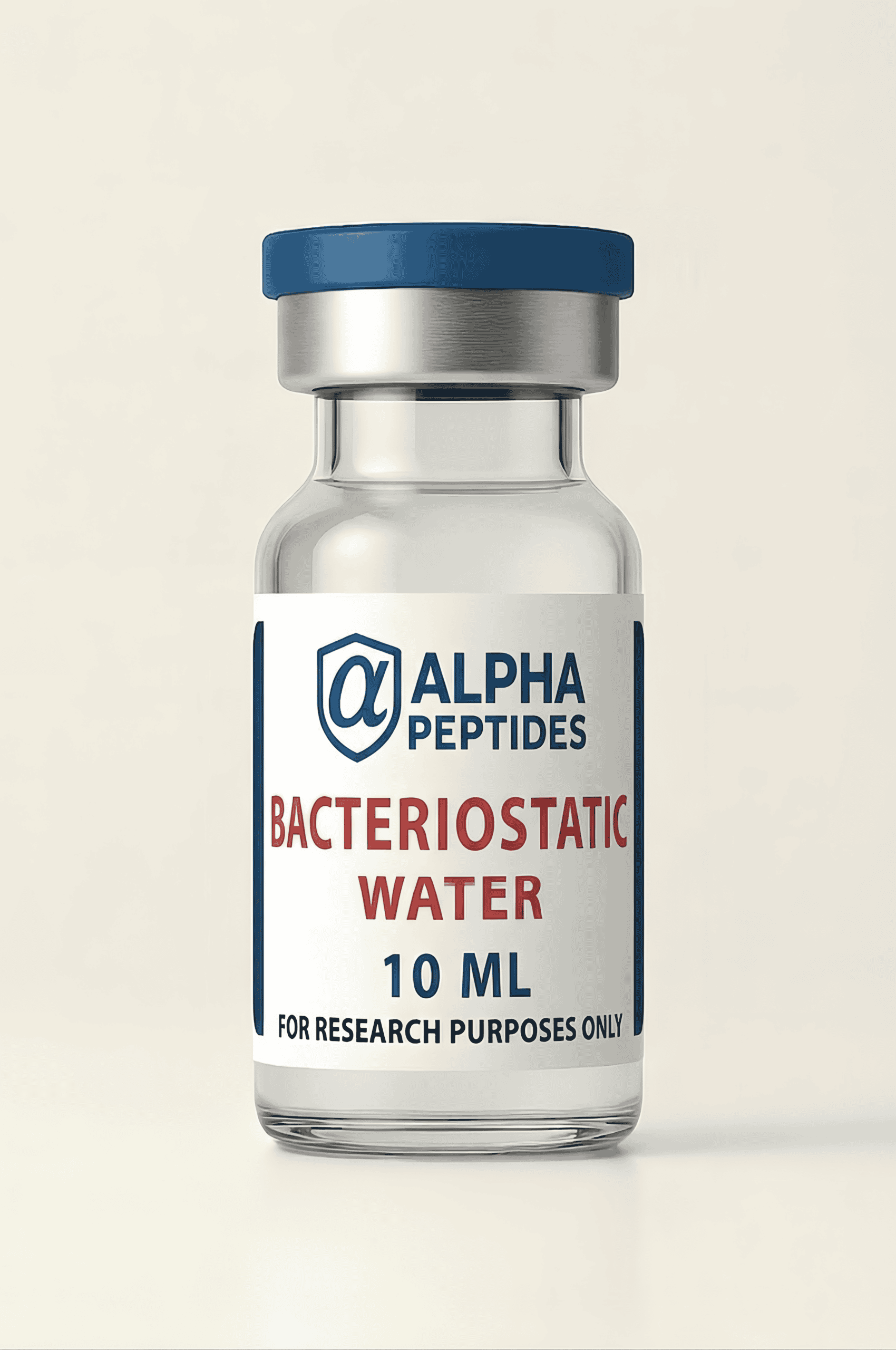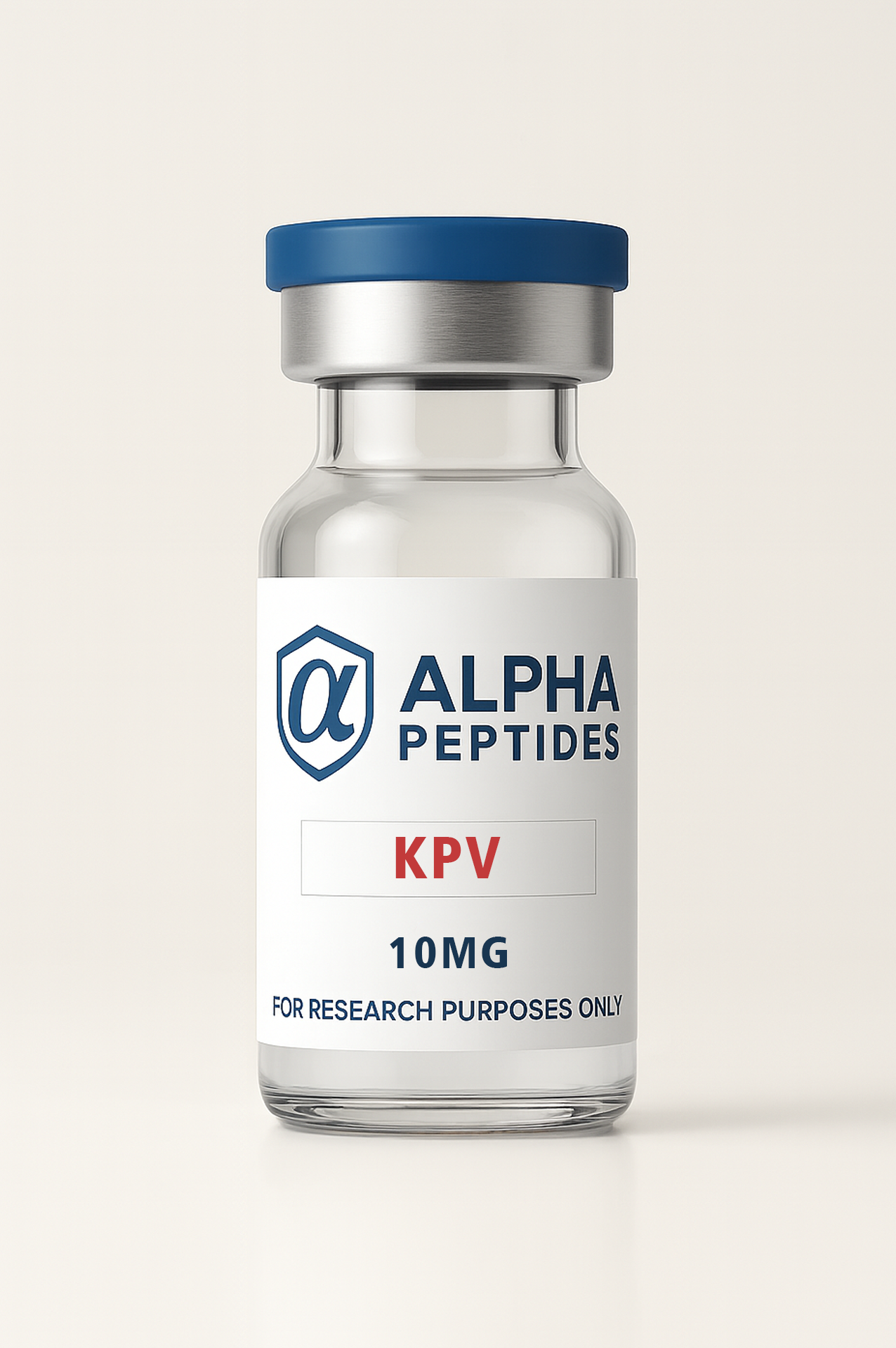

· For research use only. Not for human consumption. HPLC purity COA peptide supplier research provides key insights for laboratories.
For research use only. Not for human consumption.
Key Takeaways:
- HPLC purity COA documentation from a qualified peptide supplier represents three distinct but interdependent layers of research integrity: analytical testing, formal certification, and physical handling.
- HPLC testing produces an exact purity percentage by separating and quantifying each molecular component in the sample.
- A Certificate of Analysis links analytical data to a specific batch — it is a legal and scientific record, not a marketing document.
- Cold chain shipping prevents thermal degradation between the warehouse and the delivery point.
- Alpha Peptides implements all three pillars on every order shipped from Derry, NH.

When researchers evaluate an HPLC purity COA peptide supplier, they are really asking three separate questions: Is the compound pure? Is that purity documented and verifiable? Did the compound arrive in a condition consistent with that documentation? These three questions correspond to three operational pillars — analytical testing, certificate documentation, and cold chain shipping. Alpha Peptides (alpha-peptides.com), operated by ALPHAPEP LLC in Derry, NH, structures its quality process around all three. This post explains each pillar and how it functions in practice.
Batch-specific COAs for all compounds are available at alpha-peptides.com/coas/. The full product catalog is accessible at alpha-peptides.com/shop/.
Pillar 1: HPLC Purity Testing — What It Is and Why 98%+ Matters: HPLC purity COA peptide supplier
High-performance liquid chromatography (HPLC) is an analytical separation technique in which a dissolved sample is pumped under pressure through a column packed with a stationary phase material. Different components of the mixture interact differently with the stationary phase and travel through the column at different velocities. A UV detector at the column exit records the signal over time, producing a chromatogram — a series of peaks, each corresponding to a molecular component in the sample.
Purity is calculated as the area of the target compound’s peak divided by the total area of all detected peaks, expressed as a percentage. This is a quantitative measurement, not an estimation. A compound reporting 98.6% HPLC purity means that 98.6% of UV-absorbing material in the sample is the target peptide.
| Purity Level | Implication for Research | Alpha Peptides Threshold |
|---|---|---|
| < 95% | High impurity load; confounds results | Not released |
| 95–97% | Marginal; impurities may affect assays | Not released |
| ≥ 98% | Accepted research grade; low impurity interference | Minimum release standard |
| ≥ 99% | High-purity grade; preferred for sensitive assays | Achieved on select compounds |
Why does the 98% threshold matter specifically? At sub-95% purity, the impurity fraction is large enough to introduce confounding signals in receptor-binding assays, cell-based studies, and other sensitive experimental formats. The 98%+ standard reduces this risk to a level that supports reliable data interpretation in preclinical research settings.
Pillar 2: Certificates of Analysis — How to Read One and What It Certifies
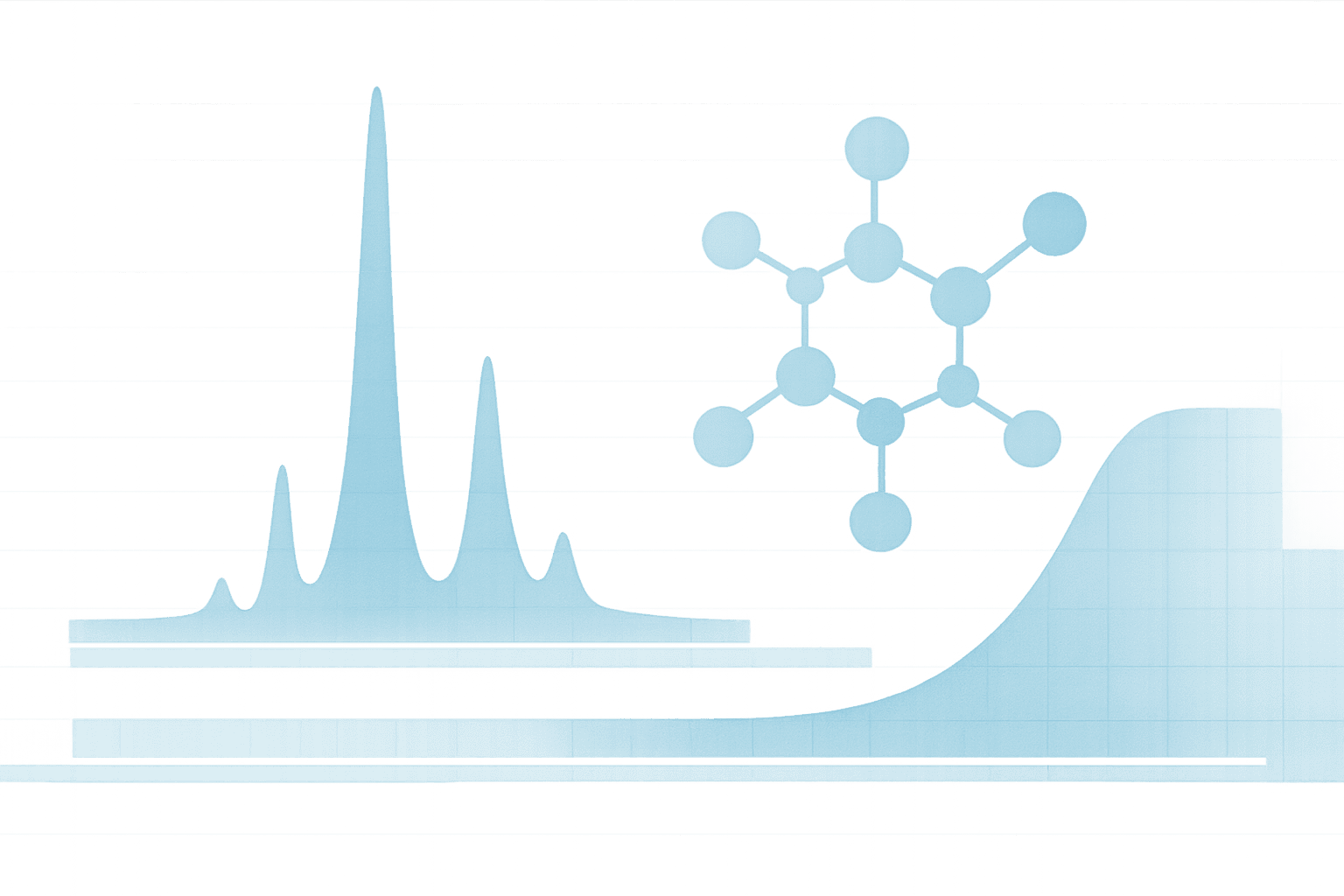
A Certificate of Analysis is a formal document that records the analytical results for a specific production batch. It is not a general statement about a compound — it is a batch-specific record that can be tied to a lot number and a specific production run.
A complete COA from a compliant HPLC purity COA peptide supplier includes:
- Compound name and CAS number — identifies the molecule
- Lot or batch number — ties the document to a specific production run
- HPLC purity result — the quantitative purity percentage with method reference
- Mass spectrometry data — observed vs. theoretical molecular weight
- Test date — establishes when analysis was performed
- Physical description — appearance, form (e.g., lyophilized white powder)
Researchers receiving an Alpha Peptides shipment can verify the COA by locating the lot number on the product label and cross-referencing it with the corresponding document at alpha-peptides.com/coas/. This provides independent verification without relying solely on the supplier’s assertion.
A COA that lacks a lot number, does not specify the analytical method, or provides a purity range rather than a specific value is not meeting the documentation standard that research integrity requires from an HPLC purity COA peptide supplier.
Pillar 3: Cold Chain Shipping — Why Temperature Matters for Peptide Stability
Peptides are susceptible to degradation under thermal stress. The peptide bond — the covalent linkage between amino acid residues — is vulnerable to hydrolysis at elevated temperatures, particularly in the presence of moisture. Even short-duration heat exposure during shipping can reduce the effective purity of a compound below its COA-certified level by the time it reaches the researcher.
Cold chain shipping addresses this risk through insulated packaging and cold pack materials sized to maintain low temperatures across anticipated transit times. Alpha Peptides ships compounds in lyophilized form where applicable, which reduces moisture-related degradation risk compared to liquid formulations, and uses cold chain packaging as a standard component of every shipment from Derry, NH — not a premium add-on.
The combination of a 98%+ HPLC-certified compound, a verifiable COA, and cold chain-protected delivery is what allows the analytical data on the certificate to remain representative of the compound as received.
Frequently Asked Questions
What is HPLC purity testing?
HPLC (high-performance liquid chromatography) purity testing is an analytical method that separates the components of a peptide sample under high pressure through a column, then quantifies each component by UV detection. The result is a specific purity percentage representing the proportion of the target compound relative to all detected material. Alpha Peptides requires a minimum 98% HPLC purity result on all compounds before release.
What is a Certificate of Analysis?
A Certificate of Analysis (COA) is a batch-specific document that records the analytical results — including HPLC purity and mass spectrometry data — for a specific production lot of a compound. It ties the purity measurement to a lot number, allowing the researcher to verify that the document corresponds to the specific batch received. Alpha Peptides COAs are available at alpha-peptides.com/coas/.
Why does cold chain matter for peptides?
Peptide bonds are susceptible to hydrolytic degradation under heat and moisture exposure. Without cold chain protection during shipping, a compound that was 98%+ pure at the time of COA certification may degrade to a lower effective purity by the time it reaches the lab. Cold chain packaging maintains the low-temperature conditions that preserve compound stability in transit.
Does Alpha Peptides use cold chain shipping?
Yes. Alpha Peptides includes cold chain packaging — insulated materials and appropriate cold packs — as a standard component of every shipment from its Derry, NH facility. This is included in standard fulfillment, not offered as a premium upgrade. Compounds are shipped in lyophilized form where applicable to further reduce moisture-related degradation risk during transit.
Disclaimer: All products sold by Alpha Peptides (alpha-peptides.com / ALPHAPEP LLC, Derry, NH) are for research use only. Not for human consumption. These products are not drugs, supplements, or medical devices. No medical claims are made or implied.