
· For research use only. Not for human consumption.
For research use only. Not for human consumption.
Setting up a peptide research laboratory for the first time can feel overwhelming. Between the equipment, the supplies, and the protocols, there is a lot to consider. This peptide research starter guide covers the essentials you need to get a basic peptide research workspace up and running, from the equipment on your bench to the documentation practices that will keep your work organized and reproducible.
Whether you are starting a new research program at an academic institution, setting up a small independent lab, or expanding an existing facility to include peptide work, getting the fundamentals right from the beginning saves time, money, and frustration down the road. Many researchers who purchase compounds from suppliers like Alpha Peptides are working in exactly this kind of environment, and having the right setup ensures that expensive research materials are used effectively.
This guide focuses strictly on laboratory research applications. It is not a guide for clinical, medical, or any non-research use.
TL;DR: A basic peptide research lab needs a -20C freezer (minimum), analytical balance, pH meter, centrifuge, proper storage containers, bacteriostatic water, appropriate labware, documentation tools, and safety equipment. Getting the fundamentals right from day one ensures reliable results and protects your investment in research compounds.
For research use only. Not for human consumption.
Peptide research starter: Temperature Control: Your Most Important Investment
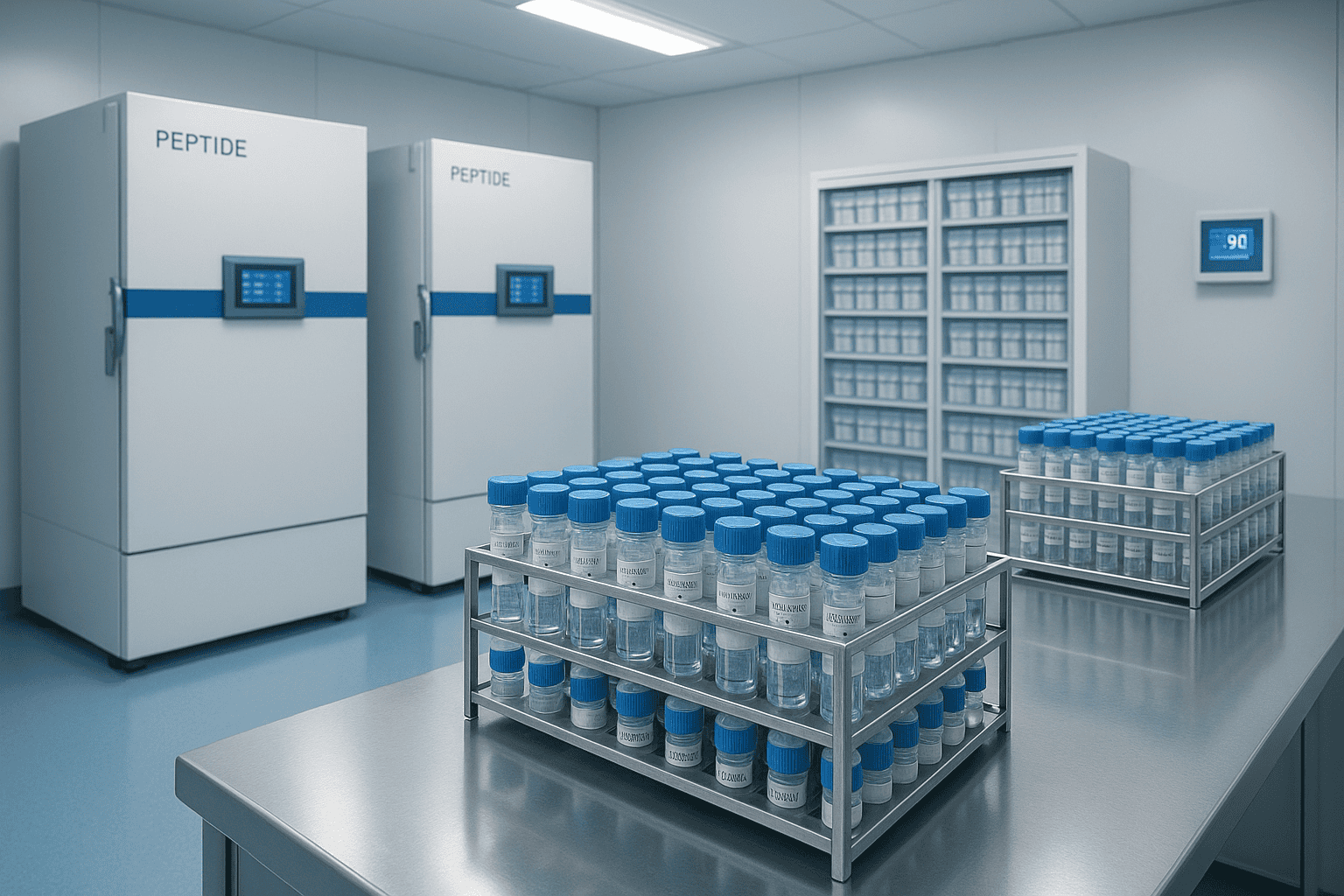
Peptides are sensitive to temperature, and proper storage is the single most important factor in maintaining compound integrity. At minimum, you need a dedicated -20 degrees Celsius freezer for long-term peptide storage. Many researchers also keep a -80 degrees Celsius freezer for particularly sensitive compounds or long-term archival storage.
A standard laboratory refrigerator (2-8 degrees Celsius) is also essential for short-term storage of reconstituted peptides and temperature-sensitive reagents. Your refrigerator and freezer should be dedicated to research materials only, not shared with food or non-research items.
Temperature monitoring is equally important. Digital thermometers with alarm functions alert you if a freezer or refrigerator drifts outside the acceptable range. Some labs use continuous temperature logging devices that record temperatures throughout the day, providing documentation that storage conditions were maintained.
When setting up your storage, organize it logically. Use clearly labeled boxes or racks, and maintain an inventory log that records what is stored where, when it was received, and when it was last accessed.
Essential Bench Equipment for Peptide Research
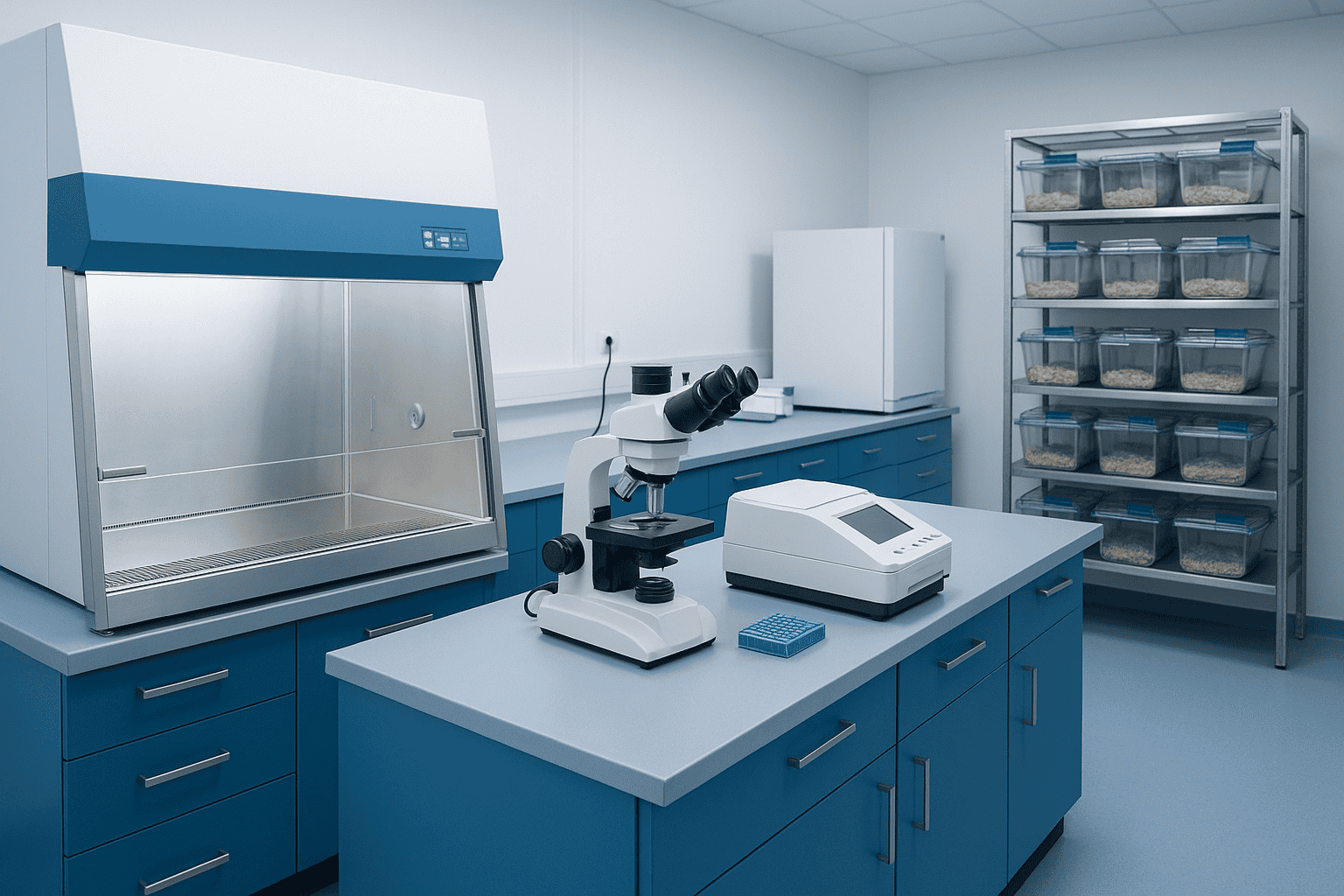
A well-equipped peptide research bench starts with an analytical balance capable of measuring down to 0.1 milligrams (0.0001 grams). Peptides are often handled in very small quantities, and precise measurement is critical for preparing accurate concentrations. A standard kitchen scale will not cut it here.
A pH meter is necessary for preparing buffers and ensuring that your solutions are at the correct acidity or alkalinity. Many peptides are sensitive to pH, and using solutions at the wrong pH can affect stability and activity. A benchtop pH meter with automatic temperature compensation is the standard choice for most laboratories.
A microcentrifuge is used to spin down samples, separate precipitates, and collect peptides that may have settled. A unit capable of reaching at least 10,000 times gravity (10,000 x g) is adequate for most peptide work.
You will also need a vortex mixer for quickly mixing solutions, a magnetic stir plate for dissolving compounds, and a set of calibrated micropipettes (ranging from 0.5 microliters to 1,000 microliters) for precise liquid handling.
Supplies and Consumables You Will Go Through
Beyond equipment, a peptide research starter setup requires a steady supply of consumables. Here are the essentials:
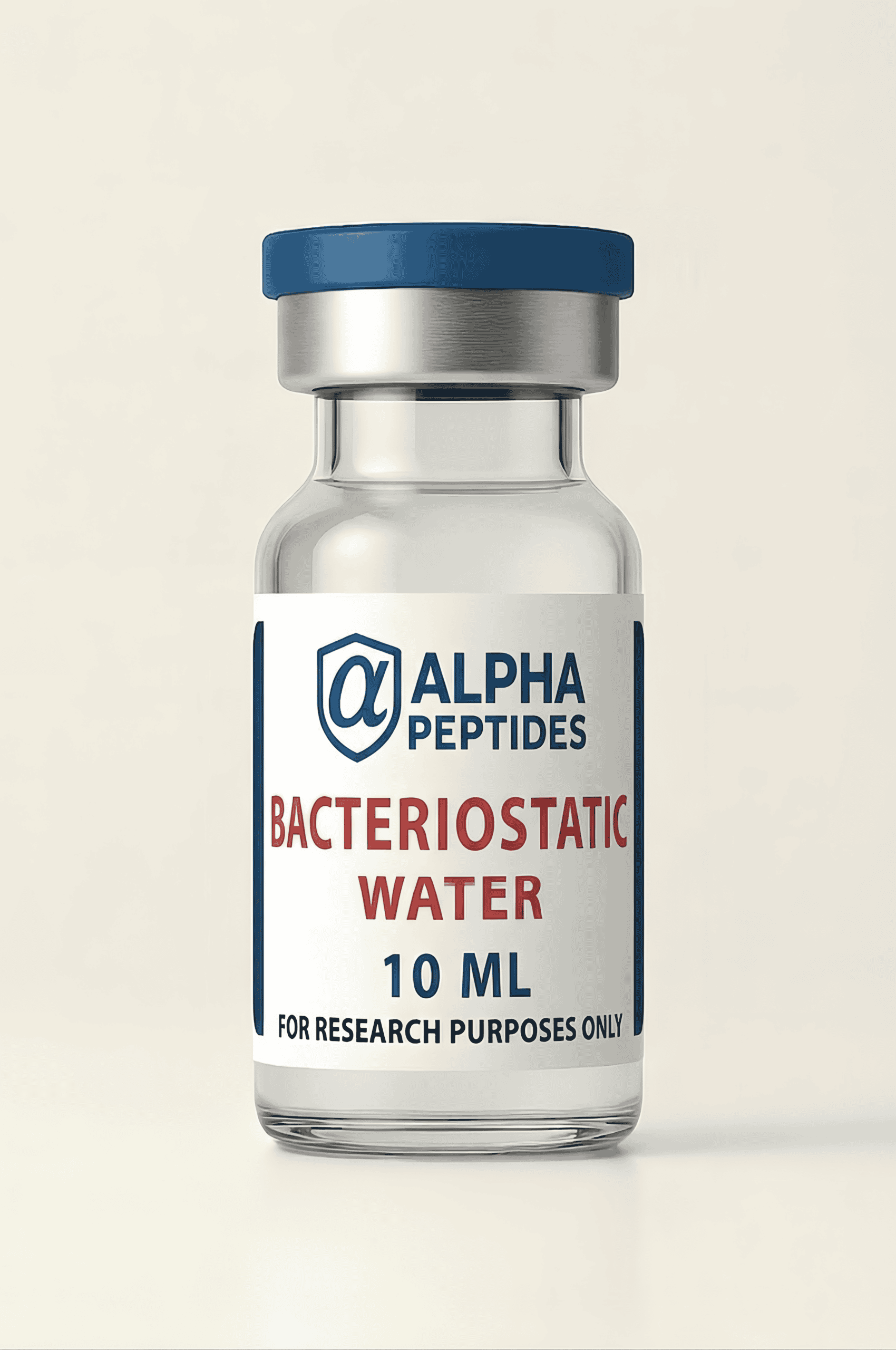
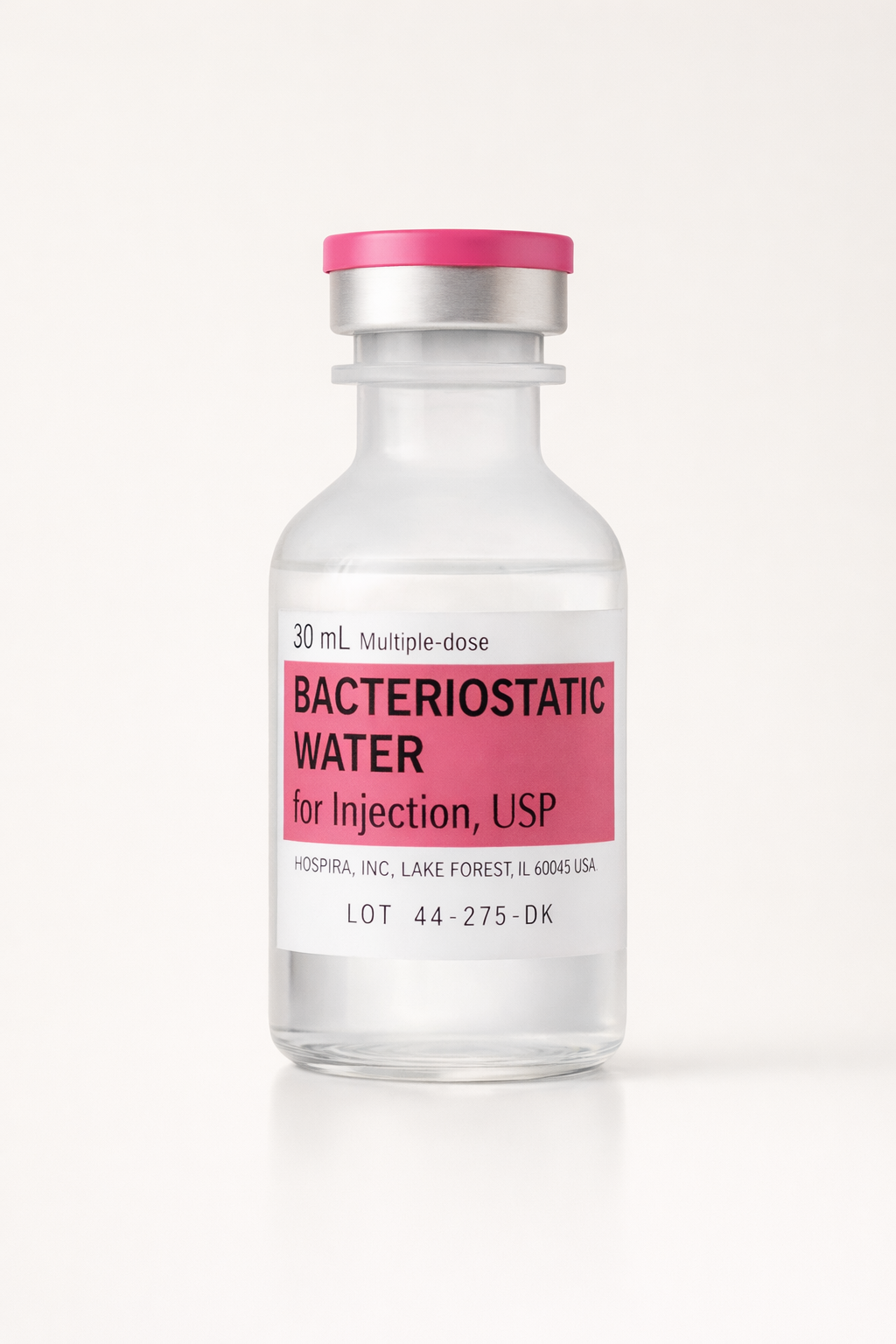
Bacteriostatic water: Used for reconstituting lyophilized (freeze-dried) peptides. Bacteriostatic water contains a small amount of benzyl alcohol that prevents bacterial growth, making it suitable for solutions that may be stored for days or weeks after preparation.
Sterile vials and tubes: Microcentrifuge tubes (1.5 mL and 0.5 mL sizes) and sterile glass vials for storing prepared solutions. Use amber vials for light-sensitive compounds.
Syringes and needles: Insulin syringes and standard laboratory syringes for transferring solutions. Various needle gauges for different viscosities and applications.
Pipette tips: Sterile, filtered tips for your micropipettes. Filtered tips prevent aerosol contamination and cross-contamination between samples.
Parafilm and aluminum foil: For sealing containers and protecting light-sensitive compounds from degradation.
Documentation: The Habit That Separates Good Labs from Great Ones
Good documentation practices are not glamorous, but they are absolutely essential. Every experiment, every preparation, and every observation should be recorded in a laboratory notebook, either physical or electronic.
At minimum, your documentation should include the date and time of each activity, the lot numbers and sources of all compounds used, the exact concentrations and volumes prepared, any deviations from standard protocols, observations during the experiment, and the results obtained.
When you receive research peptides from a supplier, record the compound name, catalog number, lot number, quantity, purity (from the Certificate of Analysis), date received, and storage location. This information is invaluable if you ever need to troubleshoot unexpected results or compare data from different batches.
Many regulatory and institutional compliance frameworks require documented chain of custody for research compounds. Starting good documentation habits from day one is much easier than trying to reconstruct records after the fact.
Safety Equipment and Protocols
Laboratory safety is non-negotiable. Your peptide research space should be equipped with the following at minimum:
Personal protective equipment (PPE): Lab coat, safety glasses or goggles, and nitrile gloves. Change gloves frequently, especially when handling different compounds.
Eyewash station and safety shower: Required by most laboratory safety regulations. These should be accessible within 10 seconds of any work area.
Sharps container: For safe disposal of needles, broken glass, and other sharp items. Never recap needles; dispose of them directly into the sharps container.
Chemical waste containers: Properly labeled containers for collecting chemical waste. Follow your institution’s or local regulations for waste disposal procedures.
First aid kit: Stocked with basic supplies for minor injuries. Emergency contact numbers should be posted visibly.
Safety Data Sheets (SDS): Maintain current SDS documents for every chemical and compound in your lab. These should be easily accessible to everyone who works in the space.
Budget Considerations for a New Lab
Setting up a basic peptide research lab does not have to break the bank, but it does require thoughtful budgeting. The largest single expense is typically the -20 degrees Celsius freezer, which can range from a few hundred to several thousand dollars depending on capacity and features. An analytical balance runs between $500 and $3,000. A basic centrifuge starts around $300.
Consumables represent an ongoing cost. Budgeting for pipette tips, tubes, solvents, and other disposables as a monthly expense rather than a one-time purchase gives a more realistic picture of operating costs.
The research compounds themselves are often the most significant per-unit expense. This is why proper storage and handling are so important. A peptide that degrades because of improper storage represents lost money and lost research time.
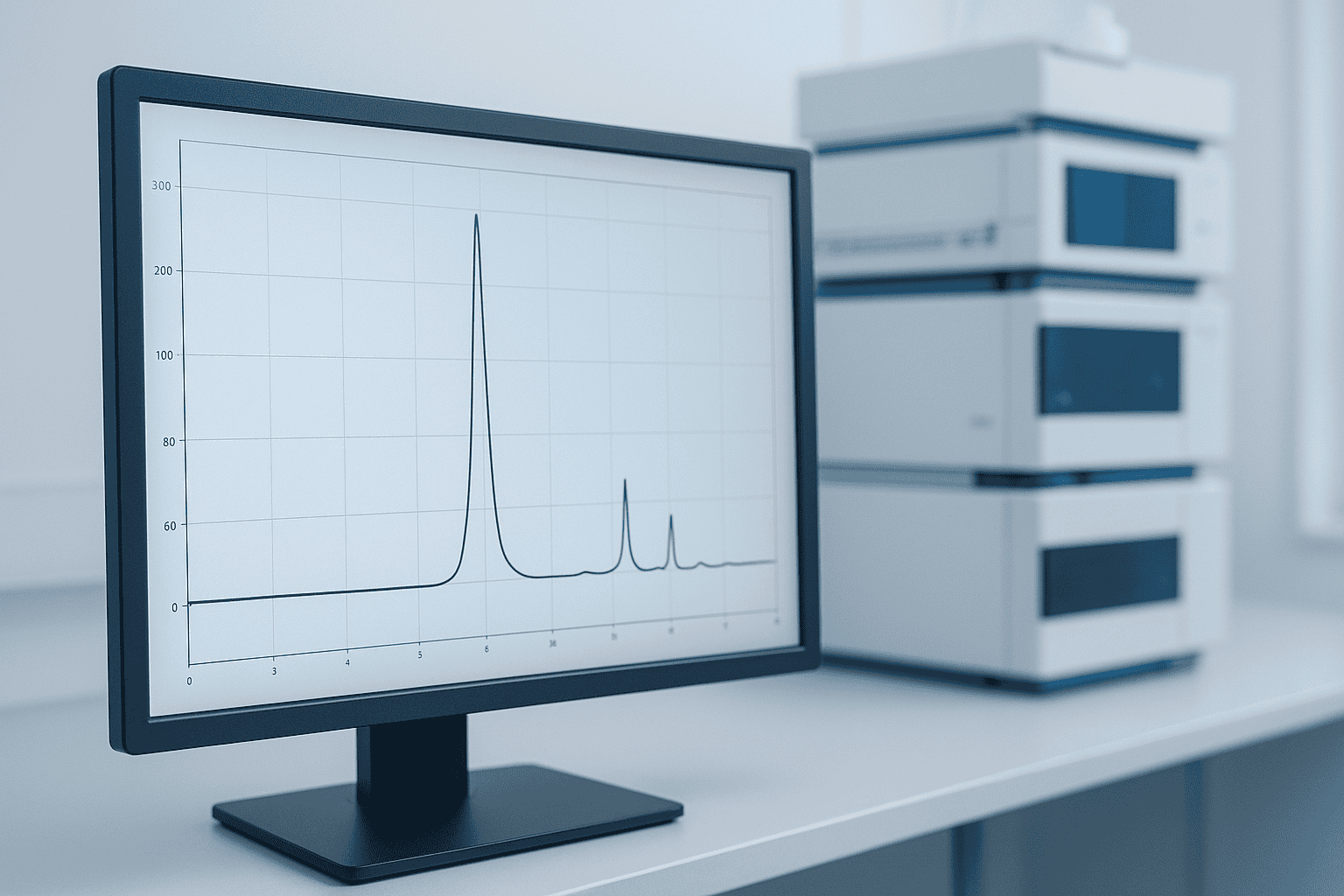
Alpha Peptides offers research-grade compounds backed by third-party HPLC and mass spectrometry verification. Every batch ships with a Certificate of Analysis, available at alpha-peptides.com/coas/. Based in Derry, New Hampshire, Alpha Peptides supports researchers with quality compounds and responsive customer service. Visit alpha-peptides.com/shop/ or contact cs@alpha-peptides.com.
Frequently Asked Questions
What is the minimum freezer temperature needed for peptide storage?
A -20 degrees Celsius freezer is the minimum standard for storing lyophilized (freeze-dried) peptides. For long-term archival storage or particularly sensitive compounds, a -80 degrees Celsius freezer is recommended. Reconstituted peptides should typically be stored at 2-8 degrees Celsius for short-term use.
Why is bacteriostatic water used instead of regular water?
Bacteriostatic water contains a small amount of benzyl alcohol that inhibits bacterial growth. This makes it suitable for reconstituting peptides that will be stored for days or weeks. Using regular sterile water is fine for immediate use but does not prevent bacterial contamination over time.
How important is documentation in peptide research?
Documentation is critical. Recording lot numbers, preparation details, storage conditions, and experimental observations ensures reproducibility and allows troubleshooting when unexpected results occur. Many institutional and regulatory frameworks also require documented records for research compound handling.
What safety equipment does a peptide research lab need?
At minimum: lab coats, safety glasses, nitrile gloves, a sharps container, chemical waste containers, an eyewash station, a first aid kit, and current Safety Data Sheets for all chemicals. Specific requirements may vary based on institutional policies and local regulations.
For research use only. Not for human consumption. This article is intended for informational purposes and does not constitute medical advice, dosing guidance, or therapeutic recommendations.