
· For research use only. Not for human consumption.
For research use only. Not for human consumption.
How do scientists discover new peptides? The answer often begins with peptide library screening, a process that involves creating thousands or even millions of different peptide variants and then testing them systematically to find the ones that interact with a target of interest. It is one of the most powerful tools in modern peptide research, and it has led to the discovery of some of the most widely studied compounds available today.
If you have ever wondered how research peptides like SS-31 or BPC-157 were first identified, understanding the screening process will give you a much clearer picture. Instead of relying on luck, modern researchers use systematic, high-throughput approaches to sift through vast numbers of candidates and zero in on the most promising ones.
This article will explain peptide library screening in everyday language, covering what peptide libraries are, how they are built, and how researchers use them to find new compounds worth investigating further.
TL;DR: Peptide library screening involves creating large collections of peptide variants and testing them against specific targets to find “hits.” Techniques like phage display, combinatorial chemistry, and high-throughput screening allow researchers to evaluate thousands or millions of candidates quickly and efficiently.
For research use only. Not for human consumption.
What Is a Peptide Library?: Peptide library screening Insights
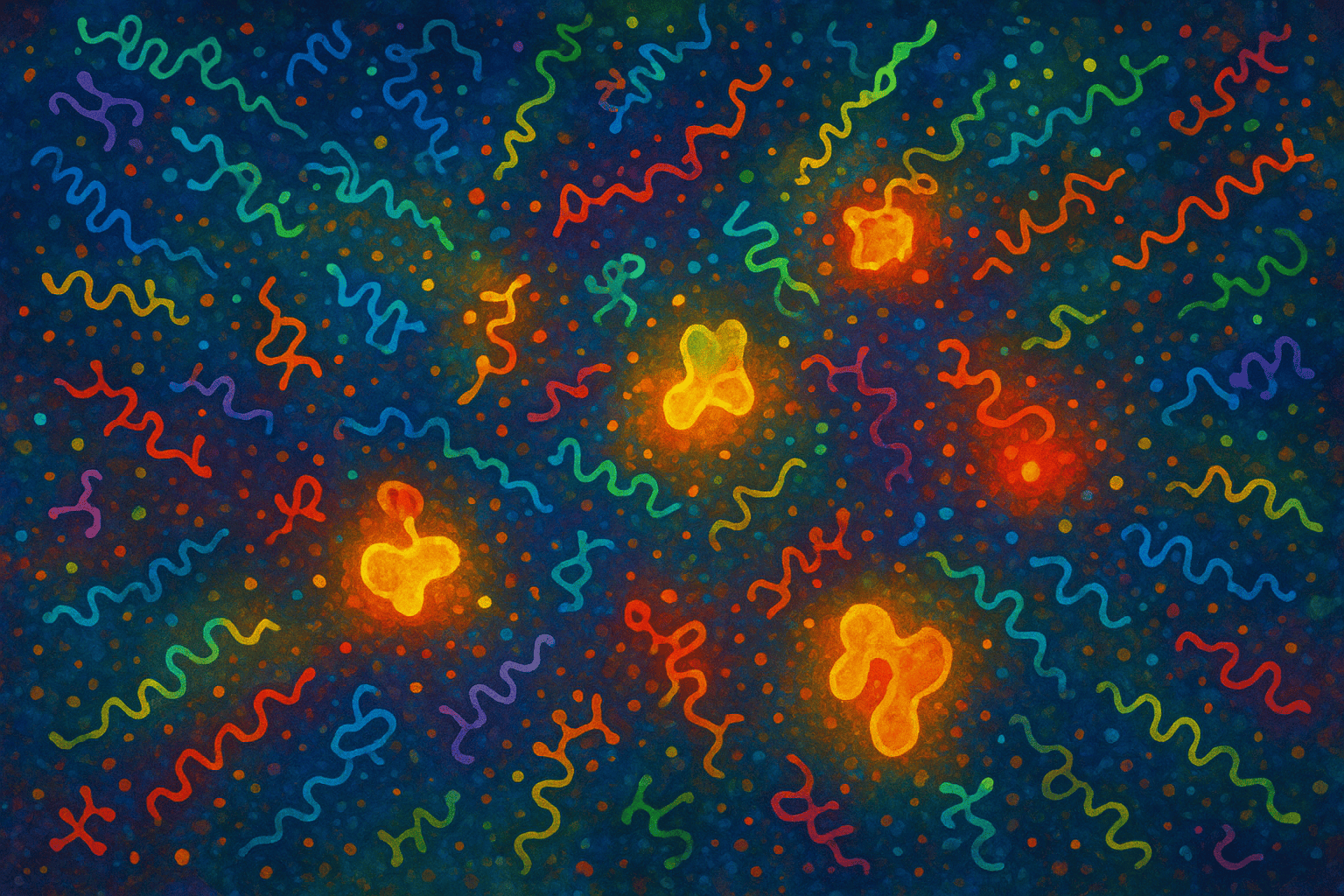
A peptide library is a collection of peptide compounds, sometimes numbering in the thousands or millions, that have been created to cover a wide range of structural variations. Think of it like a massive catalog of slightly different keys, where each key has a unique shape. Researchers create this catalog so they can test many keys at once to find the one that fits a specific lock.
The “lock” in this analogy is usually a biological target, such as a receptor, an enzyme, or a protein involved in a specific biological pathway. The goal is to find which peptides in the library interact with that target in a meaningful way.
Peptide libraries can be created in several ways. Some are synthesized chemically, with each variant produced individually or on a solid support. Others are produced biologically, using bacteria or viruses to generate the variants. The method chosen depends on the size of the library needed and the type of screening that will be performed.
Combinatorial Chemistry: Building the Library
One of the primary methods for creating peptide libraries is combinatorial chemistry. This approach takes advantage of the fact that peptides are built from amino acids, and there are 20 naturally occurring amino acids that can be combined in virtually endless sequences.
In combinatorial chemistry, researchers systematically create peptides with every possible combination of amino acids at each position in the chain. For a peptide that is just five amino acids long, the number of possible combinations is 20 to the fifth power, or 3.2 million unique sequences. By varying the length, the amino acid composition, and other structural features, researchers can generate enormous libraries.
The beauty of this approach is its thoroughness. Instead of guessing which sequences might be interesting, researchers create all of them (or a very large representative sample) and let the screening process reveal which ones are worth pursuing.
Phage Display: Using Viruses to Find Peptides
Phage display is one of the most elegant techniques in peptide library screening. It uses bacteriophages (viruses that infect bacteria) as tools for displaying and testing peptides. The technique was so groundbreaking that its developers received the Nobel Prize in Chemistry in 2018.
Here is how it works in simple terms: researchers insert random peptide-coding DNA sequences into the genes of bacteriophages. Each phage then displays a different peptide on its surface, creating a library of phages where each one presents a unique peptide. This library can contain billions of unique sequences.
The library is then exposed to the target of interest, say, a specific receptor. Phages displaying peptides that bind to the receptor stick to it, while the rest wash away. The bound phages are collected, amplified (by letting them infect bacteria and multiply), and subjected to another round of screening. After several rounds, the remaining phages display peptides that bind strongly and specifically to the target.
Researchers can then sequence the DNA of these winning phages to determine exactly which peptide sequences they are displaying. These sequences become the starting point for further research and optimization.
High-Throughput Screening: Testing at Scale
Once a peptide library has been created, the next challenge is testing all those variants efficiently. This is where high-throughput screening comes in. High-throughput screening uses automated equipment, robotics, and miniaturized assays to test thousands or millions of compounds in a short period of time.
In a typical high-throughput screening setup, each well of a multi-well plate contains a different peptide from the library, along with the biological target and a detection system that produces a measurable signal (such as fluorescence or color change) when the peptide interacts with the target.
Robotic systems can process hundreds of plates per day, each containing 96, 384, or even 1,536 individual wells. This allows researchers to screen entire libraries in days or weeks rather than the months or years it would take to test each compound individually by hand.
The initial screening produces “hits,” compounds that show activity against the target. These hits are then subjected to secondary screening with more rigorous assays to confirm the results and eliminate false positives.
From Screening Hit to Research Compound
Finding a hit in a peptide library screening campaign is just the beginning. The initial hits are rarely ready for use as research compounds. They typically need to be optimized through a process called structure-activity relationship (SAR) studies.
During SAR studies, researchers systematically modify the hit peptide, changing one amino acid at a time, to understand which parts of the sequence are essential for activity and which can be modified to improve properties like stability, specificity, or potency. This iterative process can take months or years but ultimately produces a refined compound suitable for serious research.
SS-31, for example, was identified through systematic screening approaches that evaluated peptide sequences for their ability to target specific cellular structures. The compound that emerged from this process became one of the most studied peptides in mitochondrial research.
Mitchell et al. (2020) investigated SS-31 and its interactions with mitochondrial structures, building on the foundational work that identified this compound through systematic peptide screening approaches. (PMID: 32273339)
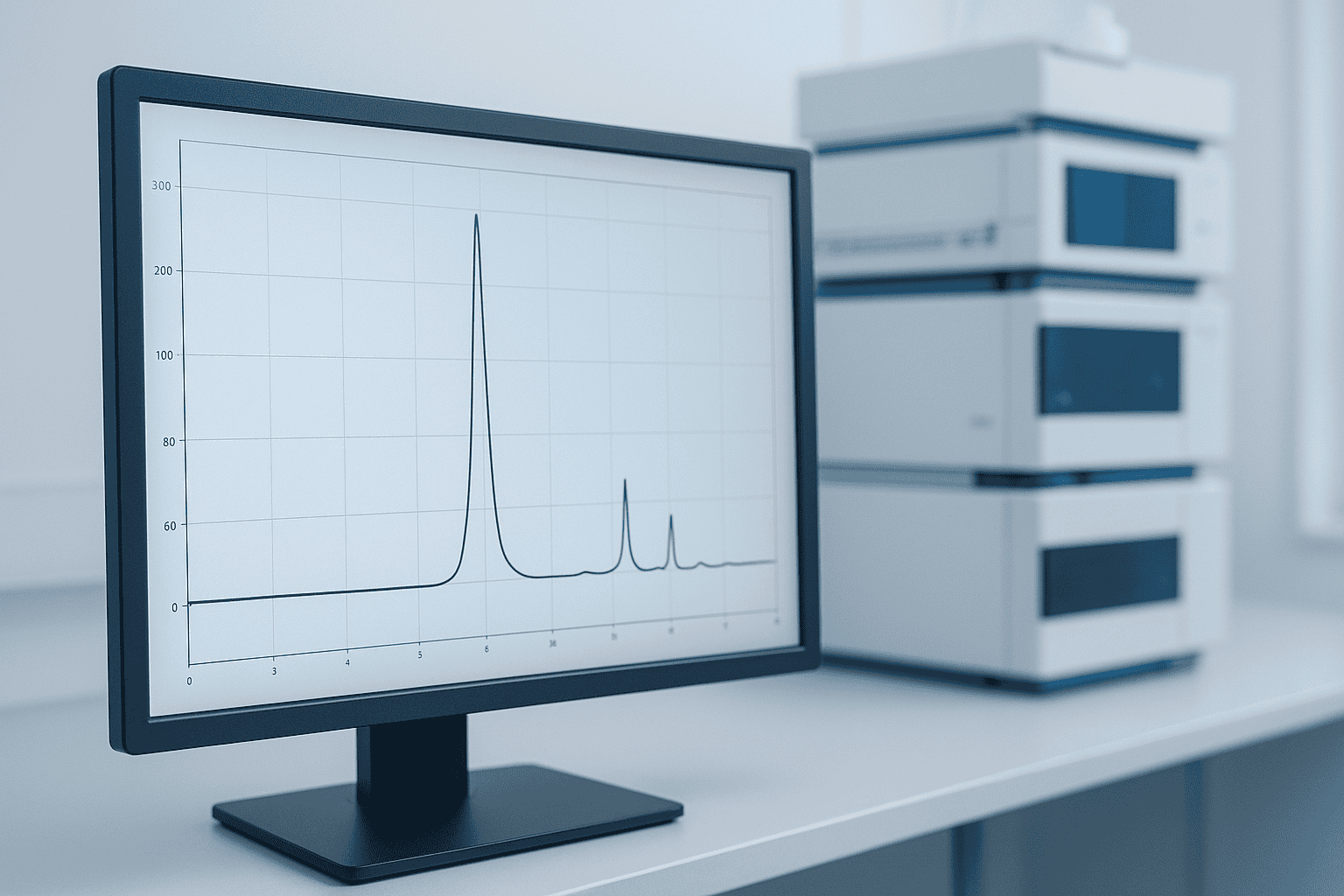
Alpha Peptides supplies the high-purity research compounds that come out of this discovery process. Every product is verified through third-party HPLC and mass spectrometry testing, with batch-specific Certificates of Analysis at alpha-peptides.com/coas/. Browse the catalog at alpha-peptides.com/shop/ or email cs@alpha-peptides.com with questions.
Frequently Asked Questions
What is a peptide library?
A peptide library is a large collection of peptide compounds with different sequences and structures. Libraries can contain thousands to billions of unique variants and are used to screen for peptides that interact with specific biological targets.
How does phage display work?
Phage display uses bacteriophages (viruses that infect bacteria) to present different peptides on their surfaces. Researchers expose this library to a target, collect the phages that bind, amplify them, and repeat the process. After several rounds, the remaining phages display peptides that strongly interact with the target.
What is high-throughput screening?
High-throughput screening uses automated robotic systems to test thousands or millions of compounds against a biological target in a short time. Each compound is tested in a miniaturized assay, and those showing activity (“hits”) are selected for further investigation.
How long does it take to go from a screening hit to a research compound?
The optimization process following a screening hit typically takes months to years. Researchers perform structure-activity relationship studies, systematically modifying the hit compound to improve its properties before it becomes a useful research tool.
For research use only. Not for human consumption. This article is intended for informational purposes and does not constitute medical advice, dosing guidance, or therapeutic recommendations.