
· For research use only. Not for human consumption.
For research use only. Not for human consumption.
When you browse a peptide supplier’s website, you see a lot of numbers — milligrams, milliliters, vial sizes — and it is easy to get confused about what each one means. Understanding peptide vial sizes and the numbers on peptide labels is a fundamental skill that every researcher needs, whether you are placing your first order or your fiftieth.
The confusion usually comes from mixing up two very different measurements: the amount of peptide (measured in milligrams) and the capacity of the vial (measured in milliliters). These are not the same thing, and confusing them can lead to mistakes in ordering, reconstitution, and experimental planning.
In this guide, we will decode every number you will encounter when ordering research peptides, explain how vial size relates to reconstitution, and help you choose the right options for your research needs. Everything in the Alpha Peptides catalog is labeled clearly, but understanding what those labels mean makes the entire process smoother.
TL;DR: The “mg” number on a peptide label tells you how much peptide powder is in the vial, not the volume. The “mL” number on the vial tells you the container’s capacity, not the peptide amount. Common peptide quantities are 5mg, 10mg, 15mg, and 30mg. Common vial sizes are 2mL, 5mL, and 10mL. The vial is always larger than the amount of powder it contains — the extra space is for adding solvent during reconstitution.
For research use only. Not for human consumption.
Milligrams vs Milliliters: The Key Distinction
This is the single most important concept to understand about peptide vial sizes: milligrams (mg) measure weight, and milliliters (mL) measure volume. They are completely different types of measurement.
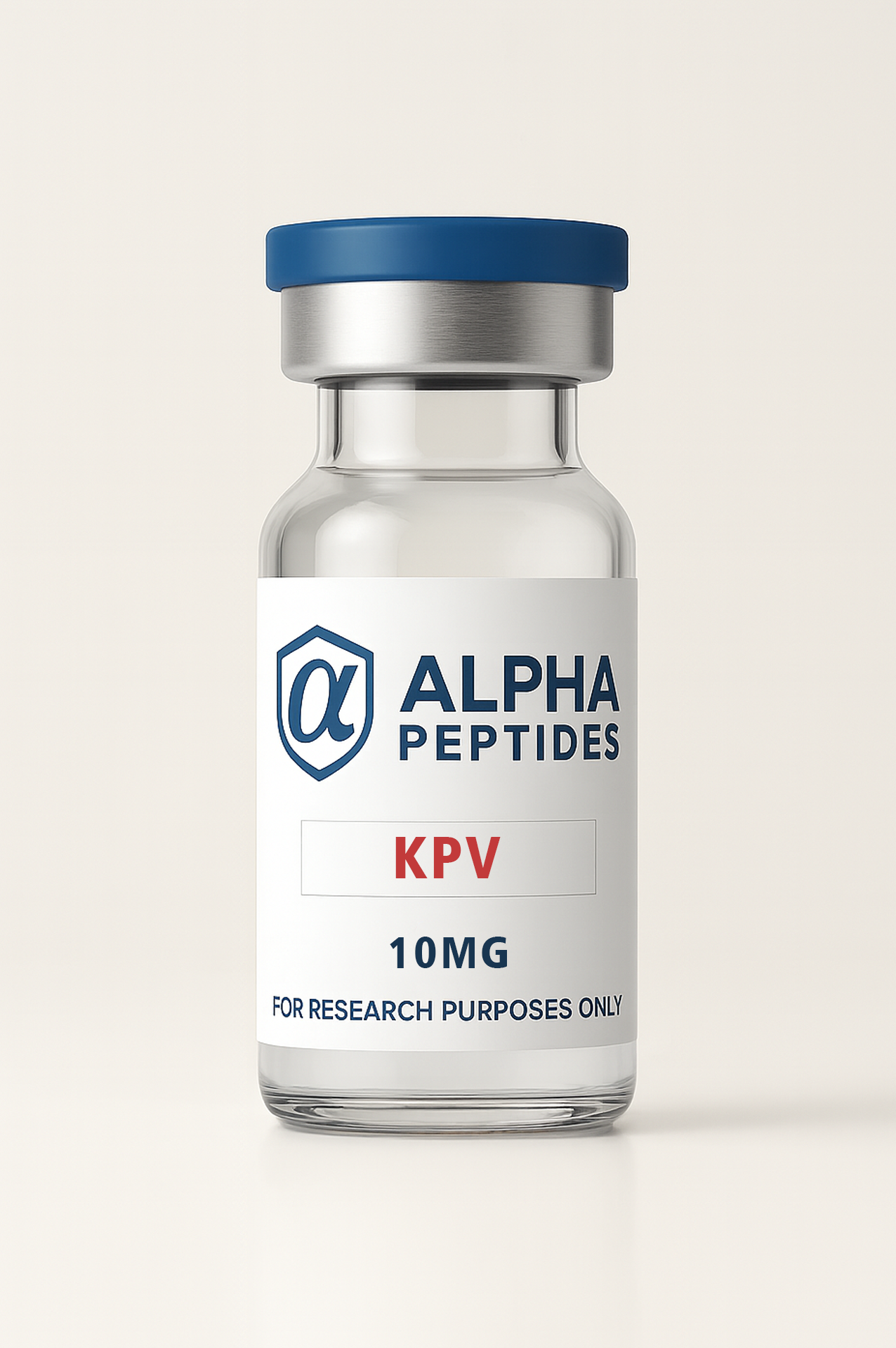
When a peptide product says “10 mg,” it means the vial contains 10 milligrams of peptide powder by weight. This is the actual amount of active peptide you are purchasing. The powder itself takes up very little physical space — 10 mg of lyophilized peptide looks like a small puff of powder or a tiny cake at the bottom of the vial.
The vial itself, however, might be a 3 mL or 5 mL container. This does not mean there are 3 or 5 milliliters of anything inside. The vial is intentionally larger than the powder it contains because you need room to add solvent (like bacteriostatic water) when you reconstitute the peptide.
Think of it like buying a jar of instant coffee crystals. The jar might hold 12 ounces of liquid when full, but it only contains 2 ounces of dry crystals. The extra space is for adding water later. Peptide vials work the same way.
Common Peptide Quantities You Will See
Research peptides are typically sold in a few standard quantities:
- 5 mg: A common starting quantity for researchers who want to test a peptide before committing to a larger purchase. Provides enough material for multiple experiments depending on the required concentration.
- 10 mg: Perhaps the most popular size, offering a good balance between having enough material for extended research and keeping the cost manageable.
- 15 mg: A mid-range option that provides more material without jumping to the largest available sizes.
- 30 mg: A larger quantity for researchers who know they will need substantial material or who want to prepare multiple aliquots for long-term use.
The right quantity depends entirely on your research plan. How many experiments will you run? What concentrations do you need? How long will the research project last? Answering these questions helps you choose the most economical size without ordering more than you can use before the peptide’s usable lifespan expires.
Common Vial Sizes and What They Mean
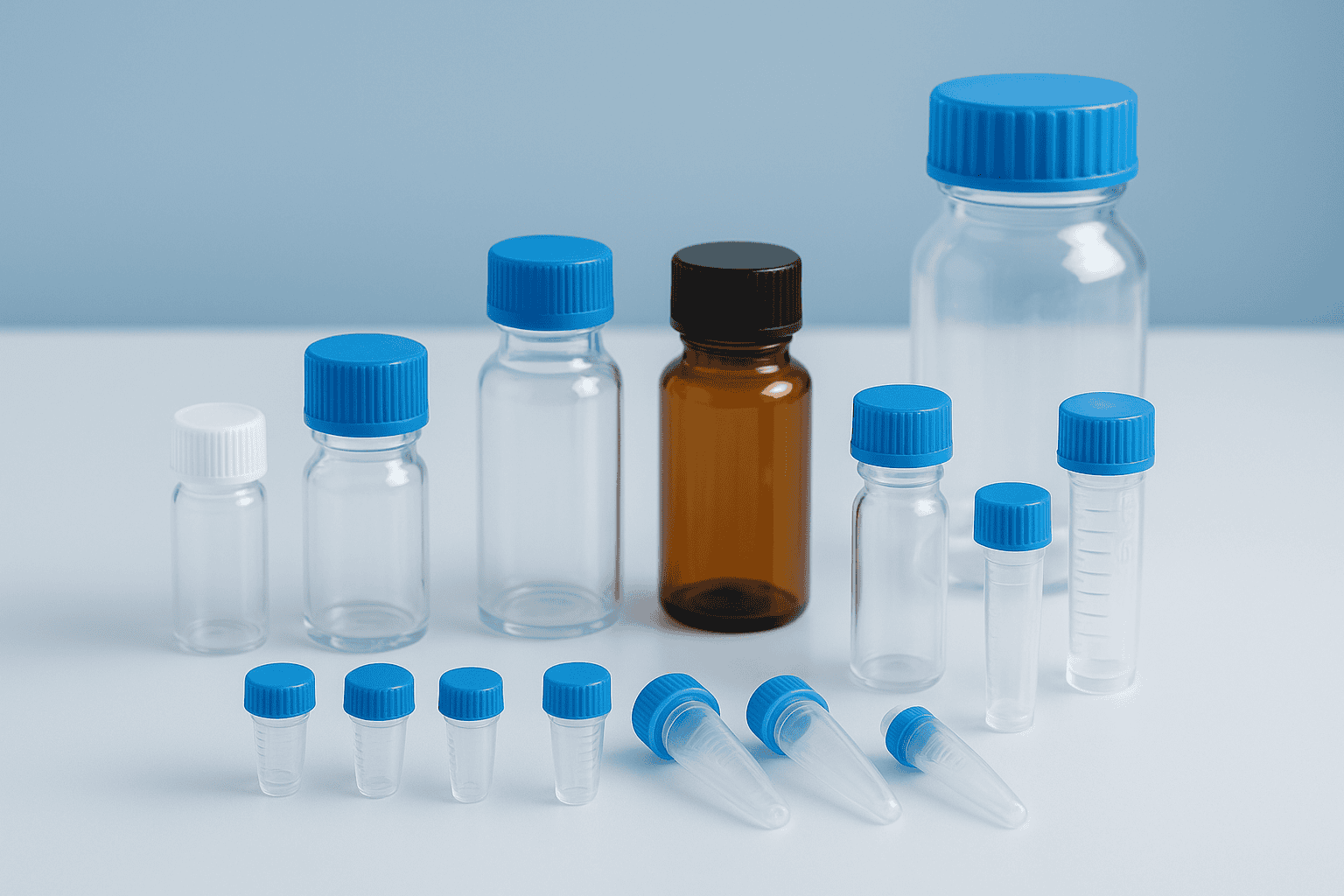
The vials themselves come in several standard capacities:
- 2 mL vials: The smallest common size. These are often used for smaller peptide quantities (5 mg or less). The limited volume means you cannot add large amounts of solvent, which results in a more concentrated solution.
- 5 mL vials: A versatile mid-range size suitable for most peptide quantities. Provides plenty of room for reconstitution with typical solvent volumes.
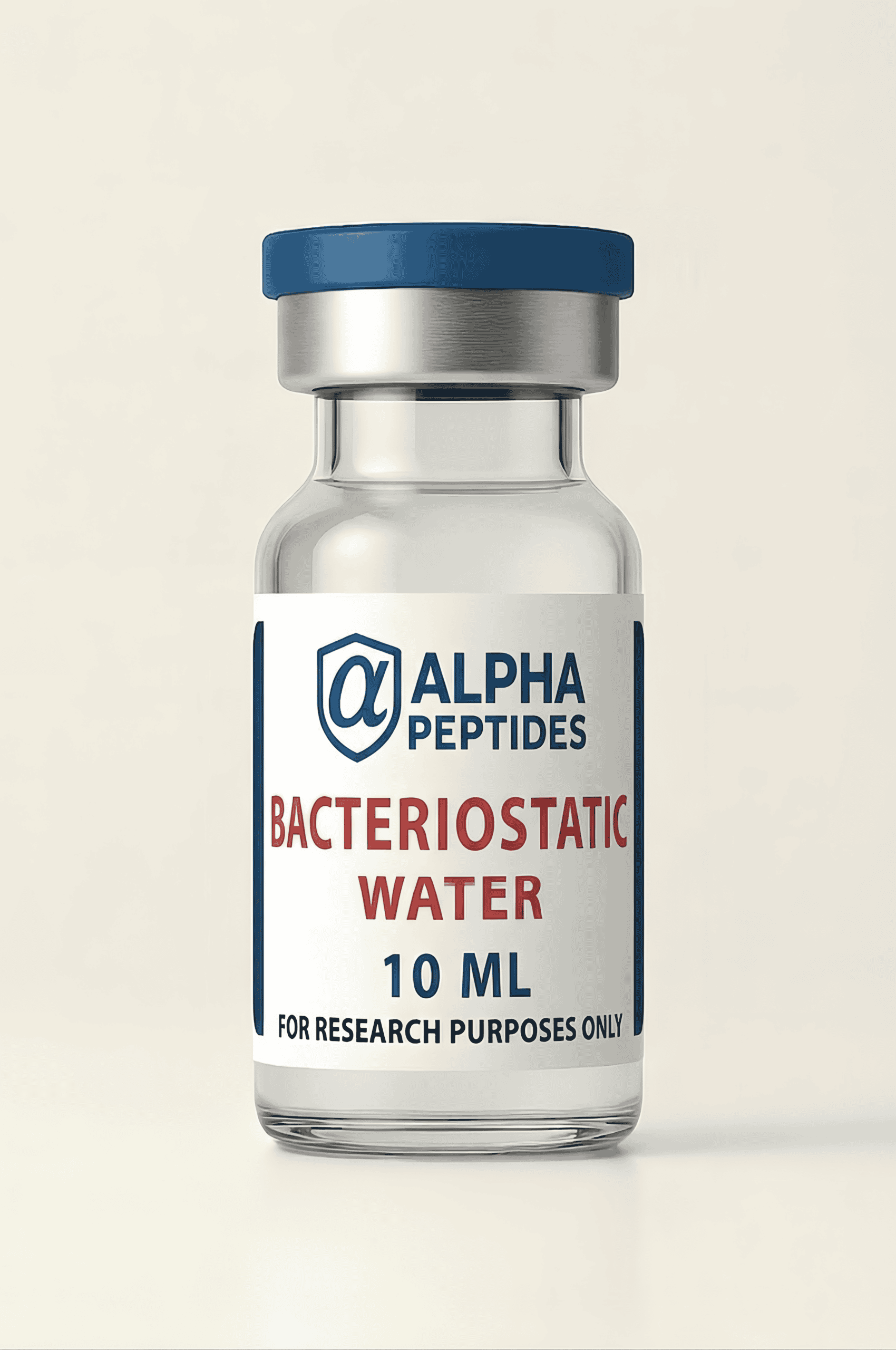
- 10 mL vials: Larger vials used for bigger peptide quantities or when a more dilute solution is desired. Also common for bacteriostatic water.
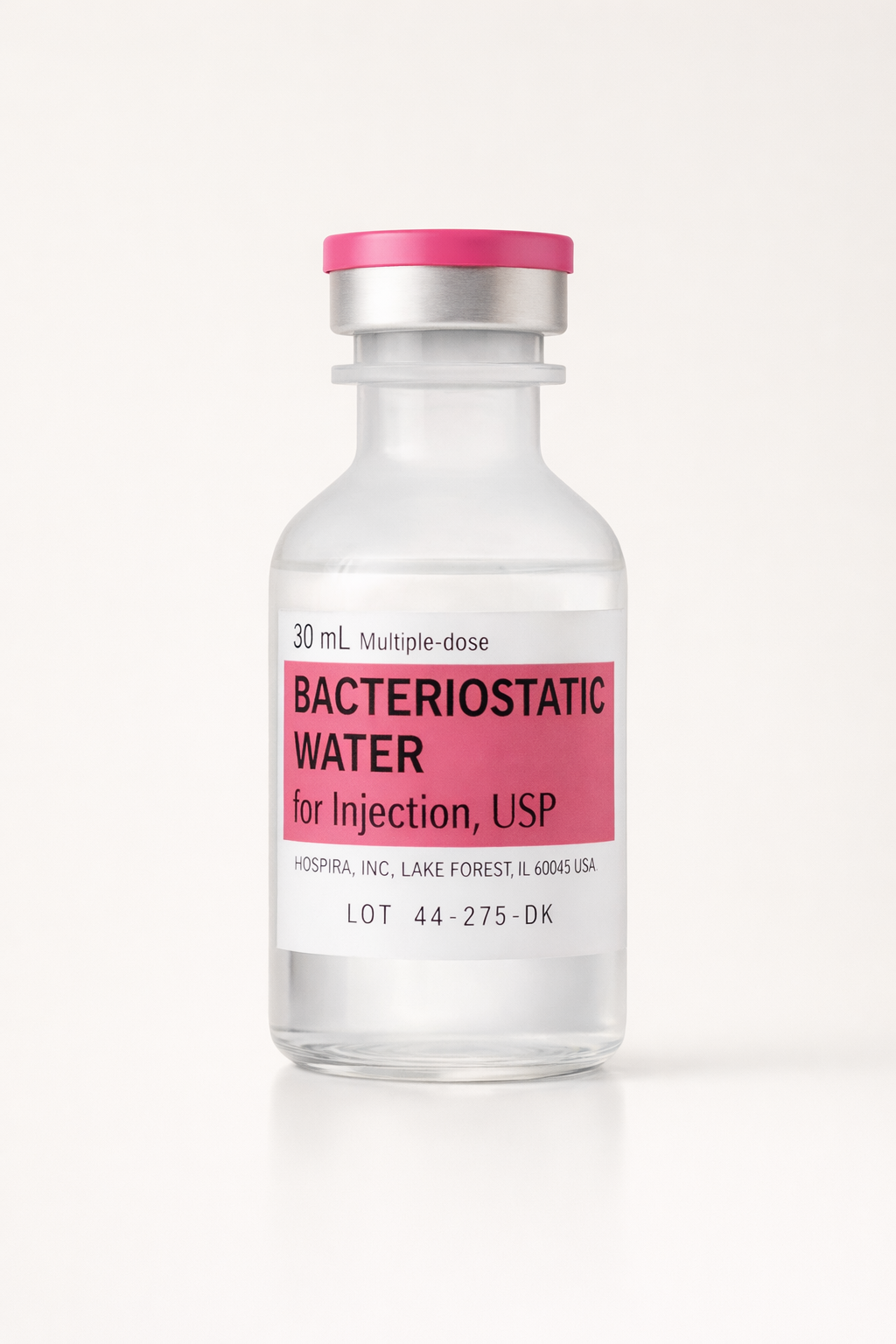
- 30 mL vials: Primarily used for solvents like bacteriostatic water rather than for peptides themselves. A 30 mL vial of bacteriostatic water provides enough solvent for multiple peptide reconstitutions.
The vial size determines how much solvent you can add during reconstitution. A 2 mL vial practically limits you to about 1-1.5 mL of solvent (you need headspace for mixing). A 5 mL vial gives you room for up to about 3-4 mL. This matters because the amount of solvent you add determines the final concentration of your solution.
How Vial Size Relates to Reconstitution
Here is where the practical connection between vial size and peptide amount comes together. When you reconstitute a peptide, you choose how much solvent to add based on the concentration you want. The basic formula is:
Concentration (mg/mL) = Peptide amount (mg) ÷ Solvent volume (mL)
The vial size sets the maximum amount of solvent you can add. For example, if you have 10 mg of peptide in a 3 mL vial and you want a concentration of 5 mg/mL, you would add 2 mL of solvent (10 mg ÷ 2 mL = 5 mg/mL). The 3 mL vial has enough room for this with headspace to spare.
But if you wanted a very dilute solution of 1 mg/mL, you would need to add 10 mL of solvent (10 mg ÷ 10 mL = 1 mg/mL). A 3 mL vial cannot hold that volume, so you would need to either use a smaller volume and dilute further in a separate container, or purchase the peptide in a larger vial.
Why Smaller Vials Are Often Used for Peptides
You might wonder why suppliers do not just put every peptide in a big vial to give you maximum flexibility. There are practical reasons for using smaller containers:
Minimizing air exposure: A small vial with less headspace (empty space above the liquid) contains less air. Air contains oxygen and moisture, both of which can degrade peptides over time. Less headspace means less exposure to these damaging elements.
Reducing surface adsorption: Peptide molecules can stick to the inner walls of glass vials, a phenomenon called adsorption. A larger vial has more inner surface area, which means more peptide can be lost to the walls. This effect is more significant at lower concentrations, where the percentage lost to the walls represents a larger fraction of the total material.
Practical handling: Smaller vials are easier to work with in laboratory settings. They take up less freezer space, require less solvent to fill, and are simpler to handle during reconstitution and drawing procedures.
What to Look for When Ordering Peptide Vial Sizes
When shopping for research peptides, pay attention to these details on every product listing:
- Peptide amount (mg): This tells you how much active material you are getting. It is the number that matters most for planning your research.
- Purity percentage: Higher purity means a greater proportion of the stated milligrams is actually functional peptide rather than impurities. Check the Certificate of Analysis for verified purity data.
- Form: Whether the product is lyophilized (powder) or already in solution. Lyophilized is more stable and is by far the most common form for research peptides.
- Vial size: The physical container capacity. Make sure it accommodates the solvent volume you plan to use for reconstitution.
Alpha Peptides clearly labels every product with accurate quantities and provides batch-specific testing documentation. Browse our catalog at alpha-peptides.com/shop and explore our full quality documentation at alpha-peptides.com/coas.
Frequently Asked Questions
Does a bigger vial mean more peptide?
No. The vial size indicates the container’s capacity in milliliters, not the amount of peptide inside. A 10 mL vial might contain 5 mg of peptide, while a 3 mL vial might contain 30 mg. Always check the milligram amount on the label to know how much peptide you are getting.
Why does my vial look almost empty when the label says 10 mg?
Ten milligrams of lyophilized peptide is a very small amount of powder. It may appear as a tiny cake, a light dusting, or even an almost invisible film at the bottom of the vial. The vial is intentionally much larger than the powder to leave room for adding solvent during reconstitution.
Can I transfer peptide from one vial to a different-sized vial?
It is better to reconstitute directly in the original vial to avoid losing material during transfer. If you need to change containers, reconstitute first and then transfer the liquid solution using a syringe, which is more precise than trying to move dry powder.
What size vial do I need for bacteriostatic water?
Bacteriostatic water is commonly sold in 10 mL or 30 mL vials. A 30 mL vial provides enough water for multiple peptide reconstitutions and is the most economical choice for researchers who work with peptides regularly. Alpha Peptides carries Hospira bacteriostatic water in standard sizes.
For research use only. Not for human consumption. This article is intended for informational purposes and does not constitute medical advice, dosing guidance, or therapeutic recommendations.