
· For research use only. Not for human consumption.
For research use only. Not for human consumption.
If you have ever wondered whether you need to keep your peptides in the dark, you are asking the right question. Peptide light sensitivity is a real concern that many researchers overlook, and exposure to the wrong kind of light can quietly degrade your materials without any visible warning.
Not all peptides are equally sensitive to light, and not all light is equally harmful. Understanding which peptides are vulnerable and what kind of protection they need can make a real difference in the quality of your research results and how long your materials remain usable.
In this article, we will explain why light damages certain peptides, which specific amino acids make a peptide more vulnerable, and simple steps you can take to protect your investment. These principles apply whether you are working with products from Alpha Peptides or any other research supplier.
TL;DR: Some peptides are damaged by light, especially ultraviolet (UV) light. Peptides containing tryptophan, tyrosine, or phenylalanine are most vulnerable because these amino acids absorb UV energy and undergo chemical changes. Protect light-sensitive peptides by using amber vials, wrapping containers in aluminum foil, storing in dark locations, and minimizing the time peptides spend exposed to room lighting.
For research use only. Not for human consumption.
Why Light Can Damage Peptides: Peptide light sensitivity Insights
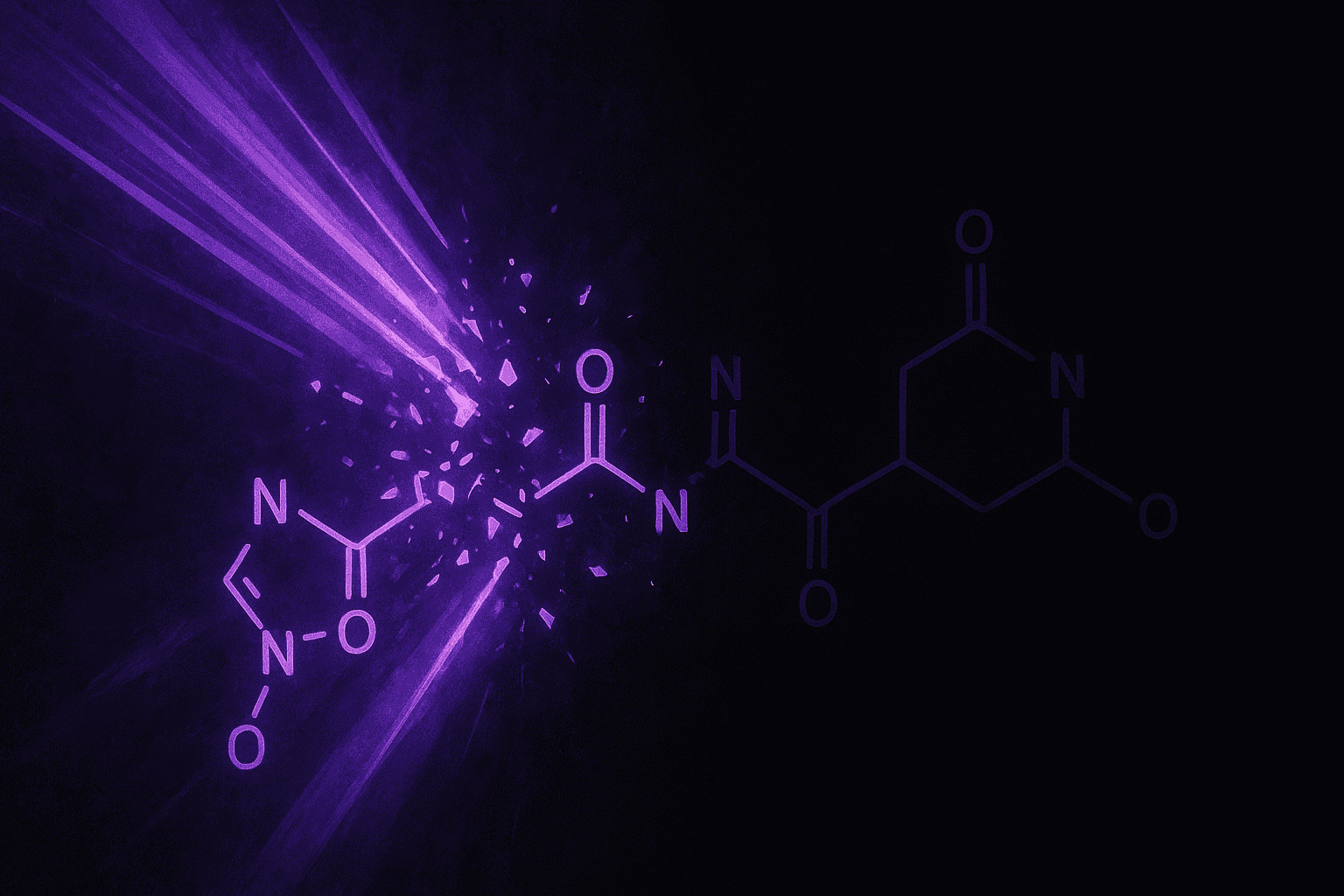
Light is a form of energy. When that energy strikes a molecule, it can be absorbed, and that absorbed energy can trigger chemical reactions. This process is called photodegradation, and it is the same basic mechanism that causes sunburn on skin, fading of colored fabrics, and breakdown of certain medications left in sunlight.
For peptides, the most damaging wavelengths are in the ultraviolet (UV) range, particularly UV-B (280-315 nanometers) and UV-A (315-400 nanometers). These wavelengths carry enough energy to break specific chemical bonds within amino acid structures, leading to permanent modifications that can change how the peptide behaves.
Visible light (the light you can see) is generally less damaging than UV, but prolonged exposure to intense visible light can still cause problems for the most sensitive peptides. Fluorescent lighting, which emits a small amount of UV, can be a hidden source of gradual degradation in laboratories where peptides are left on benchtops for extended periods.
Which Amino Acids Are Most Light Sensitive
Not every amino acid absorbs UV light equally. Three aromatic amino acids are particularly good at absorbing UV energy, making any peptide that contains them more vulnerable to peptide light sensitivity issues:
- Tryptophan is the most light-sensitive amino acid. It absorbs UV light strongly and can undergo a series of chemical reactions that produce multiple degradation products. Even moderate UV exposure can cause significant tryptophan degradation.
- Tyrosine also absorbs UV light and can undergo oxidation reactions when exposed. The phenol group in tyrosine is the vulnerable part of the molecule.
- Phenylalanine is the least sensitive of the three but still absorbs UV light at shorter wavelengths. It is less frequently a major concern on its own, but contributes to overall light sensitivity when present alongside tryptophan or tyrosine.
Other amino acids that can be affected by light include methionine (which can oxidize) and cysteine (which can form unwanted cross-links). Histidine is another amino acid that shows some photosensitivity under certain conditions.
Not All Peptides Are Equally Vulnerable
The practical impact of light sensitivity depends on the specific peptide’s amino acid composition. A short peptide made entirely of glycine and alanine, neither of which absorbs UV light significantly, will be essentially unaffected by normal light exposure.
On the other hand, a peptide containing multiple tryptophan residues can degrade noticeably within hours of continuous UV exposure. Most research peptides fall somewhere between these extremes.
If you are unsure whether a particular peptide is light-sensitive, a simple rule of thumb is to check its amino acid sequence for tryptophan, tyrosine, and phenylalanine. If it contains one or more of these, treat it as light-sensitive and take appropriate precautions. When in doubt, protecting from light does no harm, so it is always a safe default practice.
How to Protect Peptides from Light
Protecting light-sensitive peptides does not require expensive equipment or complicated procedures. A few simple practices make a big difference:
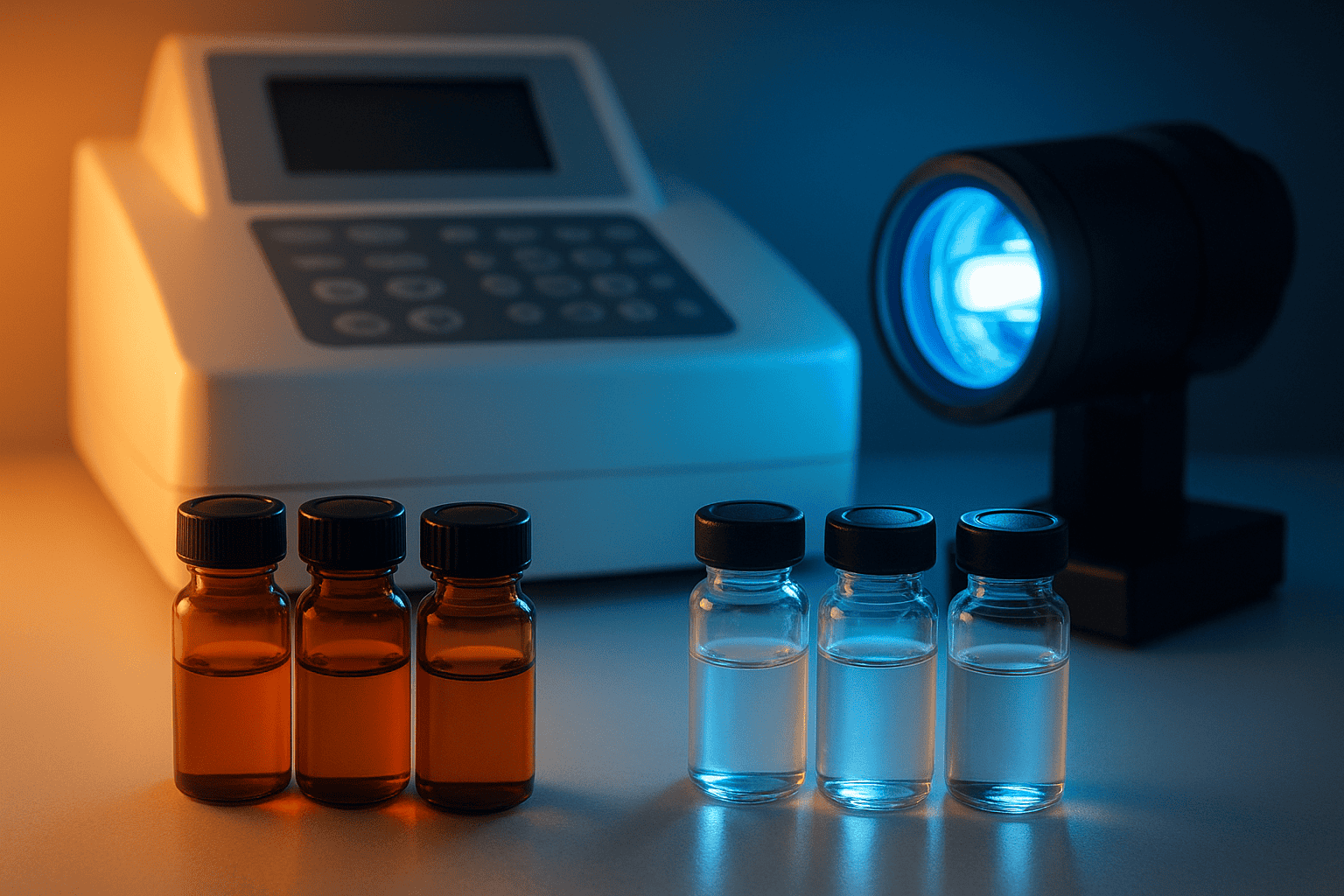
- Amber vials: Amber-colored glass blocks most UV light while still allowing you to see the contents. Many suppliers offer peptides in amber vials, or you can transfer reconstituted solutions into amber containers.
- Aluminum foil wrapping: Wrapping a clear vial in aluminum foil is a simple and highly effective way to block all light. This is the go-to method in many research labs because it is cheap, easy, and works perfectly.
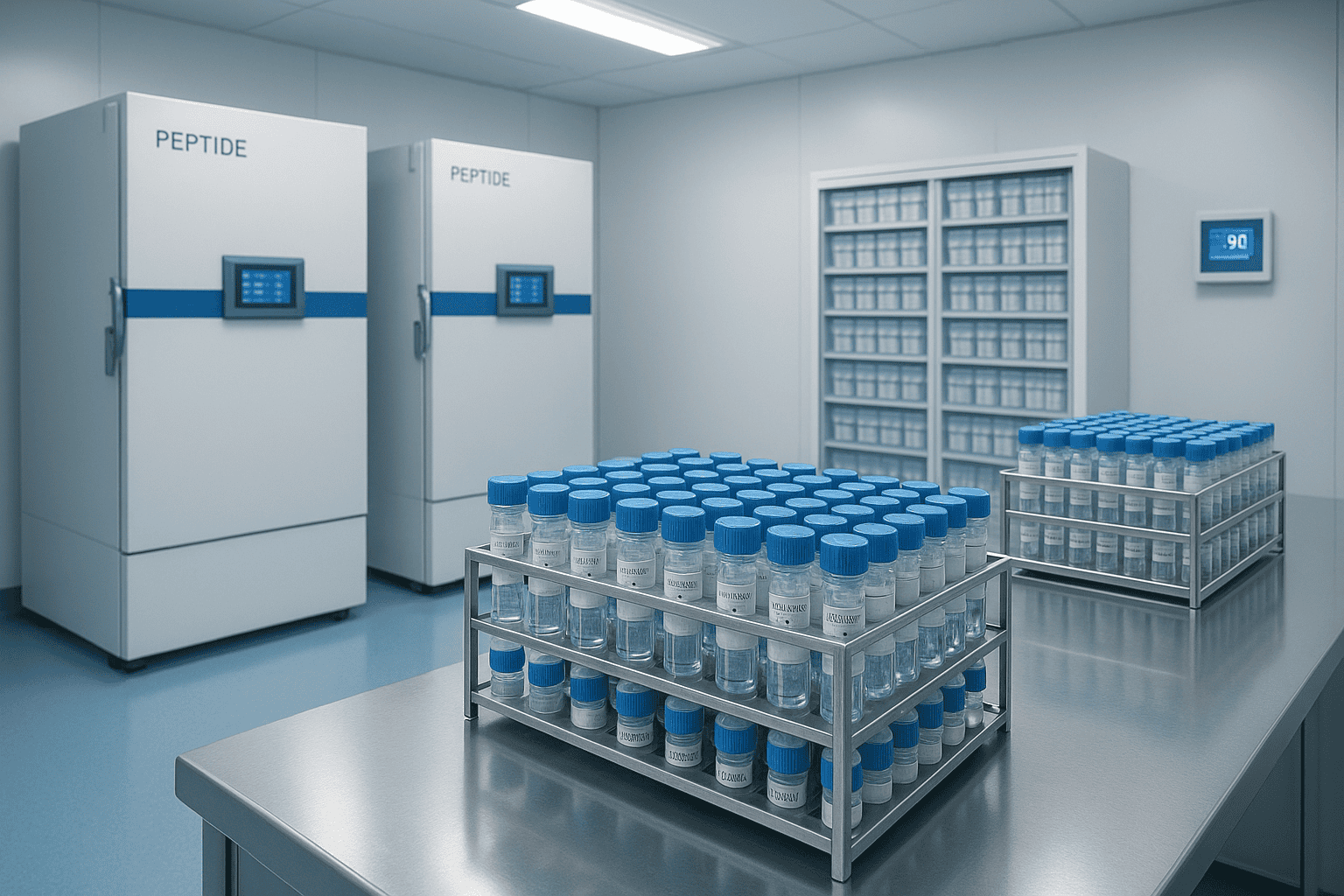
- Dark storage: Keep peptides in closed boxes, drawers, or cabinets when not in active use. A cardboard box inside a refrigerator or freezer provides excellent light protection.
- Minimize bench time: When working with light-sensitive peptides, take them out of storage, use them promptly, and return them to dark storage as quickly as possible. Avoid leaving vials sitting on the bench under fluorescent lights for hours.
- UV-filtering containers: Some specialized storage containers are designed to filter UV wavelengths while remaining transparent to visible light. These are available from laboratory supply companies.
Light Damage vs Other Forms of Degradation
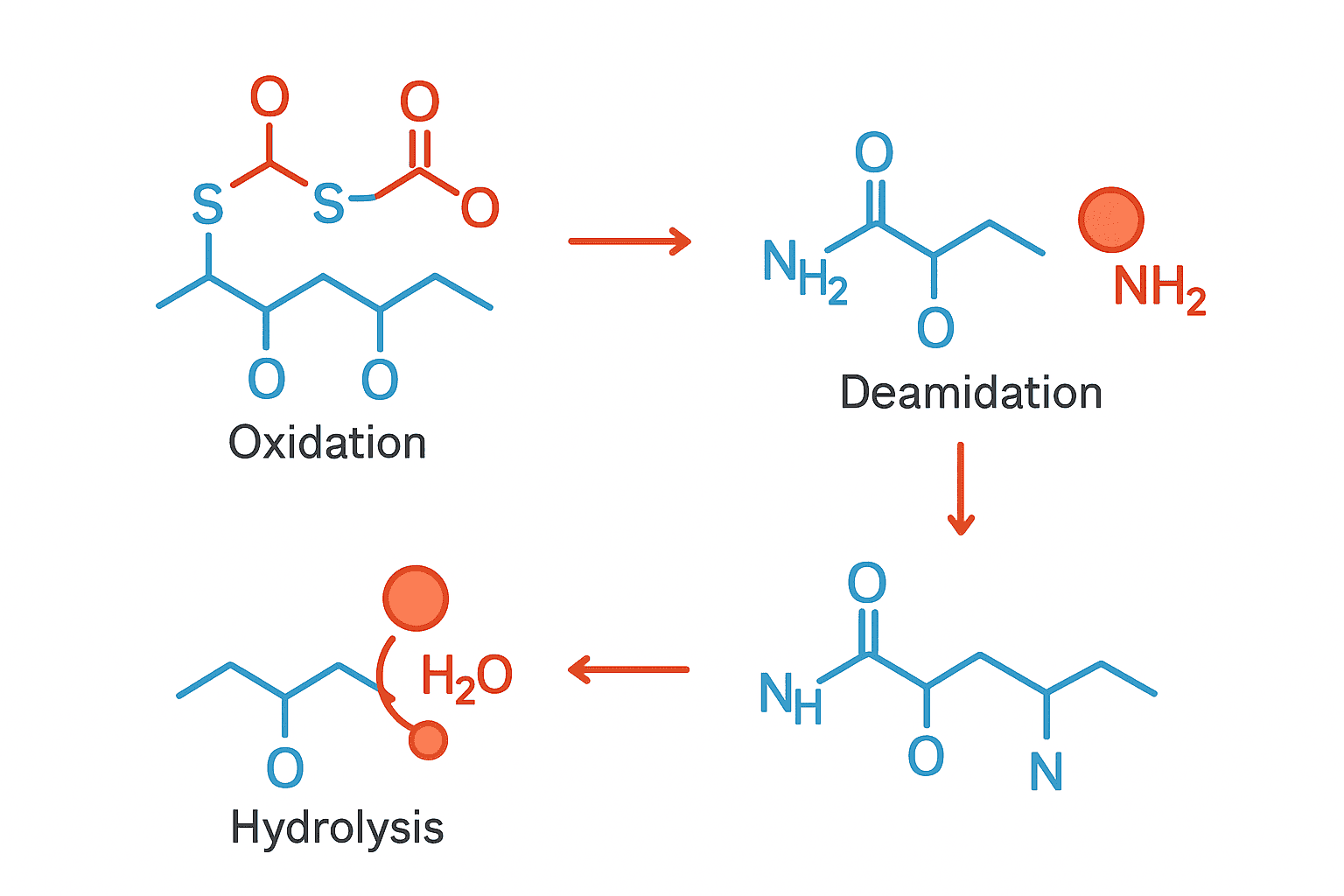
It is important to put light sensitivity in context. While light can degrade peptides, it is typically not the fastest or most common cause of degradation in a research setting. Heat, moisture, and microbial contamination usually pose greater day-to-day risks.
A reconstituted peptide left at room temperature on a sunny windowsill will be damaged by heat long before the light becomes the primary problem. Similarly, a contaminated vial will degrade from bacterial activity regardless of light exposure.
The best approach is to address all degradation factors together: store peptides at the recommended temperature, use appropriate solvents like bacteriostatic water to prevent contamination, and protect from light as an additional safeguard. These combined practices maximize the usable lifespan of your research materials.
Browse high-purity peptides at Alpha Peptides and review our third-party testing documentation at alpha-peptides.com/coas to ensure you are starting with quality materials worth protecting.
Frequently Asked Questions
Do I need to keep all peptides in the dark?
Not all peptides are significantly light-sensitive, but protecting them from unnecessary light exposure is always good practice. Peptides containing tryptophan, tyrosine, or phenylalanine benefit the most from light protection.
Can fluorescent lab lighting damage peptides?
Fluorescent lights emit a small amount of UV radiation that can contribute to degradation over extended exposure periods. Brief exposure during normal handling is unlikely to cause significant damage, but avoid leaving sensitive peptides under fluorescent lights for hours.
Is wrapping a vial in aluminum foil as effective as using an amber vial?
Aluminum foil actually provides better light protection than amber glass because it blocks all wavelengths completely. Amber glass filters most UV but allows some visible light through. Both methods are effective for practical purposes.
How can I tell if my peptide has been damaged by light?
Light damage may cause discoloration (yellowing), changes in solubility, or unexpected results in research assays. Analytical methods like HPLC can detect degradation products. If you suspect light damage, comparing results to a fresh sample is the most reliable check.
For research use only. Not for human consumption. This article is intended for informational purposes and does not constitute medical advice, dosing guidance, or therapeutic recommendations.