
· For research use only. Not for human consumption.
For research use only. Not for human consumption.
If you are setting up a research project involving peptides, you have probably come across two types of water that sound almost identical: bacteriostatic water and sterile water. Understanding the difference between bacteriostatic water vs sterile water is one of the most important basics for any researcher working with peptides or other sensitive compounds.
Despite their similar names, these two products serve different purposes and are not always interchangeable. Choosing the wrong one can lead to contamination, wasted materials, or compromised research results. The good news is that the difference is straightforward once you understand what makes each one unique.
In this guide, we will explain exactly how bacteriostatic water and sterile water differ, when to use each one, and why pharmaceutical-grade options like Hospira bacteriostatic water are preferred in research settings. Whether you are brand new to laboratory work or just need a refresher, this article covers everything you need to know.
TL;DR: Bacteriostatic water contains 0.9% benzyl alcohol, which prevents bacterial growth and allows the vial to be used multiple times. Sterile water has no preservative, making it single-use only. For most peptide research involving reconstitution, bacteriostatic water is the standard choice because it stays safe to use over multiple draws from the same vial.
For research use only. Not for human consumption.
What Is Sterile Water?: Bacteriostatic water vs sterile Insights
Sterile water is exactly what the name suggests: water that has been purified and sterilized to remove all bacteria, fungi, and other microorganisms. It goes through filtration and sterilization processes that result in a completely clean product at the time of manufacturing.
However, sterile water contains no preservative. This is the critical detail. Once you open a vial of sterile water or puncture its seal with a needle, it is no longer protected against contamination. Any bacteria introduced during that first use can grow freely because there is nothing in the water to stop them.
Think of it like opening a can of food. The contents are perfectly safe when sealed, but once opened, they start to degrade and become susceptible to bacterial growth. Sterile water works the same way. It is intended for single-use applications where the entire contents are used at once and the vial is discarded.
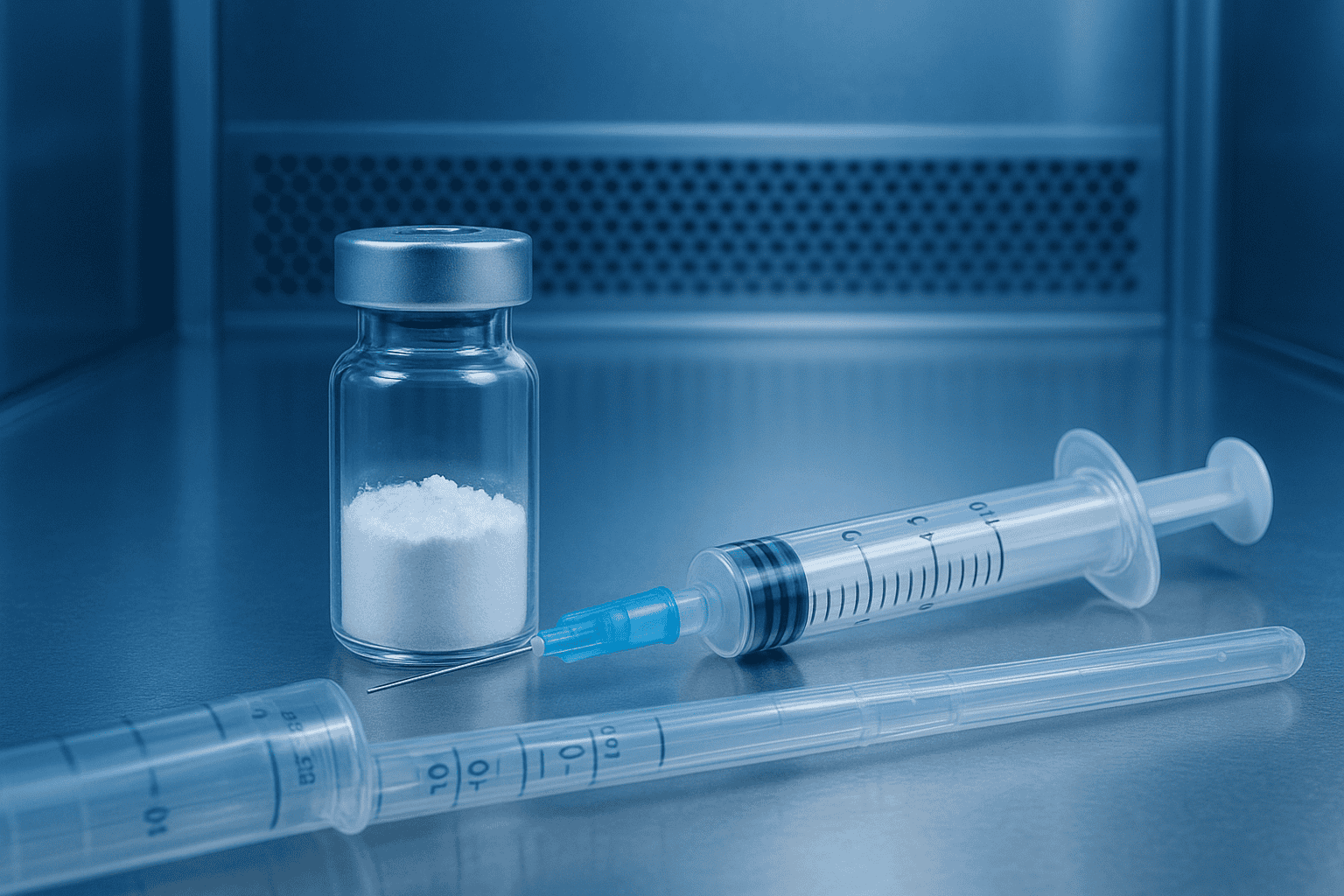
What Is Bacteriostatic Water?
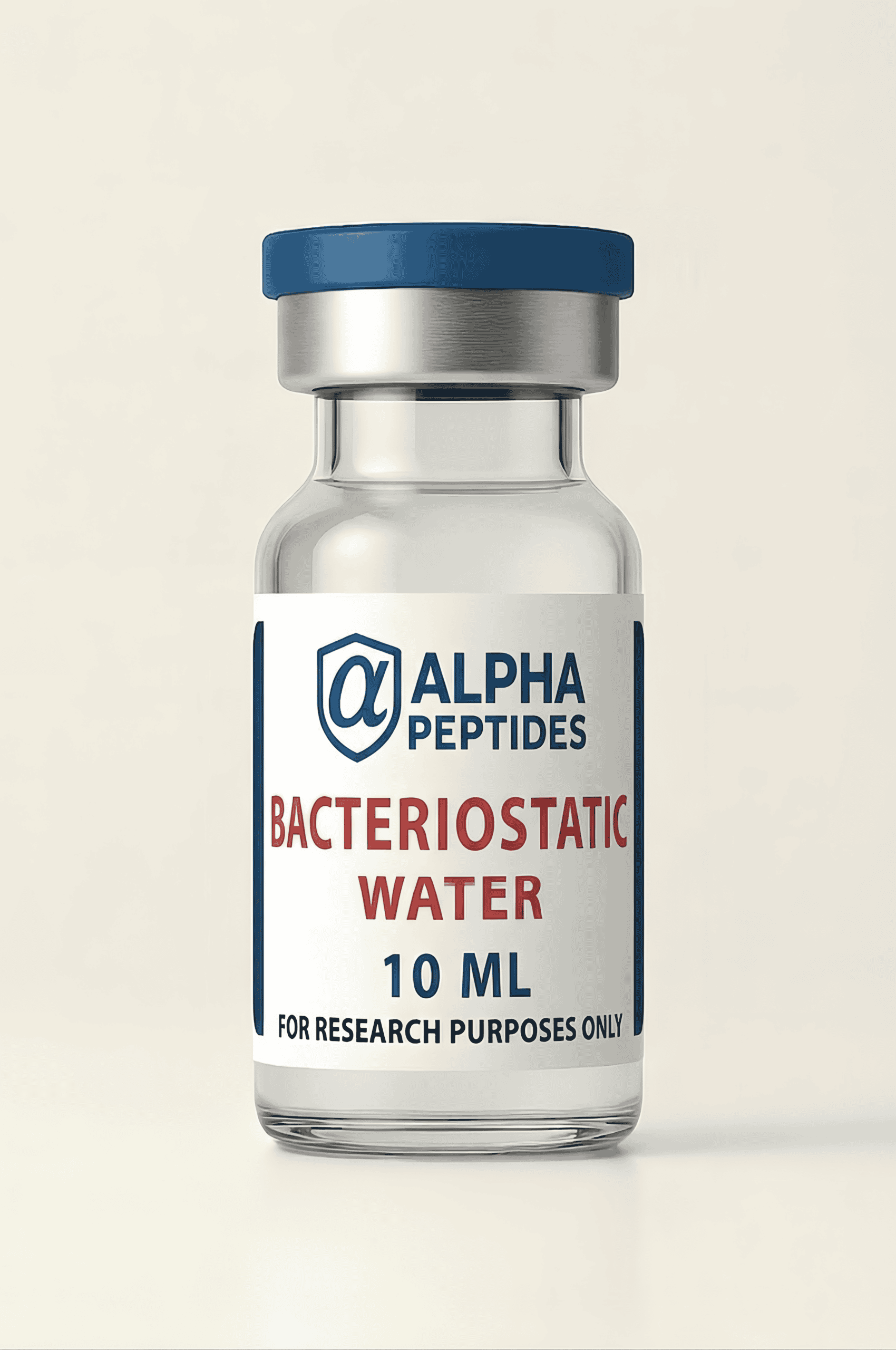
Bacteriostatic water starts the same way as sterile water — it is purified and sterilized. But it has one crucial addition: 0.9% benzyl alcohol. This small amount of preservative is what makes bacteriostatic water vs sterile water such an important distinction for researchers.
Benzyl alcohol is an organic compound that inhibits bacterial growth. It does not kill bacteria that are already present in large numbers, but it prevents new bacteria from multiplying after the vial is opened. This preservation effect is what makes bacteriostatic water a multi-use product.
When you puncture the rubber stopper of a bacteriostatic water vial with a needle, a tiny number of bacteria might be introduced. Without the benzyl alcohol, those bacteria would multiply rapidly in the warm, nutrient-free water. With it, their growth is suppressed, keeping the water safe for subsequent uses over a limited period, typically up to 28 days after the first puncture.
Why Bacteriostatic Water Is Preferred for Peptide Research
Most peptide reconstitution work requires drawing water from a vial on multiple occasions. You might reconstitute one peptide today and another next week, using the same vial of water. This is where bacteriostatic water becomes essential.
Because it can be used multiple times safely, bacteriostatic water is more practical and cost-effective for research laboratories. A single 30 mL vial of bacteriostatic water can serve multiple reconstitution tasks, whereas you would need a fresh vial of sterile water for each individual use.
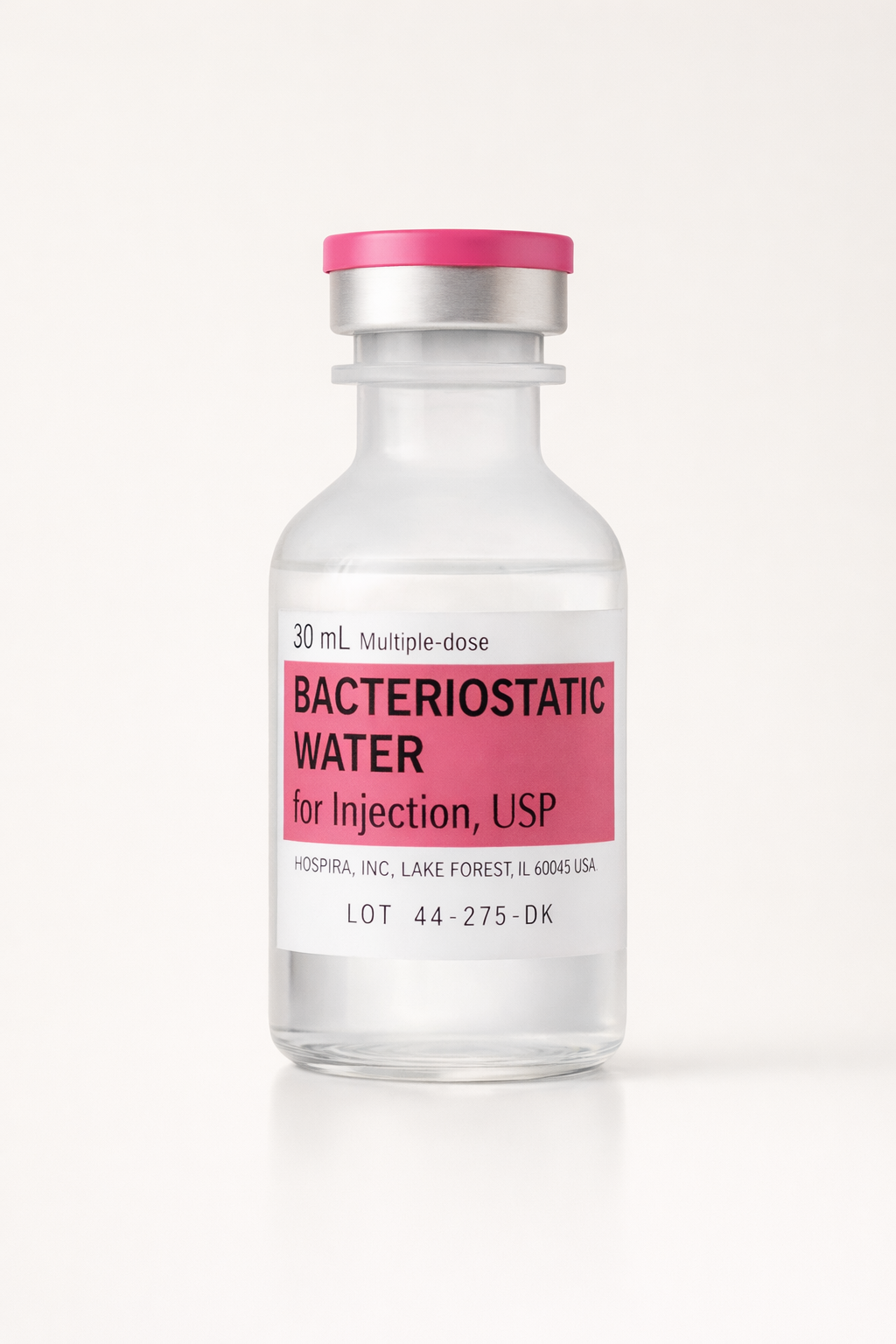
The pharmaceutical-grade standard in the research community is Hospira bacteriostatic water. Hospira, now part of Pfizer, is one of the most recognized manufacturers of injectable-grade water products. Their bacteriostatic water meets USP (United States Pharmacopeia) standards for purity and sterility, giving researchers confidence in their reconstitution process.
How Benzyl Alcohol Inhibits Bacterial Growth
You might wonder how such a small amount of alcohol — less than one percent — can stop bacteria from growing. The mechanism is surprisingly effective.
Benzyl alcohol disrupts the cell membranes of bacteria. Every bacterial cell is surrounded by a thin membrane that controls what enters and leaves the cell. Benzyl alcohol interferes with this membrane, making it leaky and unstable. Without a functional membrane, bacteria cannot maintain their internal chemistry and cannot reproduce effectively.
The 0.9% concentration is carefully chosen. It is high enough to suppress bacterial growth reliably but low enough to avoid interfering with most research applications. Higher concentrations of benzyl alcohol could potentially affect the stability of certain compounds, so the 0.9% standard represents a well-tested balance between preservation and compatibility.
When to Use Sterile Water Instead
Despite the advantages of bacteriostatic water, there are situations where sterile water is the appropriate choice. Some research protocols specifically require water without any additives. Certain assays or experiments can be sensitive to even small amounts of benzyl alcohol, which could interfere with results.
Sterile water is also the correct choice when the entire contents of the vial will be used in a single procedure. If there is no need for multi-use access, the preservative offers no benefit.
Additionally, some specific research compounds may have known incompatibilities with benzyl alcohol. In these cases, sterile water, DMSO, or other solvents may be specified in the research protocol. Always follow the solvent recommendations specific to the compounds you are working with.
Practical Storage and Handling Tips
Regardless of which type of water you use, proper handling is essential. Both bacteriostatic and sterile water should be stored at room temperature, away from direct sunlight. Before puncturing the vial stopper, always swab the top with an alcohol wipe to reduce the risk of introducing contaminants.
For bacteriostatic water, mark the date of first use on the vial. Most guidelines suggest discarding the vial 28 days after the first puncture, even with the benzyl alcohol preservative. The preservative slows bacterial growth but does not eliminate risk entirely over extended periods.
Use a fresh, sterile needle each time you draw from a bacteriostatic water vial. Reusing needles is one of the most common ways contamination is introduced, and it defeats the purpose of using a preserved product in the first place.
Alpha Peptides carries pharmaceutical-grade Hospira bacteriostatic water that meets USP standards. Pair it with high-purity peptides from our catalog, and check our Certificates of Analysis for full quality documentation on every product.
Frequently Asked Questions
Can I use sterile water instead of bacteriostatic water for peptide reconstitution?
You can, but the reconstituted peptide solution must be used immediately or stored very carefully because sterile water has no preservative to prevent bacterial growth. For multi-use situations, bacteriostatic water is strongly recommended.
How long does bacteriostatic water last after opening?
Most guidelines recommend using bacteriostatic water within 28 days after the first needle puncture. The benzyl alcohol preservative slows bacterial growth but does not provide indefinite protection.
What does “USP grade” mean for bacteriostatic water?
USP stands for United States Pharmacopeia, which sets quality standards for pharmaceutical products. USP-grade bacteriostatic water has been manufactured and tested to meet strict purity, sterility, and composition requirements.
Is the benzyl alcohol in bacteriostatic water harmful to research peptides?
At the standard 0.9% concentration, benzyl alcohol is compatible with the vast majority of research peptides. However, some specific compounds or assays may be sensitive to it. Always check the solvent recommendations for the particular peptide you are working with.
For research use only. Not for human consumption. This article is intended for informational purposes and does not constitute medical advice, dosing guidance, or therapeutic recommendations.