
· For research use only. Not for human consumption.
For research use only. Not for human consumption.
If you have ever compared prices across different peptide suppliers, you have probably noticed something surprising: the same peptide can cost vastly different amounts depending on where you buy it. Understanding research peptide pricing is essential for making smart purchasing decisions without sacrificing quality for the sake of saving a few dollars.
Price differences in the peptide market are not random. They reflect real differences in manufacturing processes, quality control, testing protocols, and business operations. A peptide that costs significantly less than its competitors may be cheaper for good reasons, or for bad ones. Similarly, the most expensive option is not automatically the best.
In this article, we will break down every major factor that influences research peptide pricing so you can evaluate supplier offers with confidence. Whether you are managing a tight research budget or simply want to understand what you are paying for, this guide will help you find the sweet spot between cost and quality at suppliers like Alpha Peptides.
TL;DR: Research peptide prices vary based on synthesis complexity, peptide length, purity level, chemical modifications, batch size, extent of testing, cold chain shipping requirements, and supplier operating costs. The cheapest option often cuts corners on quality or testing. The most expensive does not automatically guarantee the best product. Look for transparent pricing backed by verifiable quality data (COAs with HPLC and mass spec).
For research use only. Not for human consumption.
Factor 1: Peptide Length and Synthesis Complexity
The most fundamental price driver is the length of the peptide. Longer peptides require more synthesis cycles, more raw materials, and more time on the synthesizer. A 10-amino-acid peptide is significantly cheaper to produce than a 40-amino-acid peptide.
But length is not the only complexity factor. Certain amino acid sequences are inherently difficult to synthesize. Some sequences tend to aggregate (clump together) during synthesis, which reduces yield and requires optimization. Others contain amino acids that are prone to side reactions, demanding extra care and specialized protocols.
These “difficult sequences” can dramatically increase production costs because they require more attempts, specialized reagents, or modified synthesis conditions to achieve acceptable results. Two peptides of the same length can have very different price points based on their specific sequences.
Factor 2: Purity Level
Higher purity costs more. A peptide purified to 95% requires less HPLC purification time and produces higher yields than one purified to 99%. The extra purification needed to go from 95% to 99% removes additional material, reducing the final amount of usable product from each synthesis batch.
Think of it like filtering water. Getting from cloudy to clear is relatively easy. Getting from clear to laboratory-grade ultrapure water requires progressively more sophisticated and expensive filtration. The same principle applies to peptide purification.
Each percentage point of additional purity represents diminishing returns in yield, which drives up the cost per milligram. For many research applications, 98% purity provides an excellent balance of quality and value.
Factor 3: Chemical Modifications
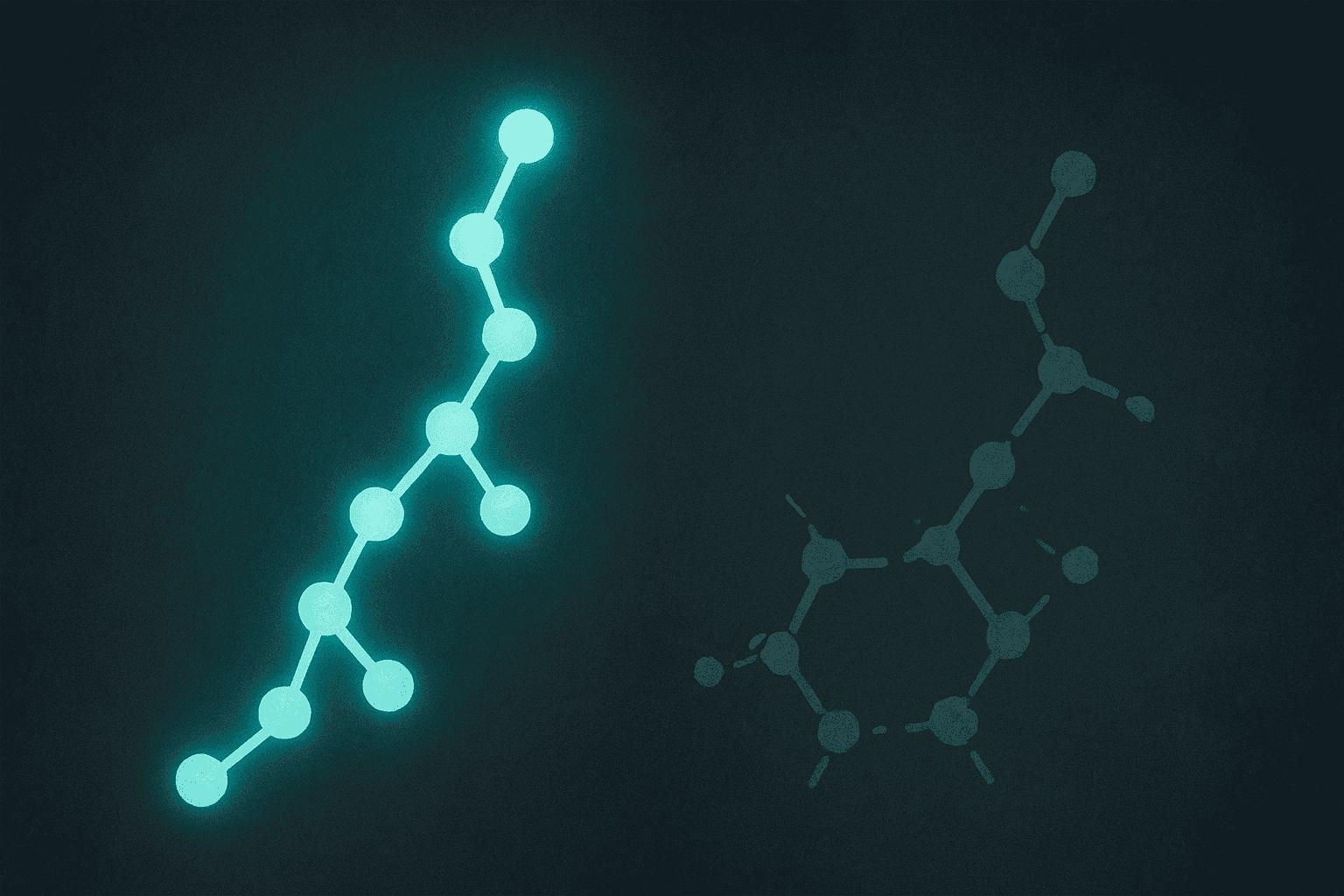
Unmodified peptides made from the 20 standard amino acids are the most straightforward and affordable to produce. Modifications add cost because they require specialized reagents, additional synthesis steps, or non-standard amino acid building blocks.
Common modifications that increase price include:
- D-amino acid substitutions: Using the mirror-image form of an amino acid requires purchasing the D-form building block, which is typically more expensive than the natural L-form.
- Acetylation and amidation: Capping the ends of the peptide with acetyl or amide groups. These are relatively minor modifications with modest cost impact.
- Cyclization: Creating circular peptides by linking the ends together. This requires additional chemistry and often reduces yield.
- Non-natural amino acids: Incorporating building blocks that are not among the standard 20 amino acids. These specialty reagents can be expensive.
- Isotope labeling: Using amino acids that contain specific isotopes for analytical or tracking purposes. Isotope-labeled building blocks are significantly more expensive.
Factor 4: Testing and Quality Control
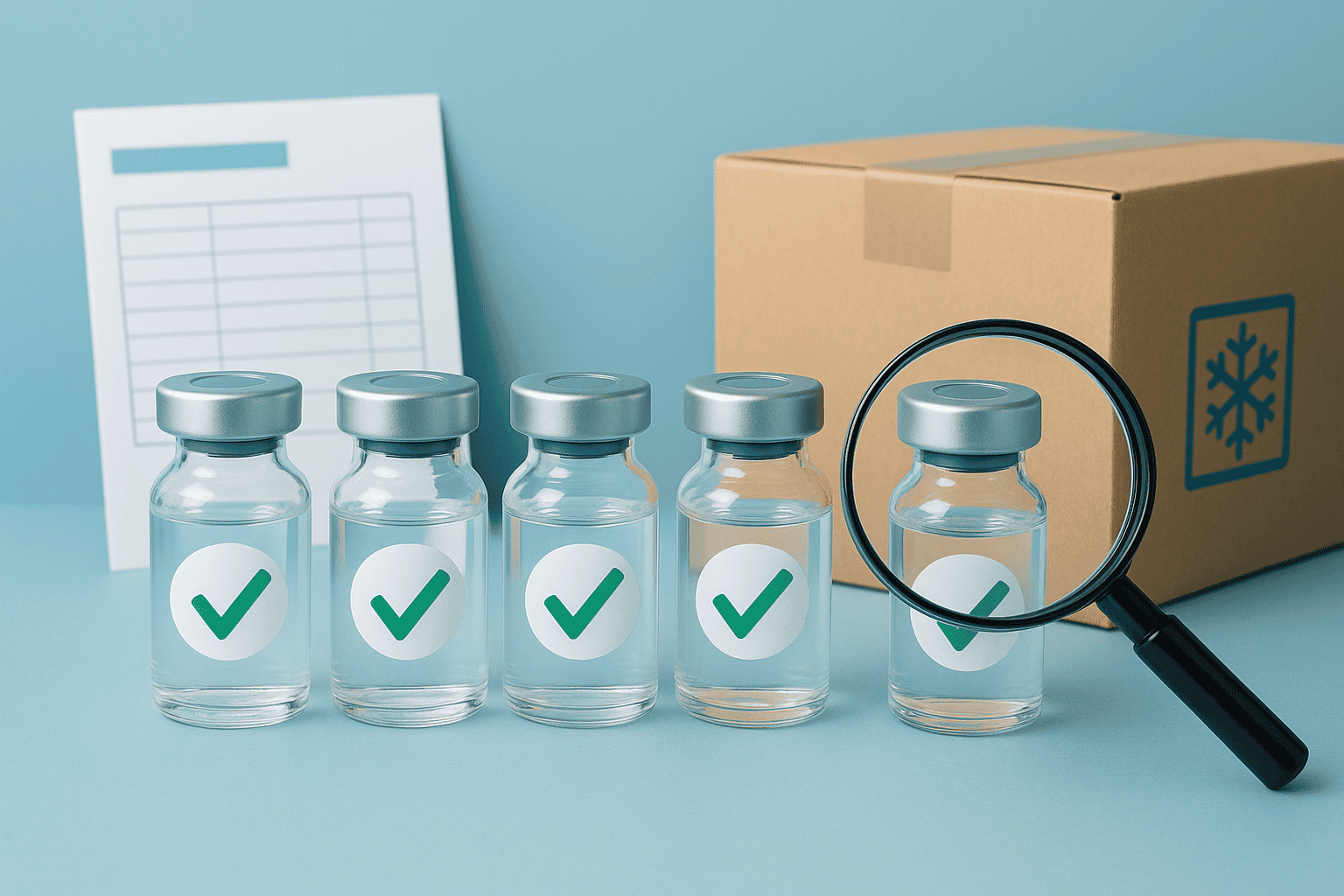
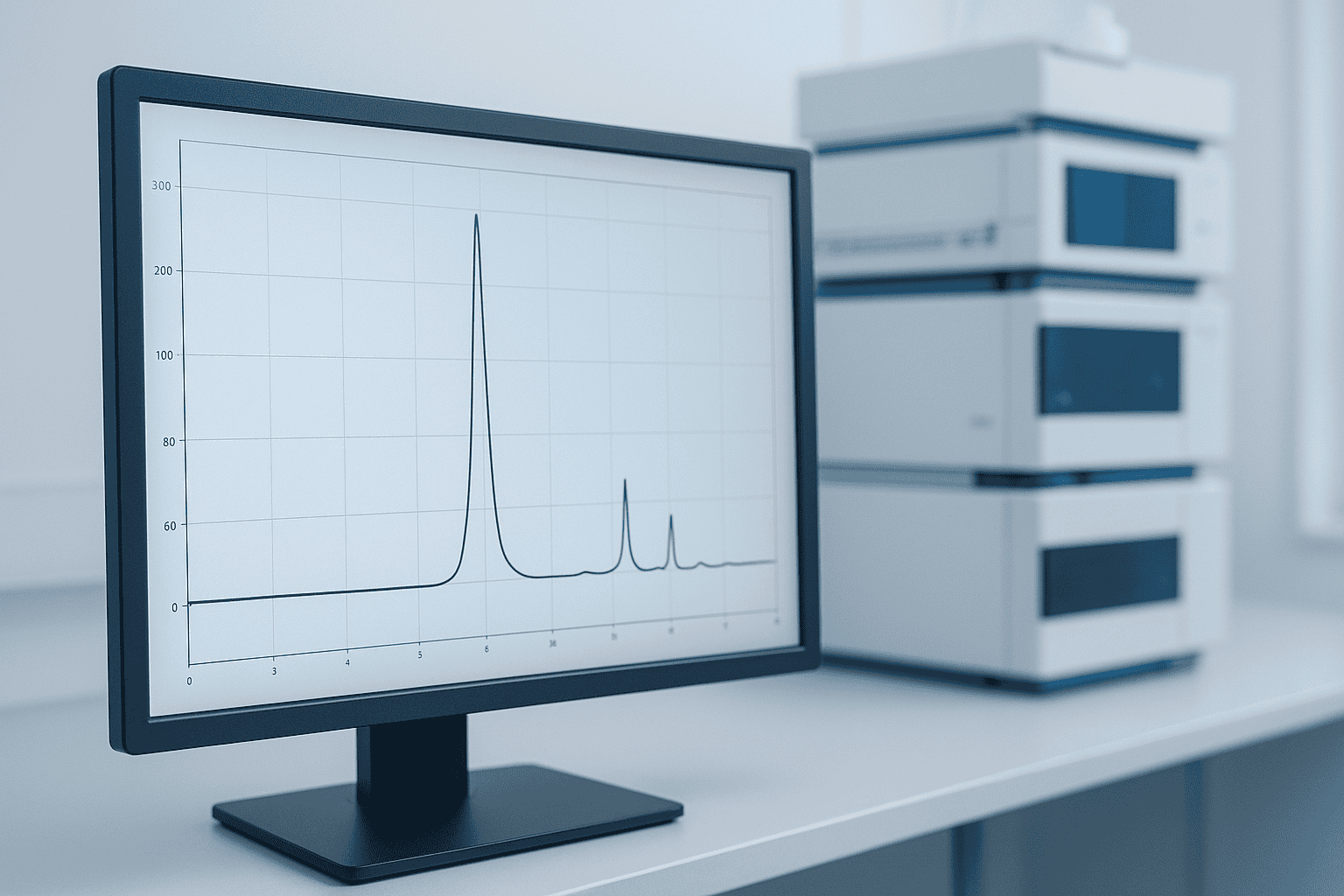
The extent of quality testing directly affects research peptide pricing. A supplier that only performs basic HPLC analysis can offer lower prices than one that also includes mass spectrometry confirmation, endotoxin testing, amino acid analysis, and third-party verification.
However, skimping on testing is a false economy. A cheaper peptide with inadequate quality documentation may produce unreliable experimental results, wasting far more money in lost time and materials than the savings on the purchase price.
Third-party testing adds cost because it involves sending samples to an independent laboratory and paying for their analytical services. But it also provides the most credible quality assurance, removing the conflict of interest inherent in self-testing. At Alpha Peptides, third-party HPLC and mass spectrometry testing is standard for every product, with results published in batch-specific COAs.
Factor 5: Batch Size and Scale
Economies of scale apply to peptide manufacturing just as they do in any other industry. Producing a large batch of peptide costs less per milligram than producing a small one because the fixed costs of setting up the synthesis, running quality control, and handling documentation are spread across more product.
This is why custom synthesis orders for small quantities tend to be more expensive per unit than catalog products manufactured in larger batches. If you need a common research peptide, buying from a supplier’s existing inventory is usually more cost-effective than commissioning a custom synthesis run.
Factor 6: Cold Chain and Logistics
Proper storage and shipping of peptides requires temperature control, insulated packaging, and sometimes cold packs or dry ice. These logistics add cost but protect product integrity. A supplier that ships peptides in a standard mailer with no temperature protection can offer lower prices, but the product may arrive degraded.
Domestic suppliers like Alpha Peptides, based in Derry, New Hampshire, have a logistics advantage for U.S. customers. Shorter transit times mean less exposure to temperature fluctuations and lower cold chain costs compared to international shipments.
Finding the Sweet Spot in Research Peptide Pricing
The best approach to peptide purchasing is to look for a supplier that offers transparent pricing backed by verifiable quality data. Avoid both the cheapest and most expensive extremes unless you have specific reasons to choose them.
The cheapest peptides on the market often come from suppliers who cut corners on purity, skip third-party testing, or provide questionable documentation. On the other end, extremely high prices do not automatically guarantee superior quality. Some suppliers charge premium prices primarily because of their brand name rather than demonstrably better products.
The sweet spot is a supplier that offers competitive pricing, comprehensive testing, transparent COA documentation, and responsive customer service. Alpha Peptides aims to occupy exactly that position. Browse our catalog at alpha-peptides.com/shop and see our quality documentation at alpha-peptides.com/coas.
Frequently Asked Questions
Why are some peptides so much cheaper than others?
Price differences can reflect legitimate factors like peptide length, purity, and batch size. However, very low prices may also indicate reduced testing, lower actual purity, or poor handling practices. Always verify quality claims with COA documentation.
Does a higher price guarantee better quality?
Not necessarily. Higher prices sometimes reflect brand premiums, overhead costs, or marketing expenses rather than superior product quality. The best indicator of quality is transparent, verifiable testing data, not the price tag.
Why do longer peptides cost more?
Longer peptides require more synthesis cycles, more amino acid building blocks, more reagents, and more purification. Each additional amino acid adds incremental cost, and yields generally decrease with longer sequences.
How can I get the best value when buying research peptides?
Compare suppliers based on both price and documentation. Look for batch-specific COAs with HPLC and mass spec data. Consider the total cost of quality, including the potential cost of wasted experiments if a cheaper product turns out to be substandard.
Does Alpha Peptides offer competitive pricing?
Alpha Peptides balances competitive pricing with comprehensive quality testing. Every product includes third-party HPLC and mass spectrometry verification. Visit alpha-peptides.com/shop to view current pricing and product availability.
For research use only. Not for human consumption. This article is provided for educational and informational purposes. Alpha Peptides products are intended solely for in vitro research and laboratory use. Always consult applicable regulations and institutional guidelines before purchasing research materials.