
· For research use only. Not for human consumption.
For research use only. Not for human consumption.
When shopping for research peptides, one of the most important numbers on the label is the purity percentage. Understanding peptide purity grades is essential for any researcher who wants reliable, reproducible results from their experiments. But what does 95% purity actually mean? And is the jump from 95% to 99% worth the added cost?
If those questions sound familiar, this article is for you. We will explain what purity means in the context of research peptides, how it is measured, why different grades exist, and how to decide which purity level fits your particular research needs.
The short answer is that purity tells you how much of the material in the vial is actually the peptide you ordered versus unwanted byproducts. The longer answer, which we will cover below, involves some fascinating chemistry and practical considerations that every buyer should understand.
TL;DR: Peptide purity grades (95%, 98%, 99%) indicate the percentage of the product that is the intended peptide versus impurities. Purity is measured by HPLC. Higher purity means fewer impurities that could confound research results. The right grade depends on your specific application. Always verify purity claims with a Certificate of Analysis.
For research use only. Not for human consumption.
What Peptide Purity Actually Means
When a peptide is synthesized, the process is not 100% perfect. Even with the best equipment and techniques, some chains end up incomplete, some have the wrong amino acid at one position, and some undergo unwanted chemical modifications. All of these errors create byproducts that end up mixed in with the correctly assembled peptide.
Purity percentage tells you how much of the total material is the correct, target peptide. A purity of 98% means that for every 100 units of material, 98 are the peptide you wanted and 2 are something else. Those “something else” molecules are typically closely related peptides with minor errors, deletion sequences (missing one amino acid), or chemically modified variants.
This might sound like a small difference, but in sensitive research, even 2-5% impurity can introduce variability into your results.
How Peptide Purity Grades Are Measured
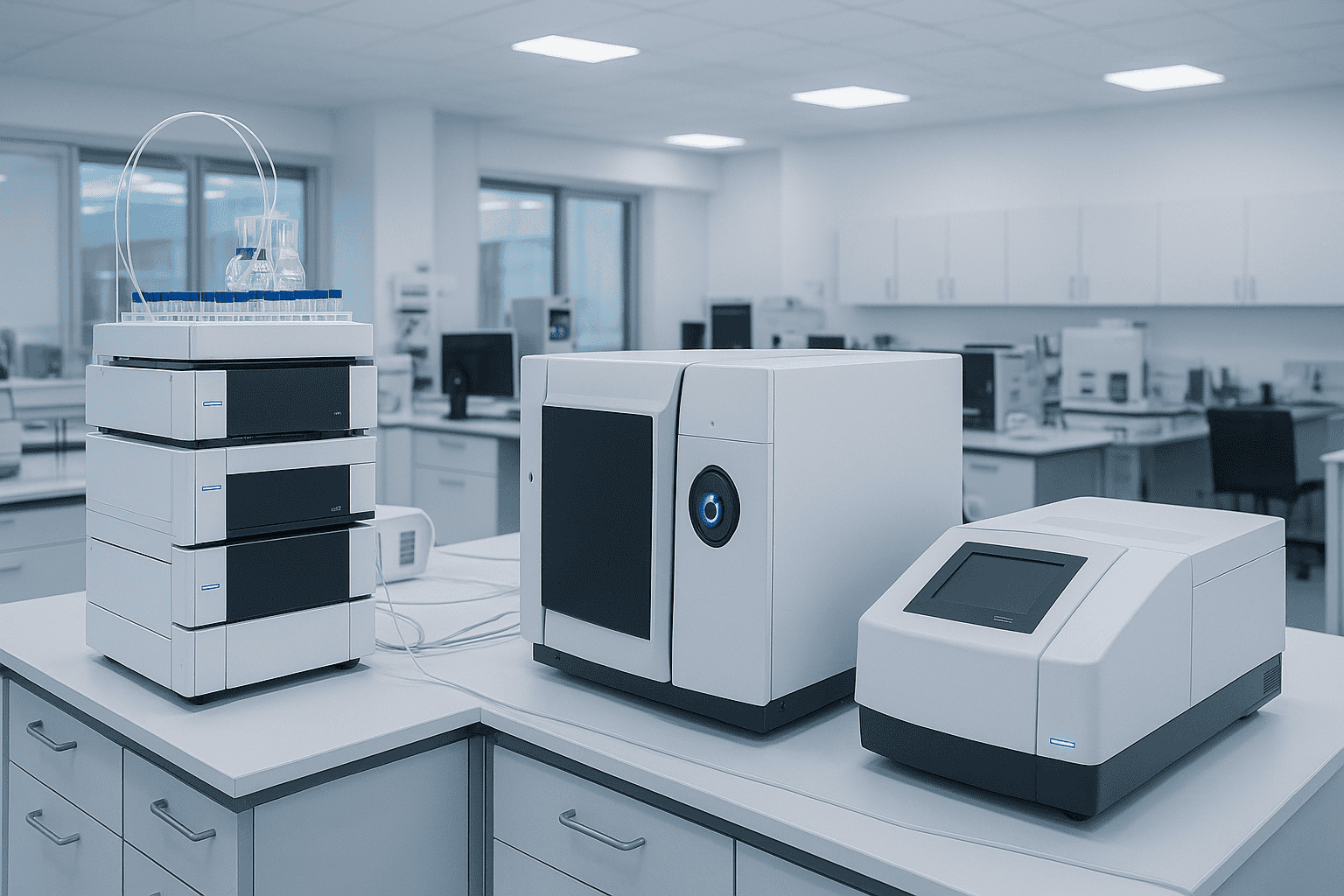
The standard tool for measuring peptide purity is high-performance liquid chromatography, or HPLC. Here is how it works in simple terms.
A sample of the peptide is dissolved and pushed through a column packed with tiny particles. Different molecules travel through the column at different speeds based on their chemical properties. A detector at the end measures what comes out and when.
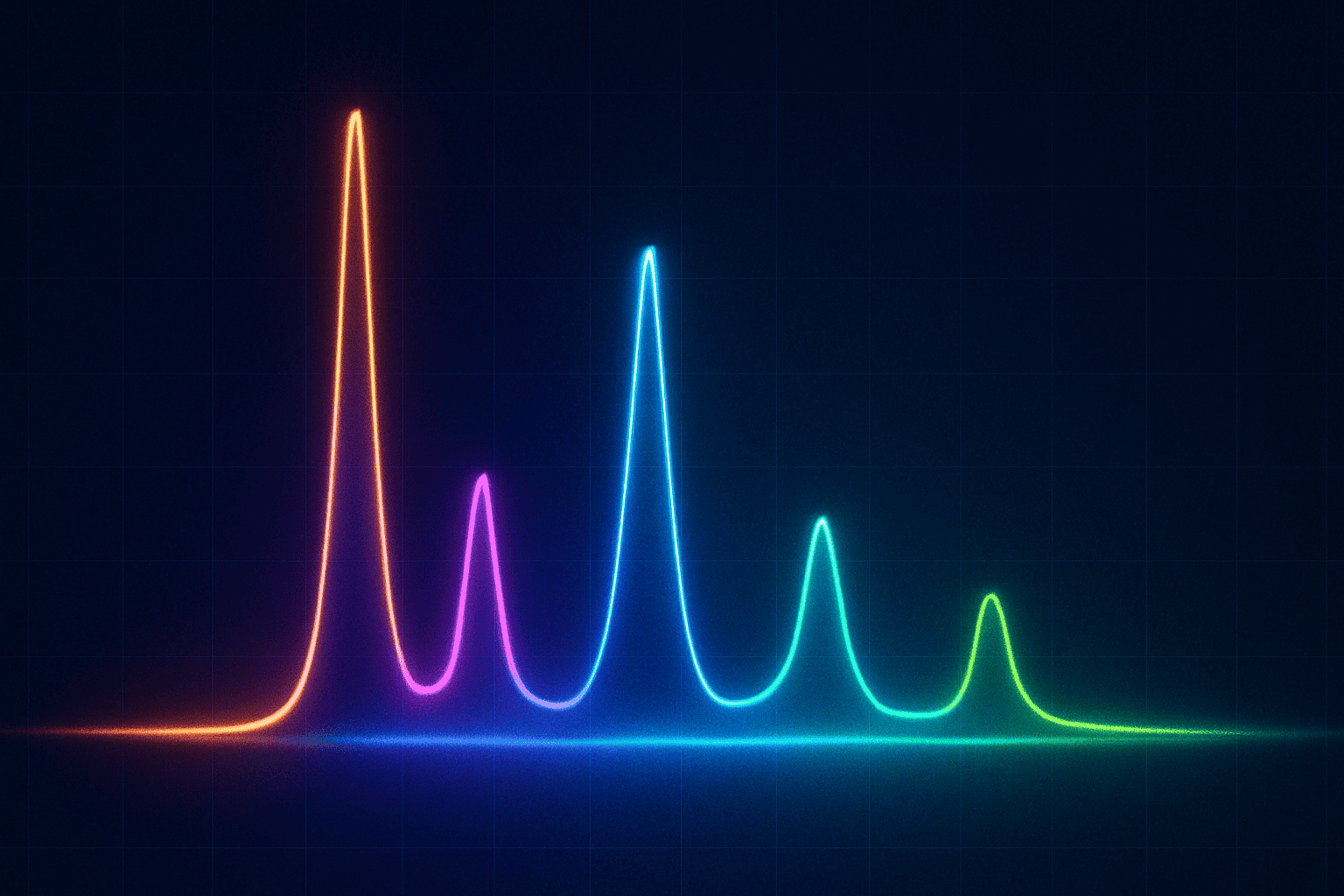
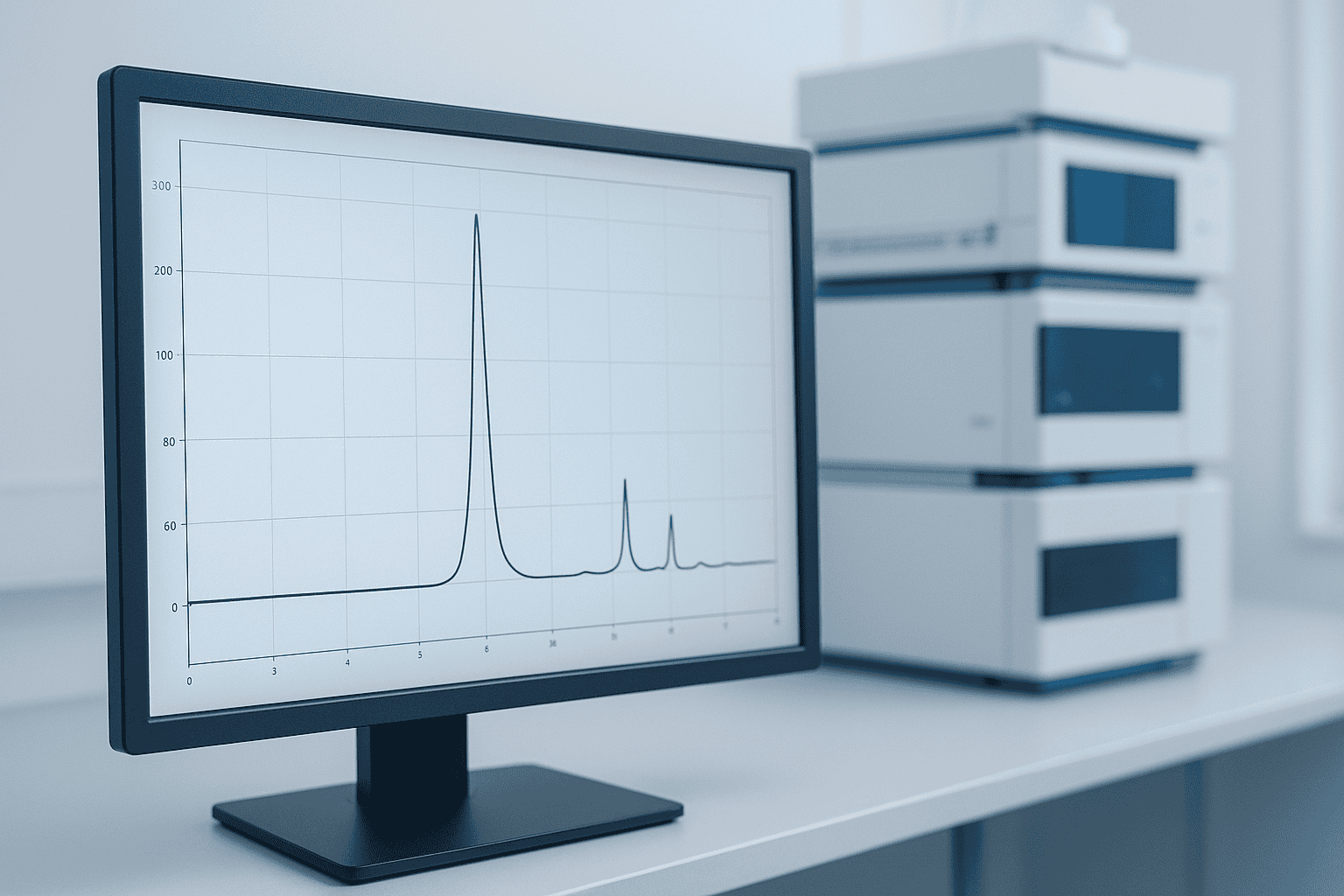
The result is a chart called a chromatogram, which shows peaks at different points. The main peak represents your target peptide. Any smaller peaks represent impurities. Purity is calculated by comparing the area of the main peak to the total area of all peaks.
A clean chromatogram with one tall, sharp peak and very few small bumps indicates high purity. A messy chromatogram with many peaks of various sizes indicates lower purity and more impurities.
Snyder, L.R. et al. (2010) provided comprehensive guidance on HPLC method development and interpretation for peptide and protein analysis. (PMID: 20443188)
Comparing Peptide Purity Grades: 95% vs 98% vs 99%
Here is a practical breakdown of the most common purity tiers you will encounter:
95% purity is generally considered the minimum standard for research-grade peptides. At this level, up to 5% of the material consists of impurities. This grade can be suitable for preliminary screening experiments, assay development, or applications where slight impurity is tolerable.
98% purity is a step up and is the most commonly requested grade for general research use. With only about 2% impurities, this grade offers a good balance between cost and quality. Most in vitro studies and standard laboratory investigations use peptides at this purity level.
99% purity and above represents the highest standard. Achieving this level requires more extensive purification, which increases both processing time and cost. This grade is typically reserved for experiments where even trace impurities could interfere with results, such as highly sensitive binding assays or quantitative analyses.
It is worth noting that purity claims should always be backed by data. A number on a label means nothing without a Certificate of Analysis (COA) to support it.
Common Impurities in Research Peptides
So what are these impurities, exactly? The most common ones include:
- Deletion peptides: Chains missing one or more amino acids from the intended sequence. These are the most frequent byproduct of synthesis.
- Truncated peptides: Incomplete chains where synthesis stopped early.
- Modified peptides: Chains where an amino acid underwent an unintended chemical change, such as oxidation of methionine residues.
- Racemized peptides: Chains where one amino acid flipped from its natural L-form to the D-form during synthesis.
- Residual reagents: Traces of chemicals used during synthesis or purification.
Mass spectrometry is used alongside HPLC to confirm that the main peak is actually the correct peptide. HPLC tells you how pure the sample is. Mass spec tells you whether the main component has the right molecular weight. Together, they provide a comprehensive picture of product quality.
How Alpha Peptides Ensures Quality
At Alpha Peptides, every product undergoes both HPLC analysis and mass spectrometry verification. We use third-party testing to ensure objectivity, and we publish batch-specific COAs so you can review the actual data for the exact lot you are purchasing.
Our COAs include the HPLC chromatogram, molecular weight confirmation, batch number, and measured purity percentage. You can access all of this documentation on our COA page. We believe transparency is not optional; it is the baseline expectation for any responsible peptide supplier.
Based in Derry, New Hampshire, Alpha Peptides provides U.S.-sourced research peptides with fast domestic shipping. Browse our catalog at alpha-peptides.com/shop.
Frequently Asked Questions
What is a good purity level for research peptides?
For most general research applications, 98% purity is the standard choice. It offers a strong balance of quality and value. Highly sensitive experiments may require 99% or higher purity.
How is peptide purity measured?
Purity is primarily measured using high-performance liquid chromatography (HPLC). The technique separates the target peptide from impurities and calculates purity based on peak areas in the resulting chromatogram.
Can a supplier claim high purity without proof?
Any supplier can put a number on a label, but a trustworthy supplier will provide a batch-specific Certificate of Analysis (COA) with actual HPLC data. Always request and review the COA before relying on purity claims.
What is the difference between HPLC purity and mass spec?
HPLC measures purity by separating components and calculating their relative amounts. Mass spectrometry confirms the molecular weight of the main component. Together, they verify both the quantity and identity of the target peptide.
Does Alpha Peptides provide COAs for every batch?
Yes. Every Alpha Peptides product comes with a batch-specific COA that includes HPLC and mass spectrometry data. These documents are available at alpha-peptides.com/coas.
For research use only. Not for human consumption. This article is provided for educational and informational purposes. Alpha Peptides products are intended solely for in vitro research and laboratory use. Always consult applicable regulations and institutional guidelines before purchasing research materials.