
· For research use only. Not for human consumption.
For research use only. Not for human consumption.
If you have ever heard a scientist talk about connective tissue research, chances are they mentioned fibroblasts. These cells are the construction workers of the body — they build and maintain the structural framework that holds everything together. And when researchers study the copper-binding peptide GHK-Cu, fibroblasts are often the cells they work with. GHK-Cu fibroblast research has produced some of the most cited findings in the peptide science field.
But what are fibroblasts, exactly? Why do scientists use them so often in laboratory experiments? And what has GHK-Cu fibroblast research actually shown? In this post, we will answer all of those questions in plain language — no science degree required.
Whether you are just getting into peptide research or you have been following the field for a while, understanding fibroblasts is key to understanding why GHK-Cu is such a widely studied compound in the laboratory.
TL;DR: Fibroblasts are the cells responsible for building connective tissue, producing collagen and other structural proteins. GHK-Cu has been extensively studied in fibroblast cultures, with published research documenting effects on cell proliferation, migration, and gene expression (Pickart L, Margolina A, 2012, PMID: 22782788; Pickart et al., 2014, PLOS ONE). For research use only. Not for human consumption.
What Are Fibroblasts? The Construction Workers of the Body
Picture a construction crew building a house. They lay the foundation, put up the framing, and create the structure that everything else rests on. Fibroblasts do something very similar inside the body, but at a microscopic level.
Fibroblasts are cells that produce and organize the extracellular matrix — the structural framework that exists outside of cells and gives tissues their shape and strength. The most important product fibroblasts make is collagen, the most abundant protein in the human body. They also produce elastin (which provides flexibility), fibronectin (which helps cells attach to the matrix), and various other structural molecules.
You will find fibroblasts throughout the body: in skin, tendons, ligaments, blood vessel walls, the gut lining, and virtually every organ. Wherever there is connective tissue, there are fibroblasts maintaining it.
Because fibroblasts are so central to tissue structure, they are one of the most commonly used cell types in laboratory research. Scientists have been growing fibroblasts in cell culture dishes for decades, making them well-understood and reliable experimental subjects.
Why Scientists Use Fibroblasts in GHK-Cu Research
There are several reasons fibroblasts are the go-to cell type for GHK-Cu fibroblast experiments:
Relevance. GHK-Cu’s published effects are closely tied to connective tissue processes — collagen production, extracellular matrix organization, and tissue biology. Fibroblasts are the primary cells responsible for these processes, making them the natural choice for studying GHK-Cu.
Reliability. Fibroblasts grow well in laboratory culture. They are hardy cells that survive and proliferate under standard cell culture conditions, which means researchers can run consistent, reproducible experiments.
Measurability. The things fibroblasts do — produce collagen, migrate, divide, change gene expression — are all things scientists can measure precisely. This makes it possible to quantify GHK-Cu’s effects rather than relying on subjective observations.
Historical data. Because fibroblasts have been used in research for so long, there is a large body of baseline data to compare against. When a researcher adds GHK-Cu to fibroblast cultures, they can compare results to decades of published control data.
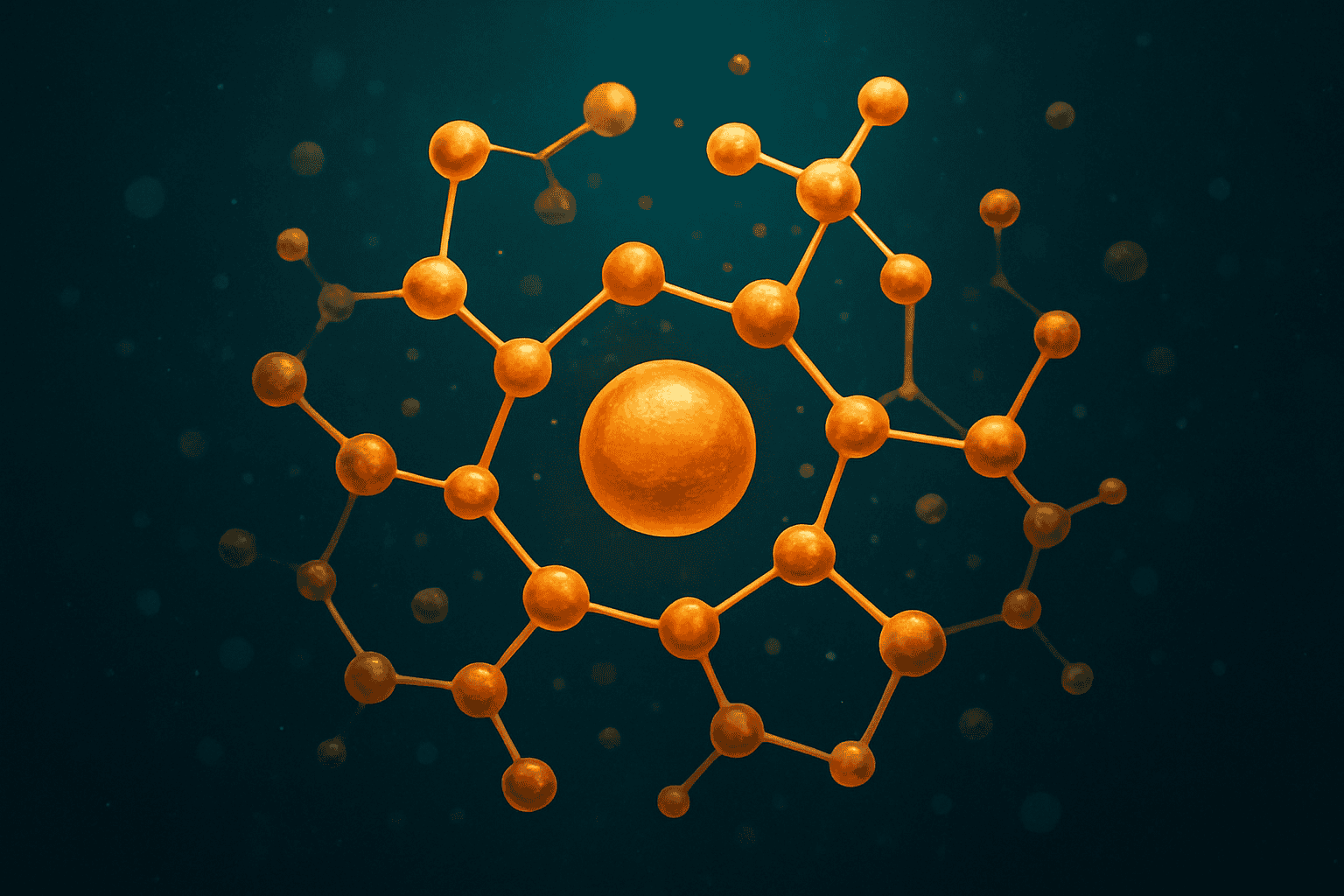
Cell Culture Research Methods: How the Experiments Work
For those unfamiliar with laboratory research, here is a quick overview of how fibroblast experiments typically work.
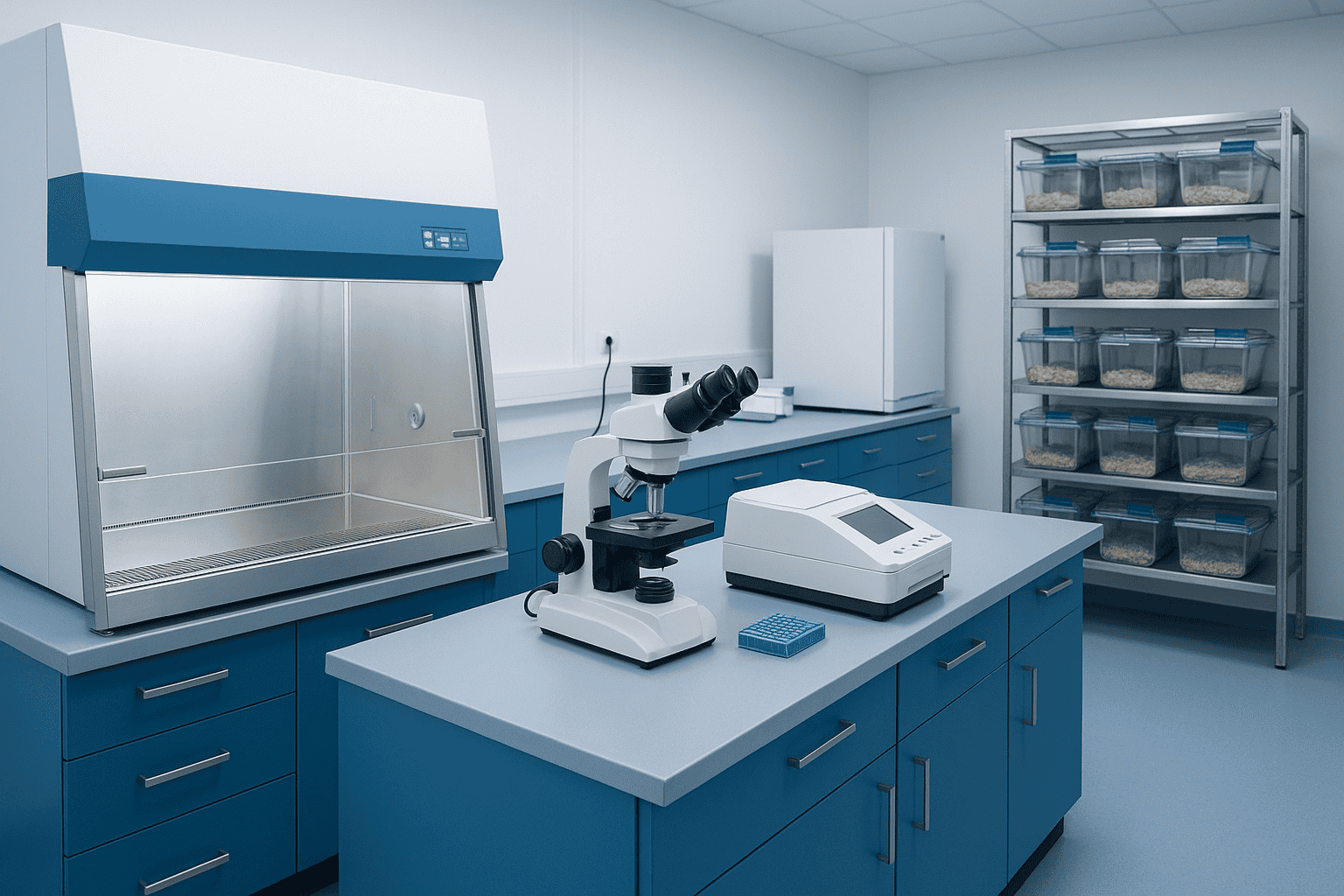
Researchers start by growing fibroblasts in flat dishes filled with nutrient-rich liquid (culture medium). The cells attach to the bottom of the dish and spread out, eventually forming a single layer. Once the cells are established and healthy, the experiment begins.
In a typical GHK-Cu experiment, researchers divide their dishes into groups. Some dishes receive GHK-Cu in their culture medium (the treatment group), while others receive plain medium with no peptide (the control group). Everything else — temperature, nutrients, cell density — is kept identical between groups.
After a set period of time, researchers measure the differences between treated and control groups. They might measure how many cells there are (proliferation), how far cells have moved (migration), what proteins the cells are producing (collagen and other matrix proteins), or which genes are active (gene expression). These measurements produce the data that gets published in scientific papers.
Pickart L, Margolina A (2012) reviewed multiple fibroblast culture studies involving GHK-Cu, documenting observations across proliferation, migration, and collagen-related assays. (PMID: 22782788)
Proliferation and Migration: Key GHK-Cu Fibroblast Observations
Two of the most frequently measured outcomes in GHK-Cu fibroblast research are proliferation (cell division) and migration (cell movement). Both are essential components of how fibroblasts do their job in biological systems.
Proliferation refers to cells dividing to increase their numbers. In laboratory studies, researchers count cells at specific time points to determine whether a compound affects the rate of cell division. Published fibroblast studies have examined how GHK-Cu exposure influences proliferation rates compared to untreated controls.
Migration refers to cells moving from one location to another. This is particularly relevant in wound biology research, where fibroblasts need to move into damaged areas to begin repair processes. Scientists measure migration using scratch assays (creating a gap in a cell layer and watching cells fill it) and other standardized techniques.
In published studies, fibroblasts treated with GHK-Cu have been observed to show differences in both proliferation and migration compared to control groups. These observations have been documented across multiple independent laboratories, which adds confidence to the findings — when different research groups see similar results, it strengthens the overall body of evidence.
Gene Expression Changes in GHK-Cu Fibroblast Studies
Beyond simply counting cells or measuring movement, modern research tools allow scientists to look at what is happening inside fibroblasts at the genetic level. Gene expression analysis reveals which genes are being turned on or off in response to GHK-Cu exposure.
The landmark Connectivity Map analysis found that GHK-Cu influenced the expression of over 4,000 human genes (Pickart et al., 2014, PLOS ONE). Many of these genes are directly relevant to fibroblast function — including genes involved in collagen production, extracellular matrix organization, and cellular signaling.
This gene-level data gives researchers a deeper understanding of how GHK-Cu affects fibroblasts. Rather than just observing that cells behave differently, they can identify the specific genetic programs that are being activated or suppressed. This information guides future research by pointing scientists toward specific pathways worth investigating in greater detail.
Pickart L, Vasquez-Soltero JM, Margolina A (2015) provided biological context for GHK-Cu fibroblast research by documenting its natural occurrence in human plasma and age-related concentration changes. (PMID: 26050778)
Why GHK-Cu Fibroblast Research Matters
Fibroblast research with GHK-Cu matters because it builds our understanding of how copper-binding peptides interact with the cells most responsible for building and maintaining the body’s structural framework. Each published study adds detail and nuance to this picture.
The consistency of findings across multiple laboratories and multiple experimental approaches strengthens confidence in the research. When cell proliferation assays, migration studies, and gene expression analyses all point in consistent directions, researchers can be more confident that they are observing real biological phenomena rather than experimental artifacts.
All of this work takes place in controlled laboratory settings. Fibroblast cell cultures are a preclinical research model, and the observations made in these experiments represent early-stage scientific investigation that helps guide future research directions.
Alpha Peptides offers GLOW, a proprietary research blend built around GHK-Cu — the copper-binding peptide at the center of decades of fibroblast research. Every batch is third-party tested for purity and identity — review the results on our Certificates of Analysis page. GLOW is formulated exclusively for laboratory and research use.
Frequently Asked Questions
What exactly are fibroblasts?
Fibroblasts are cells that produce and maintain the extracellular matrix — the structural framework of connective tissue. They are the primary producers of collagen, the most abundant protein in the body. Think of them as the construction workers that build and repair the body’s structural framework.
Why are fibroblasts used in GHK-Cu research?
Fibroblasts are used because GHK-Cu’s published effects are closely tied to connective tissue processes that fibroblasts control. They are also reliable laboratory cells that grow well in culture and produce measurable, quantifiable outcomes.
What have studies found about GHK-Cu and fibroblasts?
Published research has observed effects on fibroblast proliferation (cell division), migration (cell movement), and gene expression in controlled laboratory experiments. These findings have been documented across multiple independent research groups (Pickart and Margolina, 2012, PMID: 22782788).
Are fibroblast studies the same as clinical trials?
No. Fibroblast studies are preclinical research conducted in cell culture dishes in controlled laboratory settings. They are an important early stage of scientific investigation but do not represent clinical trials or studies in human subjects.
For research use only. Not for human consumption. This article is intended for educational and informational purposes. It does not constitute medical advice. Always consult qualified professionals for health-related questions.