
· For research use only. Not for human consumption.
For research use only. Not for human consumption.
One of the most interesting facts about GHK-Cu is that it is not a synthetic invention. GHK-Cu blood plasma research has shown that this copper-binding tripeptide occurs naturally in human blood. It is produced by the body and circulates in the bloodstream, which is exactly where it was first discovered back in the 1970s.
This natural occurrence is a big part of why GHK-Cu attracts so much scientific interest. When a peptide is found in the body’s own blood supply, researchers want to understand what it does, how much of it is present, and whether those levels change over time. The answers to those questions have shaped decades of peptide research.
In this post, we will tell the story of how GHK-Cu blood plasma levels were first measured, what those measurements revealed, and why the natural presence of this peptide in human blood continues to drive laboratory investigation today.
TL;DR: GHK-Cu naturally occurs in human blood plasma at approximately 200 ng/mL in younger adults. Levels decline with age, as documented by Pickart L, Vasquez-Soltero JM, Margolina A (2015) (PMID: 26050778). This age-related change is one reason GHK-Cu remains an active area of preclinical investigation. For research use only. Not for human consumption.
What Is Blood Plasma?
Before we dive into GHK-Cu specifically, let us clarify what blood plasma actually is. When you think of blood, you probably picture a red liquid. But blood is actually made up of several components. The red and white blood cells and platelets make up about 45 percent of blood volume. The other 55 percent is plasma — a yellowish liquid that carries everything else.
Plasma is mostly water, but it also contains hundreds of different proteins, peptides, hormones, nutrients, and waste products. It is essentially the body’s delivery system, carrying substances from one place to another. When scientists study what is floating around in plasma, they often find peptides that play important roles in biological processes.
GHK-Cu is one of those peptides. It was found circulating freely in human blood plasma, which immediately raised questions: Why is it there? What does it do? And does the amount change over a person’s lifetime?
The Discovery Story: Pickart’s Original Observation
The discovery of GHK-Cu in blood plasma is a classic example of careful scientific observation leading to an unexpected finding. In the 1970s, biochemist Loren Pickart was running experiments comparing blood plasma from donors of different ages. He was not specifically looking for new peptides — he was studying how plasma components affected cells in laboratory cultures.
Pickart noticed that plasma from younger donors produced different results in his experiments compared to plasma from older donors. Something in the younger plasma was causing measurable differences in cell behavior in the lab. This was a clue that a specific molecule was present in different amounts depending on the donor’s age.
Through a process of elimination — separating plasma into smaller and smaller fractions and testing each one — Pickart eventually isolated a tiny peptide made of just three amino acids: glycine, histidine, and lysine. He found that this peptide naturally bound to copper ions in the plasma. GHK-Cu had been discovered.
Pickart L, Vasquez-Soltero JM, Margolina A (2015) detailed the discovery and measured age-related changes in GHK-Cu plasma concentrations. (PMID: 26050778)
Measured Concentrations in GHK-Cu Blood Plasma Research
Once GHK-Cu was identified, researchers worked to measure exactly how much of it was present in human blood plasma. The numbers they found have been widely cited in the scientific literature.
In younger adults, GHK-Cu blood plasma concentrations were measured at approximately 200 nanograms per milliliter (ng/mL). To put that in perspective, a nanogram is one billionth of a gram. So we are talking about a very tiny amount — but in biology, very small quantities of the right molecule can have significant effects in laboratory systems.
For comparison, many hormones and signaling molecules in the body operate at similarly low concentrations. The fact that GHK-Cu is present at measurable levels in plasma tells researchers it is a consistent part of the body’s biochemistry, not a random byproduct.
Age-Related Decline: What the Numbers Show
Perhaps the most frequently cited finding in GHK-Cu research is the age-related decline in plasma levels. Studies have documented that as people age, the concentration of GHK-Cu in their blood plasma decreases. By older age, levels drop significantly compared to the approximately 200 ng/mL measured in younger adults.
This observation has been a major driver of ongoing research interest. When scientists see a naturally occurring molecule decline with age, it raises questions worth investigating: Is the decline connected to age-related changes observed in laboratory models? What happens in cell cultures when GHK-Cu levels are varied? Can studying this decline teach us anything about basic biological processes?
It is important to emphasize that observing a decline does not prove cause and effect. Many things change with age, and the relationship between GHK-Cu levels and any specific biological process requires careful investigation in controlled laboratory settings. Researchers approach these questions methodically, one experiment at a time.
Why Natural Occurrence Matters for Research
The fact that GHK-Cu is found naturally in human blood plasma, rather than being an entirely synthetic creation, gives it a particular kind of research relevance. When a peptide is already part of the body’s normal biochemistry, scientists can study it in a context that has direct biological grounding.
Many research peptides are synthesized in the lab and have no natural counterpart in the human body. Those peptides are still valuable research tools, but GHK-Cu offers something additional: a connection to the body’s own chemistry. This makes it useful for researchers studying endogenous peptide biology — the study of peptides the body produces on its own.
Published research has shown that GHK-Cu influences over 4,000 human genes in laboratory analyses (Pickart et al., 2014, PLOS ONE). The fact that a naturally occurring peptide has such broad influence on gene expression has made it a subject of sustained scientific interest across multiple research disciplines.
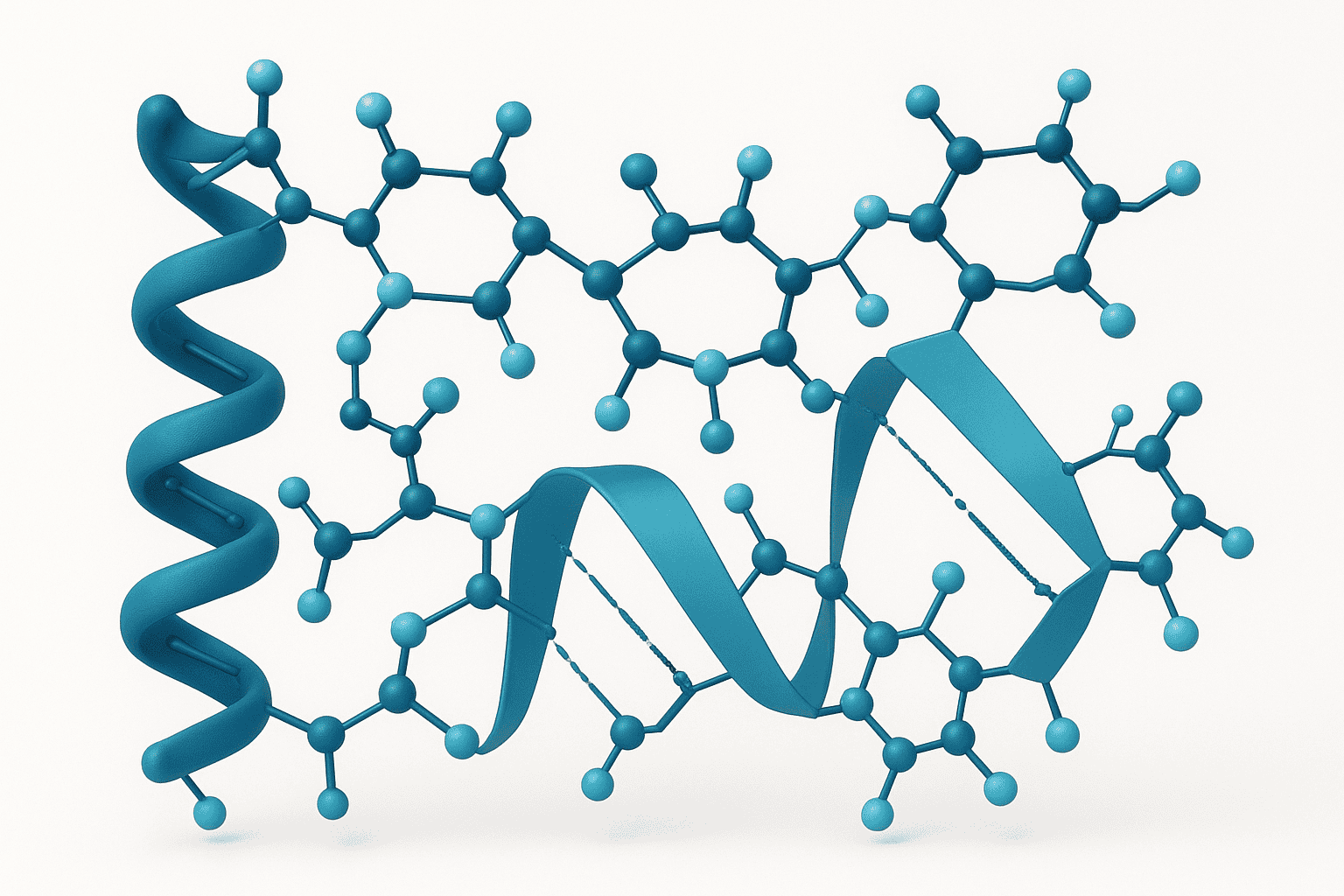
Pickart L, Margolina A (2012) provided a comprehensive review of GHK-Cu research, including its natural occurrence and preclinical observations across multiple experimental models. (PMID: 22782788)
What Comes Next in GHK-Cu Blood Plasma Research
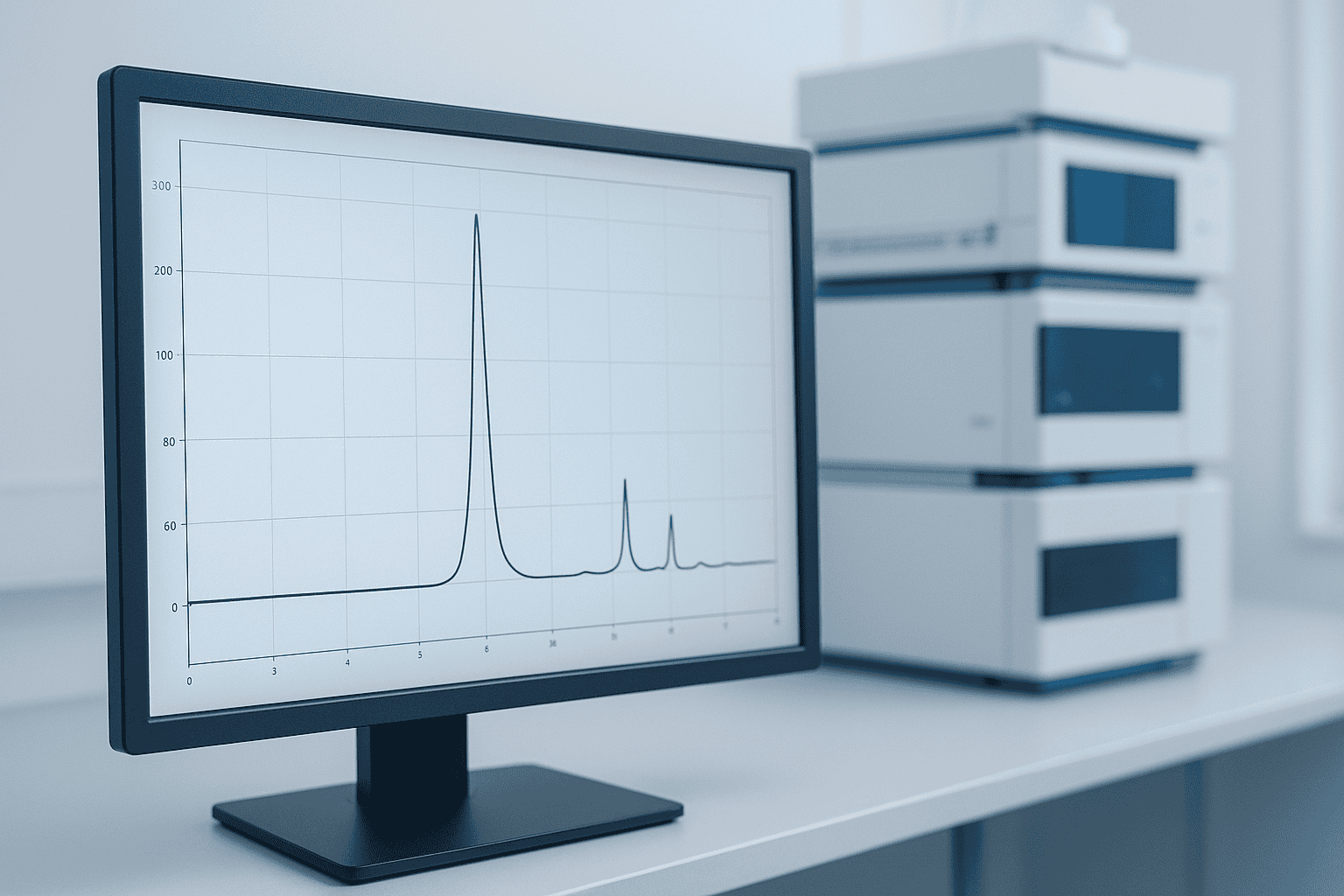
Research into GHK-Cu’s presence in blood plasma continues to evolve. Modern analytical techniques allow scientists to measure peptide concentrations with greater precision than was possible in earlier decades. New laboratory models provide additional ways to study how GHK-Cu interacts with cells and biological systems in controlled settings.
The combination of natural occurrence, age-related decline, and broad gene expression effects makes GHK-Cu a peptide that researchers keep coming back to. Each new study builds on the foundation that Pickart laid in the 1970s, adding detail and nuance to our understanding of this remarkable copper-binding tripeptide.
Alpha Peptides offers GLOW, a research-grade blend featuring GHK-Cu as its primary component. All batches are third-party tested for purity and identity — see the latest results on our Certificates of Analysis page. GLOW is designed exclusively for laboratory and research applications.
Frequently Asked Questions
Is GHK-Cu found naturally in the human body?
Yes. GHK-Cu has been identified and measured in human blood plasma. It is a naturally occurring tripeptide that binds copper and circulates in the bloodstream.
How much GHK-Cu is in blood plasma?
Research has measured GHK-Cu concentrations at approximately 200 nanograms per milliliter (ng/mL) in younger adults. These levels have been documented to decline with age (Pickart et al., 2015, PMID: 26050778).
Do GHK-Cu levels change with age?
Published research has documented an age-related decline in GHK-Cu plasma levels. The concentration measured in younger adults is higher than what is found in older adults, though the exact rate of decline may vary between individuals.
Why is natural occurrence important for research?
When a peptide occurs naturally in the body, it provides researchers with a biologically grounded starting point for laboratory investigation. GHK-Cu’s presence in plasma connects it to the body’s own biochemistry, making it a particularly relevant subject for endogenous peptide research.
For research use only. Not for human consumption. This article is intended for educational and informational purposes. It does not constitute medical advice. Always consult qualified professionals for health-related questions.