
· For research use only. Not for human consumption.
For research use only. Not for human consumption.
If you have ever looked into research peptides, you have probably come across the term GHK-Cu copper peptide. But what exactly is it, and why does it get so much attention in the research world? In simple terms, GHK-Cu is a very small protein fragment that naturally binds to copper. That copper connection is what makes it stand out from nearly every other peptide scientists study today.
Unlike most peptides that are made up of long chains of amino acids, GHK-Cu is remarkably tiny — just three amino acids long. Yet its ability to grab onto a copper atom gives it properties that larger, more complex peptides simply do not have. For anyone curious about peptide research, understanding GHK-Cu is a great place to start.
In this post, we will break down what GHK-Cu is, how it was discovered, why copper matters in biology, and what makes this GHK-Cu copper peptide different from everything else on the research bench. No science degree required — we will keep it straightforward.
TL;DR: GHK-Cu is a naturally occurring tripeptide (three amino acids) that binds copper. It was discovered in the 1970s by researcher Loren Pickart and has been found in human blood plasma. Research has examined its role across thousands of gene pathways (Pickart et al., 2014, PLOS ONE) and in various preclinical models (Pickart L, Margolina A, 2012, PMID: 22782788). For research use only. Not for human consumption.
What Is GHK-Cu Copper Peptide?
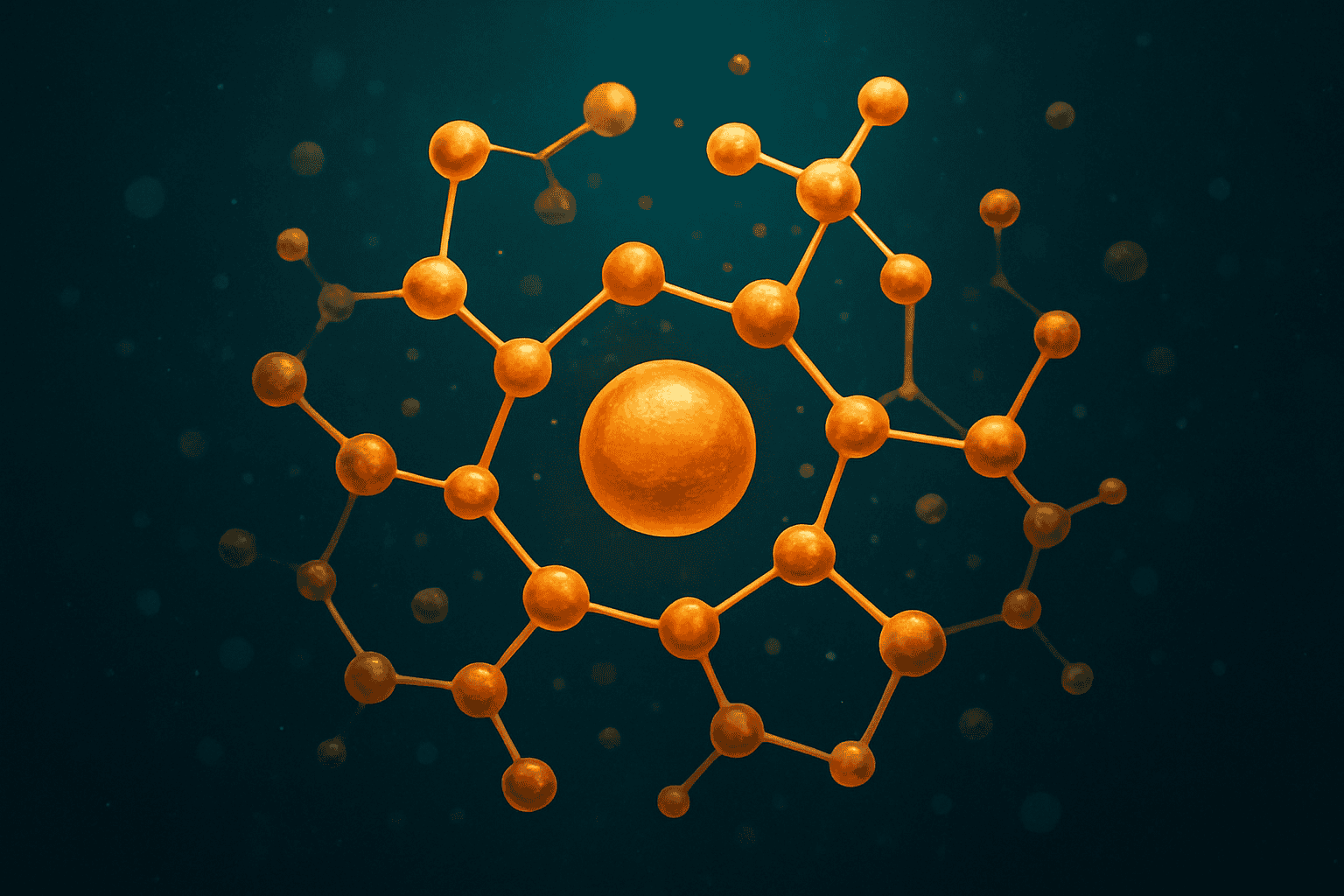
Let us start with the name. GHK stands for glycyl-L-histidyl-L-lysine. Those are the three amino acids that make up this peptide: glycine, histidine, and lysine. The “Cu” part stands for copper, using its symbol from the periodic table. So when you see “GHK-Cu,” you are looking at a tiny chain of three amino acids that has a copper atom attached to it.
Amino acids are the building blocks of proteins. Most proteins in your body are made of hundreds or even thousands of amino acids strung together. GHK-Cu, with just three, is one of the smallest peptides that scientists study. Despite its small size, the copper bond gives it unusual chemical behavior that has attracted research attention for decades.
The Discovery of GHK-Cu
The story of GHK-Cu begins in the 1970s with a biochemist named Loren Pickart. While studying human blood, Pickart noticed something interesting: blood plasma from younger donors behaved differently from plasma taken from older donors when tested in certain laboratory experiments. He set out to figure out what was causing the difference.
After careful separation and analysis, Pickart isolated a small peptide — GHK — and found that it was present at higher concentrations in younger blood plasma. He later determined that this peptide naturally binds to copper ions in the bloodstream. That discovery opened up an entirely new area of peptide research that continues to this day.
Pickart L, Vasquez-Soltero JM, Margolina A (2015) documented the age-related decline of GHK-Cu levels in human plasma. (PMID: 26050778)
Why Copper Matters in Biology
Copper is what scientists call an essential trace element. Your body needs it in small amounts for many basic functions. Copper helps certain enzymes do their jobs — enzymes are the tiny machines inside cells that make chemical reactions happen. Without copper, some of these enzymes simply cannot work.
For example, copper is needed by an enzyme called lysyl oxidase, which plays a role in connective tissue structure. Another copper-dependent enzyme, superoxide dismutase, is involved in managing oxidative stress at the cellular level. Copper is not just a metal sitting in a test tube — it is an active player in basic biological processes.
This is why a peptide that binds copper is so interesting to researchers. GHK-Cu does not just carry copper around. The way it binds and coordinates with the copper atom changes how the peptide interacts with cells in laboratory experiments.
What Makes Copper Peptides Different From Other Peptides
Most research peptides work through one basic mechanism: they fit into a receptor on a cell’s surface, like a key fitting into a lock. The receptor then sends a signal inside the cell. That is how the majority of peptides function in laboratory studies.
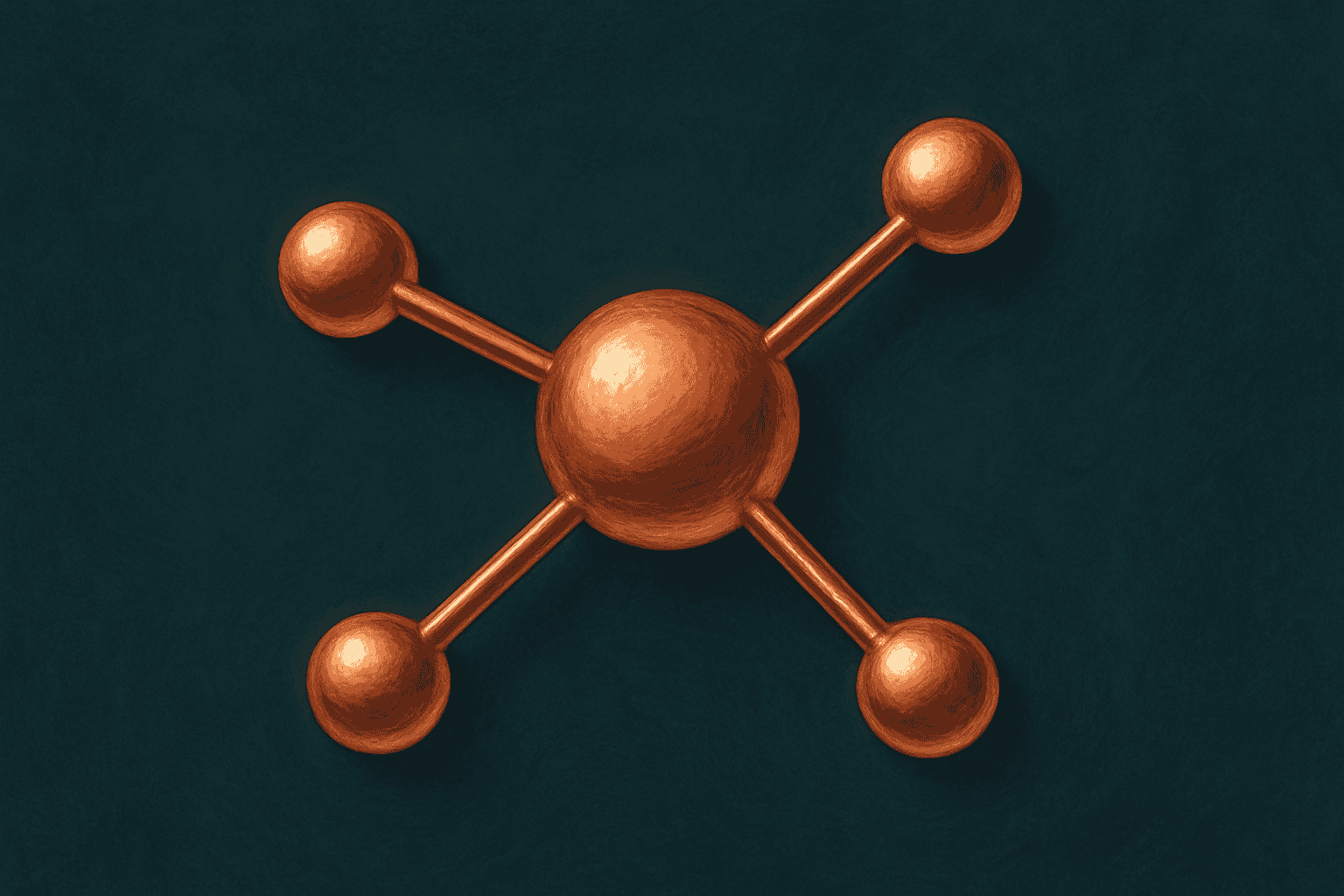
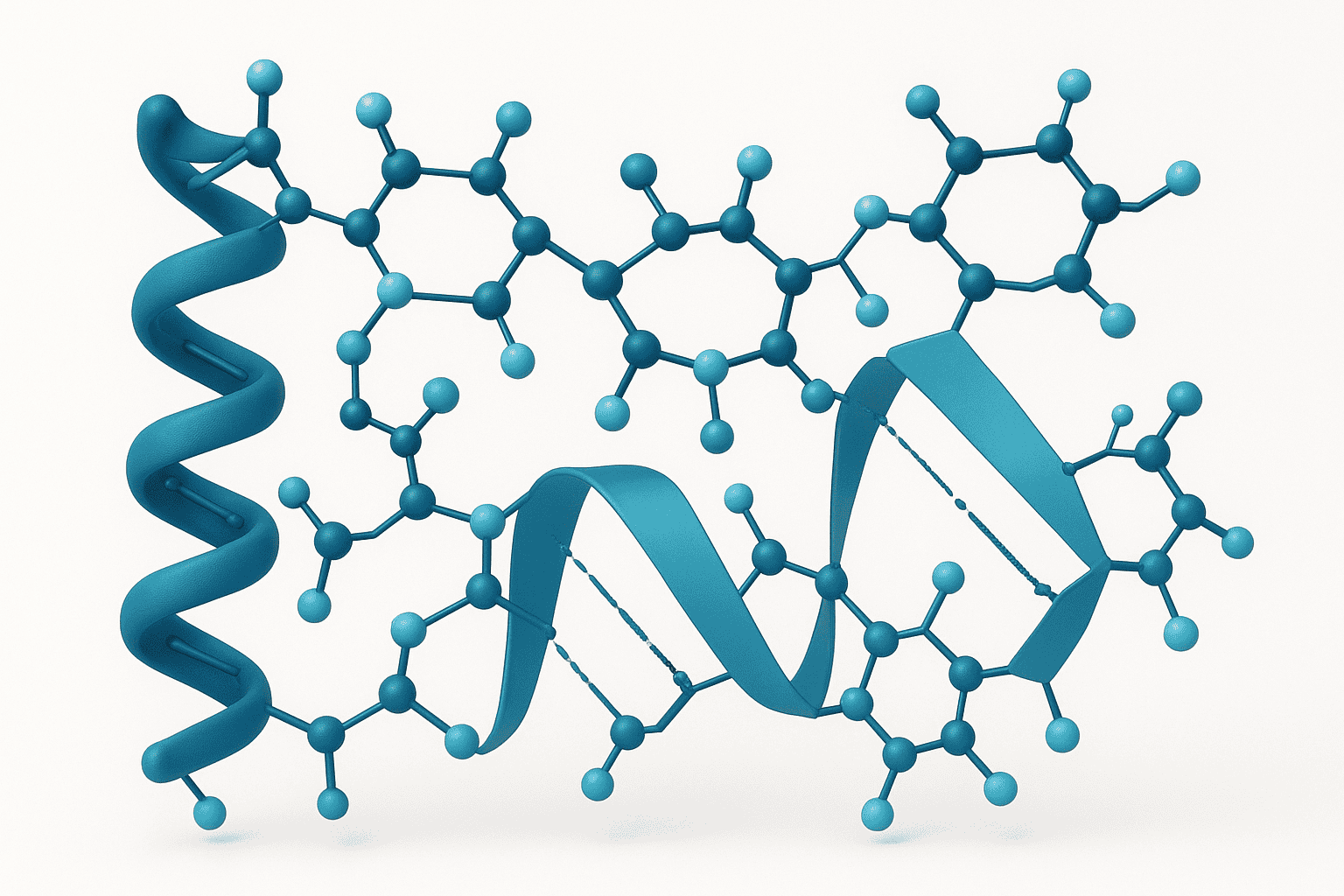
GHK-Cu works differently. Because it carries a copper atom, it has what scientists call “metal coordination chemistry.” The copper atom at its center allows GHK-Cu to interact with cells in ways that non-metal peptides cannot. Think of it like comparing a regular wrench to a magnetic wrench — the magnetic one can do things the regular one simply cannot because of that extra property.
This metal-binding ability is one reason GHK-Cu copper peptide research has branched into so many areas. Published analyses have found that GHK-Cu may influence over 4,000 genes in laboratory settings (Pickart et al., 2014, PLOS ONE). For a peptide with just three amino acids, that breadth of activity is remarkable and continues to drive research interest.
Pickart L, Margolina A (2012) reviewed GHK-Cu research across wound models and fibroblast cultures, highlighting its unique copper-binding properties. (PMID: 22782788)
The Tripeptide Structure: Small but Significant
The fact that GHK-Cu is a tripeptide — just three amino acids — is important for several reasons. First, smaller peptides are generally easier to produce and study in the laboratory. Second, the compact size means researchers can examine its interactions at a very detailed, molecular level.
Each of the three amino acids in GHK-Cu plays a specific role. Histidine, the middle amino acid, is particularly important because it has a structure called an imidazole ring that is especially good at grabbing onto metal ions like copper. Lysine contributes a positive charge, and glycine provides flexibility to the chain. Together, these three amino acids create a peptide that is perfectly built for copper coordination.
Why Researchers Continue to Study GHK-Cu
Decades after Pickart’s original discovery, GHK-Cu remains an active area of investigation. Its small size, natural occurrence in human plasma, and unusual copper-binding properties make it a valuable tool for scientists studying a range of biological processes in preclinical settings.
Published research has explored GHK-Cu in fibroblast cultures, wound biology models, and large-scale gene expression analyses. Each new study adds to our understanding of how this tiny peptide interacts with biological systems in the laboratory. The combination of copper chemistry and peptide biology makes GHK-Cu a unique subject that sits at the intersection of multiple scientific disciplines.

Alpha Peptides offers GLOW, a proprietary research blend featuring GHK-Cu as its primary component. Every batch is third-party tested for purity and identity — view the latest results on our Certificates of Analysis page. GLOW is formulated for laboratory and research applications only.
Frequently Asked Questions
What does GHK-Cu stand for?
GHK-Cu stands for glycyl-L-histidyl-L-lysine copper. It is a tripeptide (three amino acids) that naturally binds to a copper ion. The “GHK” refers to the amino acid sequence and “Cu” is the chemical symbol for copper.
Is GHK-Cu found naturally in the body?
Yes. Research has identified GHK-Cu in human blood plasma. Studies have measured its concentration at approximately 200 nanograms per milliliter in younger adults, with levels declining with age (Pickart et al., 2015, PMID: 26050778).
How is GHK-Cu different from other peptides?
GHK-Cu is unique because it binds a copper atom through metal coordination chemistry. Most peptides interact with cells by fitting into receptors, but GHK-Cu’s copper-binding property gives it additional ways to interact with biological systems in laboratory research.
Who discovered GHK-Cu?
Biochemist Loren Pickart discovered GHK-Cu in the 1970s while studying differences between blood plasma from younger and older donors. His work identified this copper-binding tripeptide and sparked decades of subsequent research.
For research use only. Not for human consumption. This article is intended for educational and informational purposes. It does not constitute medical advice. Always consult qualified professionals for health-related questions.