
· For research use only. Not for human consumption.
Understanding GLP-2 vs GLP-1 signals starts with a surprising fact: both of these peptides come from the exact same cell at the exact same time. They’re produced by the same gene, cut from the same precursor protein, and released together whenever you eat. Yet they do completely different things in the body. It’s one of the most elegant design features in human biology.
GLP-1 has received enormous attention in research over the past decade, particularly for its role in metabolic signaling. GLP-2, by contrast, remains less well known outside of specialized intestinal biology circles. But the comparison between GLP-2 vs GLP-1 signals reveals important insights about how the body coordinates its response to food — sending different messages to different organs from a single trigger event.
This article breaks down the relationship between these two sibling peptides in plain language. For dedicated deep dives, see our posts on GLP-2 and intestinal biology and what GLP-1 is. For the complete family picture, our GLP family guide covers all three.
[INTERNAL-LINK: “GLP-2 and intestinal biology” -> /blog/glp-2-intestinal-biology-research/]
[INTERNAL-LINK: “what GLP-1 is” -> /blog/what-is-glp-1-gut-peptide/]
[INTERNAL-LINK: “GLP family guide” -> /blog/glp-1-glp-2-glp-3-family-guide/]
TL;DR: GLP-2 and GLP-1 are both produced by intestinal L-cells from the same proglucagon precursor, but they target different receptor systems. GLP-1 signals to the pancreas and brain (metabolic focus), while GLP-2 signals to the intestinal wall (gut growth and integrity focus). Drucker DJ (2019) documented GLP-2’s discovery and intestinal effects (PMID: 32219218). Both peptides are sold for research use only, not for human consumption.
One Gene, Two Peptides: The Proglucagon Story
To understand GLP-2 vs GLP-1 signals, you need to know where they come from. Both peptides originate from a single gene called the proglucagon gene. This gene contains the instructions for making a long protein chain — proglucagon — that gets cut into smaller, functional pieces by enzymes inside the cell.
Think of proglucagon like a perforated page in a notebook. The whole page is one molecule, but it’s designed to be torn into separate sections, each with its own purpose. Depending on which cells do the cutting (and which enzymes they use), the same proglucagon chain produces different sets of peptides.
In the intestinal L-cells, proglucagon is processed by an enzyme called prohormone convertase 1/3. This enzyme cuts the chain in specific places, releasing GLP-1, GLP-2, and several other smaller fragments. The important point is that GLP-1 and GLP-2 are always produced together. Every time an L-cell makes GLP-1, it also makes GLP-2. They’re inseparable at the production level.
GLP-2 vs GLP-1 Signals: Where They Go
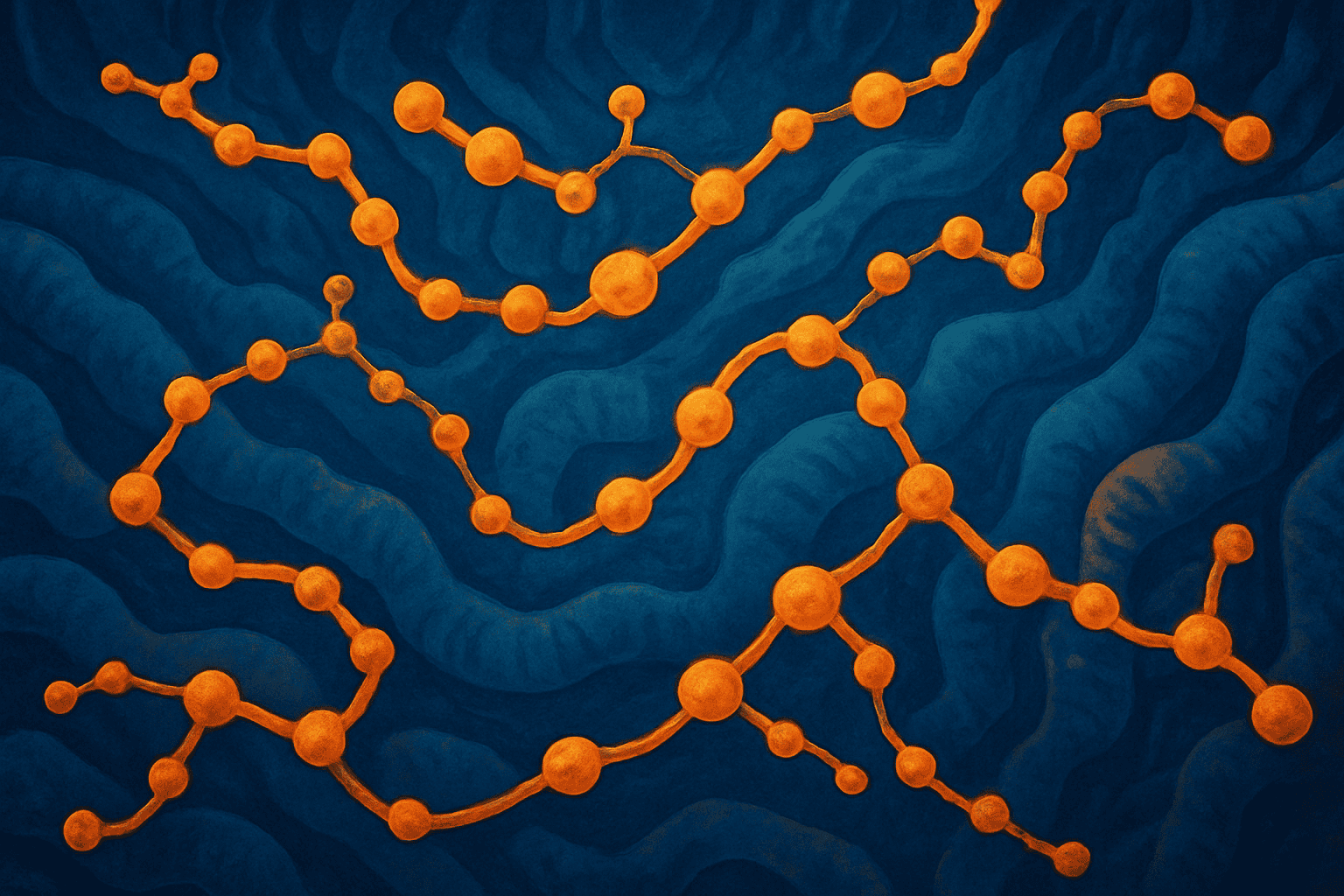
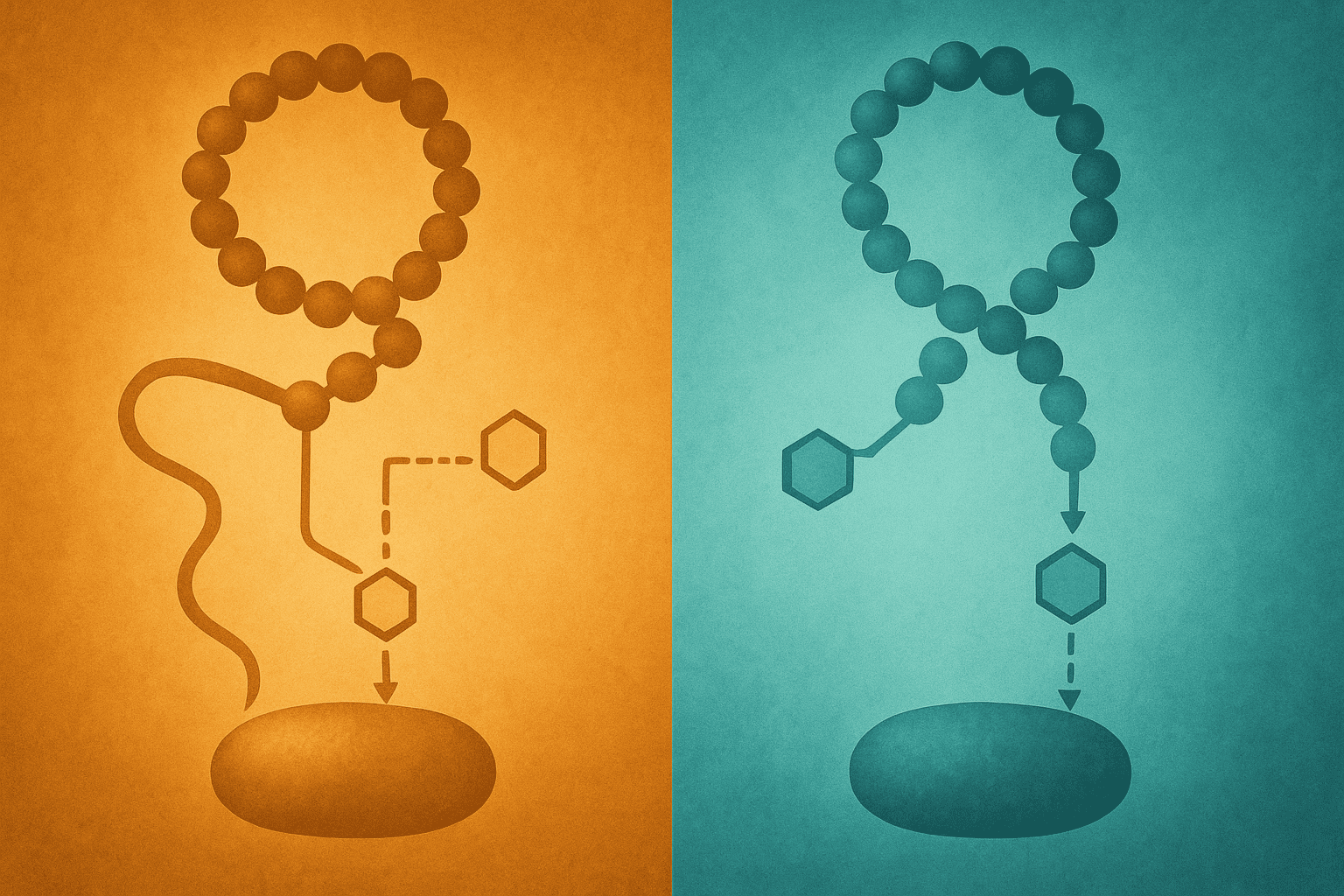
Here’s where the story gets interesting. Despite being born together, GLP-1 and GLP-2 have very different jobs. The moment they’re released from the L-cell, they head in different directions — metaphorically speaking.
GLP-1 is the outward messenger. It enters the bloodstream and sends signals to distant organs. Its primary targets include the pancreas (where it influences insulin-related signaling), the brain (where it interacts with appetite-related pathways), and the stomach (where it affects gastric emptying). GLP-1 is essentially a long-distance communicator — it tells distant parts of the body that food has arrived in the gut.
GLP-2 is the local messenger. Instead of traveling far from the gut, GLP-2 primarily acts on the intestinal wall itself. It signals to the cells lining the intestine, influencing growth, repair, and maintenance of the gut lining. GLP-2’s targets are the villi (the tiny projections that absorb nutrients), the crypt cells (where new intestinal cells are born), and the blood vessels feeding the intestinal wall.
Same cell, same meal, same moment of release — but completely different destinations and functions. It’s like two letters mailed at the same time from the same post office, going to different addresses with different instructions.
Different Chapters From the Same Book
One helpful way to think about the GLP-2 vs GLP-1 signals relationship is the “book” analogy. The proglucagon gene is the book. GLP-1 and GLP-2 are different chapters within that book. Each chapter tells a different story, serves a different purpose, and speaks to a different audience — but they all come from the same source material.
GLP-1 is the chapter about communication with the outside world. It coordinates the body’s metabolic response to food, sending messages to organs that manage energy, appetite signaling, and insulin pathways. It’s been extensively studied in metabolic research and is the basis for an entire class of research compounds.
GLP-2 is the chapter about maintaining the home base. It focuses on keeping the intestine itself in good working order — growing the lining, strengthening the barrier, supporting blood flow to the gut wall. It’s a quieter role, but no less critical. Without a healthy intestine, none of the nutrients that GLP-1 helps manage would be absorbed in the first place.
This complementary relationship is one of the things that makes the proglucagon system so fascinating to researchers. The body doesn’t just produce one response to food — it produces a coordinated set of responses, each handled by a different peptide from the same source.
Drucker DJ (2019) documented the discovery of GLP-2 and its relationship to the broader proglucagon-derived peptide family. The review detailed how GLP-2 was identified as a distinct intestinal growth factor despite sharing its cellular origin with GLP-1. (PMID: 32219218)
Why One Precursor Makes Different Products
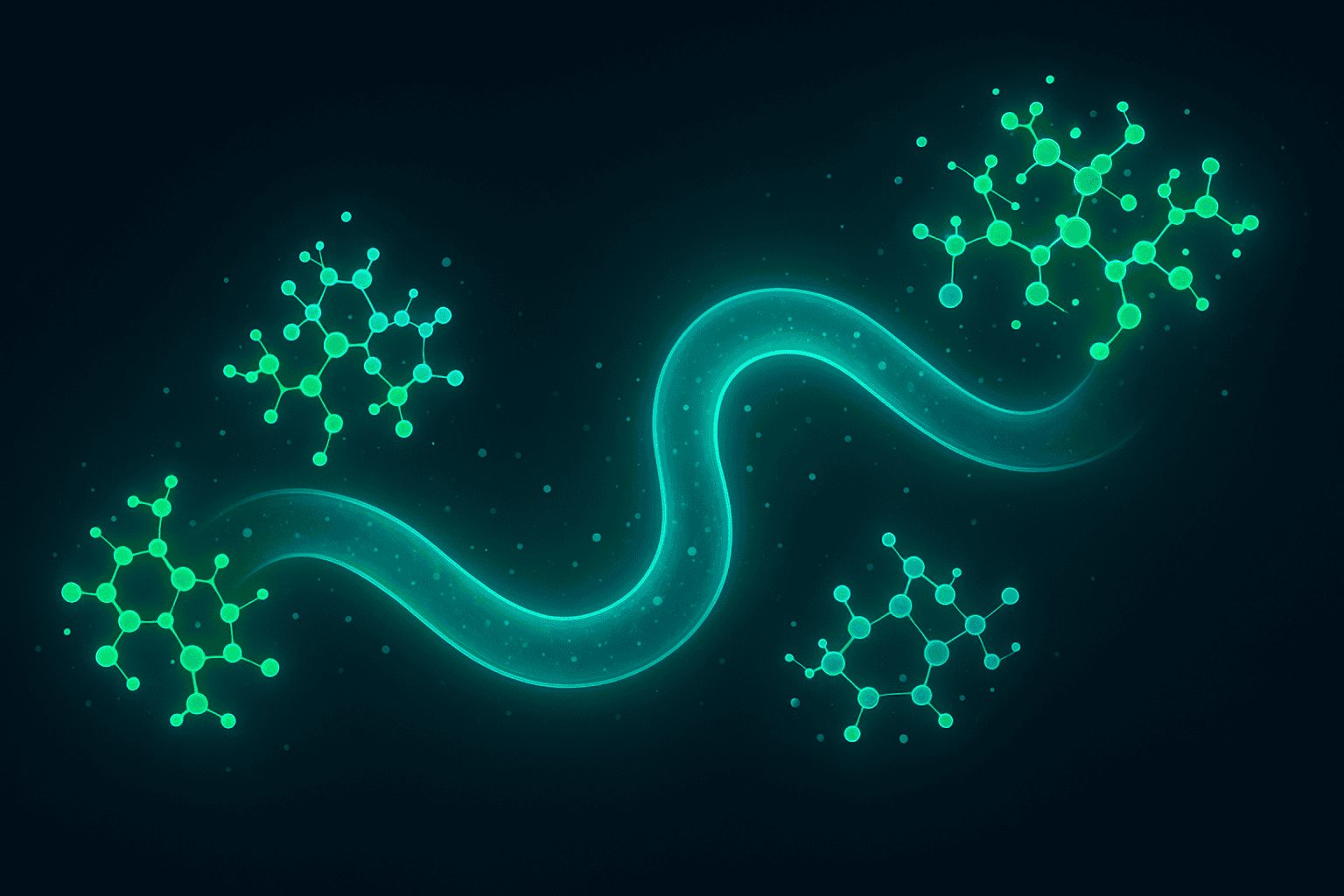
You might wonder why the body would bother making two different peptides from one precursor when it could just have two separate genes. The answer lies in coordination. By producing GLP-1 and GLP-2 from the same molecule in the same cell, the body ensures they’re always released together, in proportional amounts, at exactly the right time.
This is biological efficiency at its finest. When food hits the L-cells, the body simultaneously launches both its “tell distant organs” program (GLP-1) and its “maintain the gut” program (GLP-2). There’s no delay, no mismatch, no chance of one signal firing without the other. The system is inherently synchronized.
Researchers have noted that this co-production also means that anything affecting GLP-1 release likely affects GLP-2 release as well. Changes in L-cell activity, meal composition, or intestinal conditions would alter both signals simultaneously. This has implications for research design — you can’t study one in isolation without considering the other.
What This Means for Research
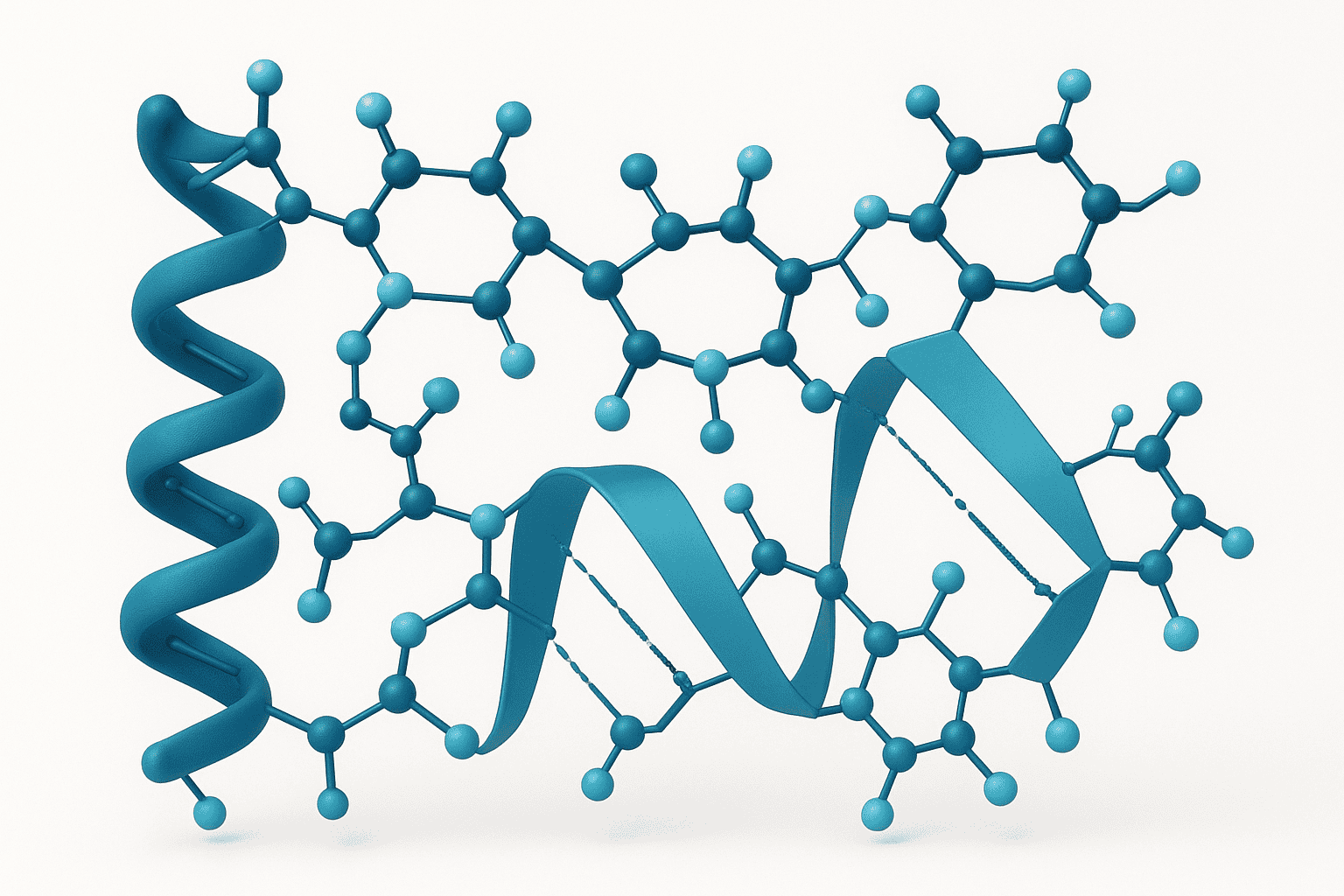
Understanding the GLP-2 vs GLP-1 signals relationship has practical value for researchers. Because these peptides share a cellular origin but have distinct biological roles, they provide complementary research tools for investigating different aspects of gut biology and metabolic signaling.
GLP-1 analogs allow researchers to investigate metabolic pathways, insulin-related signaling, and brain-gut communication. GLP-2 analogs allow researchers to investigate intestinal growth, barrier integrity, and nutrient absorption. Studying both provides a more complete picture than studying either alone.
The research is entirely preclinical and laboratory-based. Both GLP-1 and GLP-2 analogs are research compounds that have been investigated in published scientific literature. They are sold for laboratory use only, not for human consumption.
Yazbeck R (2010) reviewed the investigation of teduglutide (a GLP-2 analog) in gastrointestinal research models, providing context for understanding GLP-2’s distinct biological role compared to other proglucagon-derived peptides like GLP-1. (PMID: 21154171)
Alpha Peptides carries research-grade GLP-2 alongside our GLP-1 analog — both with independent third-party testing and Certificates of Analysis. For researchers investigating intestinal signaling, gut biology, or the proglucagon peptide family, these compounds provide well-documented research tools. Visit our research peptides shop or review testing data on our Certificates of Analysis page.
Frequently Asked Questions
Do GLP-1 and GLP-2 come from the same cell?
Yes. Both GLP-1 and GLP-2 are produced by intestinal L-cells. They are cut from the same precursor protein (proglucagon) and released together whenever L-cells are stimulated by nutrients.
What is the main difference between GLP-1 and GLP-2?
GLP-1 primarily signals to distant organs like the pancreas and brain, focusing on metabolic pathways. GLP-2 primarily acts locally on the intestinal wall, focusing on gut growth and barrier integrity. Same origin, different functions.
Why are they produced together?
Co-production from the same precursor ensures that both signals are released simultaneously and proportionally. This allows the body to coordinate its metabolic response (GLP-1) with its intestinal maintenance program (GLP-2) every time food is detected.
Can researchers study GLP-1 and GLP-2 separately?
Yes. Research-grade analogs of both GLP-1 and GLP-2 are available as separate compounds for laboratory investigation. This allows researchers to study the effects of each peptide independently in controlled settings.
Are these peptides available for research?
Alpha Peptides offers both GLP-2 and GLP-1 analogs for laboratory research purposes only. All products include a Certificate of Analysis. They are not sold for human consumption.
For research use only. Not for human consumption. This article is intended for informational and educational purposes. It does not constitute medical advice, and no therapeutic claims are made. Always consult published peer-reviewed literature for detailed research data.